

Loading, please wait...
Loading, please wait...
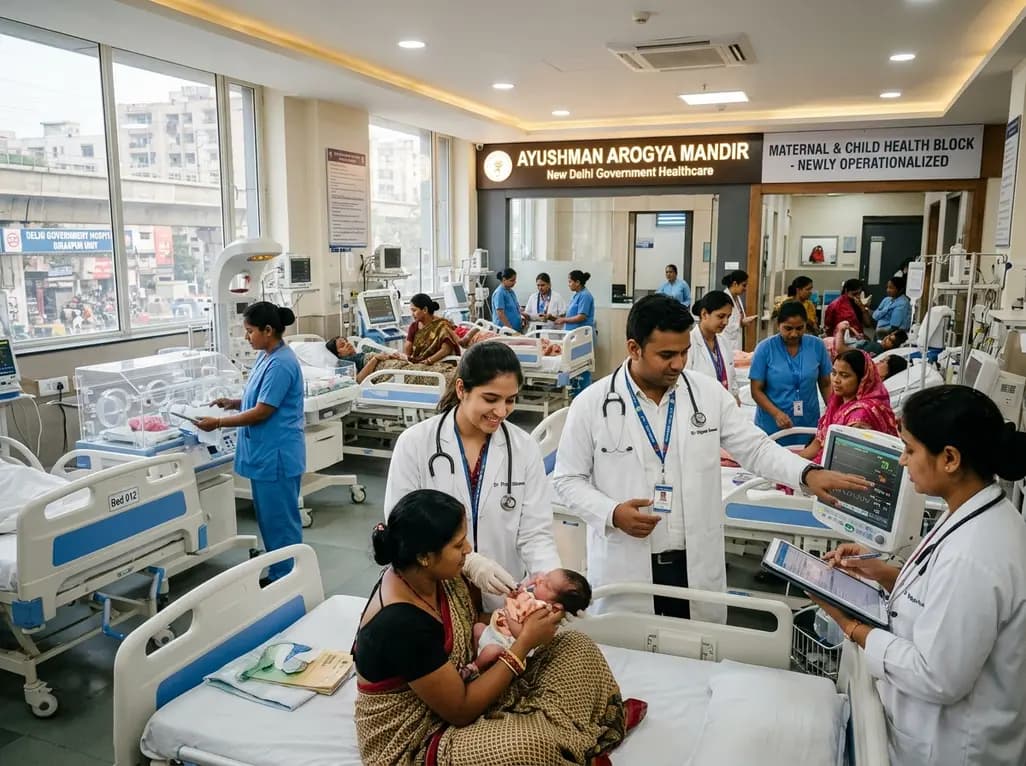
Public health administrators in the national capital are advancing significant structural reforms. Consequently, the rapid Delhi healthcare expansion marks a vital transition toward decentralized medical infrastructure. Government authorities recently announced that two major secondary healthcare facilities will open next year. Furthermore, dozens of primary care facilities will start operations soon. These developments directly address chronic bed shortages and high patient volume across urban clusters. Therefore, healthcare providers and clinical administrators must evaluate how these regional assets will reshape local referral pathways and patient workflows.
Two major government hospitals will soon open their doors to public admissions. Specifically, the facility in Siraspur provides 1,164 beds to serve north Delhi populations. The physical civil structure is complete, and authorities are finalizing medical equipment procurement. Similarly, the upcoming 651-bed hospital in Hastal nears overall structural completion. Together, these two hospitals deliver 1,815 additional inpatient beds to the territory. Consequently, this capacity surge will decompress overburdened tertiary centers such as Lok Nayak Hospital.
Moreover, these facilities provide acute care access to traditionally underserved peri-urban communities. Residents in these outer zones often encounter lengthy travel times during acute clinical emergencies. Therefore, localizing acute inpatient capacity directly shortens transit delays for severe medical conditions. In addition, the Health Department conducts rigorous operational reviews to prevent administrative bottlenecks. Health Minister Pankaj Kumar Singh highlighted that engineering teams are actively coordinating supply chains. Thus, biomedical instruments and monitoring units will arrive on schedule. Consequently, clinicians can anticipate functional intensive care and inpatient wards within the coming year.
In parallel with secondary care growth, the administration is heavily expanding primary healthcare networks. Currently, 415 Ayushman Arogya Mandirs deliver neighborhood medical services across Delhi. However, municipal targets establish a comprehensive network of 1,139 operational centers citywide. To accelerate this schedule, officials will launch 40 new clinics next month. Significantly, this rollout honors the birth anniversary of former Prime Minister Atal Bihari Vajpayee.
Additionally, policy leaders are introducing two-shift working schedules in high-volume clinics. This operational adjustment allows working citizens to access primary consultations without missing daytime employment. Furthermore, robust community clinics offer essential preventative screenings, non-communicable disease monitoring, and routine diagnostic tests. As a result, family physicians can detect chronic illnesses such as hypertension and diabetes much earlier. Meanwhile, triage at the dispensary level deflects non-emergent complaints away from crowded hospital emergency departments. Hence, general practitioners operate as pivotal gatekeepers within this integrated public care ecosystem.
Maternal and child health services represent a critical focus of the capital's medical infrastructure campaign. Consequently, major dedicated mother-and-child blocks are nearing completion at established regional hospitals. For example, Dr. Baba Saheb Ambedkar Hospital in Rohini features a new 463-bed dedicated block. Its outpatient department block is already fully prepared for immediate inauguration. Similarly, Rao Tula Ram Memorial Hospital will add 270 dedicated maternal and pediatric beds. Furthermore, Lal Bahadur Shastri Hospital in Khichripur is completing a 460-bed maternal-child facility.
These specialized expansions collectively establish over 1,190 dedicated obstetrics and pediatrics beds. Accordingly, obstetricians and pediatricians gain access to modernized labor suites, neonatal intensive care units, and dedicated surgical theaters. Historically, regional maternity wings faced substantial bed sharing and high infection exposure risks. Therefore, expanding dedicated physical wards substantially improves maternal safety metrics and perinatal outcomes. Besides improving clinical safety, expanded facilities allow doctors to adhere closely to standardized respectful maternity care protocols.
Expanding clinical bed capacity requires a proportional increase in trained medical professionals. Accordingly, the state plans to establish new medical colleges at Indira Gandhi Hospital and Guru Gobind Singh Hospital. Notably, each proposed medical college will introduce 150 MBBS seats annually. In addition, existing medical schools will see substantial academic seat increases. For instance, Dr. Baba Saheb Ambedkar Medical College will increase admissions from 125 to 200 seats. Similarly, Maulana Azad Institute of Dental Sciences will elevate its intake from 50 to 70 seats.
Simultaneously, the administration is executing a comprehensive 30-month redevelopment plan for the Maulana Azad Medical College campus. This massive project also modernizes Lok Nayak Hospital through synchronized architectural and clinical upgrades. Furthermore, authorities plan to integrate several major specialized institutions under a unified institutional framework. Specifically, this federation links Guru Teg Bahadur Hospital, Rajiv Gandhi Super Speciality Hospital, Delhi State Cancer Institute, and IHBAS. Consequently, trans-Yamuna healthcare centers will share clinical expertise, academic resources, and specialized referral protocols smoothly.
The strategic Delhi healthcare expansion delivers significant operational benefits to regional clinical practitioners. Most notably, adding thousands of beds relieves unbearable clinical workloads in existing public teaching hospitals. Medical residents, nursing teams, and senior consultants often manage acute patient loads far exceeding physical bed capacity. Therefore, redistributing routine admissions to Siraspur, Hastal, and future hospitals in Madipur and Jwalapuri stabilizes nurse-to-patient ratios. In fact, the Madipur and Jwalapuri projects will contribute another 1,382 beds combined by 2028.
Moreover, modernizing diagnostic procurement ensures clinicians work with advanced radiological and laboratory equipment. Reliable diagnostic tools minimize delays in clinical decision-making and shorten average hospital stays. In addition, strengthening primary Arogya Mandirs improves longitudinal care for chronic illnesses. Because primary clinics handle long-term drug refills and routine monitoring, tertiary clinicians can prioritize complex interventions. Ultimately, this balanced, multi-tier investment strengthens the entire healthcare continuum for physicians and patients across Delhi.
Q1: What are the primary objectives of the Siraspur and Hastal hospital projects?
The Siraspur and Hastal hospitals aim to add 1,815 acute care beds to Delhi's public health network next year. Specifically, Siraspur provides 1,164 beds while Hastal contributes 651 beds. These secondary centers improve geographical healthcare access for north-western and western suburban populations. Consequently, they relieve persistent patient overcrowding in central tertiary teaching facilities across the territory.
Q2: How will Ayushman Arogya Mandirs reshape primary care delivery in Delhi?
Ayushman Arogya Mandirs expand decentralized outpatient care across urban neighborhoods. With 415 facilities functioning and 40 more launching, they deliver preventative screening, essential drugs, and routine diagnostics close to home. Additionally, two-shift working schedules accommodate evening patient traffic. This accessible primary framework facilitates earlier chronic disease intervention while reducing non-emergent patient influx at tertiary casualty departments.
Q3: What medical education and capacity enhancements are underway in the capital?
Delhi is establishing two new medical colleges at Indira Gandhi Hospital and Guru Gobind Singh Hospital, adding 300 MBBS seats. Furthermore, Dr. Baba Saheb Ambedkar Medical College will raise capacity to 200 MBBS seats. Dental seats at MAIDS will increase to 70. These academic expansions provide the critical clinical workforce needed to staff expanding secondary and tertiary hospitals.
Disclaimer: This content is for informational and educational purposes only. It does not constitute medical advice or replace professional judgment. Refer to the latest local and national guidelines for clinical practice.
References

Read summarized clinical updates, watch expert medical content, and earn CME certifications right from your smartphone.
Open your smartphone camera to scan and install.





The Delhi government has accelerated major infrastructure upgrades across the capital. Key milestones include operationalizing 1,815 secondary beds across Siraspur and Hastal, launching 40 Ayushman Arogya Mandirs, adding specialized maternal-child blocks, and significantly boosting undergraduate medical seats.
Today
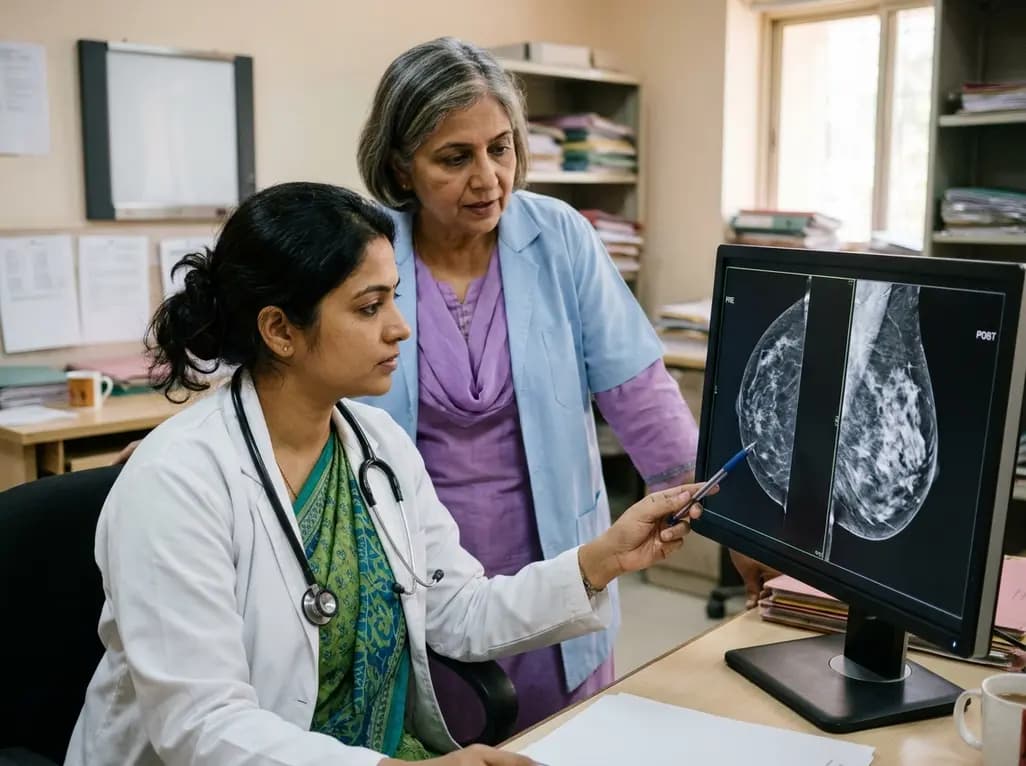
A new study reveals that substantial weight loss from GLP-1 receptor agonists increases mammographic breast density, more than doubling screening recall rates. Learn why relative fibroglandular prominence occurs, the clinical significance for radiologists, and how to guide patients during breast cancer screening.
Today
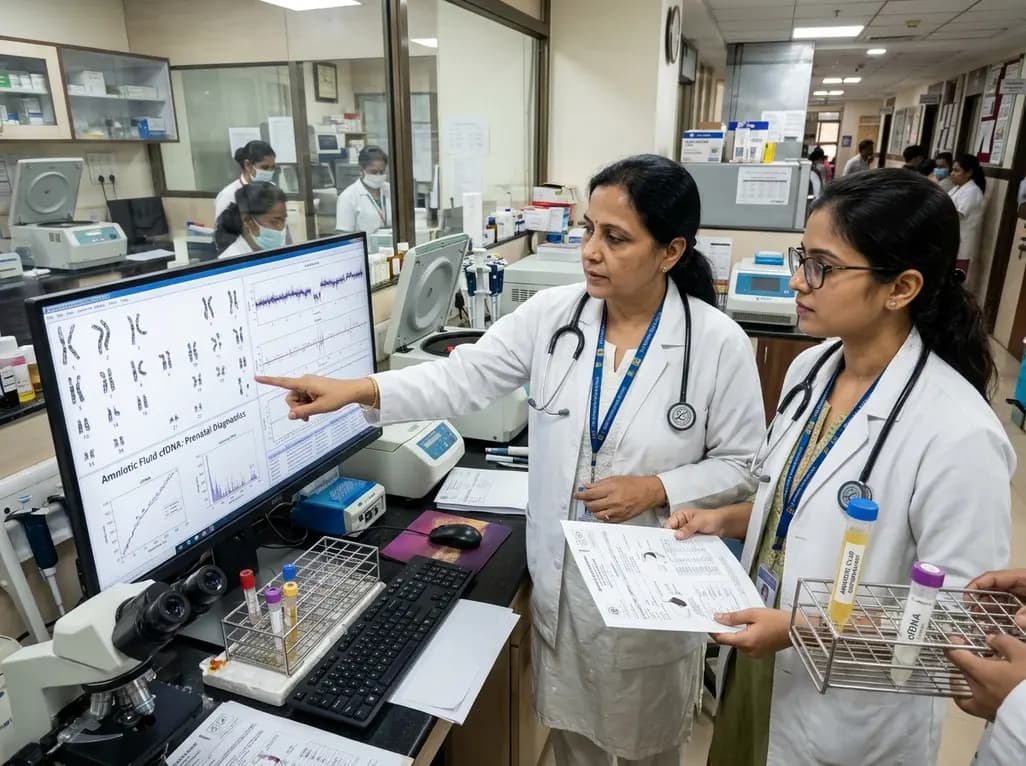
Amniotic fluid cell-free DNA offers a rapid alternative to cultured amniocytes in prenatal testing. With high yield, lack of maternal contamination, and full concordance across microarrays and exome sequencing, it dramatically cuts diagnostic turnaround time.
Today
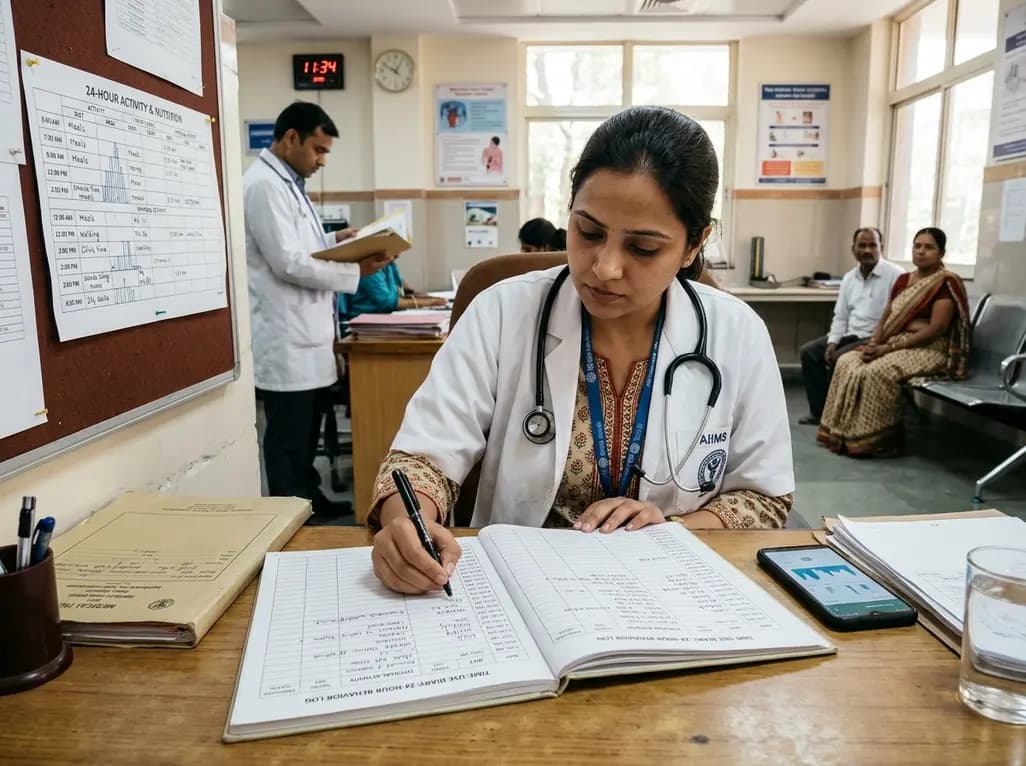
Time-use diary research maps 24-hour physical activity and dietary habits, providing clinicians with vital insights into temporal patterns, time poverty, and lifestyle modifications essential for noncommunicable disease prevention.
Today
Implant-associated infections present severe challenges in orthopedic and dental surgery. A newly engineered photocatalytic antibacterial composite coating on medical titanium combines passive hyaluronic acid defense with active visible-light reactive oxygen species generation to suppress biofilms and enhance repair.
Today

Investigating the patterns, barriers, and facilitators of sedentary behaviour, physical activity, and nutrition among hybrid employees working from home, with practical recommendations for clinicians managing cardiometabolic and musculoskeletal health.
Today
