.webp&w=384&q=75)

Loading, please wait...
Loading, please wait...
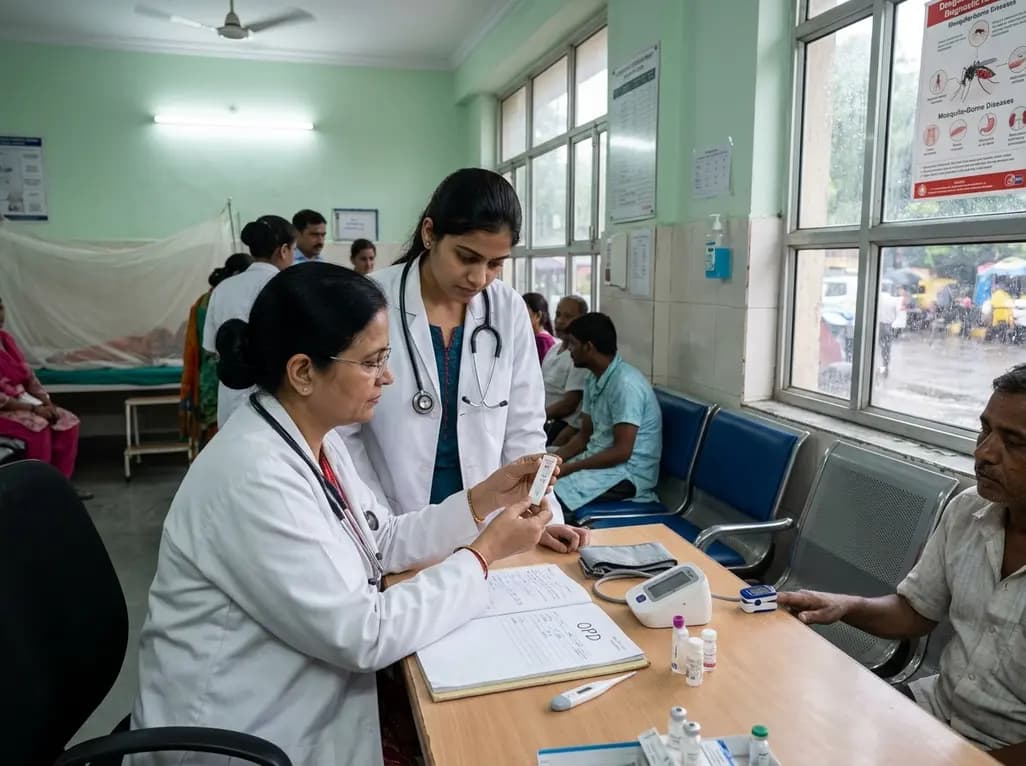
Recent municipal surveillance data underscores a steep post-monsoon surge in vector-borne diseases across the national capital. Health authorities have confirmed that dengue and malaria cases reached their highest monthly levels this September. Consequently, primary care physicians, internists, and emergency room clinicians must maintain heightened clinical vigilance. Furthermore, early detection remains imperative to avert life-threatening complications, reduce unnecessary admissions, and optimize seasonal triage.
According to the Municipal Corporation of Delhi, the capital logged 121 dengue cases during early September. This count accounts for more than a fourth of the total 432 infections reported this year. In addition, the civic surveillance system reported 71 fresh dengue infections over a single recent week. West Delhi registered the highest caseload at 57 infections, closely followed by Central Delhi and Shahdara North. Concurrently, malaria infections reached 183 cases for the year, with 64 presentations occurring in September alone.
Fortunately, public health authorities have verified zero fatalities from either infection so far this year. Meanwhile, chikungunya presentations reached 24 cases, reflecting a decrease from 46 cases during the same timeframe in 2025. Although cumulative dengue numbers remain lower than previous record outbreaks, the sudden weekly acceleration demands urgent clinical preparedness. Municipal teams have inspected over 2.79 crore households, detecting active mosquito breeding in nearly 1.47 lakh residential premises. Therefore, healthcare providers must anticipate continued outpatient footfall as transmission conditions persist across waterlogged urban settlements. Consequently, clinics should streamline diagnostic screening pathways to absorb rising patient numbers efficiently.
Because dengue, malaria, and chikungunya share overlapping prodromal features, physicians require a meticulous diagnostic approach. Patients commonly present with sudden high-grade fever, severe myalgia, arthralgia, retro-orbital pain, and intense prostration. However, distinct clues can guide the differential diagnosis before confirmatory laboratory reports arrive. Dengue frequently triggers prominent constitutional flushing, petechiae, and profound leukopenia. In contrast, malaria typically manifests with classic paroxysms consisting of distinct cold, hot, and sweating stages. Furthermore, chikungunya often precipitates symmetric, severe, and incapacitating peripheral polyarthralgia that outlasts the acute febrile episode.
Clinicians should immediately order NS1 antigen assays and complete blood counts for patients presenting within the initial five days. Subsequently, IgM antibody serology becomes valuable after the fifth day of illness. Simultaneously, physicians must perform rapid diagnostic tests or thick and thin blood smear microscopy to identify malarial parasites. Mixed infections can occur in endemic urban settings during the monsoon. Therefore, clinicians must avoid premature diagnostic closure upon obtaining a single positive result. Prompt differential testing prevents catastrophic diagnostic delays and allows physicians to initiate targeted clinical protocols immediately. Additionally, routine urinalysis and baseline liver enzyme testing help physicians identify early multi-organ involvement during initial presentations.
The transition from the febrile to the critical phase typically occurs between illness days three and seven. During this pivotal window, systemic plasma leakage can trigger life-threatening hypovolemic shock. Consequently, national clinical guidelines categorize dengue into three distinct tiers to ensure appropriate triage. Group A comprises stable patients without warning signs who tolerate oral fluids and maintain normal urine output. Doctors can manage these individuals safely in home settings with structured daily monitoring.
Conversely, Group B includes patients displaying critical warning signs or possessing underlying comorbidities like diabetes, pregnancy, or advanced age. Warning signs encompass persistent vomiting, severe abdominal pain, clinical fluid accumulation, mucosal bleeding, lethargy, and progressive hepatomegaly. Additionally, a concurrent rise in hematocrit alongside a rapid decline in platelet count signifies worsening plasma leakage. Therefore, physicians must admit Group B patients immediately for supervised intravenous crystalloid maintenance. In contrast, Group C consists of severe dengue with decompensated shock, significant bleeding, or severe organ impairment. Intensive care teams must manage Group C aggressively with targeted fluid resuscitation, invasive monitoring, and prompt inotropic support. Moreover, serial hematocrit measurements guide fluid adjustments far more effectively than isolated platelet tallies.
Meticulous fluid titration represents the cornerstone of successful dengue management. Clinicians should administer isotonic crystalloids, such as normal saline or Ringer’s lactate, to match ongoing vascular leakage. However, practitioners must avoid aggressive over-hydration, which frequently precipitates pulmonary edema, congestive heart failure, and prolonged hospitalization. Healthcare providers should continuously adjust infusion rates according to vital signs, urine output, and serial hematocrit levels. Once the critical leakage phase ceases after 24 to 48 hours, physicians must taper intravenous infusions promptly.
Simultaneously, platelet transfusion stewardship demands rigorous adherence to evidence-based protocols. Many practitioners inappropriately prescribe prophylactic platelet transfusions due to patient anxiety or arbitrary laboratory thresholds. Nevertheless, national guidelines discourage prophylactic platelet transfusions for stable patients without bleeding and counts above 10,000 per microliter. Inappropriate transfusions carry substantial risks, including fluid overload, transfusion-related acute lung injury, febrile reactions, and unnecessary financial burdens. Furthermore, physicians must strictly avoid prescribing nonsteroidal anti-inflammatory drugs, aspirin, or intramuscular injections because these interventions exacerbate bleeding diathesis. Instead, clinicians should rely exclusively on paracetamol and tepid sponging to achieve safe antipyretic control. Consequently, vigilant observation remains far superior to unindicated blood product transfusions.
While dengue creates significant hospital admissions, physicians must concurrently implement standardized therapeutic regimens for confirmed malaria cases. According to National Center for Vector Borne Diseases Control guidelines, treatment hinges strictly upon species identification. For uncomplicated Plasmodium vivax infections, clinicians should administer chloroquine for three days alongside primaquine for fourteen days. This fourteen-day primaquine regimen eliminates dormant hypnozoites and prevents recurring malarial relapses. However, physicians must evaluate glucose-6-phosphate dehydrogenase levels prior to initiating primaquine to prevent severe acute intravascular hemolysis.
In contrast, doctors must treat confirmed Plasmodium falciparum cases with artemisinin-based combination therapy to prevent rapid clinical deterioration. Furthermore, clinicians must administer a single transmission-blocking dose of primaquine on day two for falciparum infections. For severe or complicated malaria, intravenous artesunate remains the gold standard therapeutic intervention. Beyond bedside therapeutics, private and public clinicians must report all confirmed cases to local health authorities immediately. This mandatory notification enables civic bodies to execute targeted anti-larval spraying, focal thermal fogging, and entomological surveillance in affected neighborhoods. Thus, effective clinical management and synchronized civic intervention together curb community transmission. Additionally, healthcare facilities should educate discharged patients on personal protective measures, including insecticide-treated nets and protective clothing. Such holistic discharge planning reinforces overall community resilience.
Q1: When is platelet transfusion indicated in dengue fever?
National clinical protocols discourage prophylactic platelet transfusions in stable dengue patients, even when counts drop significantly. Clinicians should reserve transfusions for patients with active bleeding diathesis or platelet counts below 10,000 per microliter. Inappropriate transfusions fail to expedite recovery, expose patients to circulatory overload, and trigger severe allergic reactions. Doctors should instead prioritize judicious isotonic crystalloid fluid resuscitation to support intravascular volume.
Q2: Why must clinicians avoid NSAIDs in acute febrile illness?
Nonsteroidal anti-inflammatory drugs and aspirin severely disrupt platelet aggregation while causing gastric mucosal erosions. In acute dengue infection, preexisting thrombocytopenia and capillary fragility make patients vulnerable to massive gastrointestinal hemorrhage. Furthermore, these agents can worsen acute kidney injury in hypovolemic patients. Therefore, clinicians must prescribe paracetamol exclusively for fever control, strictly adhering to weight-based dosing. Additionally, nursing staff can safely implement physical cooling techniques such as tepid sponging.
Q3: How should practitioners manage suspected dengue and malaria co-infections?
Because vector habitats overlap during post-monsoon months, dual infections occur with notable clinical frequency. Physicians should routinely order both dengue serology and peripheral blood smears or rapid malaria diagnostic tests. If diagnostic assays confirm co-infection, clinicians must manage vascular permeability with calibrated crystalloids while administering full antimalarial therapy. Clinicians should closely monitor hemodynamic parameters and serial hematocrit to prevent sudden decompensation. Furthermore, early diagnosis ensures timely interventions.
Disclaimer: This content is for informational and educational purposes only. It does not constitute medical advice or replace professional judgment. Refer to the latest local and national guidelines for clinical practice.
References

Read summarized clinical updates, watch expert medical content, and earn CME certifications right from your smartphone.
Open your smartphone camera to scan and install.





With municipal health data confirming a sharp post-monsoon rise in vector-borne infections across Delhi zones, medical practitioners must optimize outpatient triage, recognize plasma leakage early, avoid empiric NSAID prescriptions, and implement protocolized antimalarial radical cures.
Today
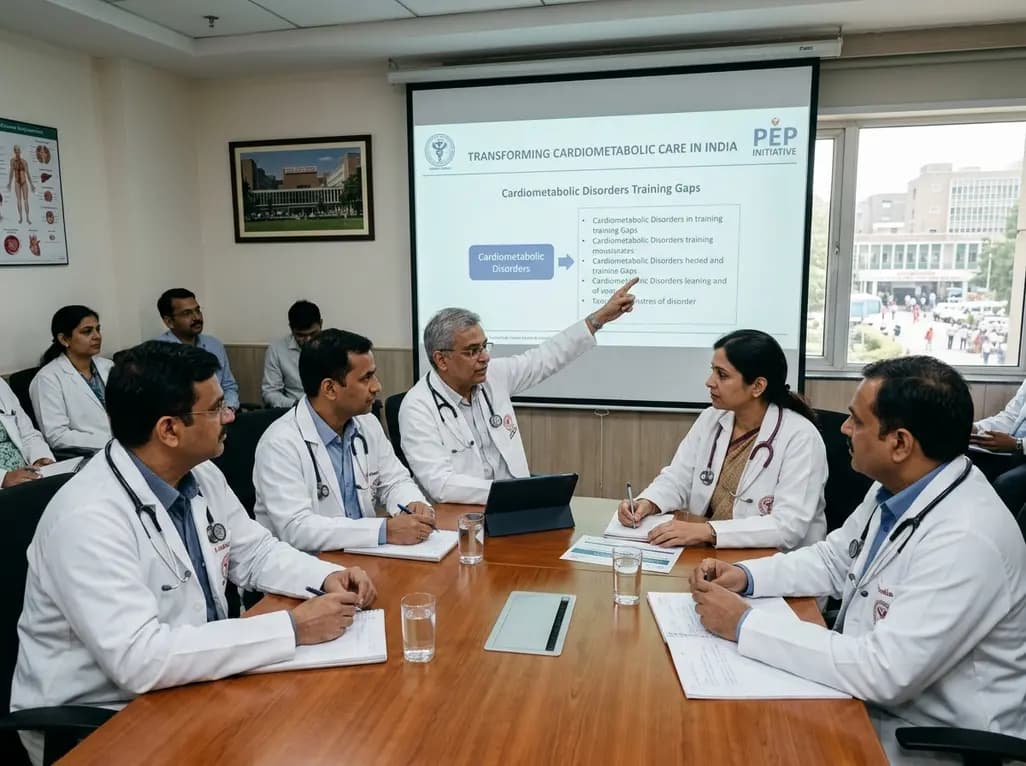
The All India Institute of Medical Sciences has convened national health experts, policymakers, and state nodal officers to transform medical training for cardiometabolic disorders. This collaborative effort under the PEP initiative addresses training gaps to elevate chronic disease care across Indian healthcare.
Today

A recent qualitative study examines how college students seek digital sexual health information under persistent uncertainty. Discover the concept of functional trust, the clinical hazards of search abandonment, and evidence-based approaches clinicians can adopt to guide youth toward verified reproductive healthcare.
Today
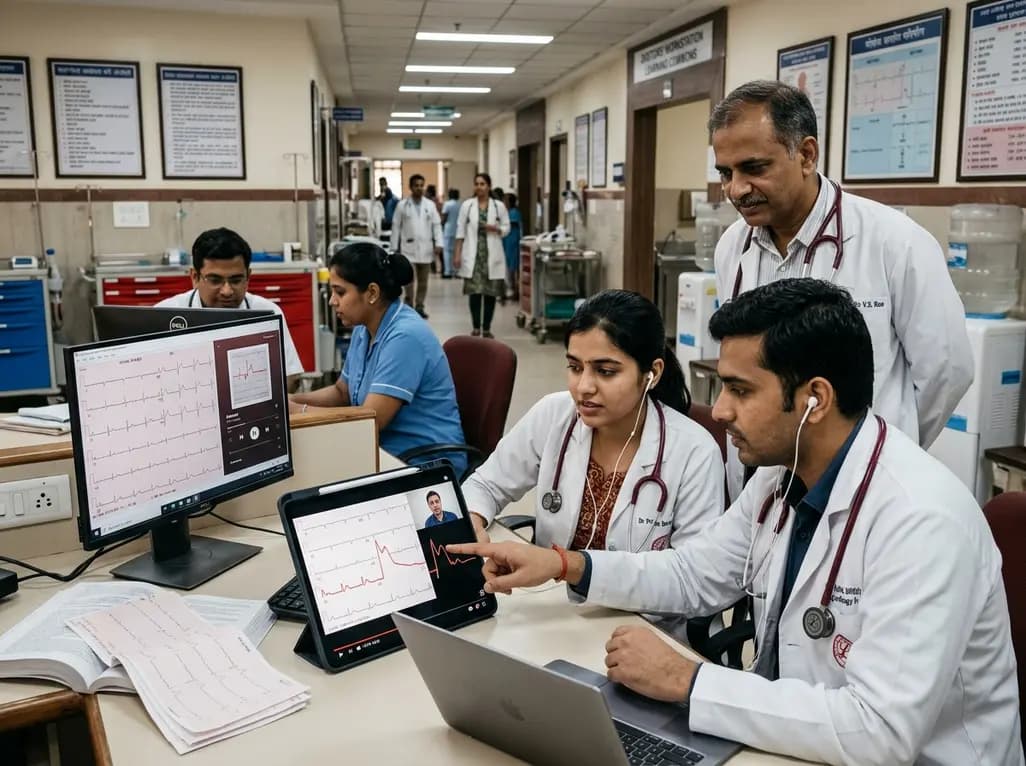
A randomized controlled trial demonstrates that curated FOAMed videos and podcasts produce superior gains in high-risk ECG interpretation and acute coronary syndrome clinical decision-making compared with print-based materials among interprofessional emergency care teams.
Today

A study reveals that Ginsenoside Rg3 attenuates osteoarthritis progression by modulating the Nrf2-mediated autophagy pathway, reducing chondrocyte apoptosis, and curbing extracellular matrix degradation, offering promising chondroprotective potential.
Today
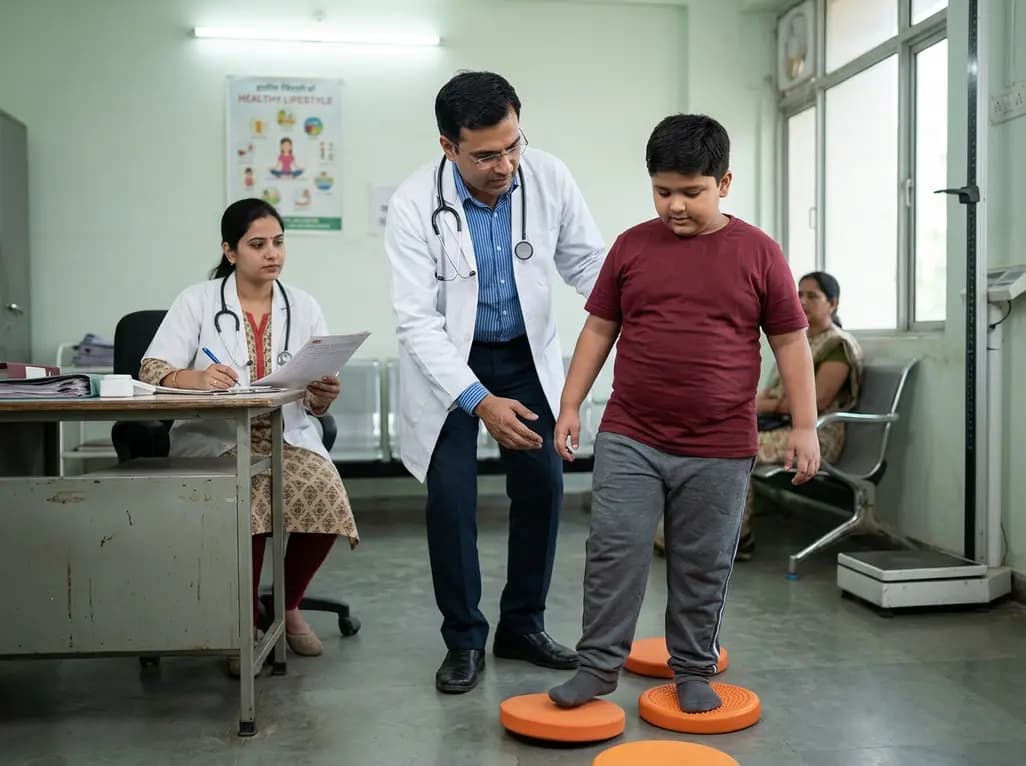
A cross-sectional study demonstrates that lower pediatric motor competence strongly correlates with adverse metabolic syndrome markers, including central adiposity, elevated triglycerides, and low HDL cholesterol, emphasizing early neuromuscular interventions in youth with overweight and obesity.
Today
