

Loading, please wait...
Loading, please wait...

Locally advanced gastric cancer remains a significant therapeutic challenge worldwide, especially across Asian populations. Neoadjuvant chemoimmunotherapy has emerged as a promising strategy to downstage primary tumors and improve surgical resectability. However, therapeutic response varies widely among individuals. Clinicians urgently need reliable, noninvasive predictive biomarkers before initiating therapy. Recent breakthroughs in artificial intelligence offer transformative potential. Specifically, computed tomography-based deep learning radiomics provides quantitative insights into tumor heterogeneity, cellular density, and the microenvironment. By evaluating multidimensional medical imaging, these models identify distinct tumor phenotypes that standard macroscopic staging cannot detect. Consequently, noninvasive artificial intelligence models are reshaping modern precision gastrointestinal oncology.
Conventional computed tomography scans deliver essential anatomic details regarding tumor depth and regional nodal status. Nevertheless, conventional imaging metrics frequently fail to reveal intrinsic tumor biology and immune activation states. To address this diagnostic limitation, researchers developed an advanced multichannel deep learning radiomics pipeline. Investigators stacked the largest axial, coronal, and sagittal cross-sectional slices into three-channel inputs for a pretrained neural network. Additionally, the algorithm extracted three-dimensional radiomic parameters across the entire primary tumor volume. Combining spatial volumetric features with planar deep learning patterns produced a comprehensive mathematical representation of the malignancy. Consequently, this fused pipeline significantly outperformed traditional single-plane imaging evaluations. Furthermore, the multi-planar architecture captures subtle macroscopic infiltrations across anatomical planes. Therefore, the integrated analytical technique offers clinicians a deeper window into tissue heterogeneity prior to complex neoadjuvant regimens.
Pathologic significant response serves as a pivotal surrogate marker for long-term survival in gastric cancer. Achieving substantial tumor regression before gastrectomy dramatically reduces systemic recurrence rates. In a multicenter trial of 455 patients, investigators evaluated the artificial intelligence model across diverse clinical cohorts. Notably, the deep learning radiomics signature attained excellent predictive capability, achieving area under the curve metrics of 0.827 in training, 0.802 in internal validation, and 0.776 in external testing. In contrast, handcrafted radiomics alone reached substantially lower discrimination. Moreover, single-plane neural networks yielded inferior accuracy across all validation phases. The unified algorithm demonstrated robust calibration and high net clinical benefit across varied diagnostic thresholds. Consequently, multidisciplinary surgical oncology teams can use these predictions to identify individuals most likely to achieve major pathologic downstaging.
A critical question in oncology biomarker research is whether imaging features predict specific immunologic response or general cytotoxic sensitivity. To resolve this question, researchers evaluated the predictive model within a dedicated chemotherapy-alone patient cohort. Remarkably, the model performance dropped precipitously to an area under the curve of only 0.597. Therefore, the machine learning architecture did not simply detect non-specific tumor vulnerability to standard cytotoxic agents. Instead, the imaging signatures captured distinct structural phenotypes unique to effective immune checkpoint blockade. For instance, these radiographic phenotypes likely reflect baseline immune cell infiltration, tertiary lymphoid structures, and microvascular permeability. Thus, the model provides genuine biological specificity for neoadjuvant chemoimmunotherapy regimens. This biological discrimination prevents the clinical misapplication of predictive algorithms to standard non-immunotherapy regimens.
Although imaging provides valuable macroscopic and textural data, incorporating established molecular markers optimizes individualized oncology decision-making. Researchers constructed an expanded nomogram integrating the imaging score with mismatch repair status, tumor differentiation grade, and programmed death-ligand 1 combined positive score. Consequently, this combined strategy unified microscopic histopathology, molecular immunology, and digital radiological phenotyping into a single prognostic instrument. Furthermore, investigators implemented Shapley additive explanations to elucidate the relative contribution of each feature. This interpretability framework demystifies the artificial intelligence model for treating oncologists and gastrointestinal surgeons. Decision curve analysis verified that this multimodal model provides superior clinical utility compared to isolated biomarker assessment. As a result, clinicians gain an interpretable, transparent decision-support system to guide personalized therapeutic discussions.
Noninvasive response prediction addresses several pressing clinical dilemmas in modern gastric cancer management. Patients identified as probable non-responders can avoid ineffective toxic chemoimmunotherapy combinations. Consequently, oncologists can pivot these individuals toward novel investigational agents, alternate systemic protocols, or prompt surgical intervention. Conversely, predicted exceptional responders can undergo definitive organ-sparing strategies or complete their neoadjuvant courses with greater therapeutic confidence. Furthermore, standardized contrast-enhanced computed tomography remains widely accessible across resource-constrained clinical settings, including Indian cancer care centers. Because the methodology utilizes routine preoperative diagnostic imaging, health systems can implement software-based radiomics without imposing additional financial burdens on patients. Nonetheless, prospective randomized validation trials and algorithmic harmonization across scanner manufacturers remain necessary before widespread clinical deployment.
Standard radiomics extracts predefined, handcrafted mathematical equations reflecting shape, intensity, and texture from medical images. In contrast, deep learning radiomics automatically learns complex, hierarchical feature abstractions directly through multi-layered artificial neural networks. By combining stacked multi-planar deep features with three-dimensional radiomic descriptors, the multichannel framework captures richer tumor heterogeneity and microenvironmental characteristics than conventional handcrafted techniques alone.
The model performance dropped markedly because its learned algorithmic features represent distinct phenotypic patterns associated with immune checkpoint blockade rather than broad cytotoxic chemosensitivity. Consequently, the computational signature identifies specific tissue environments, such as dense lymphoid infiltration and immune-mediated tumor alteration, which do not govern tumor regression during cytotoxic chemotherapy alone.
Accurate preoperative response prediction assists surgical oncologists in tailoring the timing and invasiveness of gastrectomy. Highly responsive tumors typically demonstrate substantial downstaging and clearer operative margins, simplifying complex lymphadenectomy. Conversely, identifying poor responders early prevents prolonged exposure to ineffective regimens, avoiding disease progression and allowing timely surgical intervention.
Disclaimer: This content is for informational and educational purposes only and does not constitute medical advice. Healthcare professionals should exercise independent clinical judgment. Refer to the latest local and national guidelines for clinical practice.
References
Ran C et al. Multichannel Deep Learning Radiomics for Predicting Chemoimmunotherapy Response in Gastric Cancer: Multicenter Validation and Chemotherapy-alone Specificity Assessment. Acad Radiol. 2026 Nov 16. doi: undefined. PMID: 43039808.
Janjigian YY et al. First-line nivolumab plus chemotherapy versus chemotherapy alone for advanced gastric, gastro-oesophageal junction, and oesophageal adenocarcinoma (CheckMate 649): a randomised, open-label, phase 3 trial. Lancet. 2021 Jul 3;398(10294):27-40.
Lambin P et al. Radiomics: the bridge between medical imaging and personalized medicine. Nat Rev Clin Oncol. 2017 Dec;14(12):749-762.

Read summarized clinical updates, watch expert medical content, and earn CME certifications right from your smartphone.
Open your smartphone camera to scan and install.





A multicenter study demonstrates that multichannel deep learning radiomics accurately predicts pathologic significant response to neoadjuvant chemoimmunotherapy in locally advanced gastric cancer, offering noninvasive phenotypic stratification specific to immunotherapy.
Today
Postoperative atrial fibrillation occurs in over 40% of cardiac surgery patients but often resolves before discharge. However, a recent study reveals 89% of treated patients remain on oral anticoagulants at one year despite minimal recurrence, underscoring the urgent need for structured de-escalation protocols.
Today
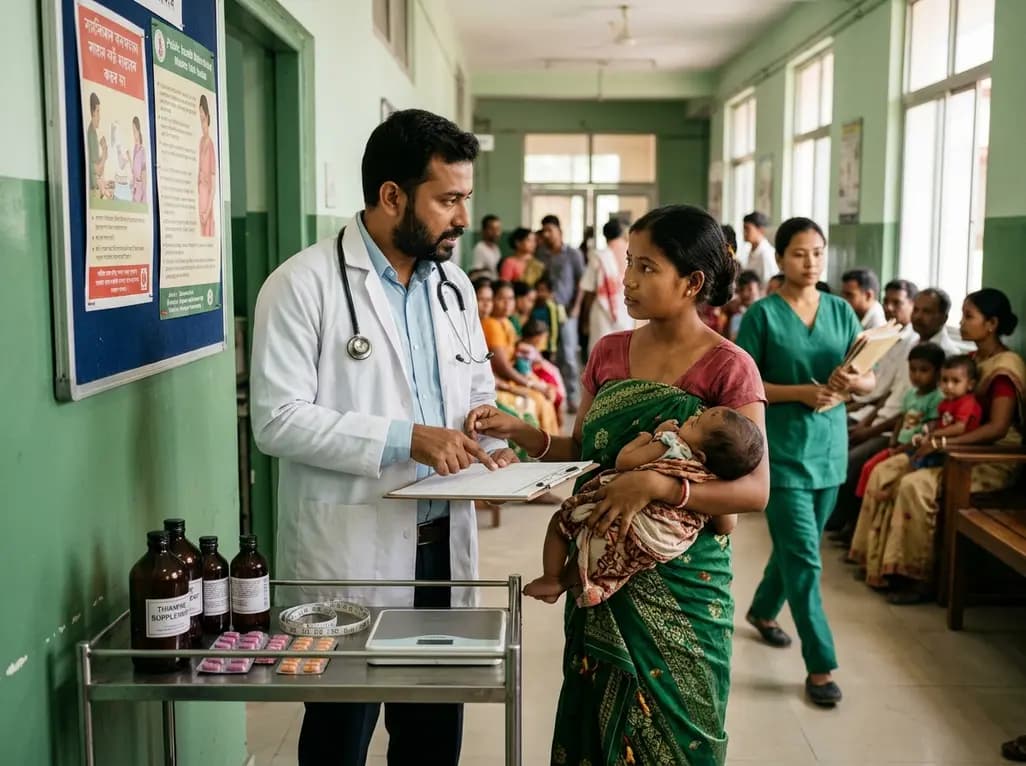
A recent investigation by the ICMR-National Institute of Nutrition highlights widespread vitamin B1 insufficiency across vulnerable maternal populations. Unbalanced rice-heavy diets and specific culinary habits drive this hidden deficiency, demanding targeted screening and renewed micronutrient supplementation.
Today
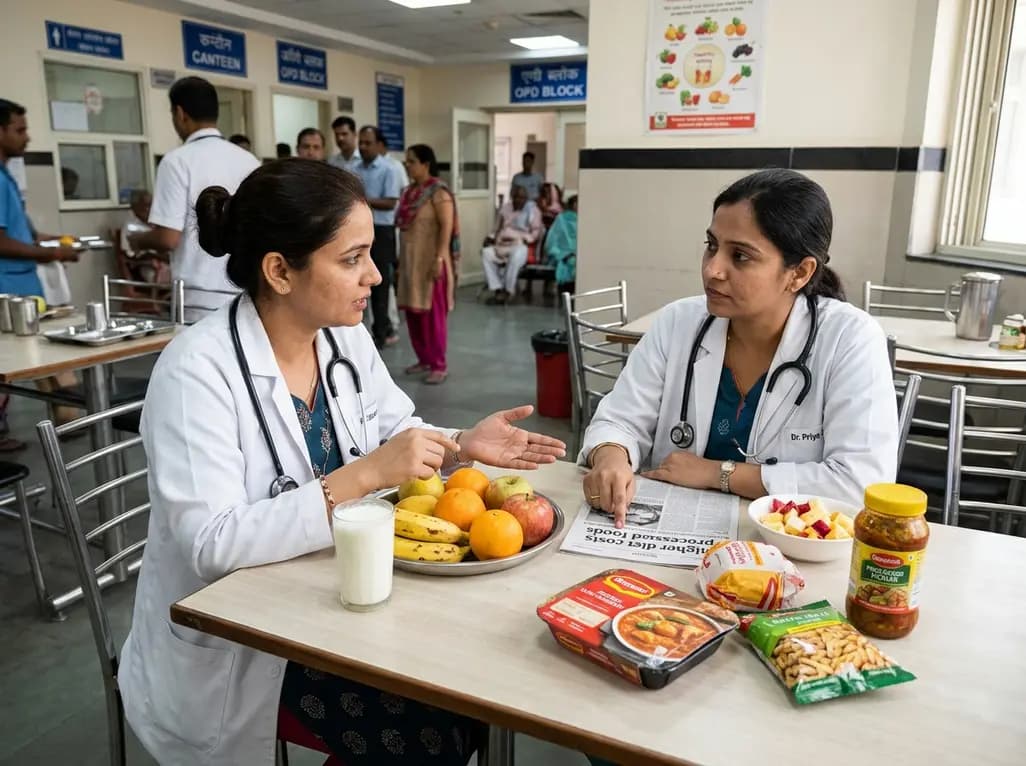
A Canadian nutrition study reveals that higher diet costs predict lower dietary energy density and higher fruit intake, but also increase sodium and processed meat consumption.
Today
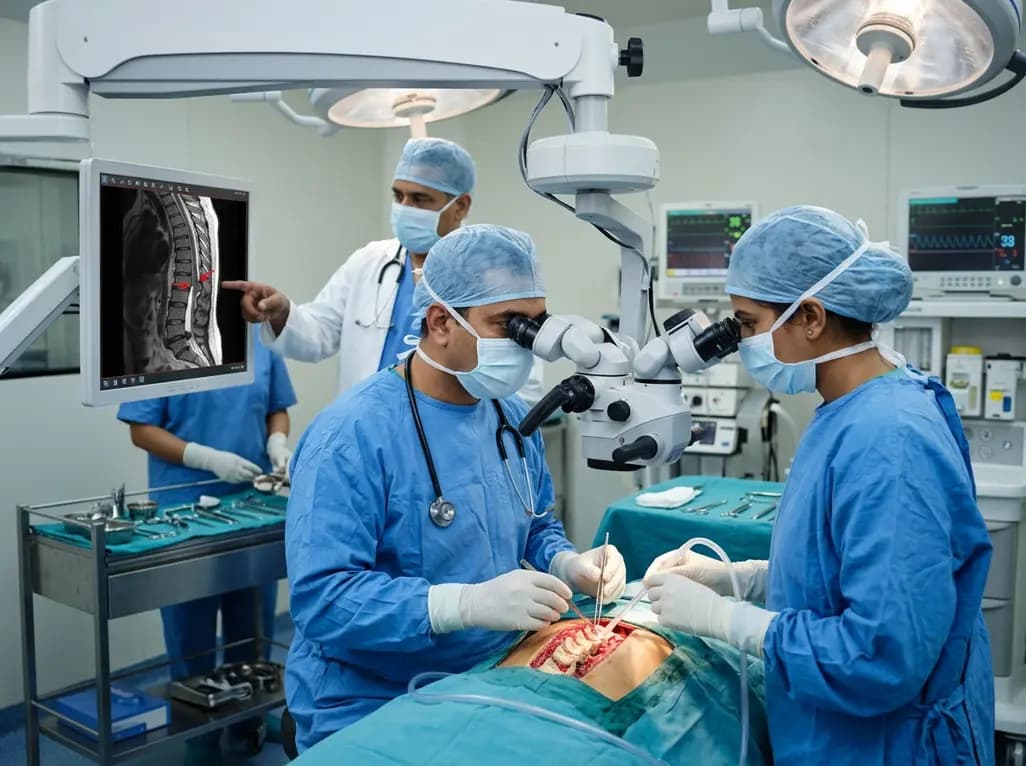
Idiopathic spinal cord herniation is a rare pathology presenting with progressive thoracic myelopathy. Early MRI identification and meticulous microsurgical reduction with dual bolstered dural defect repair prevent irreversible neurological deterioration.
Today
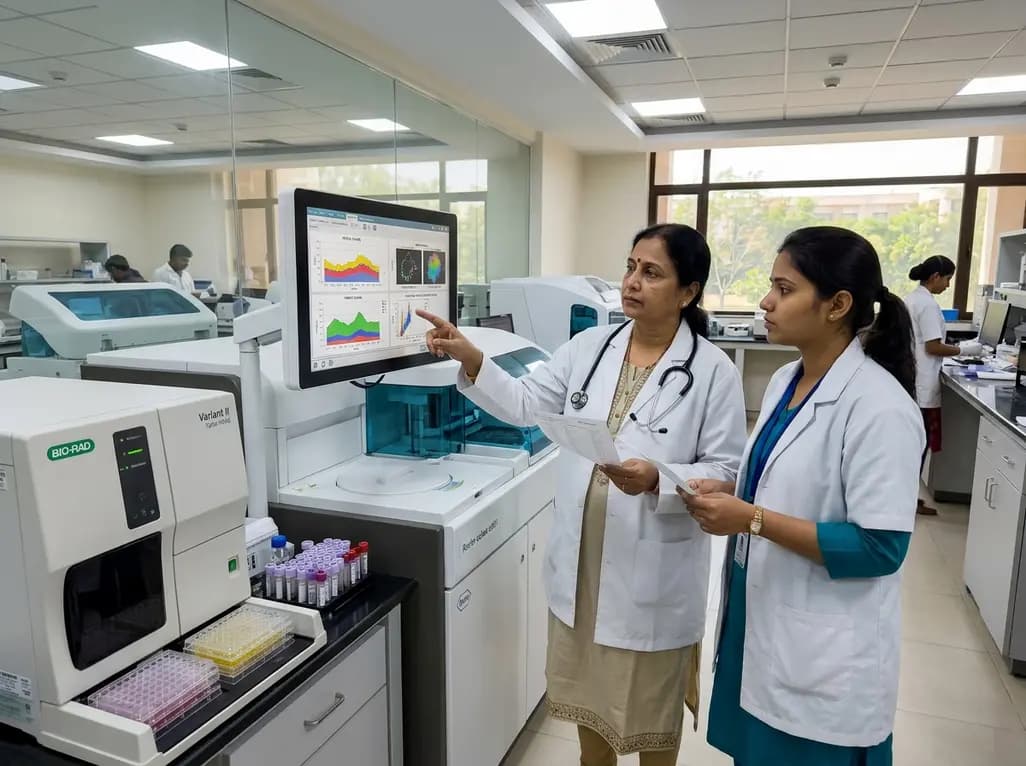
AIIMS Bhubaneswar has established three upgraded laboratories under its biochemistry department. These facilities introduce specialized antenatal panels, newborn screening for rare metabolic disorders, automated immunology platforms, and high-throughput HPLC HbA1c testing to enhance healthcare delivery across Odisha.
Today
