.webp&w=384&q=75)

Loading, please wait...
Loading, please wait...

Death anxiety in seniors represents a significant psychological challenge that stems from the intersection of aging, chronic illness, and a heightened awareness of mortality. A groundbreaking bibliometric study by Atilgan E and colleagues recently mapped the research landscape of this field from 1990 to 2025. After analyzing 577 documents from major scientific databases, the researchers observed a steady increase in scholarly interest. Notably, research output surged significantly after 2012 and during the global COVID-19 pandemic. This growth highlights the urgent need for clinicians to address existential concerns within geriatric mental health practice.
The study identifies the United States, Iran, China, Israel, and Türkiye as the primary contributors to the literature. Furthermore, journals such as Omega-Journal of Death and Dying and Death Studies emerged as the most productive platforms for these discussions. Consequently, the field has matured into a robust area of inquiry. Researchers now focus on a wide array of factors, including spiritual well-being, life satisfaction, and social support. These elements often act as critical buffers against the distress associated with aging and mortality.
Keyword and thematic analyses reveal that while the field is established, it continues to evolve. Specifically, scholars are now exploring emerging themes such as ageism, loneliness, and end-of-life care quality. Moreover, there is a strong correlation between death anxiety and other psychological conditions, including depression and post-traumatic stress disorder. Identifying death anxiety in seniors early can therefore lead to more effective interventions. Psychosocial therapies, such as logotherapy and cognitive-behavioral therapy, show great promise in mitigating these fears and enhancing the overall quality of life for older patients.
As India’s geriatric population continues to expand, addressing existential distress becomes vital for holistic care. Additionally, the recent pandemic underscored the vulnerability of older adults to death-related fears. Therefore, integrating psychological screening into routine geriatric assessments could significantly improve mental health outcomes. Clinicians should pay close attention to the protective roles of religiosity and meaning in life, which remain culturally relevant in the Indian context. Ultimately, understanding these global trends helps healthcare providers develop more empathetic and targeted support systems.
Common contributors include chronic illness, loneliness, and a lack of social support. Additionally, lower levels of ego integrity and spiritual well-being are strongly associated with higher mortality-related distress.
The pandemic acted as a catalyst for new studies, as it increased the visibility of mortality among vulnerable populations. Consequently, many recent publications focus on the intersection of pandemic-related isolation and existential anxiety.
Disclaimer: This content is for informational and educational purposes only. It does not constitute medical advice or establish a doctor-patient relationship. Always seek the advice of a qualified healthcare provider for any medical concerns. Refer to the latest local and national guidelines for clinical practice.
References
Atilgan E et al. Death anxiety among older adults: A comprehensive bibliometric analysis. Death Stud. 2026 Mar 27. doi: 10.1080/07481187.2026.2649288. PMID: 41896095.
Bala R, Maheshwari SK. Death Anxiety and Death Depression among Elderly. Int J Psychiatr Nurs. 2019;5(1):55-59.
Younes RS, et al. Exploring Death Anxiety Among Older Adults: An Integrative Review of Associated Factors and Interventions. Omega (Westport). 2024 Aug 7. doi: 10.1177/00302228241272578.

Read summarized clinical updates, watch expert medical content, and earn CME certifications right from your smartphone.
Open your smartphone camera to scan and install.





A comprehensive bibliometric analysis from 1990 to 2025 highlights the growing focus on death anxiety in seniors and its impact on mental health and aging....
5 months ago
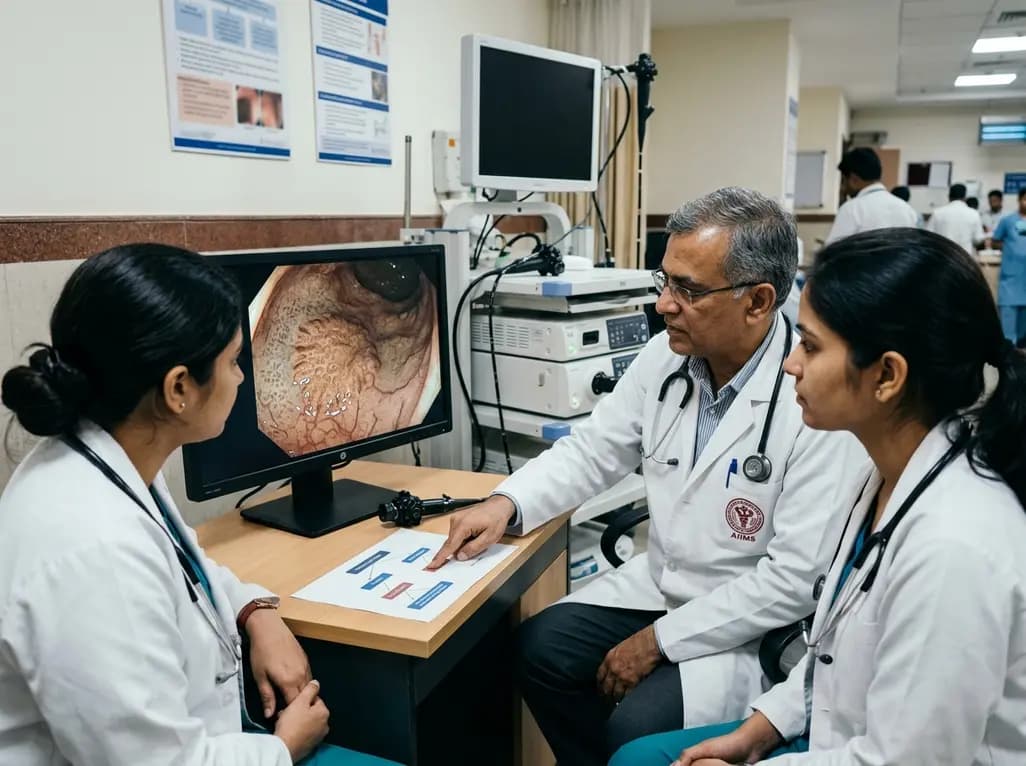
A post hoc decision tree analysis examined JNET Type 1 classification of serrated colorectal lesions. Experts prioritized ruling out anti-Type 1 features with low diagnostic entropy, whereas non-experts relied on mucosal spot patterns, highlighting key training targets for magnifying narrow-band imaging.
Today

New evidence evaluates MoUNets, a static-weighted ensemble of UNet experts for automated levator hiatus segmentation in pelvic floor ultrasound. Learn how deep learning architectures perform in pelvic organ prolapse diagnostics and clinical practice.
Today

Mitochondrial deubiquitinases regulate organelle turnover by editing ubiquitin tags on damaged mitochondria. Discover how targeting these enzymes, notably USP30, offers therapeutic strategies for neurodegenerative, cardiovascular, and metabolic disorders.
Today

Investigating the influence of walking speed on mechanosensitive joint biomarkers reveals how gait velocity modulates COMP, MMP-3, IL-6, and lubricin kinetics. These findings provide vital physiological insights for orthopedics and sports medicine to personalize exercise prescriptions and preserve joint health.
Today
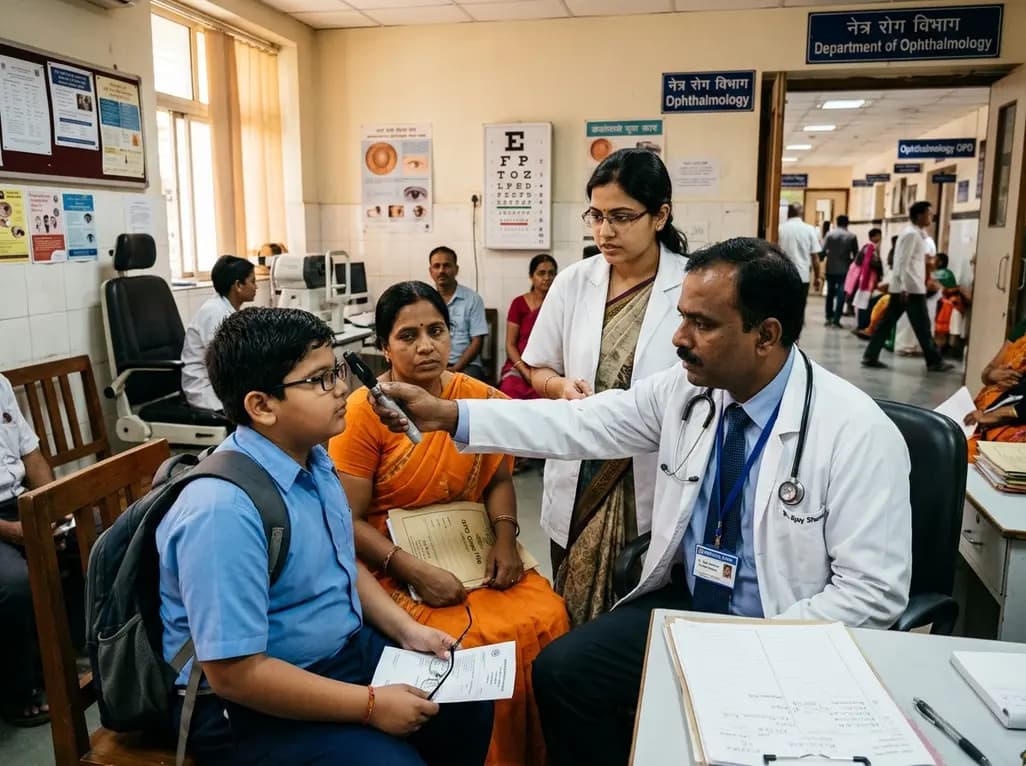
A cross-sectional study reveals that elevated METS-IR is independently associated with higher myopia odds in adolescents, showing biological synergy with obesity and highlighting the need for metabolic screening in pediatric eye care.
Today
