.webp&w=384&q=75)

Loading, please wait...
Loading, please wait...

Tremor represents one of the most debilitating and socially isolating symptoms for individuals living with multiple sclerosis (MS). While clinicians primarily focus on managing disease progression with disease-modifying therapies, symptomatic control often remains a secondary but critical challenge. Specifically, MS-associated tremors frequently resist conventional pharmacological interventions, leaving many patients with significant functional impairment. Consequently, neuromodulation techniques such as deep brain stimulation (DBS) have gained prominence as viable therapeutic alternatives. This article explores the clinical utility of Thalamic ventral-intermediate-nucleus (VIM) DBS for MS tremor, focusing on long-term outcomes and the necessity of precise patient selection to ensure surgical success. Furthermore, recent data suggests that carefully selected cohorts can achieve sustained relief for over five years. Therefore, neurologists and neurosurgeons must collaborate to identify patients who will benefit most from this advanced intervention. By targeting specific oscillatory networks in the thalamus, clinicians can effectively disrupt the abnormal signaling responsible for kinetic and postural tremors. However, the heterogeneous nature of multiple sclerosis requires a highly individualized approach to surgical candidacy. Modern neurosurgical centers in India are increasingly adopting these protocols to improve the quality of life for MS patients. Ultimately, the integration of DBS into the standard MS care pathway offers new hope for those suffering from refractory movement disorders.
Success in neuromodulation is inherently tied to the quality of the preoperative screening process. Researchers emphasize that not every patient with MS-related tremor is a suitable candidate for surgical intervention. Specifically, the clinical team must differentiate between pure tremor and cerebellar ataxia. Notably, patients presenting with prominent cerebellar symptoms, such as significant ataxia or dysmetria, often experience poorer outcomes following stimulation. Furthermore, intracranial pathology plays a decisive role in exclusion. Candidates with significant ventriculomegaly, extensive cerebellar plaques, or visible thalamic abnormalities on MRI are generally not selected for the procedure. Additionally, comorbid psychiatric symptoms must be stabilized before surgery, as the stress of chronic illness and surgical recovery can exacerbate underlying mental health conditions. Consequently, the selection process involves a multi-disciplinary team, including neurologists, neurosurgeons, and psychiatrists. This thorough assessment ensures that the tremor originates from pathways that the VIM stimulator can effectively modulate. Moreover, evaluating the patient's suitability for anesthesia is paramount, given the potential for MS-related respiratory or cardiac autonomic dysfunction. Therefore, a successful outcome begins long before the first incision. By adhering to these strict exclusion criteria, surgical teams can significantly improve the predictability of postoperative results. This targeted approach minimizes the risk of worsening gait or balance issues while maximizing the potential for tremor suppression.
The Thalamic Ventral-Intermediate (VIM) nucleus serves as a critical relay station within the motor control circuit, making it a prime target for DBS for MS tremor. Specifically, this nucleus receives heavy input from the cerebellum and projects to the motor cortex. In multiple sclerosis, demyelinating lesions disrupt these cerebellothalamocortical pathways, leading to the characteristic high-amplitude kinetic tremors. Furthermore, high-frequency electrical stimulation of the VIM nucleus effectively inhibits or overrides these abnormal oscillatory signals. This mechanism allows the brain to regain smoother motor control, particularly during purposeful movements or when maintaining specific postures. Additionally, surgeons often use microelectrode recording during the procedure to pinpoint the exact location of tremor-responsive cells. This intraoperative monitoring ensures the highest precision in electrode placement, which is vital for minimizing side effects like dysarthria or paresthesia. Moreover, the reversibility of DBS remains a significant advantage over permanent lesioning procedures like thalamotomy. If the patient develops new MS lesions that change the clinical picture, the stimulation parameters can be adjusted accordingly. Consequently, the VIM target remains the gold standard for tremor-predominant MS phenotypes. Therefore, understanding the neurophysiology of this region is essential for any clinician involved in movement disorder management. Modern advancements in directional leads and sensing technology continue to refine our ability to target the VIM nucleus with unprecedented accuracy.
Longitudinal data provides the most compelling evidence for the durability of surgical neuromodulation in progressive diseases. In a recent study following patients for a mean of 26.6 months, all participants showed measurable improvement in Fahn-Tolosa-Marin (FTM) tremor scores. Specifically, some patients experienced a reduction in tremor severity by as much as 61% at the six-month mark. Furthermore, these benefits were not merely transient; researchers observed sustained relief in their longest-running follow-up case at 72 months. This finding is particularly significant because multiple sclerosis is a progressive condition where symptoms often worsen over time. Consequently, the ability of DBS to maintain its efficacy against a background of ongoing neurodegeneration is remarkable. Additionally, the quantitative nature of the FTM scale allows clinicians to objectively track the suppression of postural, kinetic, and intention tremors. Notably, the study reported no major postoperative surgical complications, suggesting that the procedure is safe when performed by experienced neurosurgical teams. Therefore, for patients who have failed multiple medication trials, the statistical probability of significant tremor reduction is high. Moreover, the stability of these outcomes over several years suggests that the brain does not easily develop tolerance to the stimulation. Resultantly, DBS should be considered an early option for refractory cases rather than a last-resort measure. This shift in perspective could prevent years of unnecessary disability for many patients.
While tremor reduction is the primary clinical endpoint, the true value of any medical intervention lies in its impact on the patient's daily life. Quality of life (QoL) measures, such as the EQ5D, provide a holistic view of the patient's well-being after surgery. Specifically, patients in the studied cohort reported improvements in QoL scores ranging from 30% to 175% postoperatively. Furthermore, reducing tremor allows individuals to regain independence in activities of daily living, such as eating, drinking, and writing. Consequently, the psychological burden of being dependent on caregivers is significantly mitigated. Additionally, the social anxiety associated with public tremors often diminishes, leading to better community reintegration and mental health outcomes. Notably, the correlation between physical tremor suppression and subjective life satisfaction remained strong throughout the follow-up period. Moreover, the sustained nature of these improvements highlights the life-changing potential of successful neuromodulation. Therefore, clinicians must look beyond the physical symptoms and consider the profound functional and emotional benefits of the procedure. For many patients, the restoration of a steady hand translates directly into a restoration of dignity and autonomy. Thus, the assessment of surgical success must always include patient-reported outcomes. Overall, the data reinforces the idea that effective symptom management can transform the lived experience of multiple sclerosis, even if it does not cure the underlying disease.
As the lifespan of individuals with multiple sclerosis increases due to better therapeutic options, the management of long-term symptoms like tremor becomes even more vital. Specifically, the advent of highly effective disease-modifying therapies (DMTs) has changed the natural history of MS, allowing patients to stay in the earlier stages of the disease for longer. Furthermore, this trend highlights the importance of addressing symptoms that interfere with work and social participation. Consequently, DBS for MS tremor should be viewed as a complementary strategy alongside modern DMTs. In the Indian healthcare context, where MS awareness and diagnosis rates are rising, the availability of specialized neurosurgical centers is crucial. Additionally, the findings of this study encourage clinicians to refer patients for surgical evaluation sooner rather than later. Notably, younger patients with shorter disease durations may exhibit better neuroplastic responses to stimulation. Therefore, a proactive approach to tremor management can prevent the secondary complications of chronic immobility and social withdrawal. Moreover, the safety profile of DBS in this population is comparable to its use in Parkinson’s disease, providing further reassurance to both doctors and patients. In conclusion, the integration of careful patient selection with advanced neuromodulation represents a significant step forward in MS care. We must continue to refine our protocols to ensure that every eligible patient has the opportunity to achieve long-term functional recovery.
Rigorous patient selection is the most critical factor for success. Specifically, clinicians must exclude patients with prominent cerebellar ataxia or significant structural brain abnormalities. By focusing on patients with relatively pure tremor pathways, the surgical team can ensure that the electrical stimulation effectively targets the source of the motor dysfunction without worsening balance.
Most patients experience significant and measurable improvements in their tremor scores. Research indicates that many individuals achieve up to a 61% reduction in Fahn-Tolosa-Marin scores within the first six months. Most importantly, these improvements are often sustained for several years, with some documented cases maintaining relief for up to 72 months post-surgery.
Yes, DBS is generally considered safe for MS patients when performed by an experienced team. Clinical studies have reported no major postoperative surgical complications in carefully screened cohorts. However, the procedure remains an off-label use in many regions, so patients must undergo a comprehensive preoperative evaluation to manage any disease-specific risks effectively.
Disclaimer: This content is for informational and educational purposes only and does not constitute medical advice. It is not intended to be a substitute for professional medical advice, diagnosis, or treatment. Always seek the advice of your physician or other qualified health provider with any questions you may have regarding a medical condition. Refer to the latest local and national guidelines for clinical practice.
References
Paranathala MP et al. Patient selection and outcome of deep brain stimulation for multiple sclerosis-associated tremor. Br J Neurosurg. 2025 Aug. doi: 10.1080/02688697.2023.2277284. PMID: 37937771.
Vetkas A, et al. Therapeutic Efficacy and Safety of Deep Brain Stimulation for Multiple Sclerosis Related-Tremor: A Systematic Review and Meta-Analysis. medRxiv. 2026 Mar.
Oliveria FG, et al. Deep brain stimulation may treat multiple sclerosis tremors after all. Journal of Neurology and Neurosurgery. 2017 Aug.
Reich MM, et al. Progressive gait ataxia following deep brain stimulation for essential tremor: adverse effect or lack of efficacy? Acta Neurochir. 2013 Dec.

Read summarized clinical updates, watch expert medical content, and earn CME certifications right from your smartphone.
Open your smartphone camera to scan and install.





A longitudinal study on VIM DBS for MS-associated tremor reveals significant improvement in FTM tremor scores and quality of life over 72 months. The study emphasizes that rigorous patient selection, excluding those with prominent ataxia, is key to successful long-term outcomes in multiple sclerosis care.
2 weeks back
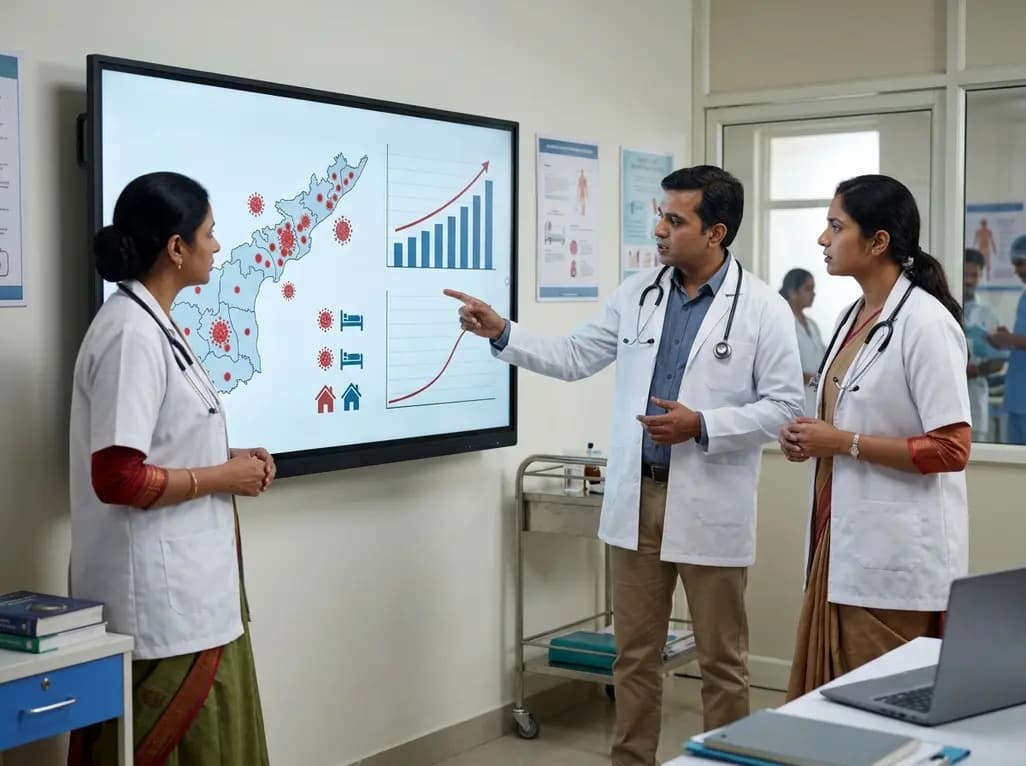
Andhra Pradesh reported 10 new Covid-19 cases, taking the state tally to 49 while deaths remain at four. With 24 patients hospitalized and 16 under home isolation, the Health Department has intensified monitoring. Medical professionals should review regional distribution, diagnostic protocols, and management plans.
Today

An 11-year Swedish registry study of 618 uterine sarcoma patients found that minimally invasive surgery yielded survival comparable to open surgery in early stages. However, adjuvant chemotherapy conferred no survival benefit in localized or advanced disease, highlighting stage and histology as key outcomes.
3 days back

A cross-sectional study evaluates post-intensive care syndrome in cardiac patients 2-4 weeks post-ICU discharge, highlighting cognitive, psychological, and functional impairments and the need for structured multidisciplinary rehabilitation.
3 days back
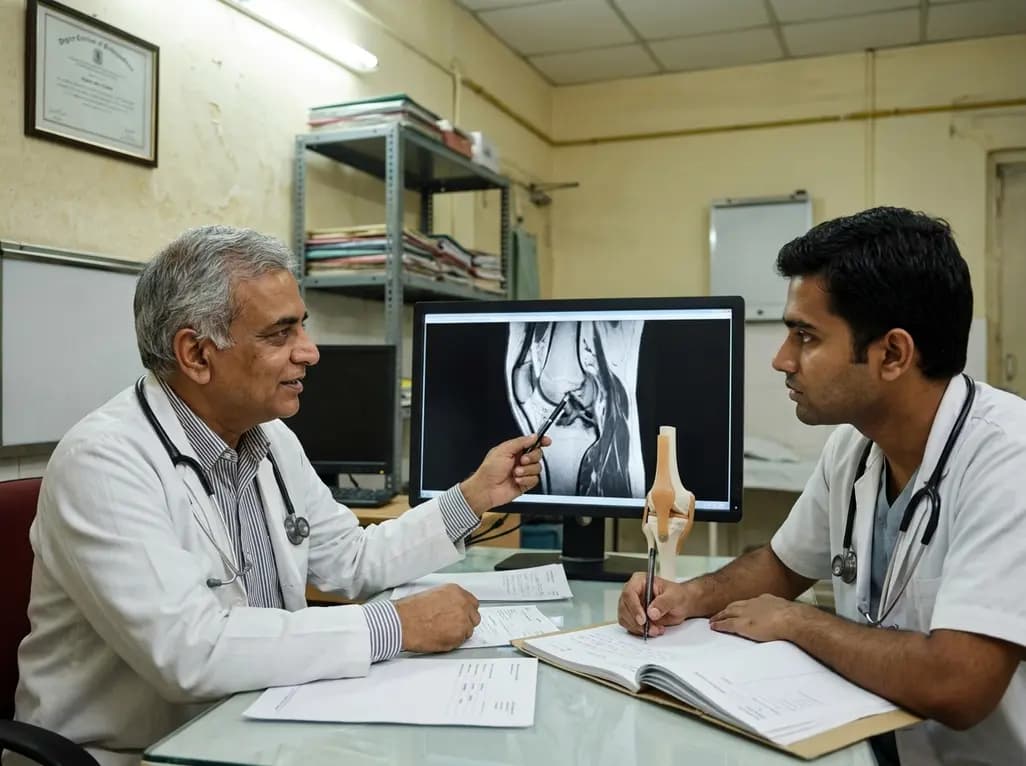
Anterior cruciate ligament reconstruction failure lacks uniform definition. A narrative review proposes an integrative framework incorporating objective and subjective instability, persistent pain, restricted motion, graft rupture, and secondary meniscal injury to standardize clinical reporting.
3 days back

With World Obesity Atlas data warning that over 41 million Indian children are overweight or obese, ICMR and NIN have unveiled a 10-point policy roadmap. The initiative calls for mandatory front-of-pack labeling, HFSS taxes, strict marketing bans, and healthier school environments to curb non-communicable diseases.
Today
