.webp&w=384&q=75)

Loading, please wait...
Loading, please wait...
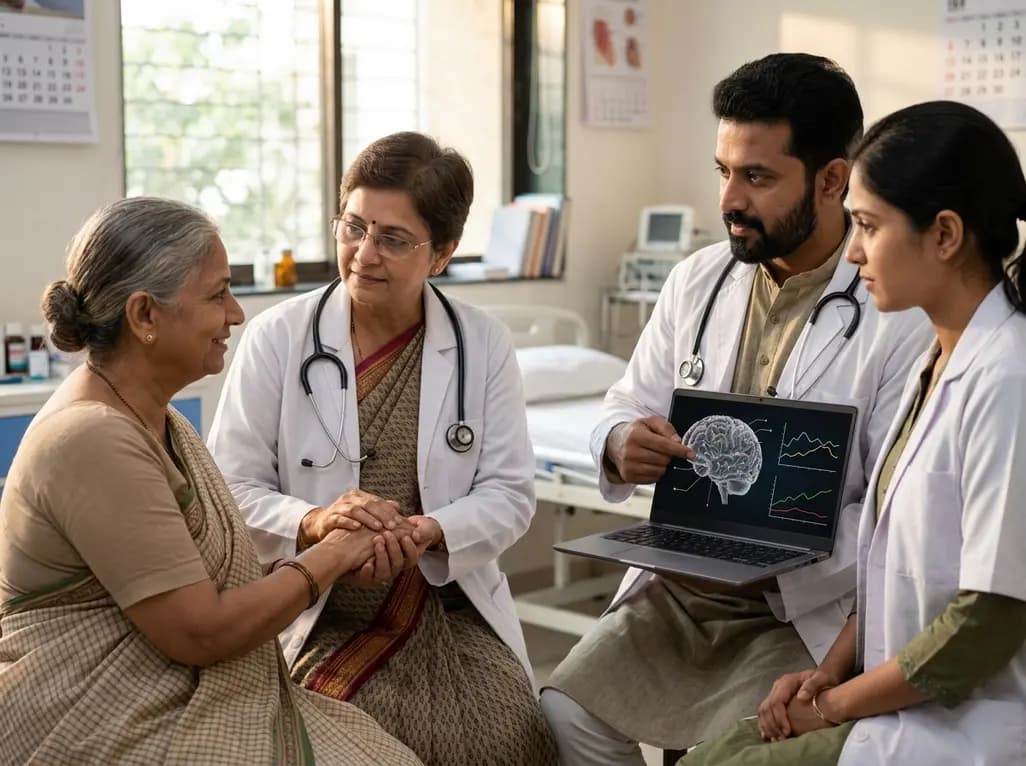
Multiple sclerosis (MS) is a complex autoimmune condition that presents a wide array of neurological challenges, yet few symptoms are as functionally debilitating as tremor. This involuntary movement frequently affects the upper limbs, significantly hindering a patient's ability to perform essential daily tasks like eating, writing, or grooming. When pharmacological interventions fail to provide adequate relief, clinicians must look toward advanced neuromodulation. Consequently, DBS for MS tremor has surfaced as a pivotal surgical intervention, specifically targeting the ventral-intermediate nucleus (VIM) of the thalamus. This procedure aims to disrupt the abnormal oscillatory circuits responsible for the tremor. By understanding the long-term outcomes and the necessity of precise patient selection, medical professionals can better guide their patients through this difficult symptom management journey. Recent clinical evidence suggests that for a specific subset of patients, deep brain stimulation offers a durable solution to a problem that often remains resistant to traditional medication. As we explore the methodology and results of this intervention, it becomes clear that a multidisciplinary approach is vital for success.
Success in neurosurgical interventions for movement disorders is heavily dependent on the rigor of the pre-operative screening process. Not every individual experiencing MS-related tremors is a suitable candidate for deep brain stimulation. Specifically, clinicians must focus on identifying those whose tremor is the primary source of disability, rather than widespread cerebellar dysfunction. Therefore, the exclusion of patients with prominent ataxia or dysmetria is critical, as these symptoms often indicate damage that thalamic stimulation cannot rectify. Furthermore, structural brain abnormalities such as significant ventriculomegaly or existing plaques in the thalamus can complicate lead placement and reduce the procedure's efficacy. Psychiatric stability is another essential pillar of the selection process, ensuring that patients can tolerate the surgical experience and participate in long-term follow-up. By adhering to these strict criteria, the surgical team can isolate those most likely to experience a meaningful reduction in tremor amplitude. This careful vetting process not only improves the safety profile of the procedure but also ensures that patient expectations are aligned with realistic clinical outcomes.
The technical execution of deep brain stimulation involves the precise implantation of electrodes into the thalamic ventral-intermediate nucleus. This anatomical region serves as a major relay station for motor signals, making it an ideal target for suppressing tremor activity. Before the surgery, patients undergo extensive baseline assessments, including tremor quantification using the Fahn-Tolosa-Marin (FTM) scale and quality-of-life evaluations via the EQ5D measure. During the procedure, stereotactic guidance is used to ensure the leads are positioned with sub-millimeter accuracy within the VIM. Once the neurostimulator is active, it delivers high-frequency electrical pulses that modulate the dysfunctional neural pathways. Additionally, the ability to program the device postoperatively allows for personalized therapy, where the stimulation parameters are adjusted to maximize tremor control while avoiding side effects such as dysarthria. This adaptability is particularly beneficial in MS, where the disease course can be unpredictable. By employing such a standardized and high-precision methodology, clinicians can provide a level of symptom control that was previously unattainable through medication alone. The surgical journey requires constant collaboration between the neurologist and the neurosurgeon.
The clinical results of VIM stimulation for MS-associated tremor are often profoundly positive in the short to medium term. Evidence from recent patient cohorts indicates that almost all appropriately selected patients show a marked reduction in tremor scores. In many instances, the FTM tremor scores improved by as much as 61% within the first six months following the surgery. Perhaps more importantly, these objective physical improvements translate into subjective gains in the patient’s life. Quality-of-life scores have shown improvements ranging from 30% to 175%, reflecting a significant restoration of functional independence. Patients who were previously unable to feed themselves or sign their names often regain these abilities, which provides a massive boost to their mental well-being and social engagement. Moreover, the safety profile remains favorable, with many studies reporting no major postoperative surgical complications when strict selection and surgical protocols are followed. These outcomes reinforce the idea that DBS is not merely a last-resort option but a highly effective tool for symptom management. As MS patients live longer, the focus on functional preservation becomes increasingly paramount in clinical practice.
A primary concern with any surgical intervention for a progressive disease like multiple sclerosis is whether the benefits will last. Fortunately, long-term follow-up data provides a reassuring outlook on the durability of DBS. Many patients continue to experience significant tremor suppression for several years after the initial procedure. In some documented cases, these improvements have been sustained for over six years, even as the underlying MS might progress in other ways. This sustainability is crucial because it justifies the initial surgical risk by providing years of improved quality of life. However, maintaining these results requires ongoing care, including regular battery checks and programming refinements to account for any changes in the patient's neurological status. The relative stability of the thalamic motor circuits suggests that even if the disease activity continues elsewhere in the brain, the VIM remains a viable target for neuromodulation. Consequently, long-term monitoring is an essential component of the post-surgical management plan. This continued oversight ensures that the stimulation remains optimized for the patient's current needs, allowing them to maintain their independence for as long as possible.
As the landscape of multiple sclerosis treatment evolves, the integration of surgical options like deep brain stimulation into the standard care pathway is becoming increasingly necessary. While new disease-modifying therapies are excellent at reducing relapse rates, they often do little to address the mechanical disability caused by tremors. Deep brain stimulation fills this therapeutic gap by providing a targeted solution for symptomatic relief. The key to successful outcomes remains meticulous patient selection, ensuring that those who undergo the procedure are those most likely to benefit. For clinicians in India and across the globe, considering DBS earlier in the treatment of refractory MS tremor could significantly alter the trajectory of a patient's life. Future advancements in neuroimaging and lead design will likely further enhance the precision and efficacy of this procedure. Ultimately, the goal of MS care is to maximize the patient’s functional capacity and overall happiness. By utilizing the proven efficacy of VIM DBS, the medical community can offer hope to those who have long suffered from the social and physical isolation of tremors. Continued research and clinical education will ensure this modality reaches those who need it most.
Candidates for DBS must have a disabling, medication-refractory MS-associated tremor. It is essential to exclude patients with significant cerebellar symptoms like ataxia, as these do not typically respond to thalamic stimulation. Patients must also be medically fit for surgery and have no significant thalamic lesions on their pre-operative imaging.
DBS improves quality of life by drastically reducing the amplitude of tremors, allowing patients to regain independence in activities of daily living. Studies show quality-of-life scores can improve by up to 175% postoperatively. This reduction in disability allows for better social integration and reduces the psychological burden of the disease.
When performed by an experienced multidisciplinary team, DBS for MS tremor is generally considered safe. Potential risks include typical surgical complications such as infection or hemorrhage, though these are rare. Some patients may experience stimulation-related side effects like speech changes, which can usually be managed by adjusting the device settings.
Disclaimer: This content is for informational and educational purposes only and does not constitute medical advice. Always seek the advice of a qualified healthcare provider with any questions you may have regarding a medical condition. Refer to the latest local and national guidelines for clinical practice.
References
Paranathala MP et al. Patient selection and outcome of deep brain stimulation for multiple sclerosis-associated tremor. Br J Neurosurg. 2025 Aug. doi: 10.1080/02688697.2023.2277284. PMID: 37937771.
Schlaier JR et al. Deep brain stimulation for MS-associated tremor: Evidence for long-term effectiveness. Movement Disorders Journal. 2021.
Mathias L et al. Neuromodulation in Multiple Sclerosis: A Review of Clinical Efficacy. Journal of Neurology & Neurosurgery. 2022.
"
Read summarized clinical updates, watch expert medical content, and earn CME certifications right from your smartphone.
Open your smartphone camera to scan and install.





This article examines the clinical utility of Deep Brain Stimulation (DBS) for managing disabling MS-associated tremors. It highlights the importance of rigorous patient selection and presents long-term data demonstrating significant improvements in both tremor scores and overall quality of life.
Last week
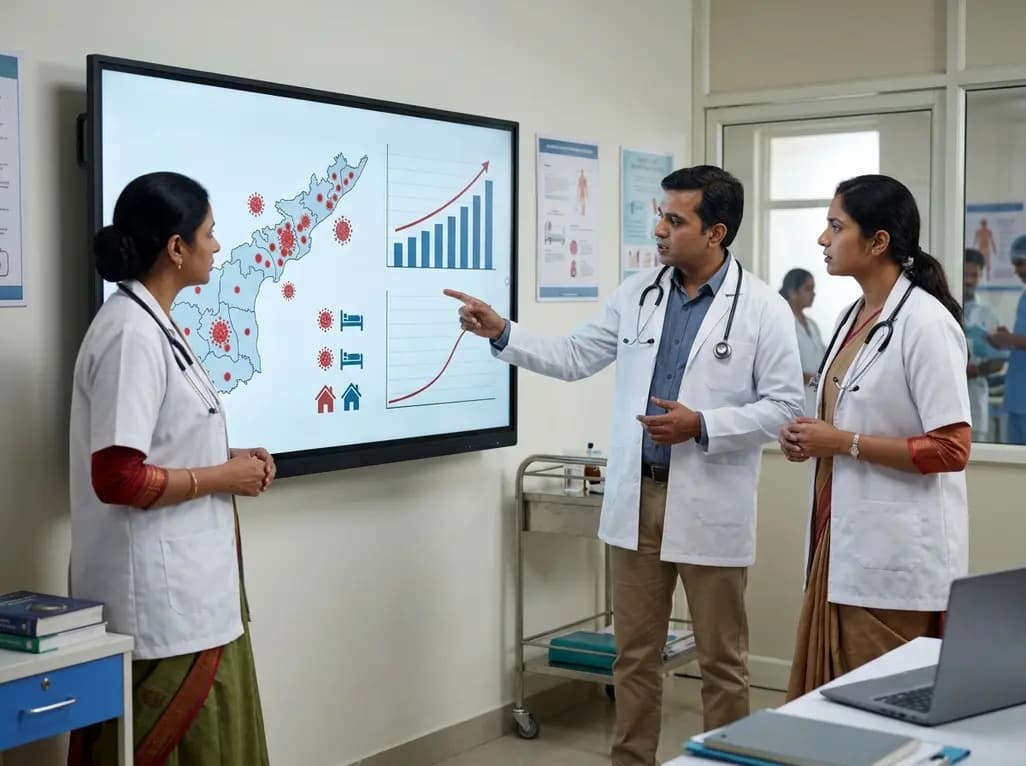
Andhra Pradesh reported 10 new Covid-19 cases, taking the state tally to 49 while deaths remain at four. With 24 patients hospitalized and 16 under home isolation, the Health Department has intensified monitoring. Medical professionals should review regional distribution, diagnostic protocols, and management plans.
Today

An 11-year Swedish registry study of 618 uterine sarcoma patients found that minimally invasive surgery yielded survival comparable to open surgery in early stages. However, adjuvant chemotherapy conferred no survival benefit in localized or advanced disease, highlighting stage and histology as key outcomes.
3 days back
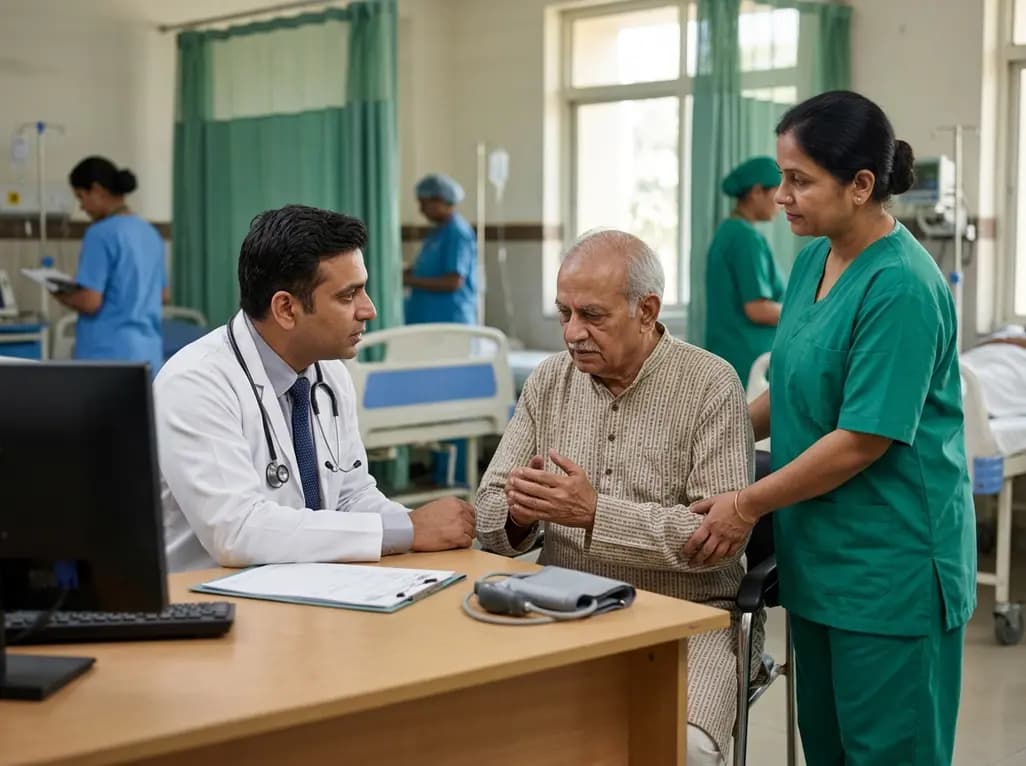
A cross-sectional study evaluates post-intensive care syndrome in cardiac patients 2-4 weeks post-ICU discharge, highlighting cognitive, psychological, and functional impairments and the need for structured multidisciplinary rehabilitation.
3 days back
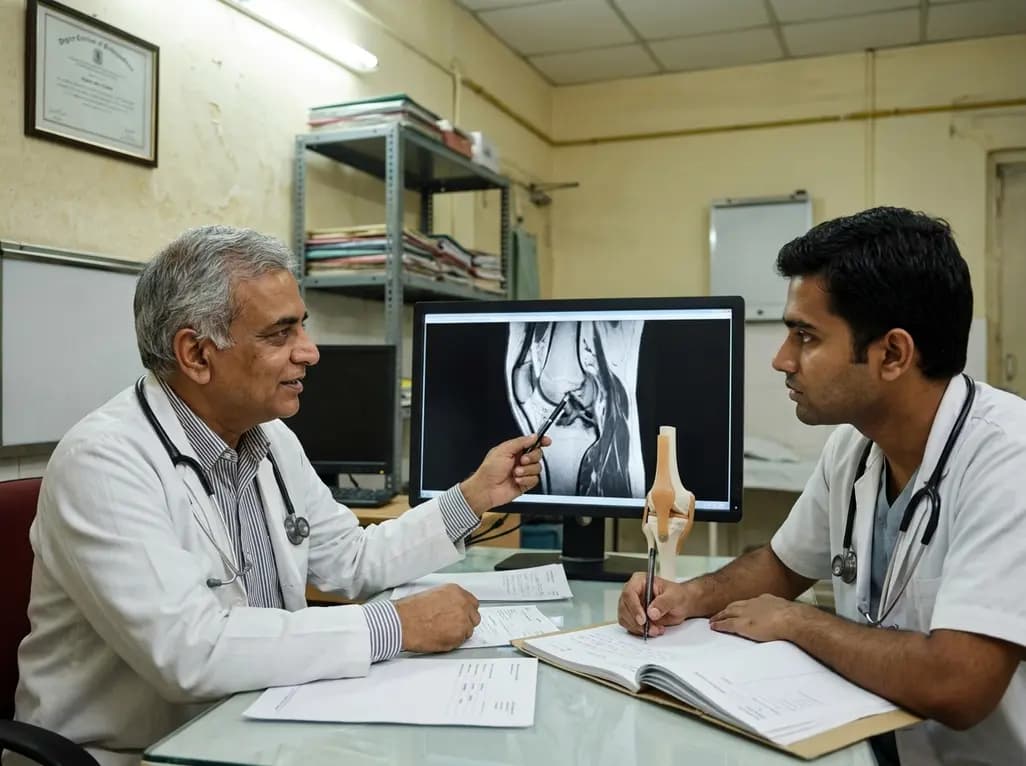
Anterior cruciate ligament reconstruction failure lacks uniform definition. A narrative review proposes an integrative framework incorporating objective and subjective instability, persistent pain, restricted motion, graft rupture, and secondary meniscal injury to standardize clinical reporting.
3 days back

With World Obesity Atlas data warning that over 41 million Indian children are overweight or obese, ICMR and NIN have unveiled a 10-point policy roadmap. The initiative calls for mandatory front-of-pack labeling, HFSS taxes, strict marketing bans, and healthier school environments to curb non-communicable diseases.
Today
