.webp&w=384&q=75)

Loading, please wait...
Loading, please wait...

Tremor represents one of the most debilitating and socially isolating symptoms for individuals living with Multiple Sclerosis (MS). While clinicians primarily focus on managing disease progression with modern disease-modifying therapies, symptomatic control often remains a secondary but critical challenge. Specifically, MS-associated tremors frequently resist conventional pharmacological interventions, leaving many patients with significant functional impairment in daily activities like eating, writing, and dressing. Consequently, neuromodulation techniques such as DBS for MS tremor have gained prominence as viable therapeutic alternatives for those who find no relief through medication. Recent research indicates that when neurologists and neurosurgeons collaborate to identify the right candidates, the results of surgical intervention can be transformative. However, the heterogeneous nature of MS requires a highly individualized approach because not every patient with a tremor will benefit equally from surgical intervention. Therefore, understanding the underlying pathophysiology, which often involves the dentatorubrothalamic tract, becomes essential for selecting the correct neuroanatomical target. This targeted approach ensures that the stimulation effectively disrupts the abnormal oscillatory signaling responsible for kinetic and postural tremors. By addressing these symptoms, clinicians can significantly restore a patient\'s independence and reduce the overall burden of the disease.
The Thalamic Ventral-Intermediate-Nucleus (VIM) serves as the primary target for surgical neuromodulation in various movement disorders. In the context of DBS for MS tremor, the VIM acts as a critical relay station within the motor circuit that often becomes dysfunctional due to demyelinating lesions. Notably, the VIM receives heavy input from the cerebellum, making it a strategic point for modulating the tremors that arise from cerebellar pathway disruptions. Furthermore, the procedure involves the precise implantation of electrodes that deliver high-frequency electrical pulses to these specific brain regions. These pulses effectively inhibit the pathological firing patterns that lead to involuntary shaking. Moreover, modern neuroimaging techniques have improved the accuracy of lead placement, which is paramount for achieving optimal tremor suppression while minimizing side effects. Additionally, clinicians must consider the timing of the intervention, as the study highlighted an average gap of 13 years between the initial MS diagnosis and the surgical procedure. This timeframe suggest that DBS is often reserved for those with stable disease but progressive symptomatic disability. Consequently, the procedure does not aim to cure the underlying MS but focuses entirely on improving motor control and reducing the severity of drug-resistant tremors.
Success in surgical neuromodulation depends heavily on identifying the appropriate candidate profile through a meticulous screening process. Specifically, clinicians must apply strict exclusion criteria to ensure that the surgical intervention yields the desired therapeutic outcomes. For instance, researchers in recent clinical evaluations emphasized the exclusion of patients presenting with prominent cerebellar symptoms such as ataxia and dysmetria. Because these symptoms often reflect broader neurological damage that VIM stimulation cannot easily correct, their presence usually predicts a poorer surgical outcome. Furthermore, candidates with significant intracranial pathology, such as ventriculomegaly or existing cerebellar plaques and thalamic abnormalities, are generally not selected for DBS for MS tremor. These structural changes can interfere with lead placement and the consistent delivery of electrical current. In addition to physical symptoms, the evaluation must include a thorough psychiatric assessment to rule out comorbid symptoms that might complicate postoperative recovery. Accordingly, the pre-operative phase requires a multidisciplinary team to perform tremor quantification using standardized scales like the Fahn-Tolosa-Marin scores. This baseline data is essential for measuring the efficacy of the stimulation postoperatively. By adhering to these rigorous standards, neurosurgical centers can maintain high safety profiles and ensure that the benefits of the procedure outweigh the inherent risks of intracranial surgery.
The clinical efficacy of deep brain stimulation for MS-associated tremor is measured by its ability to provide sustained relief over several years. Notably, all patients in the studied cohort demonstrated significant improvement in their Fahn-Tolosa-Marin tremor scores shortly after the procedure. Specifically, some patients experienced a reduction in tremor severity by up to 61% at the six-month mark. This level of improvement often translates directly into a regained ability to perform fine motor tasks that were previously impossible. Moreover, these benefits were not fleeting; the data showed that the improvements remained stable over a mean follow-up period of over 26 months. Most impressively, the longest follow-up recorded sustained benefits for up to 72 months, indicating that the effect of neuromodulation can persist even as the underlying disease evolves. Furthermore, the safety of the procedure was highlighted by the absence of postoperative surgical complications in the carefully selected group. This lack of complications underscores the importance of pre-operative anesthesia suitability assessments and precise surgical technique. Therefore, while the procedure is invasive, the potential for long-term stabilization of a disabling symptom makes it a highly efficacious option. Consequently, clinicians should view DBS as a durable intervention rather than a short-term fix for refractory movement disorders.
Beyond the objective measurement of tremor scores, the ultimate goal of DBS for MS tremor is the enhancement of the patient\'s overall quality of life. The study utilized the EQ5D measure to quantify these changes, revealing a remarkable improvement ranging from 30% to 175% at six months postoperatively. Such a wide range of improvement suggests that for some patients, the psychological and functional impact of the surgery is profound. Specifically, the reduction in tremor allows for better social integration and reduces the embarrassment often associated with visible involuntary movements. Furthermore, the sustained nature of these quality-of-life gains aligns with the long-term stabilization of physical symptoms. However, it is important to communicate to patients that while the tremor improves, the procedure does not halt the progression of other MS symptoms like cognitive decline or muscle weakness. Nevertheless, the ability to feed oneself or interact socially without severe shaking provides a significant boost to mental health and daily independence. Moreover, as patients with MS live longer due to better disease-modifying therapies, managing these chronic symptoms becomes increasingly vital for long-term health maintenance. Therefore, the integration of patient-reported outcome measures into the clinical pathway ensures that the surgical success is viewed through the lens of the patient\'s lived experience. Ultimately, the high levels of patient satisfaction reported in follow-ups reinforce the value of this intervention in the comprehensive management of multiple sclerosis.
The landscape of multiple sclerosis treatment is rapidly evolving, and neuromodulation must adapt to these changes. As we look toward the future, the refinement of DBS for MS tremor will likely involve even more personalized stimulation parameters. For instance, the advent of directional leads and sensing technology allows for real-time adjustments of the electrical field based on the patient\'s brain activity. Furthermore, researchers are exploring alternative targets such as the posterior subthalamic area or the dentato-rubro-thalamic tract to see if they offer superior control for different types of tremors. Additionally, the role of multidisciplinary collaboration between neurologists and neurosurgeons will only grow in importance as surgical techniques become more sophisticated. In India, where the burden of MS is increasingly recognized, the adoption of these advanced protocols at specialized centers is a positive step toward improving patient care. Moreover, future studies should focus on larger cohorts to further validate these selection criteria and explore the cost-effectiveness of early intervention. Consequently, as long-term data continues to accumulate, DBS will likely move from being an off-label or last-resort option to a standard component of the MS care pathway for selected patients. By staying informed of these advancements, clinicians can provide their patients with the most current and effective treatment strategies available.
The ideal candidate is a patient with stable Multiple Sclerosis who suffers from severe, medication-refractory tremors. Clinicians must ensure the absence of significant cerebellar ataxia or dysmetria. Furthermore, imaging should rule out ventriculomegaly or thalamic plaques, as these structural issues can significantly hinder the success of the stimulation procedure.
Clinical studies show that patients often achieve up to a 61% improvement in tremor scores within six months. This reduction is measured using the Fahn-Tolosa-Marin scale and typically results in substantial functional gains. Notably, these improvements are frequently sustained for several years, with some cases showing benefit for over 72 months.
No, DBS is specifically indicated for the management of tremors and does not treat other MS symptoms like spasticity, pain, or cognitive dysfunction. It also does not alter the underlying disease progression. Therefore, it should be considered a symptomatic treatment designed specifically to improve motor control and overall quality of life.
Disclaimer: This content is for informational and educational purposes only and does not constitute medical advice. Always seek the advice of a physician or other qualified health provider with any questions regarding a medical condition. Refer to the latest local and national guidelines for clinical practice.
References
Paranathala MP et al. Patient selection and outcome of deep brain stimulation for multiple sclerosis-associated tremor. Br J Neurosurg. 2025 Aug. doi: 10.1080/02688697.2023.2277284. PMID: 37937771.
Aghajanian A et al. Therapeutic Efficacy and Safety of Deep Brain Stimulation for Multiple Sclerosis Related-Tremor: A Systematic Review and Meta-Analysis. medRxiv. 2024.
Zhang Z et al. The application of deep brain stimulation on multiple sclerosis tremor. Dove Medical Press. 2023.
"
Read summarized clinical updates, watch expert medical content, and earn CME certifications right from your smartphone.
Open your smartphone camera to scan and install.





Deep brain stimulation (DBS) offers a promising avenue for managing refractory MS-associated tremor. Recent evidence suggests that with meticulous patient selection—excluding those with significant ataxia or imaging abnormalities—VIM DBS can achieve sustained tremor reduction and quality-of-life improvements.
2 weeks back
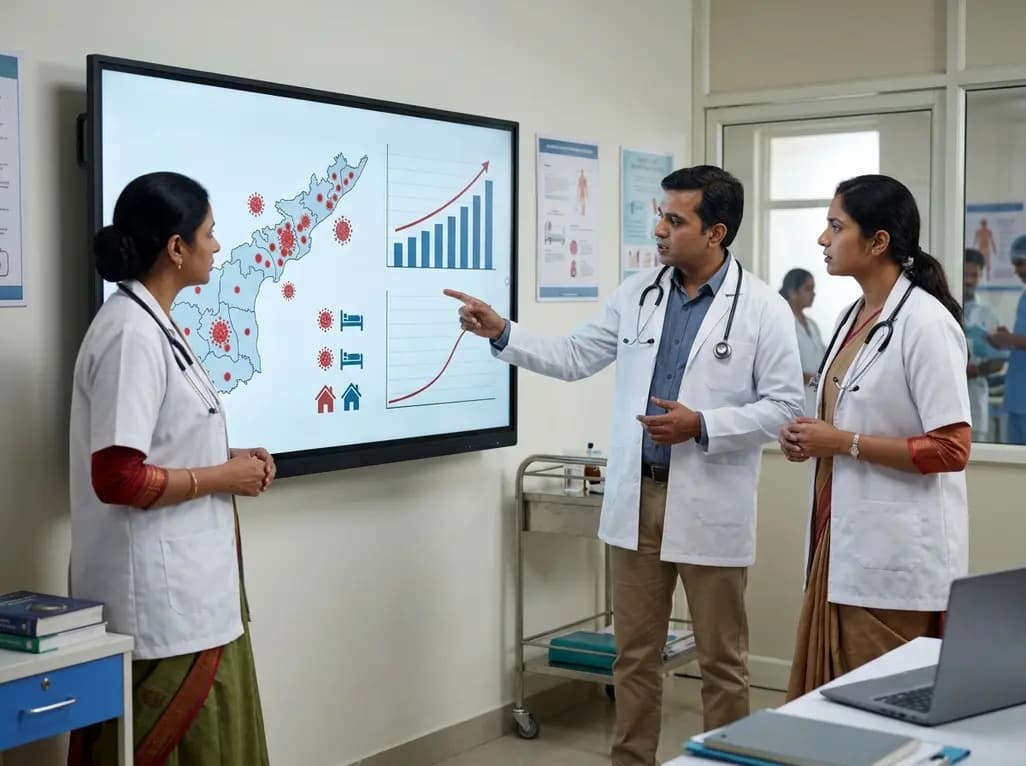
Andhra Pradesh reported 10 new Covid-19 cases, taking the state tally to 49 while deaths remain at four. With 24 patients hospitalized and 16 under home isolation, the Health Department has intensified monitoring. Medical professionals should review regional distribution, diagnostic protocols, and management plans.
Today

An 11-year Swedish registry study of 618 uterine sarcoma patients found that minimally invasive surgery yielded survival comparable to open surgery in early stages. However, adjuvant chemotherapy conferred no survival benefit in localized or advanced disease, highlighting stage and histology as key outcomes.
3 days back

A cross-sectional study evaluates post-intensive care syndrome in cardiac patients 2-4 weeks post-ICU discharge, highlighting cognitive, psychological, and functional impairments and the need for structured multidisciplinary rehabilitation.
3 days back
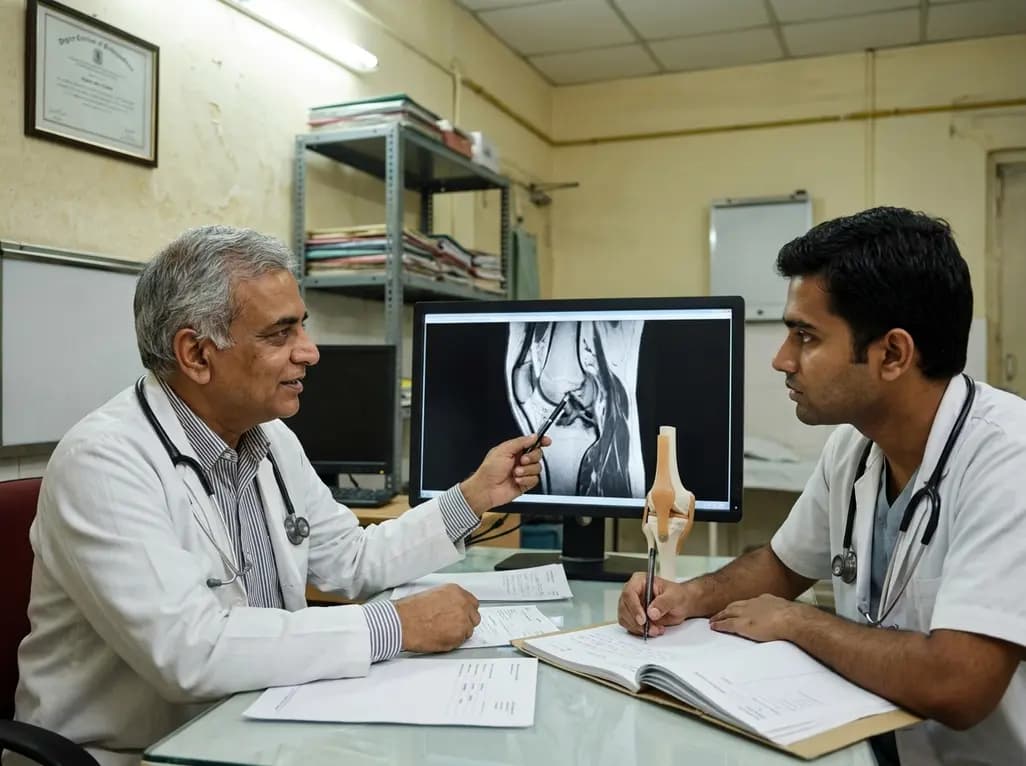
Anterior cruciate ligament reconstruction failure lacks uniform definition. A narrative review proposes an integrative framework incorporating objective and subjective instability, persistent pain, restricted motion, graft rupture, and secondary meniscal injury to standardize clinical reporting.
3 days back

With World Obesity Atlas data warning that over 41 million Indian children are overweight or obese, ICMR and NIN have unveiled a 10-point policy roadmap. The initiative calls for mandatory front-of-pack labeling, HFSS taxes, strict marketing bans, and healthier school environments to curb non-communicable diseases.
Today
