.webp&w=384&q=75)

Loading, please wait...
Loading, please wait...

Multiple sclerosis (MS) presents a variety of debilitating symptoms, but few are as socially and functionally isolating as MS-associated tremor. For many patients, conventional medical therapies provide insufficient relief. Consequently, neurosurgical interventions like DBS for MS tremor targeting the thalamic ventral-intermediate-nucleus (VIM) have emerged as a beacon of hope. Specifically, this method of neuromodulation offers a sophisticated approach to suppressing involuntary movements that interfere with daily life. This intervention requires a meticulous approach to candidate identification to ensure long-term success. Recent evidence suggests that when clinicians select patients with extreme care, the surgical outcomes are not only positive but also sustainable over several years. Although MS is a progressive disease, the stabilization of specific motor pathways through electrical stimulation can significantly restore autonomy. Therefore, understanding the nuances of patient selection and the resulting clinical outcomes is essential for neurologists and surgeons alike. By integrating these advanced techniques into the standard care pathway, the medical community can offer more than just symptomatic management; they can provide a transformative enhancement to the patient's functional capacity and overall well-being.
Identifying the right candidates for DBS for MS tremor is perhaps the most critical step in the surgical pipeline. The primary objective is to differentiate between tremors that will respond to thalamic stimulation and those confounded by complex cerebellar signs. For instance, clinicians should exclude patients displaying prominent cerebellar symptoms, such as ataxia or dysmetria. These signs often indicate broader cerebellar involvement that deep brain stimulation might not effectively alleviate. Furthermore, intracranial pathologies such as ventriculomegaly or significant cerebellar plaques can impede electrode placement and overall efficacy. Psychiatric stability is another vital pillar of the selection process. Patients with comorbid psychiatric symptoms may struggle with postoperative management or hold unrealistic expectations regarding the outcome. Therefore, a multidisciplinary team must perform comprehensive pre-operative assessments. These evaluations should include anesthesia suitability, objective tremor quantification using Fahn-Tolosa-Marin (FTM) scores, and quality-of-life measures like the EQ5D. By filtering for these specific parameters, surgeons can optimize the therapeutic window for neuromodulation. Ultimately, this rigorous screening process ensures that the tremor is primarily originating from pathways that the stimulator can effectively disrupt, leading to superior clinical results and fewer postoperative complications.
The surgical procedure for managing refractory tremors involves the precise placement of electrodes into the ventral intermediate nucleus of the thalamus. This specific nucleus serves as a key relay point in the cerebello-thalamo-cortical circuit, which is frequently implicated in the generation of MS-associated tremors. During the procedure, surgical teams often utilize advanced neuroimaging and microelectrode recording to map the thalamic architecture with high precision. This ensures that the leads are positioned to maximize tremor suppression while minimizing potential side effects like paresthesia or dysarthria. Furthermore, the timing of the surgery within the disease course is a subject of ongoing clinical discussion. Notably, most successful cases involve patients who have lived with multiple sclerosis for over a decade. This duration allows the disease profile to stabilize, ensuring that the tremor is a primary functional focus rather than a transient inflammatory symptom. Additionally, modern neurosurgical techniques have significantly reduced the risks associated with lead placement in the thalamus. Consequently, the procedure has become a reliable option for patients who have failed pharmacological management. Specifically, the ability to adjust stimulation parameters postoperatively allows for a personalized approach that accommodates the evolving needs of each individual patient.
Results from longitudinal clinical studies provide compelling evidence for the efficacy of VIM deep brain stimulation. For example, many patients experience a dramatic improvement in their FTM tremor scores by over 60% within the first six months postoperatively. This reduction in tremor amplitude translates directly into tangible functional gains. Specifically, patients often regain the ability to perform basic activities of daily living, such as feeding themselves, dressing, or writing. Moreover, the impact on overall quality of life is profound and measurable. Scores on standardized instruments like the EQ5D can improve by 30% to 175% following the procedure. Notably, these gains are not merely transient or short-lived. Evidence shows that tremor suppression remains stable for several years, even in the context of a progressive neurological condition. Specifically, follow-up data has recorded successful outcomes extending up to 72 months. This longevity is crucial for MS patients, who face a chronic and often unpredictable disease course. Consequently, the procedure offers more than just temporary symptomatic relief; it provides a lasting enhancement to their functional independence. Furthermore, the high rate of patient satisfaction highlights the success of this intervention when the appropriate candidates are selected.
Safety remains a paramount concern for any invasive neurosurgical procedure, especially in a population with a neurodegenerative condition. Fortunately, when strict selection criteria are followed, the complication rate for DBS remains remarkably low. Specifically, many cohorts have reported zero postoperative surgical complications, such as hemorrhages or infections. This high safety profile is a testament to the refinement of modern neurosurgical techniques and the importance of thorough preoperative screening. Furthermore, the sustained efficacy observed in long-term follow-ups suggests that the brain does not easily develop tolerance to the stimulation in MS-related cases. However, clinicians must continue to monitor patients for any disease progression that might affect overall function. While DBS effectively manages the tremor, it does not halt the underlying pathophysiology of multiple sclerosis. Therefore, patients must continue their primary disease-modifying therapies to manage other aspects of the condition. This dual approach—managing the underlying inflammation while surgically addressing the movement disorder—represents the current gold standard in MS care. It ensures that the benefits of neuromodulation are maximized within the broader context of the patient's health trajectory. Additionally, regular battery checks and parameter adjustments are necessary to maintain optimal stimulation over the years.
As we look to the future, the integration of new technologies and improved surgical protocols will likely expand the role of neuromodulation for MS patients. The advent of directional leads and sensing-enabled pulse generators allows for more personalized and adaptive stimulation patterns. These technologies can theoretically adjust the output based on the patient's specific tremor intensity throughout the day. Additionally, as MS patients live longer due to superior disease-modifying drugs, the demand for symptom-specific interventions will continue to grow. Research is also investigating alternative surgical targets, such as the posterior subthalamic area, to address more complex tremor phenotypes. Moreover, the refinement of imaging protocols, including high-field MRI, helps in avoiding MS plaques during lead trajectory planning. For the Indian medical community, adopting these refined selection criteria and surgical techniques can significantly improve the standard of care for refractory MS symptoms. Ultimately, the goal is to integrate DBS into a comprehensive management plan that prioritizes the patient’s functional independence. Specifically, fostering a collaborative relationship between neurologists and neurosurgeons is vital for identifying the patients who will derive the most benefit. Through these advancements, the prognosis for patients with disabling MS tremor continues to improve significantly.
Ideal candidates for DBS are those with MS-associated tremor who lack prominent cerebellar symptoms like ataxia or dysmetria. They should also be free of significant intracranial pathologies such as ventriculomegaly or thalamic plaques. Meticulous pre-operative assessment of psychiatric stability and anesthesia suitability is essential for ensuring successful long-term clinical outcomes.
Research indicates that the benefits of VIM DBS for MS tremor are highly sustainable. Many patients maintain significant tremor reduction and quality-of-life improvements for over five years. Long-term follow-ups, including some up to 72 months, show that the therapeutic effect does not typically diminish despite the progressive nature of multiple sclerosis.
Patients undergoing VIM DBS for MS-associated tremor can expect substantial clinical improvement. Studies show that Fahn-Tolosa-Marin tremor scores often improve by up to 61% within six months. Furthermore, quality-of-life scores can see dramatic increases, ranging from 30% to 175%, reflecting a significant restoration of functional independence and daily activities.
Disclaimer: This content is for informational and educational purposes only. It does not constitute medical advice or establish a doctor-patient relationship. Refer to the latest local and national guidelines for clinical practice.
References
Paranathala MP et al. Patient selection and outcome of deep brain stimulation for multiple sclerosis-associated tremor. Br J Neurosurg. 2025 Aug. doi: 10.1080/02688697.2023.2277284. PMID: 37937771.
Reker P, et al. Deep Brain Stimulation for Multiple Sclerosis Tremor: A Systematic Review and Meta-analysis. Neurosurgery. 2022.
Bittar RG, et al. Deep brain stimulation for multiple sclerosis tremor. Journal of Clinical Neuroscience. 2005.

Read summarized clinical updates, watch expert medical content, and earn CME certifications right from your smartphone.
Open your smartphone camera to scan and install.





Deep brain stimulation (DBS) offers a long-term solution for MS-associated tremor. This article details clinical outcomes and strict selection criteria, highlighting how VIM DBS improves quality of life and sustains tremor suppression for up to 72 months without surgical complications in carefully chosen patients.
Last week
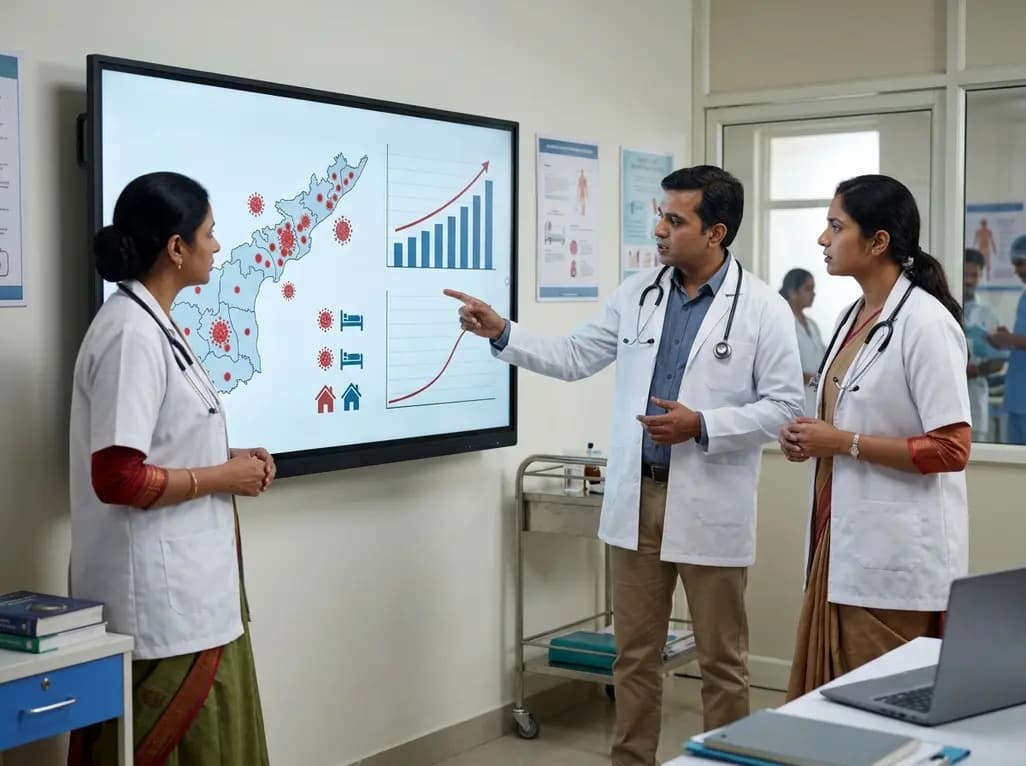
Andhra Pradesh reported 10 new Covid-19 cases, taking the state tally to 49 while deaths remain at four. With 24 patients hospitalized and 16 under home isolation, the Health Department has intensified monitoring. Medical professionals should review regional distribution, diagnostic protocols, and management plans.
Today

An 11-year Swedish registry study of 618 uterine sarcoma patients found that minimally invasive surgery yielded survival comparable to open surgery in early stages. However, adjuvant chemotherapy conferred no survival benefit in localized or advanced disease, highlighting stage and histology as key outcomes.
3 days back
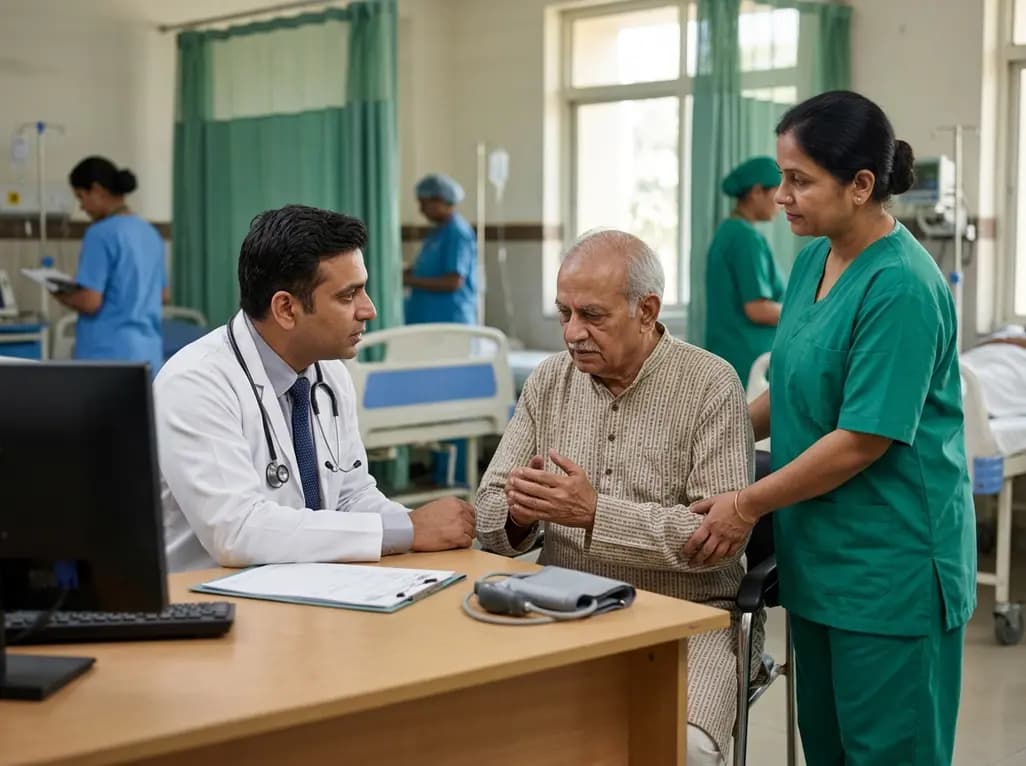
A cross-sectional study evaluates post-intensive care syndrome in cardiac patients 2-4 weeks post-ICU discharge, highlighting cognitive, psychological, and functional impairments and the need for structured multidisciplinary rehabilitation.
3 days back
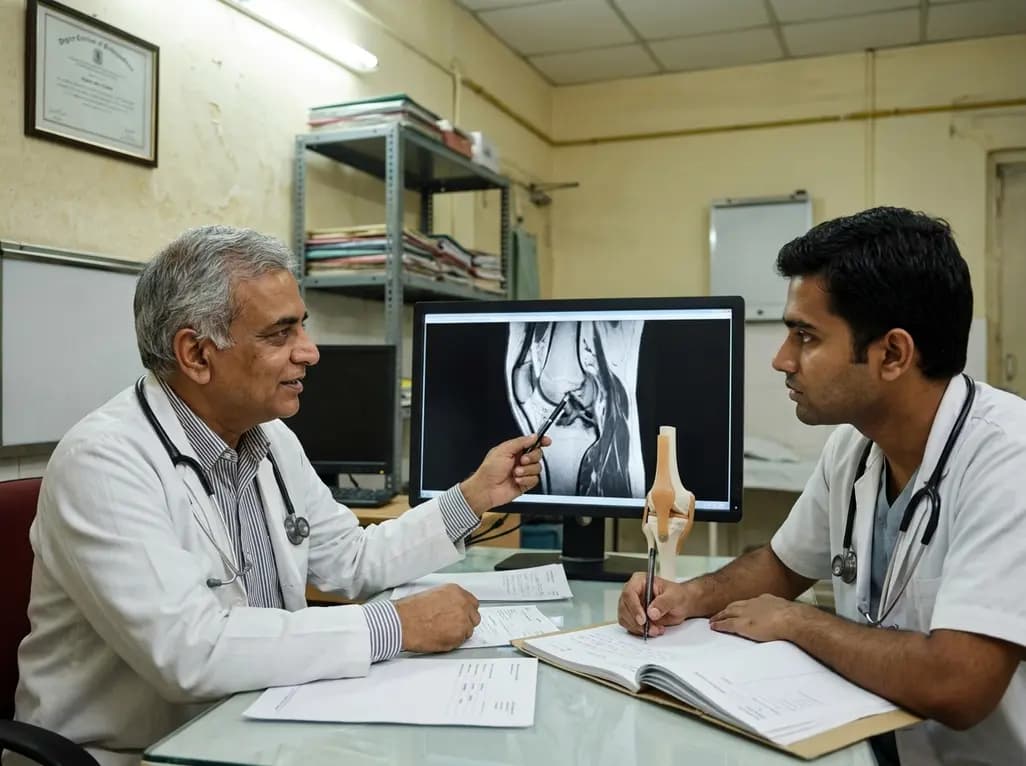
Anterior cruciate ligament reconstruction failure lacks uniform definition. A narrative review proposes an integrative framework incorporating objective and subjective instability, persistent pain, restricted motion, graft rupture, and secondary meniscal injury to standardize clinical reporting.
3 days back

With World Obesity Atlas data warning that over 41 million Indian children are overweight or obese, ICMR and NIN have unveiled a 10-point policy roadmap. The initiative calls for mandatory front-of-pack labeling, HFSS taxes, strict marketing bans, and healthier school environments to curb non-communicable diseases.
Today
