.webp&w=384&q=75)

Loading, please wait...
Loading, please wait...
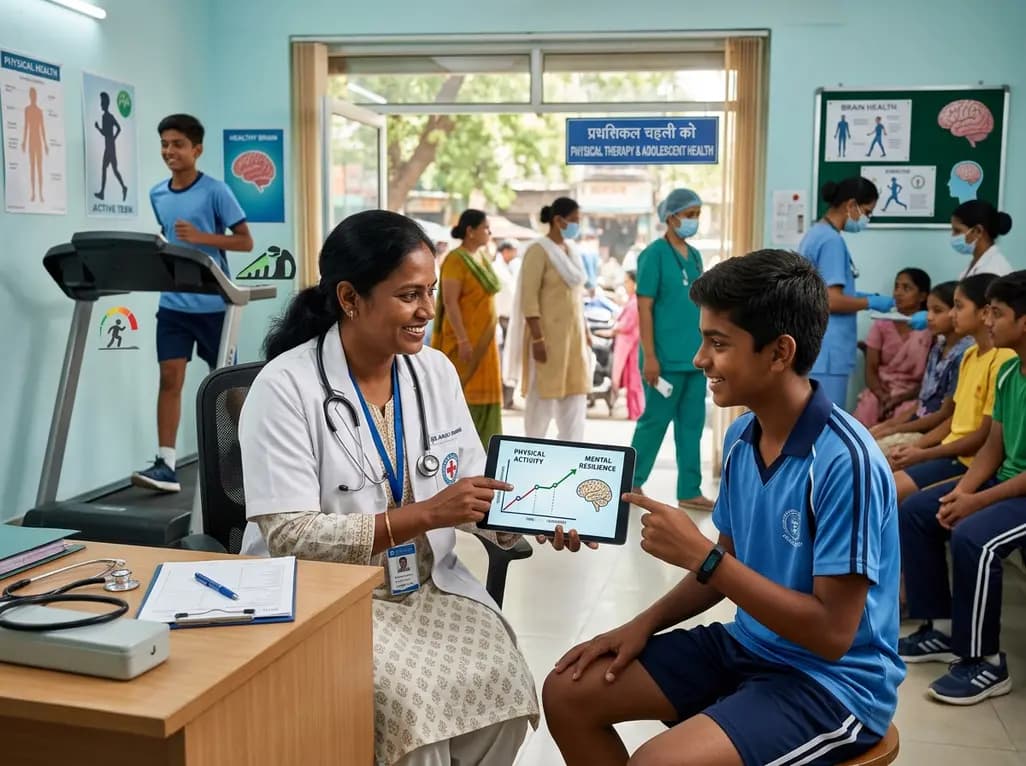
Adolescence represents a critical period of neurodevelopment and heightened psychiatric vulnerability. Recent findings confirm that daily step counts correlate directly with improved psychological resilience among teenagers. Indeed, emerging evidence demonstrates that physical ambulation protects against depressive symptoms and emotional dysregulation. However, previous studies relied on subjective recall. A landmark JAMA Network Open investigation now reveals that habitual walking measurably optimizes adolescent brain development.
To evaluate how habitual movement shapes adolescent psychology, researchers examined data from the Adolescent Brain Cognitive Development Study. This extensive multi-center cohort investigated 5,515 adolescents across the United States. Initially, participants wore research-grade Fitbit devices continuously for three weeks around age eleven to twelve. This rigorous tracking captured objective physical activity without relying on retrospective recall. Subsequently, researchers evaluated participant mental health outcomes twelve months later using the standardized Child Behavior Checklist. Both the adolescents and their parents completed these detailed behavioral assessments. Specifically, the psychiatric questionnaires measured dimensional symptoms of anxiety, affective withdrawal, somatic complaints, and conduct dysregulation. Furthermore, advanced neuroimaging protocols recorded structural changes across diverse cortical regions. Linear mixed models adjusted for relevant demographic variables, socioeconomic backgrounds, and baseline psychiatric symptom scores. Therefore, the investigative team successfully isolated the distinct longitudinal influence of ambulation on mental well-being. Notably, the study established a robust, prospective relationship between measured daily movement and subsequent behavioral health. In addition, objective step tracking minimized subjective reporting bias. As a result, the dataset delivers dependable metrics for clinical guidance. These findings clarify vital developmental associations.
The investigation revealed a striking graded correlation between stepping volume and emotional resilience. Adolescents recording fewer than 5,000 steps per day exhibited the highest rates of behavioral and emotional disturbances. Conversely, youth averaging approximately 8,000 steps daily displayed substantially fewer affective and behavioral symptoms. Most remarkably, teenagers achieving 12,000 or more steps daily demonstrated the lowest clinical indices of distress. In adult populations, cardiovascular and metabolic benefits of physical activity often plateau after reaching moderate thresholds. However, adolescent mental health showed no detectable ceiling effect across the entire observed distribution. Instead, mental health benefits continued to accrue linearly across every stepping increment. In fact, modest increases of 1,000 to 2,000 daily steps correlated with meaningful psychological gains. This linear gradient indicates that young people do not need rigorous athletic training to protect their emotional well-being. On the contrary, every incremental bout of ambulation contributes positively toward psychological balance. Thus, clinical guidance can reassure families that small behavioral adjustments deliver cumulative benefits. Moreover, sedentary teenagers can experience tangible improvements without attempting intimidating exercise regimens. Consequently, encouraging minor daily walking goals represents a viable public health strategy.
Beyond behavioral correlations, the study elucidated critical structural brain modifications linked to sustained walking. Magnetic resonance imaging demonstrated that adolescents with the highest step counts possessed greater cortical thickness. Specifically, these structural increases appeared prominently within the paracentral lobule and the rostral anterior cingulate cortex. Notably, structural equation modeling confirmed that paracentral cortical thickness statistically mediated the link between walking and reduced psychopathology. The anterior cingulate cortex plays a pivotal role in top-down affective regulation, impulse control, and conflict resolution. Similarly, the paracentral region integrates somatosensory inputs and motor planning essential for coordinated bodily actions. During early adolescence, the central nervous system undergoes dynamic synaptic pruning and neural reorganization. Regular physical ambulation likely enhances neurotrophin production, such as brain-derived neurotrophic factor, which supports neuronal survival and synaptogenesis. Furthermore, aerobic locomotion stimulates cerebral blood flow, reduces systemic inflammation, and regulates hypothalamic-pituitary-adrenal axis reactivity. As a result, walking creates a biologically favorable environment that reinforces neural circuits governing emotional stability. Therefore, higher daily step counts do not merely reflect good mood; they actively sculpt the neurobiology of resilience. Ultimately, these structural adaptations provide long-term neuroprotection.
These neuroimaging and behavioral findings offer practical implications for pediatricians, psychiatrists, and family physicians. Globally, adolescent psychiatric morbidity has escalated alongside rising screen time and sedentary behavior. In many clinical consultations, pharmacotherapy and psychotherapeutic resources remain limited, costly, or stigmatized. However, recommending daily physical activity provides an accessible, non-pharmacological adjunctive intervention. When clinicians review adolescent mental health, assessing physical activity routines should become a standard component of clinical history. For instance, asking about daily walking habits quickly identifies severely inactive youth who face higher psychiatric vulnerability. Furthermore, healthcare professionals should frame daily ambulation as an empowering self-care tool rather than a burdensome chore. Prescribing achievable step increments avoids the performance anxiety often triggered by competitive team sports. In addition, physical ambulation helps mitigate antidepressant-induced metabolic side effects while simultaneously improving sleep architecture. Consequently, lifestyle prescriptions reinforce holistic adolescent care across outpatient environments. Indeed, addressing physical inactivity early creates sustainable healthy behaviors that persist well into adult life. Ultimately, integrating lifestyle psychiatry into routine pediatric care helps prevent minor emotional distress from evolving into severe psychiatric disease. Thus, routine movement fosters developmental resilience.
Implementing daily movement goals requires collaborative problem-solving among clinicians, adolescents, and their caregivers. Parents often struggle to detach teenagers from digital screens and sedentary academic commitments. Therefore, clinicians must emphasize low-friction, realistic opportunities to increase physical activity throughout the day. For example, families can prioritize active commuting by encouraging adolescents to walk part of the journey to school. Similarly, scheduling regular evening family walks promotes healthy movement while simultaneously facilitating open emotional communication. Moreover, wearable consumer devices and smartphone step counters can effectively gamify daily physical goals. Adolescents frequently respond enthusiastically to visual feedback, milestone badges, and friendly peer challenges. In addition, encouraging unstructured outdoor recreation, active pet care, and recreational dance helps accumulate steps organically. Caregivers must understand that exercise does not demand elite sports participation or expensive equipment. Instead, regular everyday walking yields profound neurodevelopmental dividends when sustained consistently over time. Additionally, schools can introduce brief walking breaks to ensure active participation across all fitness tiers. As a result, adolescents build intrinsic motivation as they notice improvements in their mood and concentration. Thus, small lifestyle changes seamlessly evolve into durable protective habits that support lifelong mental health.
Q1: How do higher daily step counts protect adolescent mental health?
Higher daily step counts stimulate neuroplasticity, enhance cerebral blood circulation, and boost vital neurotrophic factors like brain-derived neurotrophic factor. Consequently, these physiological mechanisms support cortical thickening in brain regions such as the paracentral lobule and anterior cingulate cortex. Furthermore, these structural adaptations optimize emotional regulation and decrease systemic inflammation. As a result, adolescents consistently experience fewer depressive symptoms, reduced anxiety, and improved behavioral self-regulation.
Q2: Must adolescents engage in intense competitive sports to gain mental health benefits?
No, elite athletic training or structured sports participation is not required for meaningful mental health benefits. Recent observational evidence indicates that everyday walking provides profound psychiatric protection across all activity tiers. In fact, incremental additions of merely 1,000 to 2,000 steps daily correlate with observable reductions in emotional problems. Therefore, families can focus on realistic, sustainable movement opportunities like walking to school and active recreational games.
Q3: Did the research identify an upper threshold where walking benefits level off?
Unlike cardiovascular metrics in adults that frequently reach an activity plateau, adolescent mental health showed no detectable ceiling effect. In fact, benefits continued to accrue progressively up to 12,000 daily steps and beyond. Adolescents taking 12,000 steps recorded the lowest rates of affective symptoms and the greatest cortical thickness. Consequently, clinicians can reassure patients that every additional step matters, encouraging youth to safely maximize daily physical movement.
Disclaimer: This content is for informational and educational purposes only. It does not constitute medical advice or replace professional judgment. Refer to the latest local and national guidelines for clinical practice.
References

Read summarized clinical updates, watch expert medical content, and earn CME certifications right from your smartphone.
Open your smartphone camera to scan and install.





A landmark study from King's College London and UMass Amherst reveals that higher physical activity during early adolescence directly correlates with improved psychological resilience. Objective wearable data shows consistent benefits on emotional health and cortical brain structure with no observed plateau.
Today

A laboratory technician's death in Siberia from an unverified respiratory pathogen has renewed global vigilance for pneumonic plague. Clinicians must recognize early presentations of Yersinia pestis, enforce immediate respiratory isolation, and start early bactericidal therapy to prevent severe secondary spread.
Today

Tripura has launched a comprehensive statewide oncology campaign to address late-stage breast cancer presentations. By strengthening community screening for women aged 30 and older and expanding District Day Care Cancer Centres, the initiative improves early clinical detection and decentralized chemotherapy access.
Today
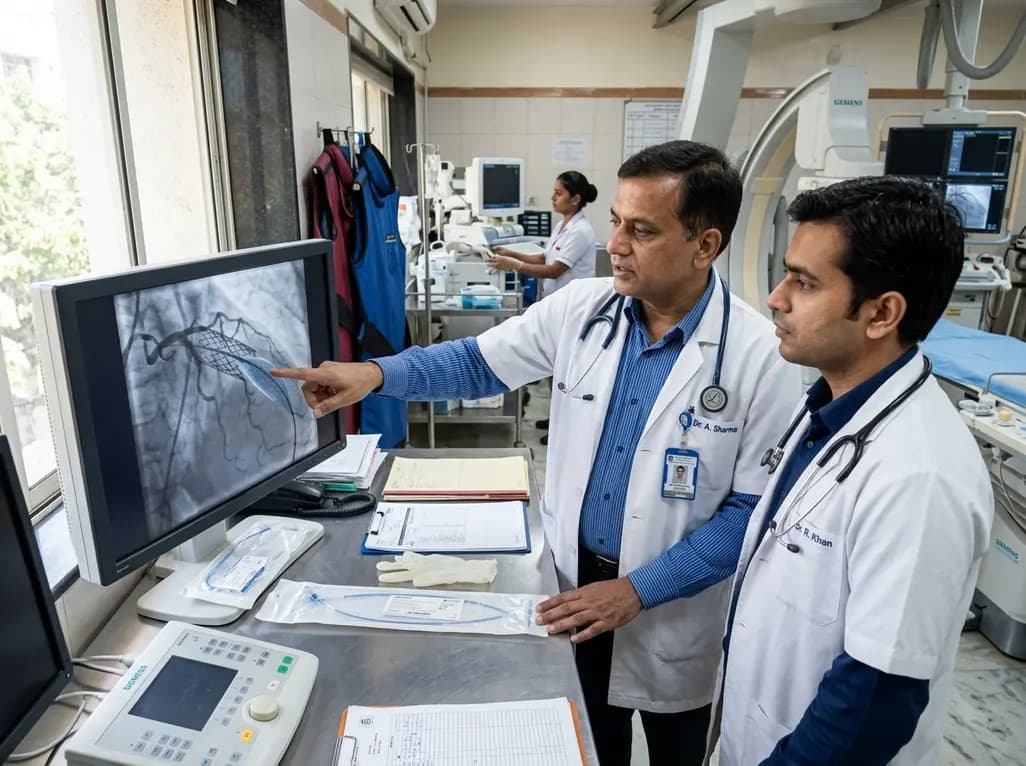
The US FDA has granted approval to the SELUTION SLR drug-eluting balloon for treating coronary in-stent restenosis. This milestone introduces a sustained-release sirolimus platform that eliminates the need for additional permanent metallic stents while maintaining robust vascular healing and luminal patency.
Today
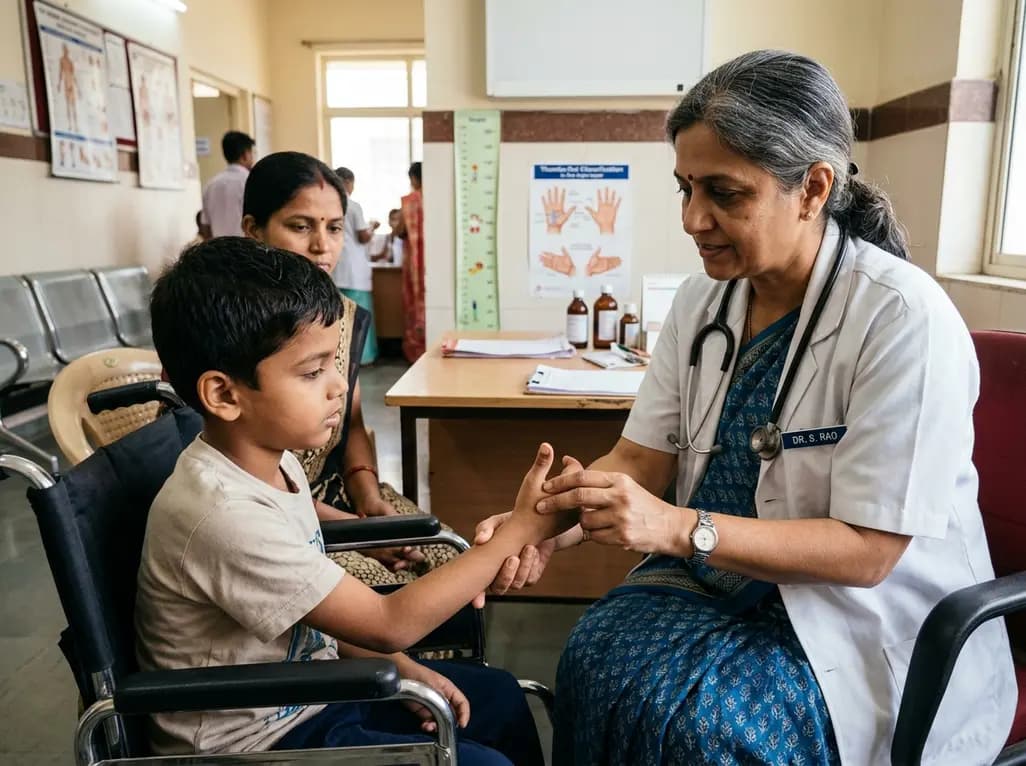
The Thumbs-Out Classification (TOC) is a reliable screening tool for detecting thumb-in-palm deformity in children with cerebral palsy. Utilizing traffic-light tiers for radial abduction, TOC enables clinicians to monitor upper limb function and initiate timely therapeutic or surgical interventions.
Today

A comprehensive review analyzes periconceptional GLP-1 receptor agonist exposure, revealing reassuring data on congenital anomalies and adverse perinatal outcomes while emphasizing the need for cautious patient counseling.
Today
