.webp&w=384&q=75)

Loading, please wait...
Loading, please wait...
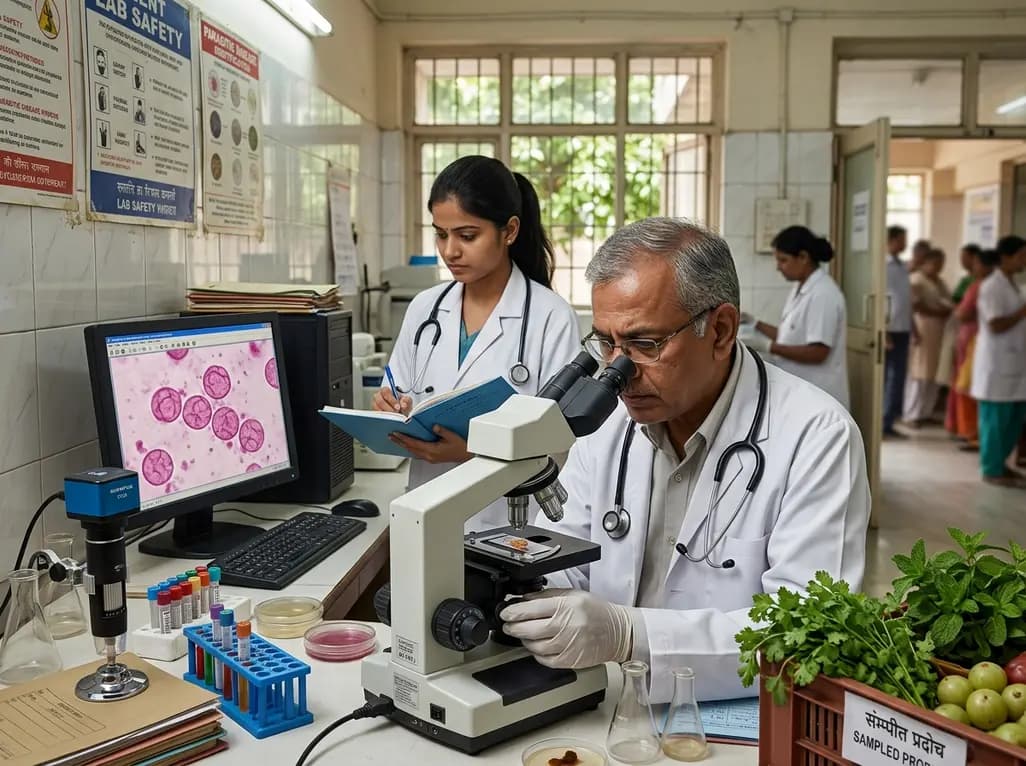
A nationwide cyclospora outbreak linked to imported iceberg lettuce has raised deep concerns across global public health systems. Food and Drug Administration data reveal that foreign food surveillance declined by nearly 35 percent since 2019. Consequently, contaminated agricultural commodities can cross borders undetected. For clinicians worldwide, foodborne parasitic diseases pose persistent diagnostic and therapeutic challenges. Understanding the intersections between foreign agricultural oversight, parasitic transmission dynamics, and evidence-based clinical management remains essential for safeguarding patient health.
The recent cyclospora outbreak involved thousands of packaged salad kits distributed to major restaurant chains and retail markets. Regulators traced the primary contamination vector to an expansive agricultural facility in Guanajuato, Mexico. However, domestic health authorities faced notable logistical delays before deploying field investigators to the suspected overseas farming site. In fact, inspectors arrived four full weeks after the initial product recall. Consequently, investigators struggled to evaluate dynamic environmental conditions in real time. Furthermore, regulatory agencies experienced significant testing discrepancies during the early phases of the epidemiological inquiry. Regulators initially reported a positive border sample but later retracted the finding due to laboratory protocol anomalies. Nevertheless, epidemiological tracebacks confirmed a clear link between the imported lettuce and hundreds of severe gastrointestinal infections. In addition, food industry records revealed over 480 food recalls within a single fiscal year. This dramatic surge underscores widespread vulnerabilities across modern supply networks. Because commercial greens move rapidly through cold chains, contamination quickly reaches vulnerable consumer populations across diverse regions. Therefore, physicians must maintain a high index of suspicion when treating clusters of unresolved enteritis.
Regulatory records show that international field visits have plummeted dramatically over recent years. Specifically, foreign food facility inspections fell by 17 percent in fiscal year 2025 alone, totaling barely 1,140 audits globally. This total represents a minor fraction of congressionally mandated safety benchmarks established under the Food Safety Modernization Act. The statute originally directed authorities to conduct over 19,000 foreign agricultural evaluations each year. However, chronic budgetary constraints and staffing attrition have permanently crippled agency capacity. Moreover, administrative reorganizations and travel support cutbacks left field personnel to arrange their own complex international travel logistics. Because investigators spend more than half their working hours traveling overseas, burnout remains extremely high. Consequently, nearly 15 percent of specialized field positions remain chronically vacant. Although officials have proposed brief one-day assessments to stretch personnel, veteran inspectors caution that abbreviated visits miss subtle contamination sources. Furthermore, authorities delayed vital digital traceability rules that would require bar codes on individual produce batches. Without rapid tracing technologies or robust on-site monitoring, contaminated agricultural shipments frequently reach grocery shelves before authorities can identify emerging hazards.
Understanding the biological lifecycle of Cyclospora cayetanensis is essential for comprehending clinical transmission patterns. This microscopic coccidian parasite primarily targets human enterocytes lining the jejunum and upper ileum. Contaminated agricultural water, soil, or infected food handlers introduce unsporulated oocysts onto delicate fresh produce surfaces. Notably, unsporulated oocysts excreted in human stool cannot cause immediate secondary transmission among close contacts. Instead, the organism requires one to two weeks under favorable environmental conditions to sporulate and achieve infectivity. Therefore, person-to-person transmission within households or hospital wards remains virtually nonexistent. However, once a patient ingests mature sporulated oocysts, sporozoites excyst within the gut lumen and invade small intestinal epithelial cells. This intracellular invasion disrupts villous architecture, triggering enterocyte blunting, cellular atrophy, and crypt hyperplasia. Consequently, patients experience malabsorption, severe osmotic fluid secretion, and prolonged gastrointestinal inflammation. Because the parasite exhibits exquisite environmental resilience, standard chemical sanitizers and chlorine washes often fail to eradicate oocysts from leafy folds. Thus, prevention depends entirely on rigorous pre-harvest hygiene and clean agricultural irrigation systems.
The incubation period for cyclosporiasis averages one week, though symptoms can appear after two days or persist for weeks. Clinicians commonly observe voluminous, watery, and non-bloody diarrhea accompanied by severe fatigue, anorexia, and marked abdominal cramping. Moreover, patients frequently report low-grade pyrexia, persistent nausea, significant flatulence, and involuntary weight loss. Because symptoms frequently follow a relapsing-remitting pattern, clinicians often misdiagnose the illness as irritable bowel syndrome or viral gastroenteritis. Therefore, accurate laboratory identification requires specific, targeted diagnostic orders. Standard automated stool cultures and routine ova examinations routinely fail to identify small coccidian oocysts. Instead, physicians must specifically order modified Ziehl-Neelsen acid-fast staining or ultraviolet epifluorescence microscopy. Under modified acid-fast stains, spherical Cyclospora oocysts measure eight to ten micrometers and display variable pink-to-red uptake. In contrast, ultraviolet microscopy reveals distinctive autofluorescence under violet excitation. Furthermore, modern gastrointestinal multiplex molecular polymerase chain reaction panels now offer rapid, highly sensitive detection of parasitic genetic material. Early molecular confirmation prevents unnecessary empirical antibiotic prescriptions and expedites targeted antiparasitic interventions.
Prompt clinical management hinges on targeted antimicrobial therapy combined with aggressive oral or intravenous rehydration. The definitive treatment of choice for cyclosporiasis is oral trimethoprim-sulfamethoxazole. Immunocompetent adults require one double-strength tablet containing 160 milligrams trimethoprim and 800 milligrams sulfamethoxazole twice daily for seven to ten days. In contrast, pediatric patients receive eight to ten milligrams per kilogram of trimethoprim daily divided into two equal doses. However, immunocompromised patients require prolonged therapeutic courses and ongoing suppressive prophylaxis to prevent frequent clinical recurrences. Furthermore, treating patients with documented sulfonamide hypersensitivity presents a major therapeutic dilemma. For sulfa-allergic patients, clinicians can administer oral ciprofloxacin at 500 milligrams twice daily, although cure rates remain demonstrably lower. Alternatively, oral nitazoxanide at 500 milligrams twice daily provides a viable second-line option based on emerging clinical observational data. Additionally, physicians should replace lost electrolytes with balanced oral rehydration solutions while avoiding antimotility agents during the acute phase. Moreover, routine follow-up ensures complete resolution of symptoms and prevents chronic nutrient depletion. Finally, clinicians must educate recovering patients on food hygiene to prevent subsequent re-infection.
Q1: Why do routine stool examinations often fail to detect a Cyclospora infection?
Routine stool cultures and standard ova examinations routinely miss Cyclospora cayetanensis because the oocysts measure only eight to ten micrometers and do not stain with conventional laboratory dyes. Consequently, laboratories require specialized testing techniques, such as modified acid-fast staining or ultraviolet autofluorescence microscopy. Furthermore, clinicians can utilize advanced multiplex molecular polymerase chain reaction panels, which detect parasitic DNA with exceptional sensitivity and provide rapid, definitive confirmation during acute diarrheal episodes.
Q2: What is the recommended antimicrobial regimen for patients with confirmed cyclosporiasis?
The established first-line treatment for cyclosporiasis is oral trimethoprim-sulfamethoxazole. Immunocompetent adult patients should take one double-strength tablet twice daily for seven to ten days alongside active fluid rehydration. However, immunocompromised patients often require extended courses to prevent persistent relapse. For patients with verified sulfonamide allergies, clinicians frequently prescribe alternative oral regimens such as ciprofloxacin or nitazoxanide, although clinical efficacy rates remain noticeably lower than standard trimethoprim-sulfamethoxazole therapy.
Q3: Can Cyclospora cayetanensis spread directly from person to person within households?
Direct person-to-person transmission within households is biologically improbable because shed Cyclospora oocysts leave the human body in an unsporulated, non-infective state. The parasite requires at least one to two weeks in favorable environmental conditions, such as warm soil or stagnant water, to sporulate and become infectious. Consequently, patients acquire the infection almost exclusively by consuming contaminated water or fresh agricultural produce, rather than through direct contact with an infected family member.
Disclaimer: This content is for informational and educational purposes only. It does not constitute medical advice or replace professional judgment. Refer to the latest local and national guidelines for clinical practice.
References

Read summarized clinical updates, watch expert medical content, and earn CME certifications right from your smartphone.
Open your smartphone camera to scan and install.





Declining international regulatory farm visits have coincided with a widespread parasitic produce contamination crisis. Healthcare professionals must understand the pathophysiology of Cyclospora cayetanensis, identify prolonged watery diarrhea, order specific stool assays, and initiate targeted antimicrobial therapy.
Today
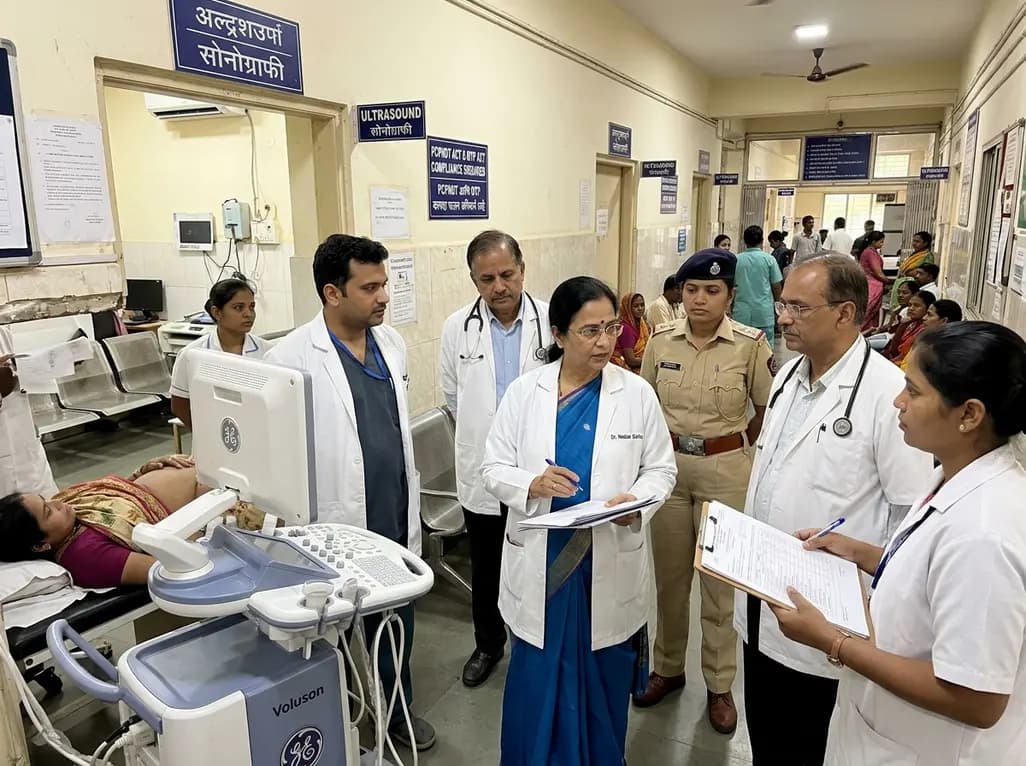
The Maharashtra public health department has established a specialized task force headed by Dr. Neelam Gorhe to eliminate illegal sex determination and unauthorized abortions. The team will execute surprise inspections of ultrasound facilities, audit medical documentation, and enforce strict statutory standards.
Today

Protosappanin A, derived from Caesalpinia sappan, suppresses atherosclerosis by regulating the MDM2/GPX4 axis to halt endothelial ferroptosis, reducing plaque burden, lowering lipid peroxidation, and preserving vascular integrity in preclinical models.
Today

A propensity-matched study reveals that patients with severe generalized ligamentous laxity experience a slower recovery trajectory after hip arthroscopy for femoroacetabular impingement. While final two-year outcomes remain favorable, tailored rehabilitation and capsular management are critical.
Today
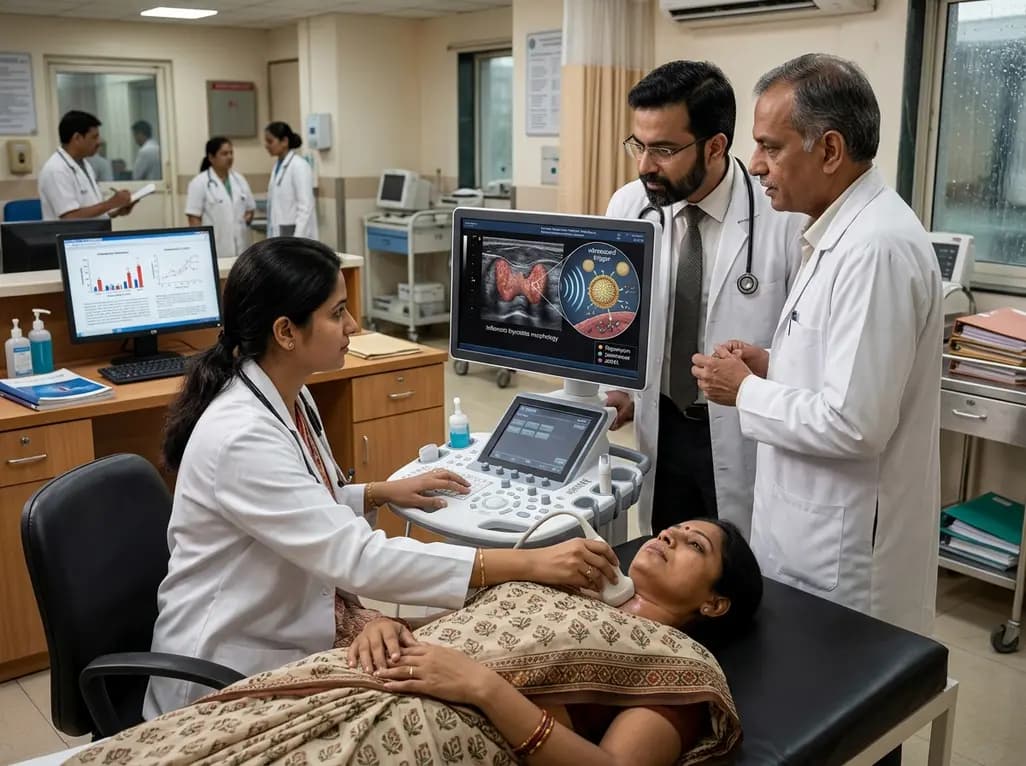
Researchers have developed an innovative ultrasound-responsive nano-contrast agent that co-delivers CIITA-siRNA and rapamycin directly to inflamed thyroid tissue, significantly reducing autoimmune injury and thyroid autoantibodies in preclinical models of Hashimoto thyroiditis.
Today
