.webp&w=384&q=75)

Loading, please wait...
Loading, please wait...
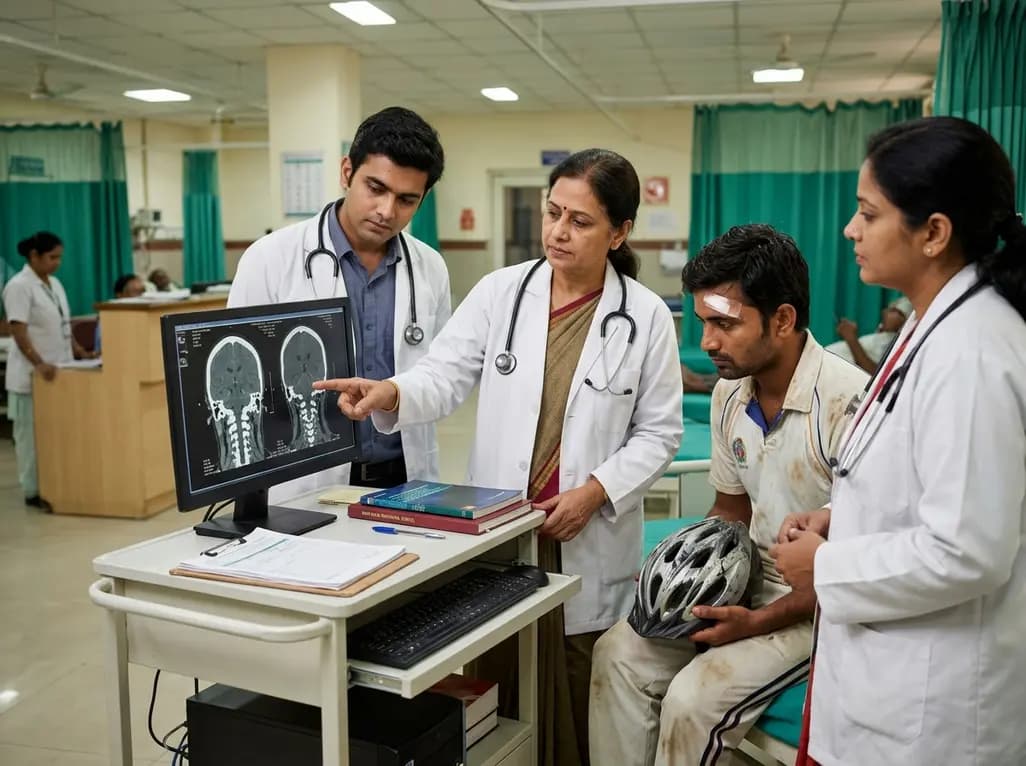
The global surge in cycling popularity, driven by health consciousness and urban sustainability, has unfortunately brought a rise in traumatic accidents. Clinicians increasingly encounter cycling-related cranio-spinal injuries in major trauma centers. These injuries present unique diagnostic challenges due to the varied mechanisms of impact and the vulnerability of the human frame at high speeds. Understanding the epidemiology and injury patterns is essential for emergency physicians and neurosurgeons. This knowledge helps in tailoring immediate resuscitation and long-term rehabilitation strategies. Recent studies indicate that over half of the cyclists admitted to trauma centers suffer from some form of head or spine injury. Consequently, healthcare providers must remain vigilant during initial assessments to identify occult fractures or intracranial pathology. By analyzing large cohorts, researchers have identified specific trends that correlate with the severity of the accident. These trends include the age of the patient, the presence of motorized vehicles, and the use of protective gear. Ultimately, robust clinical data serves as the foundation for improved road safety initiatives and better patient care protocols in emergency departments globally.
Research consistently shows that certain demographic groups face a higher risk of severe trauma during cycling accidents. Data from major trauma centers reveal that approximately 80% of cycling accident victims are male. This significant gender disparity often correlates with higher levels of risk-taking behavior or higher participation rates in commuting and sports cycling. Furthermore, the median age of these patients typically hovers around 46 years, indicating that mid-adulthood is a peak period for such incidents. Middle-aged cyclists often engage in both high-intensity leisure riding and urban commuting, placing them in complex traffic environments. Notably, the physiological response to trauma in this age group can differ from younger cohorts, potentially leading to longer recovery times. Transitioning from demographic data to clinical observations, we see that the severity of cycling-related cranio-spinal injuries often mirrors the environmental context. For instance, urban environments with high vehicle density contribute to more complex multi-trauma cases. Conversely, rural incidents might involve high-speed falls without vehicle involvement but still result in significant orthopedic damage. Understanding these demographic nuances allows trauma teams to anticipate injury severity even before the patient arrives at the hospital. This proactive approach is vital for optimizing the 'golden hour' of trauma care.
Head injuries represent the most frequent and life-threatening component of cycling-related cranio-spinal injuries. Clinical data indicates that intracranial bleeds occur in approximately 29% of admitted cases, making them the leading cranial pathology. These bleeds often include subdural or extradural hematomas, which require rapid neurosurgical evaluation. Additionally, skull fractures occur in about 12% of patients, frequently involving the temporal bone or the base of the skull. Cerebral contusions follow closely at 10%, highlighting the impact of direct force on the brain parenchyma. Furthermore, many patients present with multiple types of head injuries simultaneously, which complicates the clinical picture. Clinicians must monitor for signs of increased intracranial pressure and secondary brain injury from the moment of impact. The mechanism often involves a rapid deceleration or a direct blow to the head against a hard surface like the pavement or a vehicle. Interestingly, base of skull fractures are more prevalent in collisions involving motorized vehicles, suggesting a higher transfer of kinetic energy. Accurate imaging, specifically non-contrast CT scans, remains the gold standard for diagnosing these acute conditions. Early detection of intracranial pathology significantly improves the chances of a favorable neurological outcome and reduces long-term morbidity.
The spine is equally vulnerable during cycling accidents, with the cervical region being the most frequently affected area. Studies show that cervical segment fractures, particularly at C2, C6, and C7, are highly prevalent among injured cyclists. Specifically, the C6 and C7 vertebrae are susceptible due to their position at the cervicothoracic junction, which acts as a pivot during high-velocity impacts. Moreover, C2 fractures often result from hyperextension or direct axial loading during a fall onto the head. Consequently, trauma protocols must mandate spinal stabilization until imaging definitively rules out injury. Beyond the cervical spine, thoracic and lumbar fractures also occur, though less frequently. Notably, motorized collisions are associated with a much higher prevalence of multi-vertebral fractures compared to non-motorized falls. This suggests that the energy involved in vehicle-on-cycle collisions is sufficient to cause segmental instability across multiple levels. Furthermore, the presence of a spinal fracture often coincides with systemic injuries, such as rib fractures or solid organ damage. Therefore, a comprehensive 'pan-scan' approach is often necessary in the trauma bay to ensure no spinal injury is overlooked. Missing a spinal fracture can have devastating consequences, including permanent paralysis or chronic neurological deficits.
The involvement of motorized vehicles fundamentally changes the severity profile of cycling-related cranio-spinal injuries. Collisions with cars or trucks are associated with significantly worse outcomes across several clinical metrics. For example, patients in motorized accidents typically present with lower Glasgow Coma Scale (GCS) scores at the scene. This impaired consciousness often reflects more severe traumatic brain injury. Additionally, these patients tend to have higher Injury Severity Scores (ISS), reflecting a greater burden of systemic trauma. Furthermore, the length of hospital stay is notably longer for those struck by vehicles compared to those who fell from their bikes independently. This increased complexity often necessitates multidisciplinary care involving trauma surgeons, orthopedists, and neurosurgeons. Motorized accidents also increase the likelihood of sustaining multi-level spinal fractures, which may require complex surgical stabilization. Therefore, the mechanism of injury is a critical factor in the initial triage process. In contrast, non-motorized incidents, while still serious, often result in more isolated injuries. Recognizing the high-stakes nature of vehicle-related trauma helps trauma centers allocate resources more effectively. Enhanced road infrastructure, such as dedicated cycling lanes, remains a primary public health goal to mitigate these high-energy collisions.
The debate surrounding protective equipment often focuses on the efficacy of helmets in mitigating cycling-related cranio-spinal injuries. Robust evidence suggests that wearing a helmet significantly reduces the risk of severe head trauma and skull fractures. Specifically, lack of head protection is consistently linked to poorer clinical outcomes and more extensive intracranial pathology. Furthermore, helmets are designed to absorb and dissipate the kinetic energy of an impact, thereby protecting the brain from direct force. While some debates exist regarding their influence on neck injuries, most current literature suggests that helmets do not increase the risk of cervical spine fractures. Instead, they serve as a critical barrier against the most lethal forms of cranial trauma. Beyond personal protective equipment, urban planning plays a vital role in accident prevention. Segregated cycling paths and better traffic management reduce the frequency of interactions between cyclists and motorized vehicles. Consequently, the combination of personal protection and systemic safety improvements offers the best chance of reducing trauma rates. Healthcare providers should continue to advocate for helmet use among their patients as part of a broader safety conversation. Ultimately, prevention remains the most effective strategy for managing the rising tide of cycling injuries in modern society.
The most common head injuries include intracranial bleeds, skull fractures, and cerebral contusions. Intracranial bleeds are particularly prevalent, occurring in nearly 30% of cases requiring hospital admission. These injuries often result from high-velocity impacts or collisions with motorized vehicles, highlighting the need for rapid neurological assessment and imaging in trauma settings.
Motorized vehicle involvement significantly increases the risk of multi-vertebral spinal fractures and higher Injury Severity Scores. These collisions typically involve greater kinetic energy transfer, leading to more complex trauma profiles. Patients involved in these accidents also tend to have lower Glasgow Coma Scale scores and require longer hospital stays for recovery and rehabilitation.
Helmets are highly effective at preventing serious head injuries, such as skull fractures and intracranial bleeds, by absorbing impact energy. While they are primarily designed for cranial protection, current research indicates they do not increase the risk of cervical spine injuries. Therefore, consistent helmet use remains a critical recommendation for reducing overall trauma severity in cyclists.
Disclaimer: This content is for informational and educational purposes only. It does not constitute medical advice or establish a doctor-patient relationship. Always seek the advice of a qualified healthcare provider regarding a medical condition. Refer to the latest local and national guidelines for clinical practice.
References
Chabros J et al. Cycling-related cranio-spinal injuries admitted to a Major Trauma Centre in the cycling capital of the UK. Br J Neurosurg. 2025 Aug. doi: 10.1080/02688697.2023.2255280. PMID: 37698133.
Baecher N et al. The epidemiology of spinal fractures in cyclists: a 10-year retrospective analysis. Spine J. 2021;21(5):810-817.
Olivier J, Creighton P. Bicycle injuries and helmet use: a systematic review and meta-analysis. Int J Epidemiol. 2017;46(1):278-292.

Read summarized clinical updates, watch expert medical content, and earn CME certifications right from your smartphone.
Open your smartphone camera to scan and install.





Cycling's popularity has led to an increase in trauma. This analysis of 851 patients reveals that 53% sustained cranio-spinal injuries. Learn about injury patterns, the severity of motorized collisions, and the protective role of helmets in preventing severe head and spine trauma.
Last week
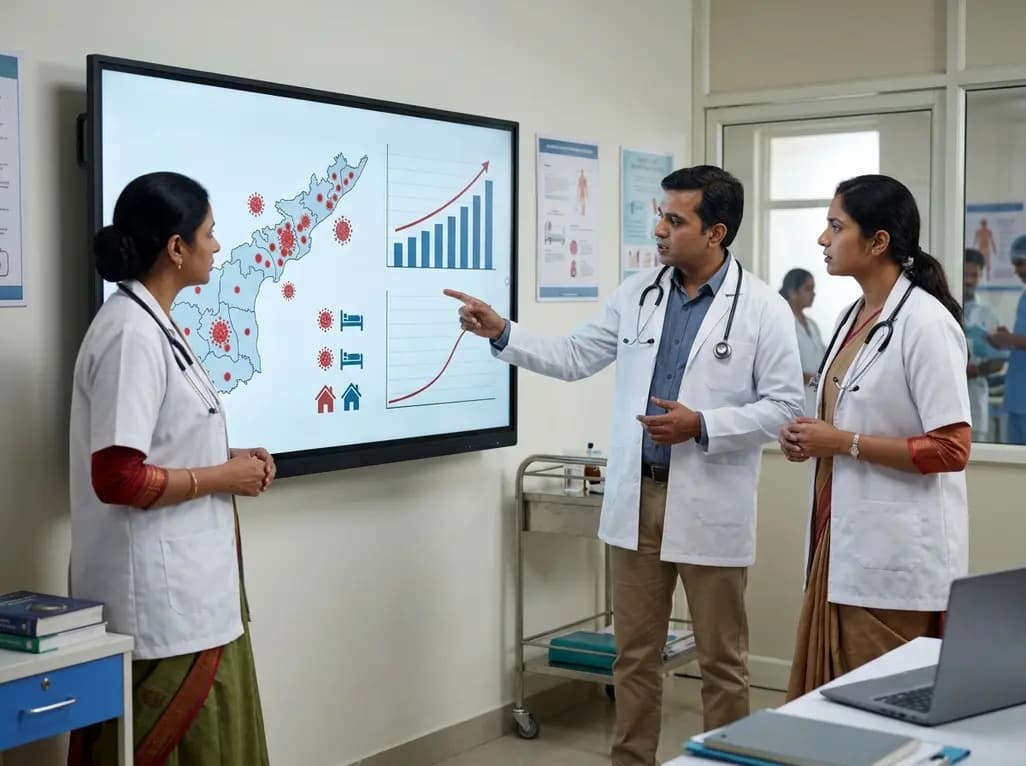
Andhra Pradesh reported 10 new Covid-19 cases, taking the state tally to 49 while deaths remain at four. With 24 patients hospitalized and 16 under home isolation, the Health Department has intensified monitoring. Medical professionals should review regional distribution, diagnostic protocols, and management plans.
Today

An 11-year Swedish registry study of 618 uterine sarcoma patients found that minimally invasive surgery yielded survival comparable to open surgery in early stages. However, adjuvant chemotherapy conferred no survival benefit in localized or advanced disease, highlighting stage and histology as key outcomes.
3 days back

A cross-sectional study evaluates post-intensive care syndrome in cardiac patients 2-4 weeks post-ICU discharge, highlighting cognitive, psychological, and functional impairments and the need for structured multidisciplinary rehabilitation.
3 days back
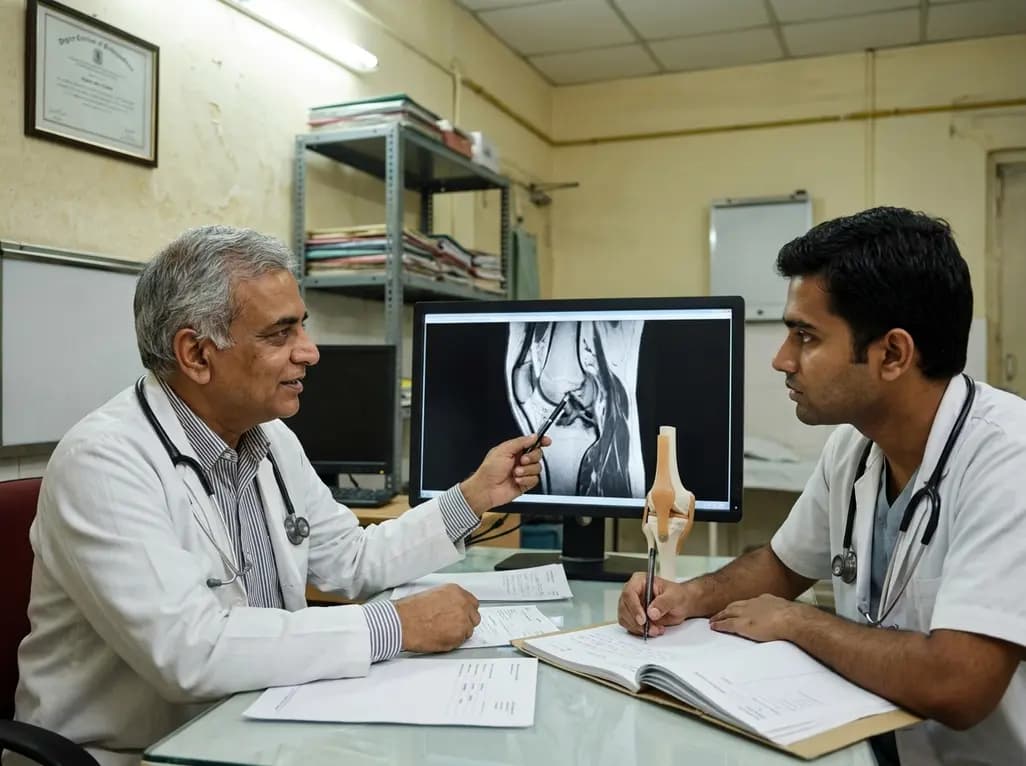
Anterior cruciate ligament reconstruction failure lacks uniform definition. A narrative review proposes an integrative framework incorporating objective and subjective instability, persistent pain, restricted motion, graft rupture, and secondary meniscal injury to standardize clinical reporting.
3 days back

With World Obesity Atlas data warning that over 41 million Indian children are overweight or obese, ICMR and NIN have unveiled a 10-point policy roadmap. The initiative calls for mandatory front-of-pack labeling, HFSS taxes, strict marketing bans, and healthier school environments to curb non-communicable diseases.
Today
