.webp&w=384&q=75)

Loading, please wait...
Loading, please wait...

Malignant cells undergo profound biochemical rewiring to sustain rapid proliferation and survival. Consequently, metabolic cancer therapy has emerged as a compelling paradigm to disrupt the bioenergetic engines of aggressive tumors. Tumors universally upregulate aerobic glycolysis to secure fast energy production, a hallmark known as the Warburg effect. However, targeting a single metabolic pathway often fails because cancer cells demonstrate remarkable metabolic plasticity. When clinicians block glucose utilization, tumors swiftly switch to alternative fuels such as glutamine or fatty acids. Therefore, monotherapies targeting single enzymatic nodes typically induce compensatory escape mechanisms and therapeutic resistance. In addition, high costs and systemic toxicities frequently limit traditional targeted agents in resource-constrained healthcare settings. To overcome these critical barriers, researchers designed CURGET as a comprehensive, five-node combinatorial regimen. This oral strategy repurposes accessible bioactive molecules to induce coordinated metabolic starvation across multiple survival axes. Furthermore, by addressing concurrent metabolic dependencies, the approach suppresses compensatory nutrient shifts before resistant subclones emerge. Thus, multi-targeted metabolic intervention represents a pragmatic step forward in modern clinical oncology.
The CURGET regimen integrates four widely recognized dietary polyphenols alongside trimetazidine, a well-established anti-anginal pharmaceutical agent. Specifically, the acronym CURGET denotes Curcumin, Urolithin A, Resveratrol, Green tea extract (epigallocatechin gallate or EGCG), and Trimetazidine. Each compound selectively inhibits a pivotal enzyme driving neoplastic survival. First, curcumin suppresses hexokinase 2 (HK2), thereby shutting down the rate-limiting commitment step of glycolysis. Second, urolithin A inhibits glutaminase 1 (GLS1), which impairs glutaminolysis and deprives the tricarboxylic acid cycle of anaplerotic carbon skeletons. Third, resveratrol targets fatty acid synthase (FASN), effectively curtailing de novo lipogenesis needed for cell membrane biogenesis. Fourth, EGCG directly inhibits 3-hydroxy-3-methylglutaryl-CoA reductase (HMGR), crippling the mevalonate cascade and downstream cholesterol synthesis. Finally, trimetazidine suppresses long-chain 3-ketoacyl-CoA thiolase (3-KAT), thereby blocking mitochondrial fatty-acid beta-oxidation. Consequently, CURGET simultaneously cuts off carbohydrate, amino acid, and lipid bioenergetics. Because cancer cells cannot easily bypass five concurrent enzymatic blockades, this synthetic architecture severely restricts cellular ATP generation. Furthermore, concurrent inhibition prevents compensatory fuel utilization, systematically driving malignant cells toward bioenergetic exhaustion.
Beyond primary enzymatic starvation, CURGET triggers potent secondary antineoplastic cascades within tumor tissue. For instance, the drastic depletion of cellular cofactors fundamentally reshapes the cancer epigenome. Malignant cells rely heavily on acetyl-CoA and S-adenosylmethionine for histone acetylation and DNA methylation. Consequently, suppressing both glucose and lipid metabolism starves these essential epigenetic donor pools. In addition, polyphenols like resveratrol and EGCG directly inhibit DNA methyltransferases, histone deacetylases, and histone acetyltransferases. Therefore, CURGET synergistically restores the expression of silenced tumor suppressor genes while blunting oncogenic transcription. Moreover, the regimen exploits the delicate redox equilibrium of malignant cells. Although polyphenols act as classic antioxidants in normal tissues, they frequently behave as potent pro-oxidants within the copper-rich, dysregulated tumor microenvironment. As a result, intracellular reactive oxygen species accumulate rapidly, inducing severe oxidative damage to mitochondrial membranes. Because healthy tissues maintain robust antioxidant defenses and lower baseline oxidative stress, they comfortably tolerate these biochemical shifts. Thus, CURGET achieves selective tumor toxicity through convergent bioenergetic, epigenetic, and pro-oxidant mechanisms.
Translating polyphenol-based regimens into routine clinical practice presents notable pharmacokinetic challenges. Historically, poor aqueous solubility, rapid phase II hepatic glucuronidation, and brief plasma half-lives have hindered oral polyphenol therapies. However, recent human pharmacokinetic data demonstrate that advanced drug delivery platforms significantly enhance systemic exposure. For example, micronized formulations, phospholipid complexes, and lipid nanoparticles achieve plasma concentrations that align with in vitro inhibitory thresholds. Furthermore, urolithin A displays dependable bioavailability following oral administration, generating sustained biological activity across peripheral tissues. Meanwhile, trimetazidine boasts decades of robust clinical safety data, showing excellent oral absorption and minimal adverse event rates. Nevertheless, oncologists must evaluate potential hepatic cytochrome P450 interactions when co-administering multiple bioactive agents with standard systemic therapies. Preclinical studies indicate that combining these five agents preserves normal tissue integrity without causing cumulative organ toxicity. Consequently, pharmacokinetic optimization remains a key research priority to ensure reproducible plasma area-under-the-curve values. Early-phase human trials will definitively clarify safe dosing schedules and confirm therapeutic window margins.
If prospective clinical studies validate its safety and efficacy, CURGET could transform therapeutic paradigms for metabolically aggressive cancers. In particular, tumors demonstrating high clinical co-expression of HK2, GLS1, and FASN represent prime candidates for this intervention. For instance, gastric adenocarcinoma, pancreatic ductal carcinoma, and triple-negative breast cancer display intense metabolic dependency on these specific nodes. Furthermore, these malignancies frequently acquire resistance to conventional cytotoxic chemotherapy through dynamic metabolic adaptation. Adding CURGET as an oral adjunct could effectively resensitize refractory cells and prevent metastatic progression. Importantly, this strategy addresses profound economic disparities in global cancer care. Standard targeted therapeutics and immune checkpoint inhibitors carry exorbitant financial costs, making them inaccessible to many patients in developing nations. In contrast, the constituents of CURGET are inexpensive, widely manufactured, and readily available worldwide. Therefore, establishing this oral multi-node therapy could provide an equitable, cost-effective adjuvant for resource-limited clinical environments. By bridging biological precision with global affordability, CURGET highlights a promising path toward decentralized, accessible cancer medicine.
Cancer cells evade monotherapies through metabolic plasticity, shifting between glycolysis, glutaminolysis, and lipid oxidation when facing single-pathway inhibition. CURGET addresses this adaptation by simultaneously blocking five critical enzymatic nodes: HK2, GLS1, FASN, HMGR, and 3-KAT. Consequently, the tumor cannot utilize alternative nutrient salvage pathways. This comprehensive bioenergetic blockade deprives malignant cells of carbohydrates, amino acids, and lipids, effectively preventing escape mutations and driving the cells toward metabolic exhaustion.
The primary pharmacokinetic hurdle involves the limited bioavailability and rapid systemic clearance of natural polyphenols like curcumin and resveratrol. In standard oral forms, these compounds undergo rapid phase II hepatic metabolism, yielding low systemic plasma concentrations. Therefore, clinical success requires advanced formulation technologies, including liposomal delivery, nanoparticles, and phytosome complexes. These novel delivery platforms substantially enhance intestinal absorption and maintain sustained therapeutic plasma levels necessary to inhibit target metabolic enzymes.
Malignancies exhibiting pronounced metabolic addiction and high co-expression of HK2, GLS1, and FASN represent ideal targets for CURGET. Specifically, gastric cancer, pancreatic ductal adenocarcinoma, and triple-negative breast cancer rely heavily on concurrent glycolysis, glutaminolysis, and de novo lipogenesis. Furthermore, because these aggressive tumor types frequently develop resistance to standard chemotherapy, adding CURGET could suppress bioenergetic adaptability, restore chemotherapy sensitivity, and improve clinical outcomes in refractory disease.
Disclaimer: This content is for informational and educational purposes only and is not intended as medical advice, diagnosis, or treatment. It does not replace professional medical judgment. Healthcare professionals must exercise clinical judgment and verify details independently. The author(s) and publisher assume no liability for any adverse effects or consequences resulting from the application of this information. Refer to the latest local and national guidelines for clinical practice.
References

Read summarized clinical updates, watch expert medical content, and earn CME certifications right from your smartphone.
Open your smartphone camera to scan and install.





CURGET is an innovative oral five-node metabolic regimen combining four polyphenols—curcumin, urolithin A, resveratrol, and EGCG—with trimetazidine. By simultaneously blocking critical bioenergetic pathways, it aims to counter tumor metabolic plasticity and offer an affordable cancer care adjunct.
Today

A retrospective cohort study of 5,481 children aged 3–6 years evaluated whether surgical sperm retrieval for ICSI affects offspring cognitive and physical growth compared with ejaculated sperm and IVF. Results demonstrate comparable IQ scores and growth parameters, providing reassuring safety evidence for clinical practice.
Today
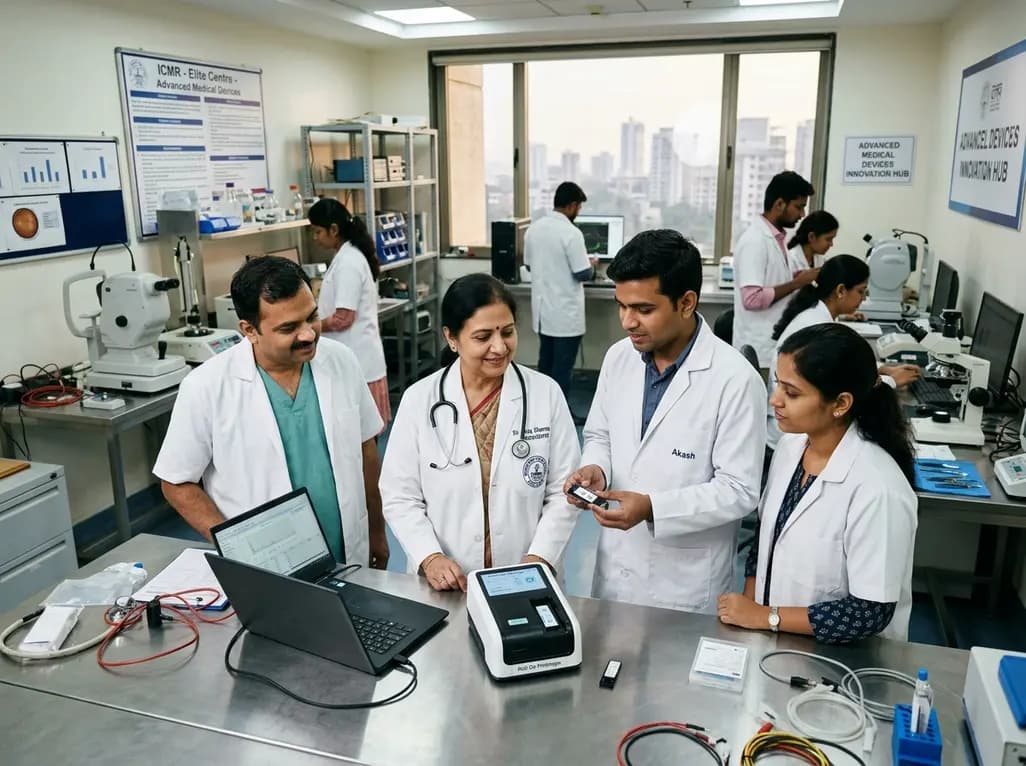
The Indian Council of Medical Research has funded seven top academic hubs to build indigenous healthcare technologies. Targeting point-of-care diagnostics, biomaterials, and ophthalmology, these multidisciplinary centres aim to tackle unmet clinical needs and make medical care affordable across India.
Today

Diagnostic data shows that nearly one in four spine investigations now involve patients younger than 40 years. This comprehensive overview explores the drivers behind this demographic trend, evaluates ergonomic hazards, clarifies red-flag signs, and highlights clinical indications for judicious diagnostic imaging.
Today

A multicenter cross-sectional study of 1,315 adults with type 1 diabetes reveals that the GMI/HbA1c ratio does not independently predict microvascular complications. Clinicians should prioritize sustained time in range and blood pressure management over glycation discordance metrics.
Today
