.webp&w=384&q=75)

Loading, please wait...
Loading, please wait...

After remaining largely under the radar for nearly three years, clinical surveillance data indicates that COVID-19 in Maharashtra has resurfaced with a noticeable increase in cases. Over the first few weeks of July 2026, the state health department recorded a total of 48 positive cases for the year, with zero reported fatalities. This trend marks a shift from the dormant phase observed since late 2023. While the volume remains relatively low, the steady climb in numbers—from three cases in January to eleven in June and twenty-one in early July—requires close monitoring from healthcare professionals. Medical teams note that this sudden rise does not represent a fresh, severe pandemic wave but rather highlights the endemic nature of the pathogen. Consequently, clinical specialists are advising targeted vigilance rather than panic, as the vast majority of presenting infections behave like mild upper respiratory tract illnesses.
Most of the newly identified cases are concentrated in Pune, where major medical hubs have recorded localized clusters. Interestingly, the primary driver for detection is not systematic mass testing. Instead, clinicians are identifying positive patients through physician-advised pre-operative screenings, routine health check-ups, and diagnostic panels for other unrelated complaints. This clinical pattern suggests that the virus has been quietly circulating in the community without causing severe respiratory distress. Because individuals presenting with minor symptoms rarely undergo diagnostic testing, the true number of infections is likely higher. Therefore, primary care physicians must understand these current epidemiological dynamics to guide their patients appropriately.
Physicians evaluating patients in outpatient departments are observing mild clinical manifestations that differ significantly from early pandemic variants. The current cohort of patients frequently presents with self-limiting upper respiratory symptoms that typically resolve within three to five days. According to infectious disease specialists, the clinical spectrum closely resembles a standard seasonal influenza infection. The most common symptoms reported during this minor uptick include dry cough, mild sore throat, nasal congestion, low-grade fever, and generalized fatigue. Importantly, severe respiratory compromise, profound hypoxemia, or the need for intensive oxygen therapy has not been observed in these active cases.
Furthermore, this mild clinical profile is even less severe than the previous Omicron strains. Because of the mildness of these infections, many patients seek medical consultation for entirely unrelated systemic conditions. Hospital admissions among this group are almost exclusively driven by pre-existing co-morbidities or the need for scheduled surgeries rather than primary viral pneumonia. However, pulmonologists warn that high-risk individuals, including the elderly, immunocompromised patients, and those with chronic obstructive pulmonary disease, still require close monitoring. For these vulnerable groups, even mild viral infections can occasionally trigger exacerbations of underlying respiratory conditions, necessitating proactive supportive management.
A critical factor contributing to the sudden increase in case detection is the evolution of diagnostic methodologies in hospitals. Over the last few years, clinical laboratories have increasingly transitioned from simple rapid antigen testing to advanced molecular diagnostics. Specifically, the widespread deployment of multiplex polymerase chain reaction panels has dramatically altered how respiratory infections are diagnosed. These advanced molecular assays allow clinicians to screen a single patient sample for a broad array of viral and bacterial pathogens simultaneously, providing a comprehensive diagnostic picture within hours.
Clinicians explain that hospitals frequently utilize two distinct types of testing panels: upper respiratory multiplex panels and lower respiratory multiplex panels. Interestingly, standard lower respiratory panels designed for deep lung infections often omit SARS-CoV-2. Conversely, upper respiratory multiplex panels routinely include the target for COVID-19 alongside influenza A, influenza B, respiratory syncytial virus, and adenoviruses. As hospitals utilize upper respiratory panels more frequently to investigate seasonal flu, they are incidentally uncovering mild COVID-19 cases. Consequently, the apparent rise in infections is partly a reflection of enhanced diagnostic precision rather than a sudden change in viral transmission dynamics.
The resurfacing of COVID-19 in Maharashtra aligns with established epidemiological models of viral transition from pandemic to endemic states. Infectious disease experts emphasize that SARS-CoV-2 is now behaving similarly to seasonal influenza. Over time, population-wide immunity naturally wanes, creating pockets of susceptibility. When combined with the continuous, gradual mutation of the virus, these factors naturally lead to sporadic spikes in cases every one to two years. Such cyclical fluctuations are entirely expected and characterize the long-term behavior of many respiratory pathogens in the human population.
This endemic pattern means that the virus is here to stay, and healthcare systems must integrate its management into routine clinical practice. Rather than establishing emergency isolation wards, hospitals are focusing on standard infection control protocols. This includes isolating symptomatic patients in general wards and promoting basic hygiene. While the current spike is mild, continuous genomic sequencing remains vital. Tracking circulating variants helps scientists identify any potential mutations that could evade existing immunity. By understanding these endemic cycles, healthcare providers can reassure the public while maintaining a high level of clinical readiness.
To navigate this minor resurgence effectively, medical practitioners across India should adopt a balanced, systematic approach. First, physicians must maintain a high index of suspicion for respiratory viruses during seasonal transitions. Given the co-circulation of influenza, dengue, chikungunya, and typhoid, a comprehensive differential diagnosis is essential. For patients presenting with typical upper respiratory symptoms, symptomatic treatment remains the cornerstone of clinical management. This includes recommending adequate hydration, rest, and antipyretics to manage fever and malaise, while avoiding the unnecessary prescription of antibiotics.
Second, clinicians should selectively utilize multiplex PCR testing, particularly for elderly patients or individuals with significant comorbidities. When a high-risk patient tests positive, close monitoring of oxygen saturation levels and respiratory rate is advised. Furthermore, medical professionals must continue to advocate for preventive measures, such as hand hygiene and staying home when symptomatic, to limit transmission in vulnerable environments. By focusing on targeted diagnostic testing and supportive care, practitioners can efficiently manage the current rise in cases without placing undue strain on healthcare infrastructure.
Q1: Why are COVID-19 cases rising again in Maharashtra after a long period of low activity?
The recent rise in cases is driven by the natural waning of population immunity over time and the emergence of minor viral variants. Additionally, increased clinical use of upper respiratory multiplex PCR panels has led to more incidental detections during routine pre-operative screenings and assessments.
Q2: How do the clinical symptoms of the current cases compare to previous waves?
The current infections present as mild, self-limiting upper respiratory tract illnesses. Patients typically report a dry cough, sore throat, cold, and fatigue that resolve within three to five days, which is clinically milder than the symptoms associated with the earlier Omicron variant.
Q3: Should healthcare providers expect a major new wave of hospitalizations?
No, there is currently no clinical or epidemiological indication of an impending major wave. Most patients testing positive are hospitalized for unrelated medical conditions rather than severe COVID-19 symptoms, meaning routine supportive care and standard outpatient management remain highly effective.
Disclaimer: This content is for informational and educational purposes only. It does not constitute medical advice or replace professional judgment. Refer to the latest local and national guidelines for clinical practice.
References

Read summarized clinical updates, watch expert medical content, and earn CME certifications right from your smartphone.
Open your smartphone camera to scan and install.





COVID-19 cases have quietly returned to Maharashtra after nearly three years under the radar. With Pune reporting a sudden increase in mild cases, medical experts analyze the endemic transition of SARS-CoV-2 and explain how molecular multiplex testing panels are identifying these incidental infections.
3 months ago
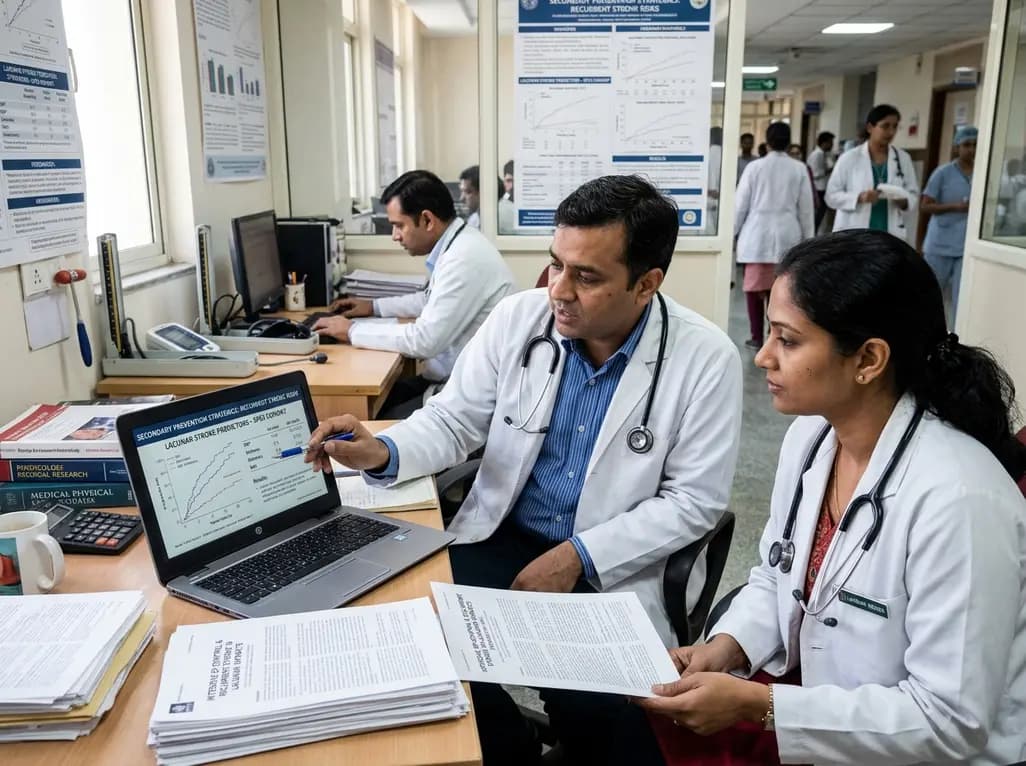
Explore vital recurrent stroke predictors in lacunar stroke patients managed with intensive blood pressure lowering. This analysis examines trial findings from SPS3 to uncover residual vascular risks, metabolic factors, and targeted secondary prevention strategies for high-risk neurological patients.
Today
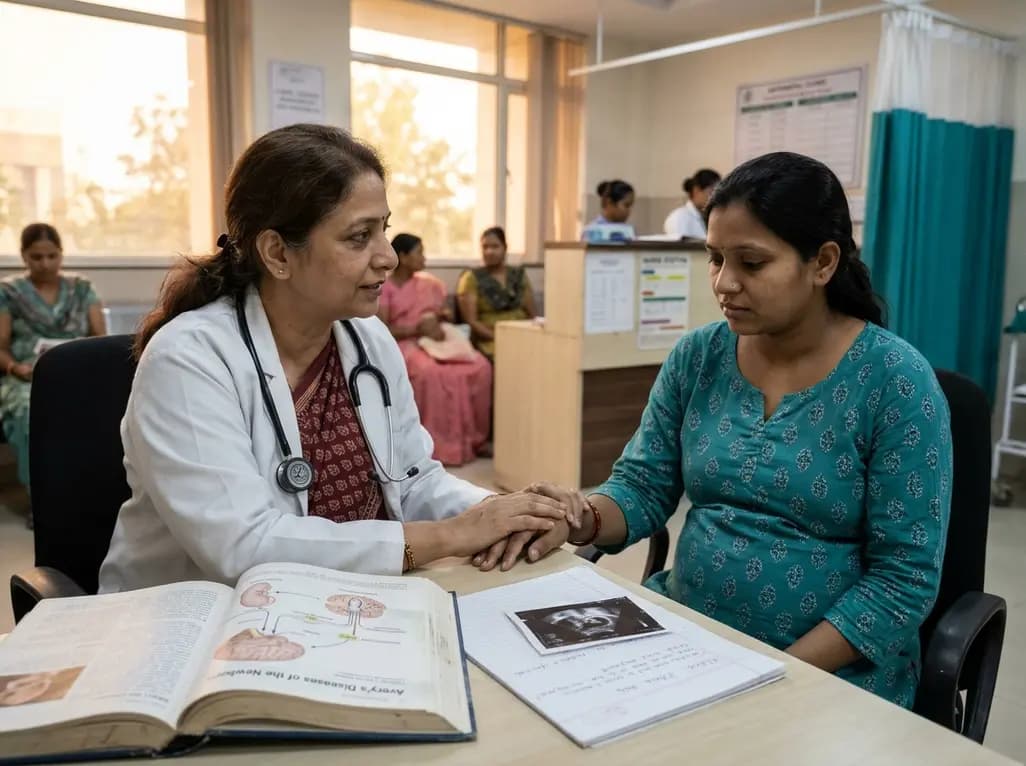
A comprehensive scoping review synthesises evidence linking prenatal maternal mental health to long-term offspring neurodevelopment, evaluating neuroendocrine, inflammatory, and epigenetic pathways while highlighting clinical screening and future research priorities.
Today

The Directorate General of Health Services directs Indian states to halt the hazardous reuse and reprocessing of single-use medical devices. Discover regulatory implications under the Drugs and Cosmetics Act, critical infection risks, legal liabilities, and operational changes required across clinical specialties.
Today
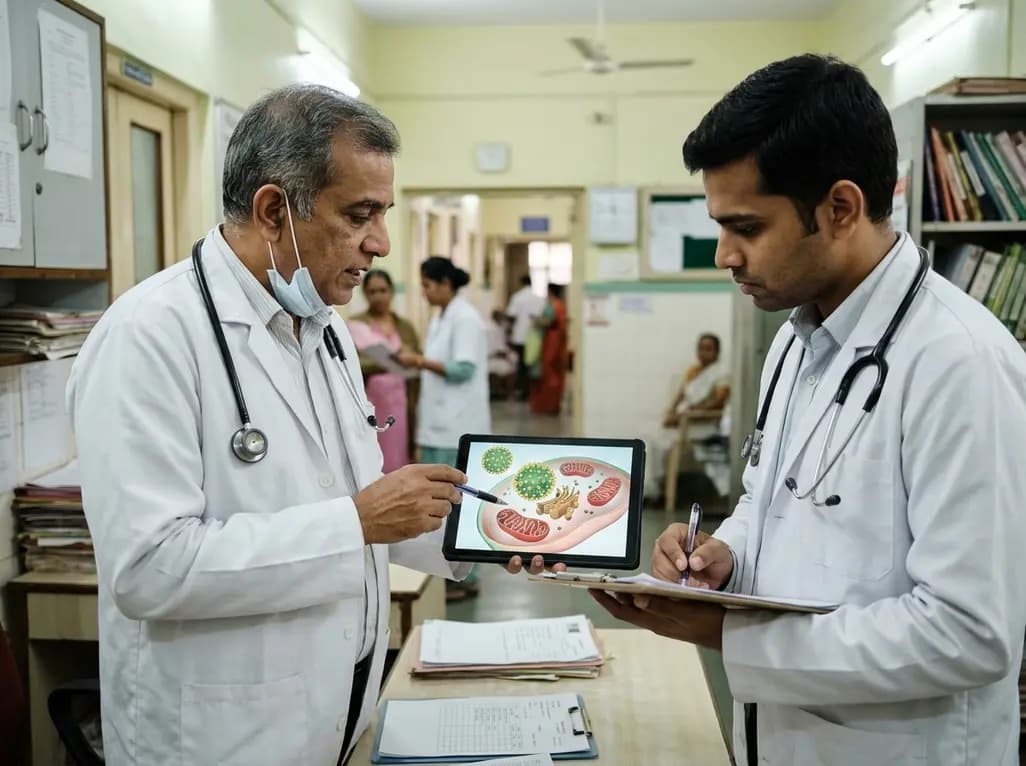
Mitochondria-targeted nanoparticles self-assembled from EGCG and L-glutamic acid effectively restore mitochondrial homeostasis, suppress synovial inflammation, and attenuate chondrocyte senescence in osteoarthritis, offering a promising disease-modifying nanotherapy.
Today

India is advancing preventive healthcare by integrating genomics, artificial intelligence, and quantum technologies. With the SANGAM programme sequencing one million Indian genomes, clinicians can unlock personalized therapies, detect cardiometabolic risks early, and curb the burden of diabetes and heart disease.
Today
