.webp&w=384&q=75)

Loading, please wait...
Loading, please wait...
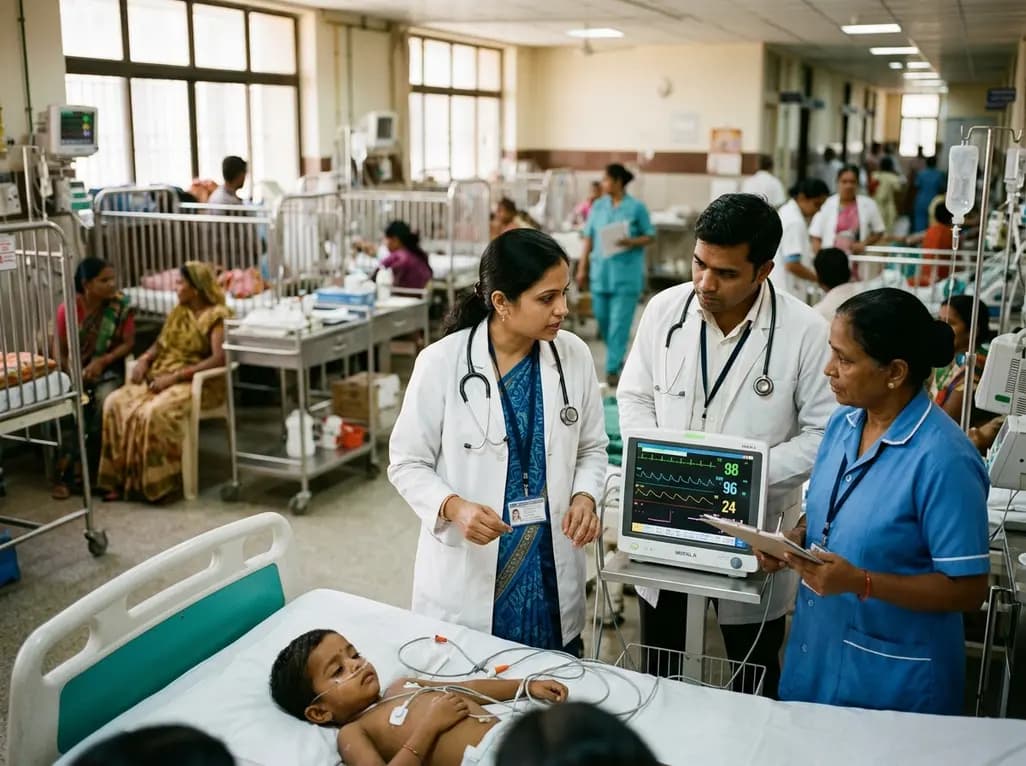
Managing critically ill pediatric patients in resource-constrained environments poses major challenges for healthcare providers. In many developing healthcare settings, medical wards experience chronic staffing shortages, limited equipment availability, and minimal automated surveillance. Consequently, clinical staff rely heavily on manual intermittent vital sign measurements. This traditional approach frequently fails to identify rapid physiological deterioration in time for life-saving interventions. To bridge this critical care gap, researchers engineered the IMPALA monitoring system specifically for low-resource environments. Designed with durable hardware, battery backup, and tailored algorithms, this technology provides continuous real-time physiological tracking for vulnerable hospitalized children. A pragmatic before-and-after evaluation examined the clinical impact and cost-effectiveness of this system in Malawian pediatric units. The investigation examined whether continuous digital oversight could reduce child mortality and critical illness events without imposing unsustainable financial burdens on local health systems or patient families. Overall, findings offer compelling evidence supporting scalable deployment of continuous monitoring solutions across low-resource pediatric facilities.
To evaluate the practical effectiveness of the system, investigators conducted a rigorous economic and clinical assessment across pediatric units in Malawi. The study analyzed data from thousands of admitted children aged zero to 180 months at Zomba Central Hospital and St. Luke's Hospital. Researchers evaluated changes in patient outcomes before and after introducing continuous vital sign tracking within high-dependency units and general wards. Key evaluation metrics included overall ward mortality rates, frequency of critical illness events, disability-adjusted life years averted, and overall hospital stays. Across general pediatric wards, implementing the monitoring technology achieved significant reductions in patient mortality. Specifically, adjusted ward mortality decreased by nearly two percentage points, representing a forty percent relative reduction in pediatric deaths. Additionally, continuous surveillance dramatically reduced critical illness events by over fifty percent in high-dependency settings. These clinical improvements demonstrate that early detection of physiological decline enables nursing staff to initiate prompt interventions, effectively preventing catastrophic clinical decompensation.
Evaluating medical technology in low-resource settings requires demonstrating clinical efficacy alongside financial sustainability. The comprehensive economic evaluation assessed direct medical costs, facility operational expenses, non-medical caregiver costs, and broader societal financial impacts. Remarkably, the monitoring system proved to be financially dominant in general pediatric ward environments. This dominance means that the technology simultaneously improved survival outcomes while significantly lowering total provider and societal healthcare costs. Reduced financial expenditure stemmed primarily from shorter hospital stays and fewer expensive emergency resuscitations resulting from early clinical stabilization. In high-dependency units, the system generated slightly higher initial equipment expenditures; however, it delivered substantial clinical gains with minimal incremental costs. Incremental cost-effectiveness ratios demonstrated that saving a child's life required exceptionally low financial investment. Consequently, the technology represents a highly cost-effective intervention, providing immense economic return while maximizing population health outcomes in resource-limited hospital settings.
A particularly noteworthy finding was the remarkable spillover effect observed beyond high-dependency units. Although healthcare teams primarily deployed monitors within high-dependency settings, positive clinical outcomes extended across general pediatric wards. Continuous tracking in high-dependency units enabled clinicians to stabilize critically ill children more efficiently, thereby facilitating safer transfers back to general wards. Furthermore, continuous vital sign monitoring unburdened bedside nursing staff by streamlining vital sign collection and automated risk stratification. As a result, healthcare workers possessed additional time and clinical bandwidth to inspect, triage, and manage patients housed in lower-intensity ward beds. This systemic operational efficiency elevated baseline quality of care throughout the entire pediatric department. By fostering proactive clinical management and improving nursing workflow, continuous monitoring technology transformed hospital-wide patient care dynamics. These spillover benefits illustrate that strategic technological investments in specialized critical units can produce widespread institutional gains across health systems.
Traditional intensive care monitoring devices frequently fail in low-resource environments because of power interruptions, fragile components, and complex user interfaces. Conversely, this monitoring platform was co-designed and tailored to overcome specific infrastructural obstacles inherent to resource-limited facilities. The system incorporates long-lasting internal battery backup capable of surviving prolonged power outages, protective casing resistant to environmental heat, and an intuitive user interface that requires minimal specialized digital literacy. Furthermore, the technology features customized alarm thresholds to prevent alarm fatigue among busy healthcare staff managing high patient ratios. By integrating affordable sensors that simultaneously monitor heart rate, respiratory rate, oxygen saturation, and blood pressure, the device ensures uncompromised patient surveillance. These contextual engineering choices ensure high usability, provider acceptance, and long-term device durability. Designing medical equipment specifically for operational reality remains paramount to achieving sustainable adoption and lasting clinical impact in developing health systems.
The empirical findings from this Malawi trial carry profound policy implications for global pediatric health strategies. Historically, health policy experts questioned whether sophisticated continuous monitoring technologies could justify deployment in low-income hospital settings suffering from staff shortages. However, this study demonstrates that continuous monitoring is feasible, highly cost-effective, and life-saving. By preventing acute clinical deterioration, decreasing disability-adjusted life years, and shortening inpatient hospitalization, continuous digital oversight optimizes scarce healthcare resources. Global health leaders, funding bodies, and hospital administrators in low- and middle-income countries should prioritize automated surveillance technology within pediatric critical care pathways. Investing in affordable, context-appropriate digital monitoring systems offers a powerful mechanism to reduce avoidable child mortality globally. Integrating these tools into national healthcare infrastructure will substantially advance efforts to achieve Sustainable Development Goals for child survival worldwide.
Unlike conventional monitoring devices designed for high-resource intensive care units, the IMPALA system features continuous power-independent operations, rugged hardware, and customizable alarm thresholds. It tracks multiple vital signs simultaneously while simplifying user navigation for clinical staff in resource-constrained hospitals. This contextual design unburdens bedside healthcare workers, reduces device failure rates, and ensures continuous patient surveillance despite infrastructure challenges, power instability, and severe nurse shortages.
Manual vital sign monitoring in crowded wards often delays detection of pediatric physiological decline until catastrophic failure occurs. Delayed interventions lead to prolonged hospital stays, costly emergency resuscitations, and higher mortality. Continuous digital tracking identifies subtle deterioration early, enabling rapid bedside interventions. By shortening overall inpatient stays, preventing severe critical illness events, and decreasing emergency resource utilization, continuous monitoring substantially lowers total medical and societal healthcare expenditures.
Yes, continuous monitoring systems can be successfully implemented in both high-dependency units and general pediatric wards. Research demonstrates that automated vital sign surveillance lowers mortality and critical illness events across ward environments. Furthermore, implementing continuous monitoring in critical care units generates significant spillover benefits for general wards by improving clinical workflow, enabling timely patient transfers, and allowing healthcare staff to dedicate more time to ward patients.
Disclaimer: This content is for informational and educational purposes only and does not constitute medical advice, diagnosis, or treatment. Healthcare professionals should rely on their clinical judgment and reference official guidelines when making treatment decisions. Refer to the latest local and national guidelines for clinical practice.
References

Read summarized clinical updates, watch expert medical content, and earn CME certifications right from your smartphone.
Open your smartphone camera to scan and install.





A pragmatic study in Malawi shows the IMPALA continuous monitoring system reduces pediatric ward mortality by 40% and critical illness events by over 50%. The technology lowers total healthcare costs in wards and proves highly cost-effective in pediatric high-dependency units.
last month
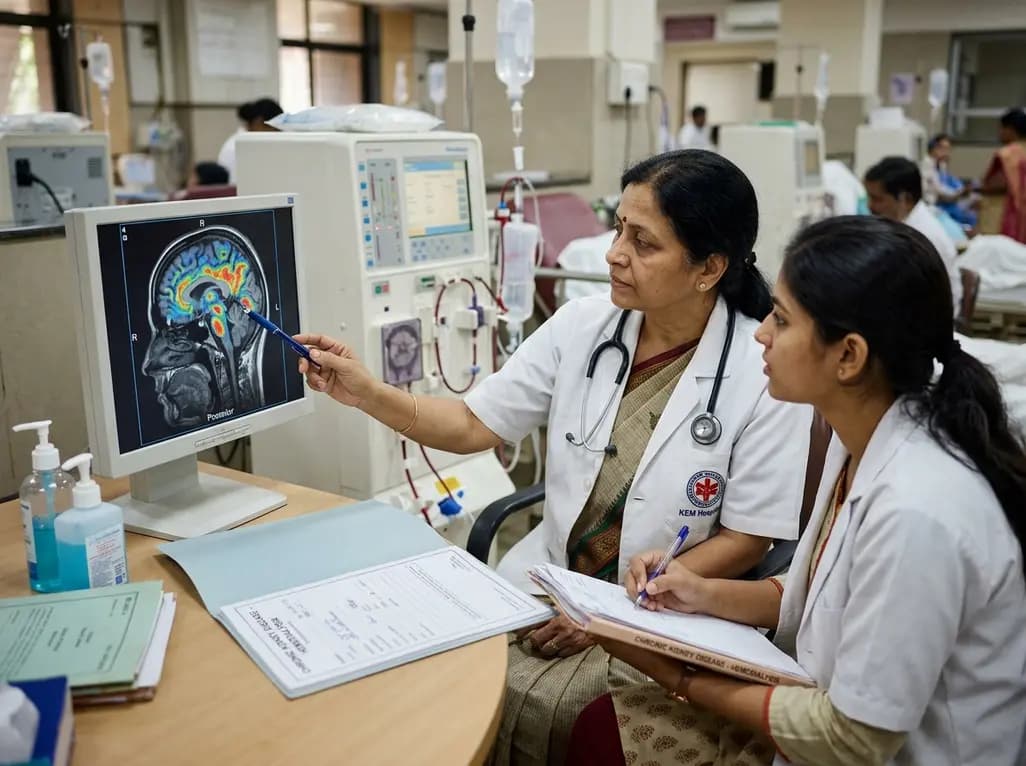
A retrospective clinical analysis reveals that hemodialysis-associated cognitive dysfunction arises from synergistic pathological mechanisms, including severe chronic anemia, worsening renal clearance, abnormal regional brain iron deposition, and an imbalance between neuroinflammatory and neurotrophic factors.
Today
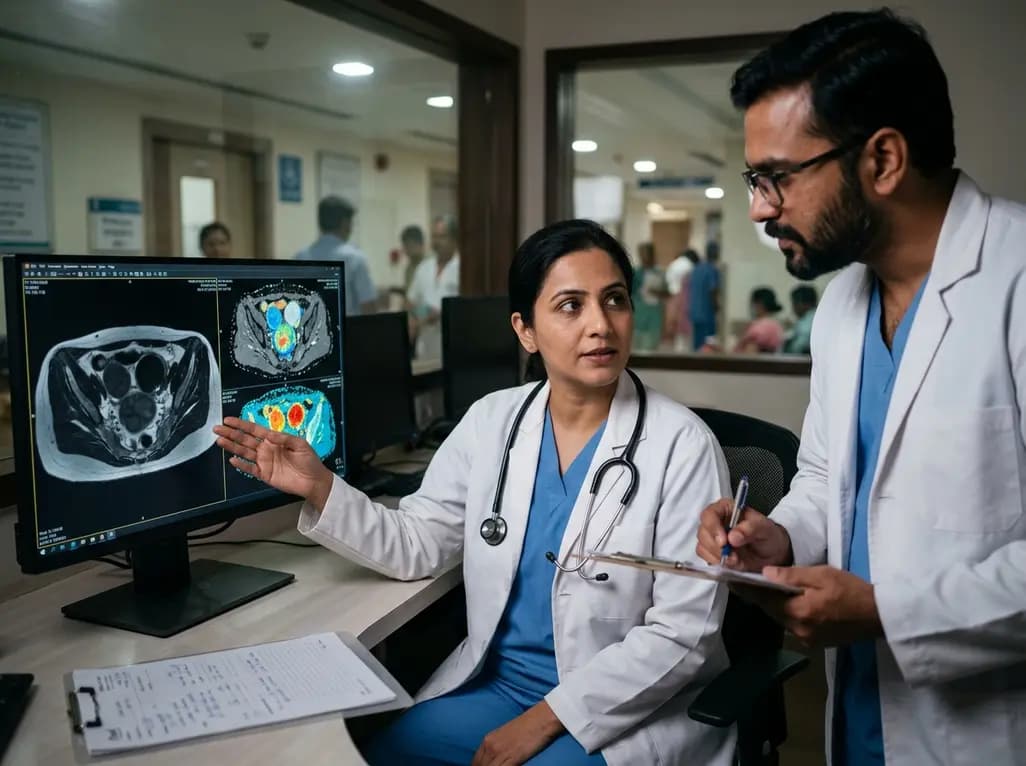
A multiparametric MRI approach combining quantitative T2 shading, apparent diffusion coefficient (ADC) measurements, and morphological signs provides superior diagnostic accuracy over subjective evaluation to differentiate ovarian endometriomas from benign hemorrhagic cysts.
Today
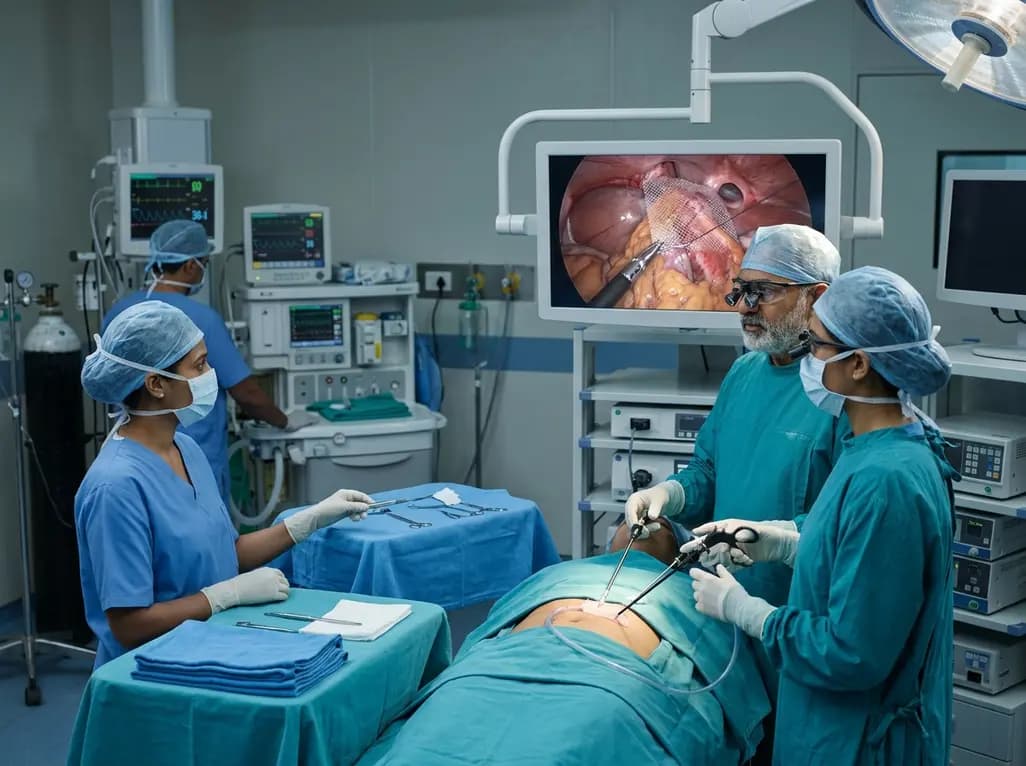
Discover a novel laparoscopic approach for iatrogenic diaphragmatic hernia repair following pedicled omentoplasty. This modified Sugarbaker technique integrates dorsal pedicle lateralization and round ligament reinforcement to secure the diaphragmatic defect while preserving vital omental vascularity.
Today
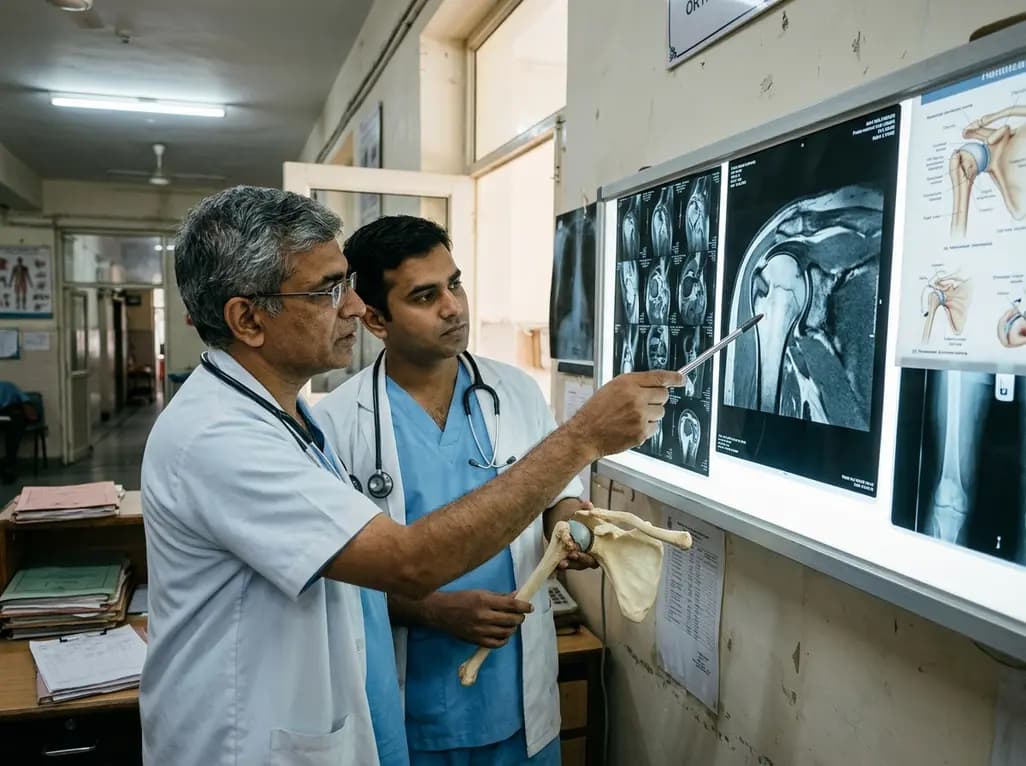
Evaluating Hill-Sachs lesion size and the distance to dislocation is critical in recurrent shoulder instability. As bone loss concepts shift from binary on-track classifications to continuous risk assessment, clinicians must identify when isolated Bankart repair is insufficient and supplementary procedures are needed.
Today
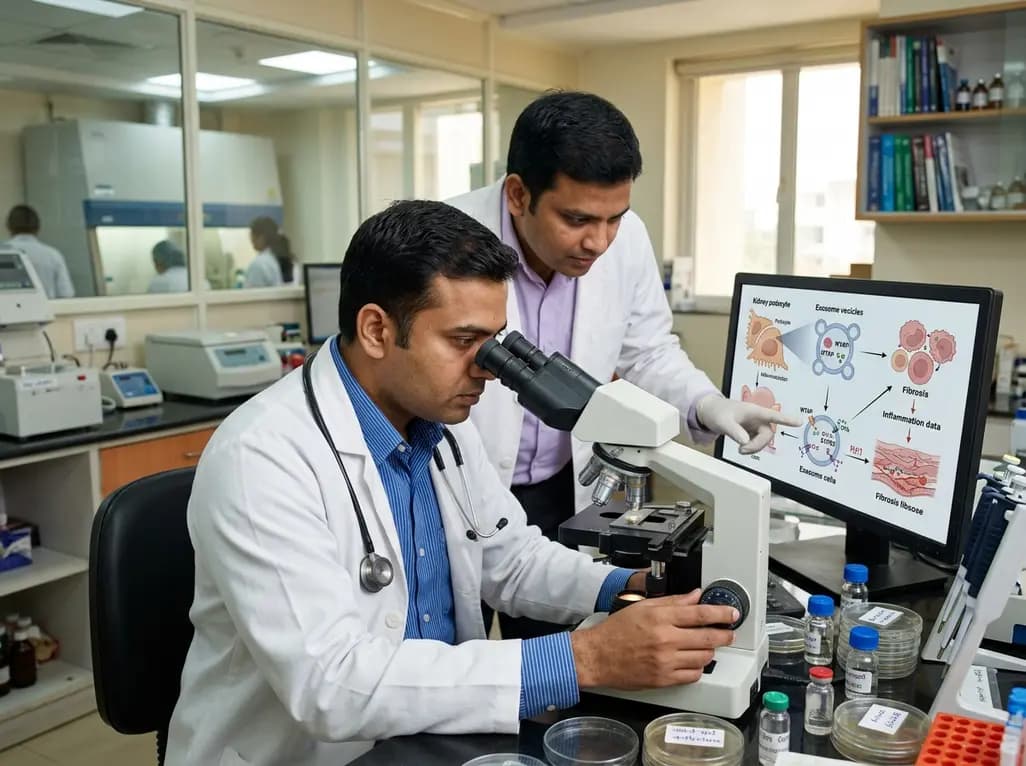
New research reveals that M1 macrophage-derived exosomes aggravate diabetic nephropathy by transferring WTAP to stabilize S1PR2 mRNA. Silencing WTAP in these vesicles attenuates endothelial injury and renal fibrosis, pointing toward innovative nanomedicine therapies.
Today
