.webp&w=384&q=75)

Loading, please wait...
Loading, please wait...
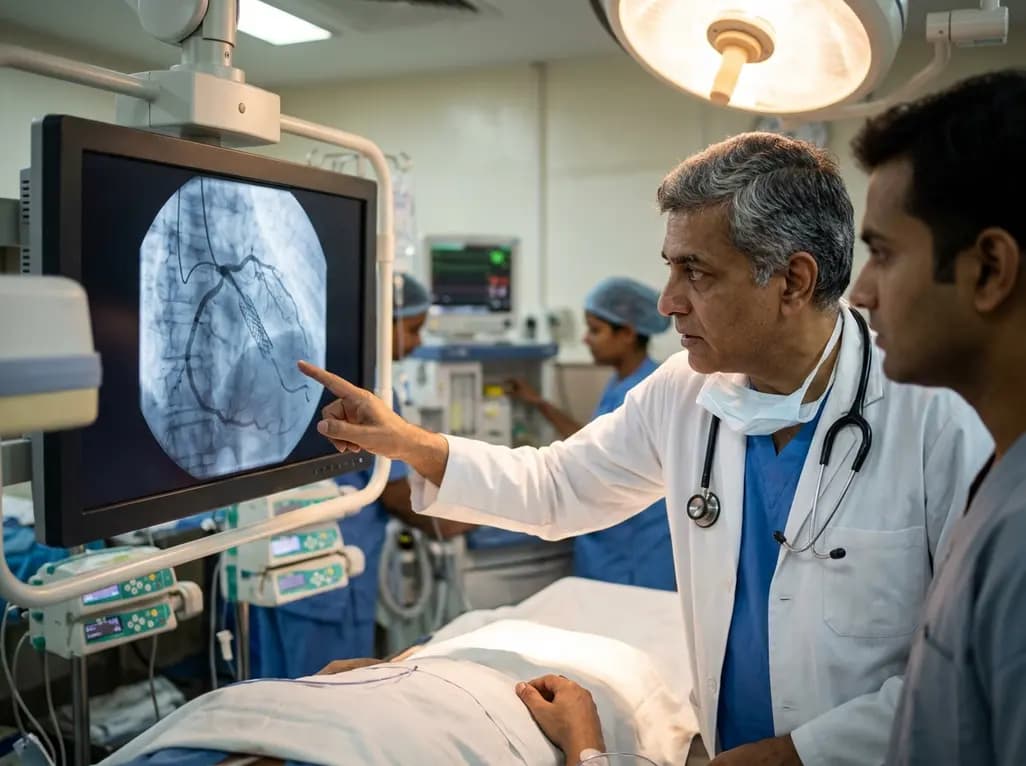
Union Health Minister JP Nadda underwent coronary angioplasty at the All India Institute of Medical Sciences in New Delhi following clinical evaluation for cardiac uneasiness. The medical team initially conducted diagnostic coronary angiography on August 13, 2026, before successfully completing the revascularization procedure on August 17, 2026. Hospital authorities confirmed that the minister remains stable under continuous observation in the cardiology ward. This event highlights how early cardiac evaluation and timely interventional cardiology techniques effectively treat ischemic heart disease and restore stable coronary blood flow.
Atherosclerotic coronary artery disease develops when lipid-laden plaques narrow the lumen of cardiac vessels. Consequently, myocardial oxygen supply fails to meet physiological demand during exertion or stress. Clinicians recommend coronary angioplasty when patients experience persistent angina despite optimized medical therapy. Furthermore, interventional cardiologists perform this procedure urgently in acute coronary syndromes, such as unstable angina or myocardial infarction. Early intervention quickly restores myocardial perfusion and prevents extensive tissue necrosis.
Additionally, non-invasive cardiac investigations often guide the initial decision for catheter-based therapy. Patients presenting with chest discomfort or unexplained uneasiness frequently undergo resting electrocardiograms, cardiac biomarker assays, and echocardiography. If clinical findings indicate active myocardial ischemia, specialists promptly recommend an invasive diagnostic evaluation. Moreover, high-risk clinical features, such as hemodynamic instability or ischemic electrical changes, necessitate urgent transfer to a cardiac catheterization laboratory. Therefore, primary care physicians and emergency teams must recognize ischemic symptoms early. Timely referral significantly improves clinical outcomes and reduces long-term mortality across diverse patient populations.
Coronary angiography remains the gold standard diagnostic procedure for assessing coronary vascular anatomy. During this invasive test, cardiologists introduce a thin, flexible catheter into a peripheral artery. Most contemporary centers prefer the radial artery approach over femoral access because it substantially reduces bleeding complications. Furthermore, radial access promotes early patient mobilization and shortens hospital stays.
Once the catheter reaches the coronary ostia, the operator injects radiopaque contrast medium under fluoroscopic visualization. Consequently, real-time X-ray imaging clearly delineates the location, length, and luminal diameter reduction of coronary lesions. In addition, interventional specialists may utilize advanced intravascular imaging tools, such as intravascular ultrasound or optical coherence tomography. These imaging modalities provide detailed anatomical insights regarding plaque composition, calcification patterns, and vessel wall dimensions.
Similarly, clinicians frequently evaluate equivocal lesions using physiological pressure wire assessments, including fractional flow reserve. These functional measurements determine whether a specific stenosis causes significant hemodynamic impairment. Thus, comprehensive angiographic evaluation ensures accurate lesion selection. It allows the heart team to decide whether medical management, percutaneous stenting, or coronary artery bypass surgery represents the most effective therapeutic pathway for the patient.
When diagnostic angiography identifies a hemodynamically significant stenosis, the interventionalist advances a specialized guide catheter into the target coronary vessel. Subsequently, a micro-guidewire carefully crosses the atherosclerotic lesion under fluoroscopic guidance. Operators then pass a tiny balloon catheter over the guidewire directly across the narrowed segment. Inflation of this balloon expands the narrowed lumen by compressing the atheromatous plaque against the arterial wall.
Modern interventional practice routinely incorporates the placement of drug-eluting stents following initial balloon dilatation. These expandable metallic mesh scaffolds preserve mechanical vessel patency and prevent acute elastic recoil. Moreover, drug-eluting stents steadily release antiproliferative pharmacological agents, such as everolimus or zotarolimus, into the adjacent vessel wall. Consequently, these medications suppress smooth muscle cell migration and dramatically reduce the incidence of in-stent restenosis.
After deploying the stent at optimal pressure, the cardiologist often conducts post-dilatation using non-compliant balloons. This crucial step guarantees complete stent apposition against the vessel architecture. Finally, follow-up contrast angiography verifies unobstructed blood flow through the newly widened artery. The operator then safely removes all catheters and applies a specialized hemostatic compression device at the arterial puncture site.
Following successful coronary angioplasty, medical staff transfer the patient to a dedicated coronary care unit for intensive surveillance. Healthcare teams continuously track vital signs, cardiac rhythms, and oxygen saturation levels during the initial recovery hours. Furthermore, nurses regularly inspect the vascular access site to detect potential local complications, such as hematoma formation or arterial bleeding. Continuous telemetry monitoring promptly captures any reperfusion arrhythmias or recurrent ischemic changes.
Hydration management forms another vital component of post-procedural nursing care. Adequate oral or intravenous fluids accelerate the renal clearance of iodinated contrast media. As a result, adequate hydration significantly mitigates the risk of contrast-induced acute kidney injury, particularly in susceptible individuals. Clinicians also check post-procedure serum creatinine, electrolyte levels, and cardiac enzymes to verify physiological stability.
Additionally, clinicians ensure the immediate initiation of dual antiplatelet therapy. Combining aspirin with a potent P2Y12 platelet inhibitor, such as ticagrelor or clopidogrel, prevents acute and subacute stent thrombosis. Most stable patients ambulate within hours after radial-access procedures. Consequently, uncomplicated elective cases achieve stable recovery quickly and qualify for hospital discharge within one to two days under appropriate clinical supervision.
Long-term management following percutaneous coronary intervention extends far beyond mechanical vessel revascularization. Patients must strictly adhere to comprehensive secondary prevention regimens to prevent future cardiovascular events. Specifically, maintenance dual antiplatelet therapy remains mandatory for several months to protect the newly deployed stent. Additionally, high-intensity statin therapy plays an essential role by stabilizing systemic vascular plaques and achieving aggressive low-density lipoprotein cholesterol targets.
Physicians also prescribe beta-blockers and angiotensin-converting enzyme inhibitors to optimize myocardial oxygen consumption and regulate arterial blood pressure. Furthermore, comprehensive lifestyle modification serves as the cornerstone of cardiovascular rehabilitation. Cardiologists strongly encourage patients to adopt heart-healthy Mediterranean or balanced dietary habits and eliminate tobacco exposure completely.
Structured exercise training, under the guidance of cardiac rehabilitation specialists, safely restores functional stamina and enhances quality of life. In addition, patients learn stress management techniques and receive continuous education regarding cardiovascular risk control. Routine follow-up visits allow physicians to monitor therapeutic compliance, adjust drug dosages, and assess potential medication side effects. Ultimately, combining innovative interventional technology with disciplined long-term medical care optimizes cardiac longevity and minimizes the risk of disease recurrence.
Q1: What is the primary difference between coronary angiography and coronary angioplasty?
Coronary angiography is purely a diagnostic procedure that uses contrast dye and X-ray imaging to visualize blockages within the coronary arteries. In contrast, coronary angioplasty is a therapeutic intervention performed to open those identified blockages. During angioplasty, cardiologists inflate a specialized balloon and deploy a permanent stent to restore adequate blood flow to the ischemic myocardium effectively.
Q2: How long is the typical hospital stay and recovery period after an angioplasty procedure?
Most patients who undergo an uncomplicated, planned coronary angioplasty stay in the hospital for twenty-four to forty-eight hours for observation. Patients treated via a radial artery approach typically ambulate within several hours. Most individuals resume light daily activities within one week, although they must avoid heavy lifting, strenuous exertion, and driving until their physician provides medical clearance.
Q3: Why is continuous antiplatelet medication essential following stent placement?
Antiplatelet therapy prevents circulating blood platelets from adhering to the metallic surface of a newly implanted stent. Without consistent dual antiplatelet medications, dangerous blood clots can abruptly form inside the stent, causing sudden vessel occlusion and acute myocardial infarction. Therefore, patients must strictly take prescribed antiplatelet agents without interruption unless advised by their cardiologist.
Disclaimer: This content is for informational and educational purposes only. It does not constitute medical advice or replace professional judgment. Refer to the latest local and national guidelines for clinical practice.
References

Read summarized clinical updates, watch expert medical content, and earn CME certifications right from your smartphone.
Open your smartphone camera to scan and install.





Union Minister JP Nadda underwent successful coronary angioplasty at AIIMS Delhi and remains stable. Explore the clinical indications, diagnostic angiography, procedural stent placement steps, post-PCI monitoring protocols, and long-term cardiac rehabilitation strategies essential for optimal patient recovery.
last month

Recent research defines ferro-aging as a conserved iron-lipid axis driving organ decline across primates. Age-related iron dyshomeostasis stimulates ACSL4-mediated lipid peroxidation, promoting cellular senescence. Notably, vitamin C directly inhibits ACSL4, suppressing phospholipid oxidation and multi-organ decay.
Today

A retrospective cohort study evaluated 1,000 low-risk singleton births to assess maternal and neonatal outcomes during office-hours versus off-hours. Off-hours deliveries were significantly associated with higher odds of intrapartum cesarean sections and episiotomies, highlighting critical obstetric staffing considerations.
Today
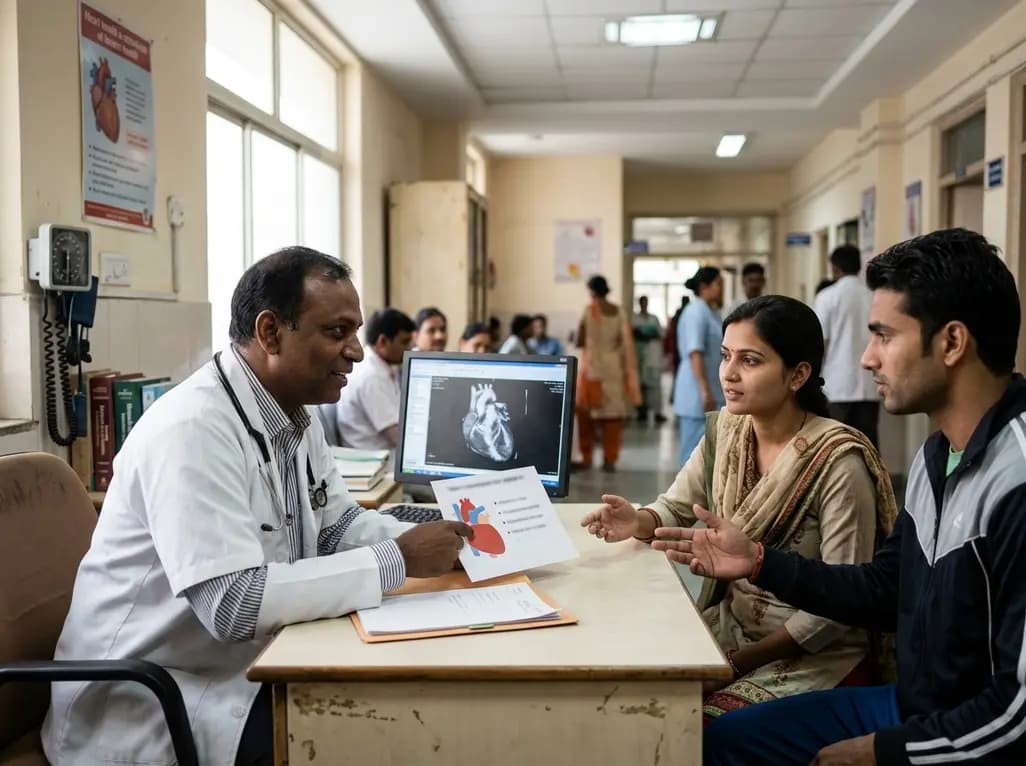
New clinical evidence demonstrates a shift away from strict exercise restrictions in genetic heart disease. While patients with channelopathies engage in more vigorous activity than those with cardiomyopathies, shared decision-making and individualized risk assessments ensure safe, beneficial exercise participation.
Today
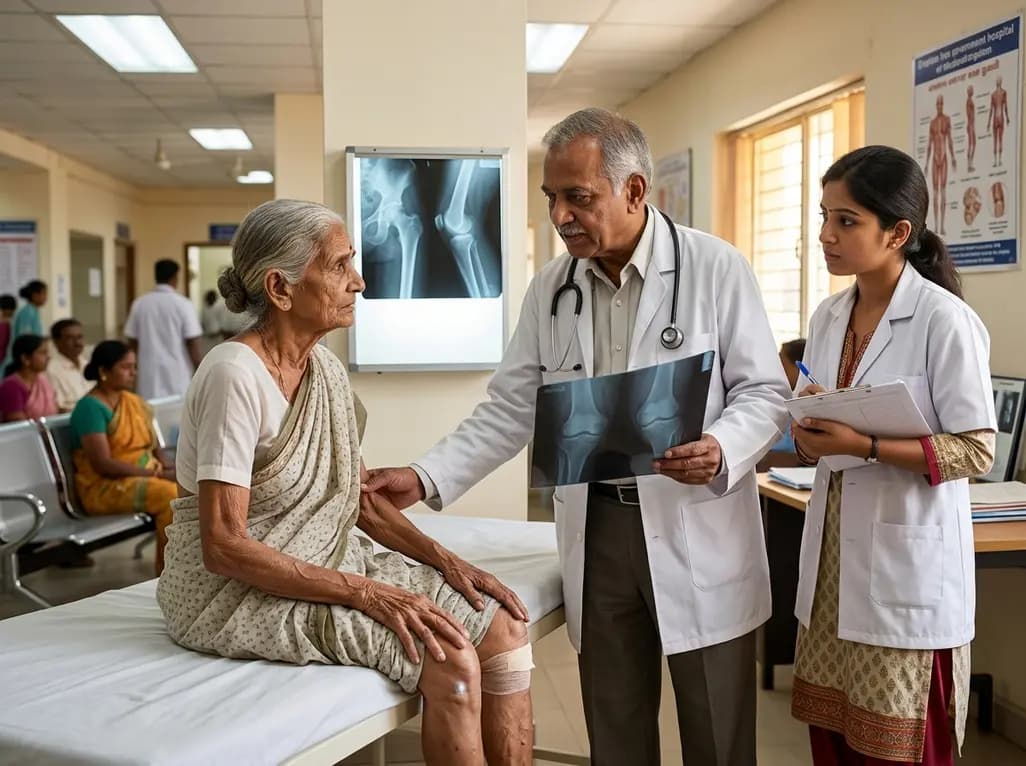
Sarcopenia significantly impairs functional independence and amplifies fracture risks in patients with osteoarthritis and osteoporosis. Learn about modern diagnostic strategies, GLP-1 therapy considerations, and evidence-based non-pharmacological management across multidisciplinary clinical settings.
Today

Discover how to identify superimposed entrapment neuropathy in diabetic patients. This review details clinical evaluation, surgical decompression evidence, and a structured algorithm for primary care referrals to prevent ulcers and preserve limb function.
Today
