.webp&w=384&q=75)

Loading, please wait...
Loading, please wait...
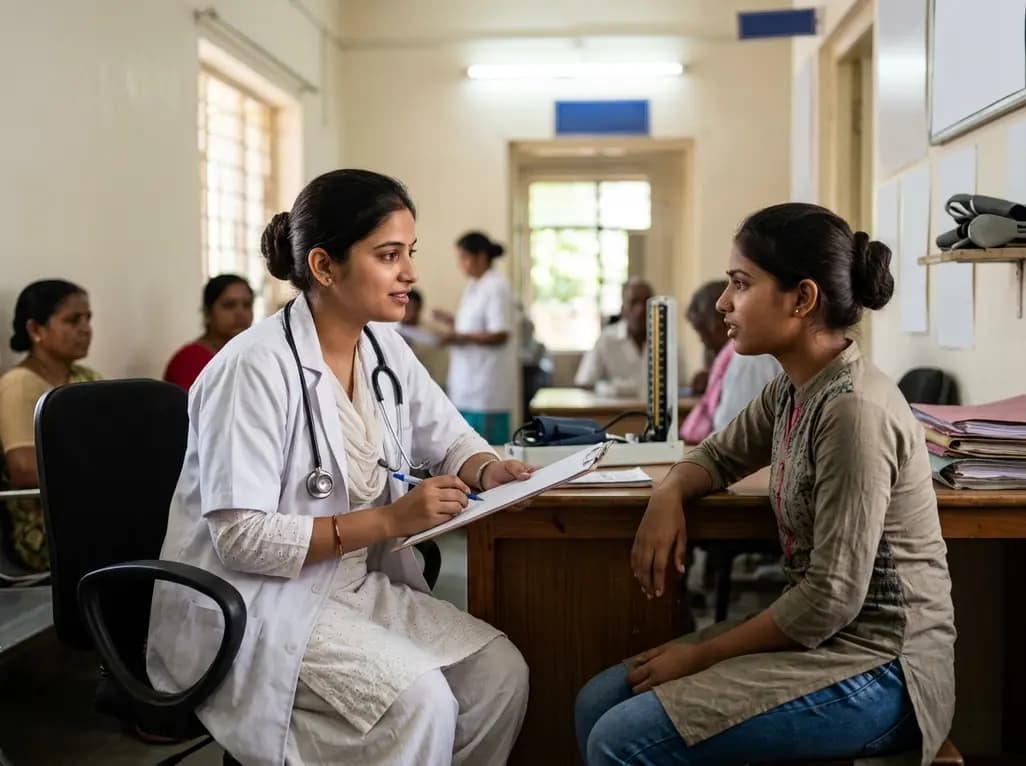
The prevalence of substance use during emerging adulthood remains a significant public health challenge globally. Specifically, the rising trend of alcohol and cannabis co-use among young women necessitates a more nuanced, gender-sensitive clinical approach. However, traditional models often ignore how unique emotional stressors influence women’s behaviors. Recently, researchers identified distinct profiles that link coping mechanisms to hazardous involvement. Therefore, these findings suggest that clinicians should look beyond consumption frequency. Notably, understanding the underlying psychosocial drivers is essential for providing effective and individualized care.
Specifically, the study identified three primary profiles among young women. The "High-Risk" profile characterized women who engaged in alcohol and cannabis co-use. In contrast, these women also reported elevated self-critical coping and low general health. Conversely, the "Protective" group displayed strong problem-solving skills. Furthermore, this group reported higher health-related quality of life (HRQoL) in key domains. Notably, a third group, labeled "Latent Vulnerability," showed low substance use. However, they still possessed poor coping resources and high self-criticism. Consequently, this discovery highlights that women with low current usage may still face significant future risks due to their psychosocial makeup.
For instance, effective identification requires more than standard screening tools like AUDIT or CAST. Specifically, clinicians should incorporate assessments of coping strategies and physical well-being. Notably, the study found that higher scores on bodily pain scales predicted cannabis-related risk. Consequently, addressing these factors in a clinical setting can improve early identification. Therefore, by focusing on gender-sensitive prevention, healthcare providers can better support young women. Additionally, this approach helps patients navigate complex developmental stressors while reducing the stigma associated with substance use.
In conclusion, these findings underscore the importance of integrating mental health assessments into routine substance screenings. Because self-criticism is a strong predictor of risk, therapeutic interventions should emphasize self-compassion and adaptive coping. Additionally, practitioners must recognize that social support acts as a powerful buffer against hazardous use. Therefore, enhancing a patient's social network should be a clinical priority. Specifically, the goal is to shift from a usage-based model to a profile-based model. Consequently, this shift improves long-term outcomes and fosters resilience in young women's health.
Co-use often correlates with higher levels of self-critical coping and poor mental health. Furthermore, it increases the likelihood of hazardous involvement compared to using either substance alone, often serving as a maladaptive response to emotional stressors.
Clinicians should look for a combination of substance co-use, high self-criticism, and reduced social support. Notably, increased bodily pain on quality-of-life surveys may also signal a higher vulnerability to cannabis-related problems.
Gender-sensitive profiling addresses the specific emotional and interpersonal stressors that women face. By targeting underlying vulnerabilities like self-criticism and bodily pain, these strategies provide more effective support than standard gender-neutral interventions.
Disclaimer: This content is for informational and educational purposes only... Refer to the latest local and national guidelines for clinical practice.
References
Marquez-Arrico JE et al. Gender-Sensitive Coping-Well-Being Profiles Associated with Alcohol and Cannabis Co-Use Among Young Adult Women. Subst Use Misuse. 2026 May 31. doi: 10.1080/10826084.2026.2670631. PMID: 42218812.
Arterberry BJ, et al. Alcohol and cannabis co-use: Receptiveness to treatments and application to intervention planning. Addict Behav. 2023. doi: 10.1016/j.addbeh.2023.107765.

Read summarized clinical updates, watch expert medical content, and earn CME certifications right from your smartphone.
Open your smartphone camera to scan and install.





Research identifies three distinct coping-well-being profiles in young women that predict risks for alcohol and cannabis co-use and hazardous involvement....
4 months ago

Novel diimide and hydrazone scaffolds, particularly compound #C4, synergistically reactivate latent HIV-1 when combined with JQ1 or PKC activators. Demonstrating donor-matched proviral transcription ex vivo and non-canonical signaling, these findings advance shock and kill strategies toward reservoir eradication.
Today

A cross-sectional study reveals that maternal RSV vaccination coverage reached only 43.7% in Argentina, with maternal vaccine knowledge being the sole independent predictor of uptake. Clinicians play a crucial role in eliminating informational and structural barriers to optimize infant health.
Today

Review how tailored exercise programs benefit frail older patients with heart failure. Explore pathophysiological mechanisms, individualized training prescriptions, and strategies to overcome adherence barriers in clinical practice.
Yesterday

This comparative study evaluates posterior labral tears with and without glenohumeral instability, highlighting distinct demographic patterns, MRI underestimation in stable shoulders, and successful arthroscopic repair outcomes.
Yesterday

A clinical study demonstrates that early intervention with tocilizumab, either as monotherapy or bridged with corticosteroids, achieves significant proptosis reduction and resolves active inflammation in treatment-naive thyroid eye disease.
Yesterday
