

Loading, please wait...
Loading, please wait...

The complex clinical intersection of insomnia and sleep apnea, widely recognized as COMISA, represents an escalating challenge in contemporary medicine. Historically, clinicians categorized obstructive sleep apnea and chronic insomnia as separate sleep disorders with independent mechanisms. However, extensive epidemiological studies confirm that these conditions frequently co-occur, generating a compounding cycle of nocturnal disruption. Obstructive apneas trigger frequent electroencephalographic arousals, which worsen sleep fragmentation and heighten nighttime distress. Consequently, affected individuals experience profound daytime exhaustion, neurocognitive deficits, and psychological distress. Furthermore, the convergence of repetitive hypoxemia and sustained physiological vigilance substantially intensifies autonomic nervous system activation. Because of this persistent hyperarousal, nocturnal blood pressure dipping is frequently blunted in these patients. Unfortunately, standard diagnostic workflows often overlook this dual pathology because prominent respiratory symptoms overshadow insomnia complaints, or vice versa. Therefore, clinicians must adopt integrated screening protocols that simultaneously evaluate sleep continuity and breathing abnormalities. Early identification enables coordinated therapeutic interventions that effectively target both upper airway collapsibility and cognitive hyperarousal.
Recent multicenter research provides critical insights into the global distribution of COMISA across distinct geographic populations. Investigators evaluated data from three cohorts: the Indian BLESS study, the Swiss HypnoLaus cohort, and the Beninese BeSAS study. Objective nocturnal recordings confirmed sleep apnea status, while validated clinical questionnaires identified chronic insomnia symptoms. Notably, the crude prevalence of COMISA varied markedly across these different geographic settings. The Swiss cohort recorded an overall prevalence of 11.4 percent, whereas the Indian BLESS cohort demonstrated a substantial prevalence of 9.1 percent. In contrast, researchers observed a notably lower prevalence of 1.7 percent within the Beninese cohort. This profound geographic variation stems from differences in obesity rates, age distributions, urbanization levels, and environmental influences. Furthermore, the high prevalence in the Indian population reveals a substantial unrecognized morbidity burden. Rapid urbanization, shifting lifestyle habits, and unique anatomical risk factors exacerbate sleep-disordered breathing across South Asia. Therefore, clinicians practicing in India must maintain elevated clinical suspicion for co-occurring sleep disorders whenever evaluating patients presenting with chronic fatigue.
The clinical relevance of COMISA extends far beyond restless nights, exerting profound effects on vascular and metabolic health. Indeed, the co-occurrence of sleep apnea and insomnia accelerates cardiovascular decline through multiple interconnected pathophysiological cascades. In the Indian cohort, multivariable logistic regression revealed a dramatic association between COMISA and systemic hypertension, demonstrating a remarkable odds ratio of 3.30. In comparison, data from the Swiss HypnoLaus study showed clear trends toward increased hypertension and metabolic syndrome, with odds ratios of 1.34 and 1.37. Intermittent hypoxia generates systemic oxidative stress and endothelial inflammation, whereas chronic sleep restriction stimulates excessive cortisol release. Consequently, this continuous autonomic and neuroendocrine dysregulation elevates peripheral vascular resistance during both sleep and waking hours. Furthermore, ongoing sleep fragmentation induces insulin resistance, fostering atherogenic lipid profiles and glycemic instability. As a result, affected patients face a substantially heightened risk of developing accelerated cardiovascular disease and adverse arterial remodeling. Healthcare providers must therefore view COMISA as a potent cardiometabolic risk factor demanding aggressive clinical intervention.
Interestingly, cardiovascular risk in COMISA is not uniform across all presentations, but correlates strongly with specific insomnia phenotypes. Researchers distinguished between difficulty initiating sleep and difficulty maintaining sleep or experiencing early morning awakenings. In the HypnoLaus cohort, the associations with hypertension and metabolic syndrome became statistically significant specifically among patients reporting sleep initiation difficulties. This phenotypic disparity indicates that distinct pathophysiological mechanisms drive cardiometabolic vulnerability in different patient subsets. For instance, prolonged sleep onset latency primarily reflects severe psychological hyperarousal and elevated baseline sympathetic activation before sleep. In contrast, nocturnal awakenings often arise directly from airway collapse and subsequent hypoxic surges. Furthermore, individuals struggling with sleep initiation experience heightened emotional distress and anticipatory anxiety regarding bedtime. This chronic nocturnal vigilance exacerbates vascular tone and elevates systemic blood pressure over prolonged periods. Consequently, physicians must systematically evaluate the exact timing and nature of sleep disruption during patient assessments. Differentiating these specific insomnia subtypes enables clinicians to stratify cardiovascular risk more accurately and implement targeted medical therapies.
Effectively addressing COMISA requires a synchronized therapeutic approach that addresses both upper airway obstruction and underlying chronic insomnia. Historically, clinicians prioritized continuous positive airway pressure therapy while disregarding coexisting insomnia symptoms. However, untreated insomnia severely undermines device adherence, frequently leading patients to abandon positive airway pressure therapy altogether. Patients experiencing sleep initiation difficulties often perceive positive airway pressure masks as claustrophobic, which amplifies nocturnal distress. To overcome this major obstacle, modern guidelines strongly advocate initiating cognitive behavioral therapy for insomnia before or alongside airway pressure titration. Notably, cognitive behavioral therapy resolves maladaptive sleep habits, mitigates pre-sleep cognitive arousal, and dramatically enhances airway therapy compliance. Concurrently, positive airway pressure therapy eliminates obstructive apneas and prevents hypoxia-induced awakenings throughout the night. Moreover, primary care clinicians across India should systematically incorporate structured sleep questionnaires into routine hypertension and metabolic consultations. By uniting behavioral sleep interventions with targeted respiratory therapies, clinical teams can significantly improve blood pressure control, metabolic stability, and long-term quality of life.
COMISA produces a synergistic insult on the cardiovascular system by combining intermittent nocturnal hypoxemia with persistent psychological and autonomic hyperarousal. This dual mechanism drastically elevates nocturnal sympathetic activity, triggers endothelial dysfunction, and accelerates arterial stiffening, leading to significantly higher risks of treatment-resistant hypertension and metabolic syndrome than either condition causes alone.
Studies indicate that insomnia characterized by sleep initiation difficulties carries an especially high risk for metabolic syndrome and systemic hypertension. Severe difficulty initiating sleep reflects profound central hyperarousal and elevated baseline adrenergic activity, which magnifies the vascular strain caused by sleep-disordered breathing and accelerates adverse cardiovascular remodeling over time.
Clinicians recommend an integrated treatment strategy combining cognitive behavioral therapy for insomnia with positive airway pressure therapy. Addressing insomnia first or concurrently significantly enhances device adherence by alleviating bedtime anxiety and mask discomfort. This multimodal approach effectively stabilizes upper airway patency, reduces sympathetic overdrive, and improves long-term cardiovascular prognosis.
Disclaimer: This content is for informational and educational purposes only... Refer to the latest local and national guidelines for clinical practice.
References

Read summarized clinical updates, watch expert medical content, and earn CME certifications right from your smartphone.
Open your smartphone camera to scan and install.





A multicenter cohort study examines comorbid insomnia and sleep apnea (COMISA) across India, Switzerland, and Benin, highlighting strong links to hypertension and metabolic syndrome.
Today

A landmark study reveals that congenital DLK1 deficiency in women with a history of central precocious puberty causes visceral adiposity, mitochondrial dysfunction, oxidative stress, and neutrophil activation, highlighting the critical need for lifelong cardiometabolic surveillance.
Today

Estetrol (E4), a native fetal estrogen, offers a unique tissue-selective profile with minimal hepatic impact and lower thrombotic risk. This review highlights its clinical use in oral contraception, menopausal symptom management, and emerging applications across oncology and neurology.
Today
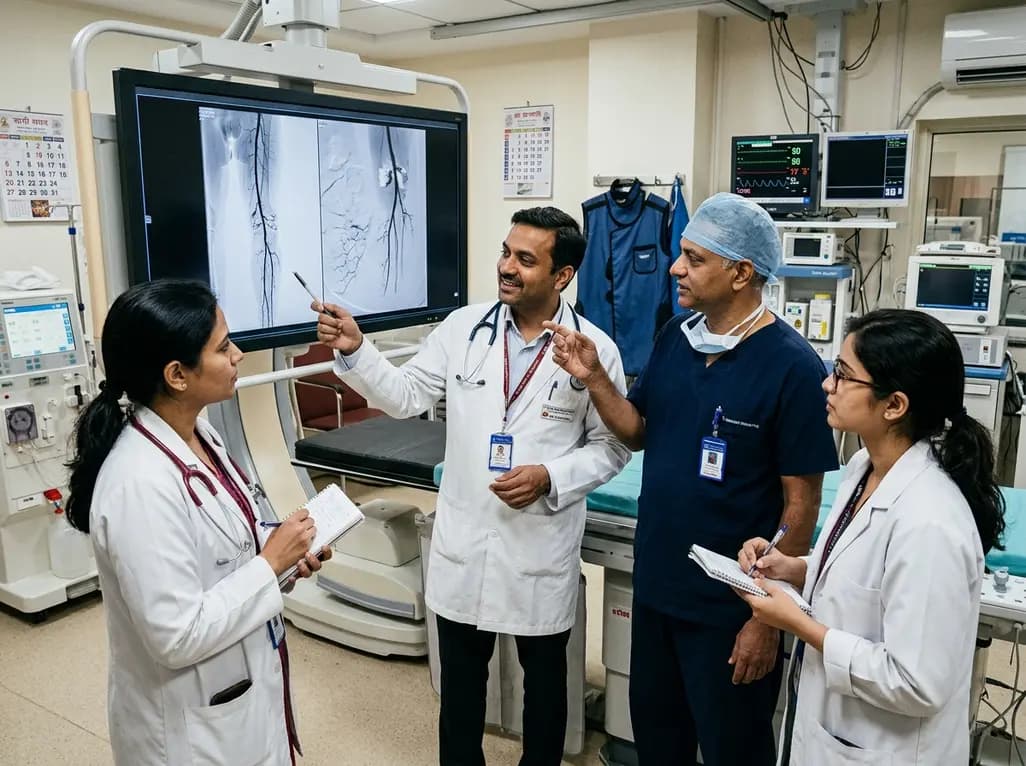
Explore revascularisation strategies in dialysis-dependent chronic limb-threatening ischaemia. This review examines surgical bypass vs endovascular therapy, BEST-CLI trial findings, procedural morbidity, conduit availability, and multidisciplinary decision-making for optimal limb salvage.
Today

A recent cross-sectional analysis reveals that over a quarter of randomized controlled trials for non-specific low back pain face discontinuation or unknown status, while more than 36% of completed trials remain unpublished, exposing notable reporting gaps in spine and musculoskeletal clinical research.
Today
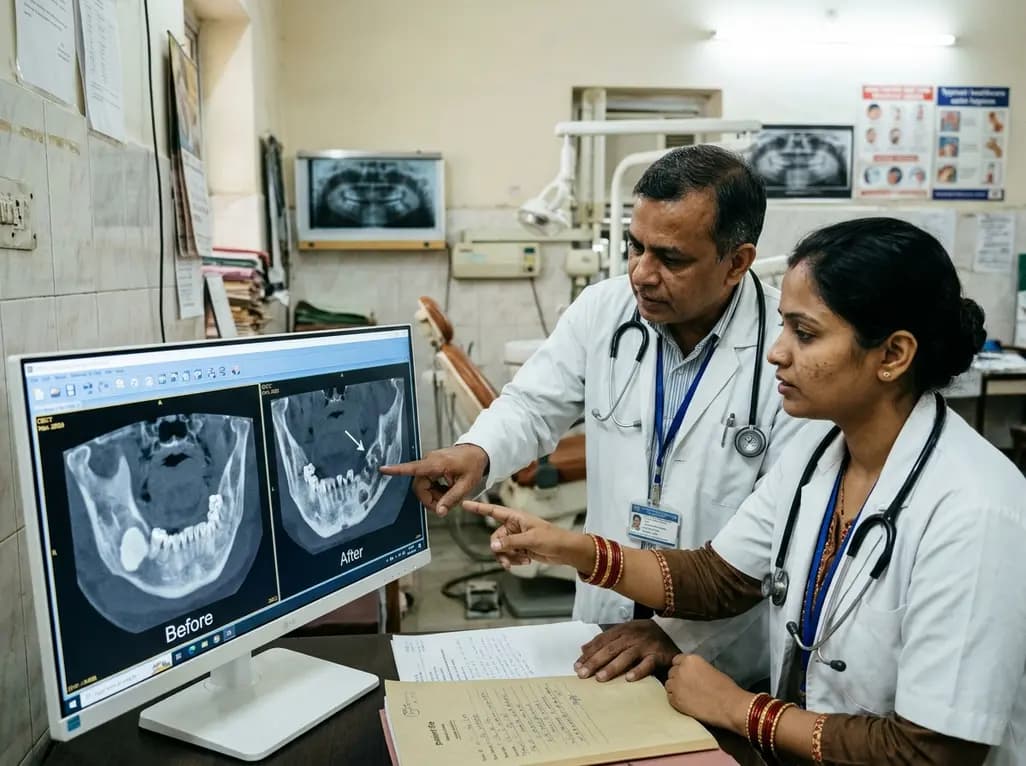
This case report examines the longitudinal CBCT evolution of Stage 2 MRONJ in a 70-year-old woman on denosumab at the site of a pre-existing mandibular dense bone island. It emphasizes the radiographic features, differential diagnosis, and multidisciplinary strategies required for high-risk bone lesions.
Today
