.webp&w=384&q=75)

Loading, please wait...
Loading, please wait...
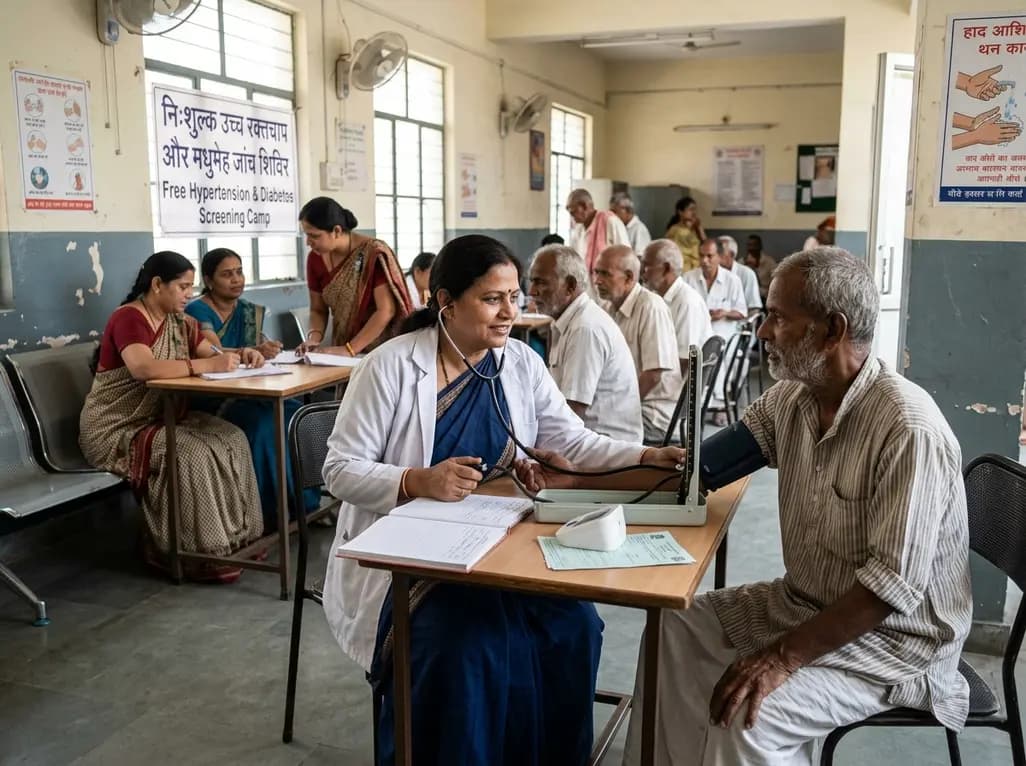
Elevated blood pressure remains the primary modifiable driver of cerebrovascular disease, ischemic stroke, and cardiovascular mortality worldwide. Consequently, early community-level hypertension screening offers an essential opportunity to detect asymptomatic disease before irreversible end-organ damage occurs. Socioeconomically vulnerable populations frequently encounter systemic healthcare barriers, leading to severe diagnostic delays. Therefore, investigators established a large-scale quasi-experimental study protocol in French Guiana to evaluate whether mediator-led community screening reduces stroke hospitalizations. By deploying mobile health units and structured referral networks directly into precarious neighborhoods, this proactive public health model provides valuable real-world insights for clinicians worldwide.
Hypertension represents a silent pandemic that disproportionately affects socioeconomically disadvantaged communities across the globe. In precarious urban neighborhoods, awareness of elevated blood pressure remains low due to absent routine medical evaluations. Consequently, patients frequently present for emergency care only after suffering acute ischemic stroke or intracerebral hemorrhage. Pathophysiologically, sustained arterial hypertension promotes endothelial dysfunction, microvascular damage, arterial stiffness, and accelerated atherogenesis within cerebral vessels.
Furthermore, social determinants of health create substantial hurdles that prevent individuals from accessing timely preventive care. Financial distress, transportation barriers, and limited health literacy severely hinder routine clinic attendance. In response, decentralized screening models bring diagnostic evaluations directly to community doorsteps. By establishing proactive surveillance in high-risk neighborhoods, healthcare systems can detect undiagnosed hypertension and intercept vascular disease progression early. Therefore, systematic screening in underserved communities remains an indispensable public health strategy to prevent disabling stroke.
To evaluate decentralized cardiovascular prevention, researchers designed a 27-month quasi-experimental study in the Communauté d'Agglomération du Centre Littoral. Specifically, the initiative deployed trained community health mediators who conducted mobile outreach and home visits over a 24-month period. The study protocol targeted adults aged 18 years and older residing in socioeconomically precarious urban neighborhoods.
Mediators delivered standardized blood pressure measurements and comprehensive cardiovascular education to every participant. When screening revealed elevated readings, mediators provided structured referrals to local primary care clinics. In addition, the research team conducted telephone follow-up assessments through December 2025 to monitor care linkage and medication adherence. Overall, the field intervention reached 23,289 individuals, formally enrolling 10,901 participants who completed detailed socioeconomic and behavioral questionnaires. Researchers will analyze hospitalization databases using interrupted time series models, with primary trial results anticipated in 2026.
Task-sharing models offer a proven strategy to expand healthcare delivery in resource-constrained settings. Within this protocol, community health mediators served as the primary link between vulnerable residents and formal medical services. Because mediators share cultural, linguistic, and neighborhood ties with local citizens, they effectively fostered mutual trust and diminished healthcare skepticism.
Mediators performed essential functions beyond basic blood pressure measurements. Specifically, they provided guidance on dietary sodium reduction, smoking cessation, physical activity, and antihypertensive medication adherence. Moreover, structured navigation assistance ensured that referred individuals attended confirmatory clinical evaluations at local health centers. By addressing cultural and socioeconomic barriers simultaneously, mediators maintained high participant engagement throughout the follow-up period. Furthermore, this collaborative approach relieved primary care physicians from routine outreach, allowing them to focus on diagnostic workups and pharmacological management. Therefore, empowering trained mediators strengthens cardiovascular care in marginalized communities.
Determining the true public health value of community interventions requires rigorous, objective clinical endpoints. In this protocol, investigators designated the population-level change in stroke incidence before and after the intervention as the primary outcome. To measure this endpoint accurately, the study leverages hospitalization data from the French national Programme de Médicalisation des Systèmes d'Information registry.
Additionally, secondary outcomes evaluate incidence shifts in acute myocardial infarction, chronic kidney disease progression, and long-term antihypertensive adherence rates. Methodologically, the investigators utilize interrupted time series analysis, multivariable regression models, and chi-square tests to quantify clinical shifts. Furthermore, multiple imputation techniques will address potential missing data variables across the longitudinal registry. By directly linking community outreach with administrative hospital discharge data, this protocol provides a robust method for measuring hard cardiovascular endpoints. Consequently, these findings will help healthcare administrators evaluate the real-world cost-effectiveness of decentralized hypertension interventions.
The operational design of this study offers valuable lessons for healthcare delivery in India, where hypertension affects over 220 million adults. Currently, fewer than one in eight affected individuals achieve adequate blood pressure control, driving an alarming burden of premature stroke and ischemic heart disease. However, initiatives like the India Hypertension Control Initiative demonstrate that decentralized, protocol-based primary care significantly enhances treatment rates.
Indian clinicians can adapt this mediator-led model by collaborating closely with Accredited Social Health Activists and Auxiliary Nurse Midwives. By deploying validated digital blood pressure monitors at Ayushman Arogya Mandirs, frontline workers can conduct proactive screening across rural communities and urban informal settlements. Furthermore, establishing seamless digital tracking systems and structured referral pathways ensures that patients with elevated readings receive prompt pharmacological therapy. Clinicians must champion routine screening during every patient encounter while supporting community health workers to establish robust follow-up networks that prevent stroke.
Community-based hypertension screening identifies elevated blood pressure in asymptomatic individuals before microvascular and endothelial damage causes severe cerebrovascular accidents. Early detection facilitates timely lifestyle modifications and the swift initiation of evidence-based antihypertensive pharmacotherapy. Consequently, lowering systemic vascular resistance and stabilizing arterial blood pressure prevents atherothrombotic plaque rupture and intracranial hemorrhage, thereby substantially decreasing long-term stroke incidence and related cardiovascular disability across vulnerable communities.
Frontline health mediators deliver essential community-level blood pressure screening, provide tailored cardiovascular lifestyle education, and build trust among vulnerable populations. In addition, they facilitate structured clinical referrals to primary healthcare facilities and conduct longitudinal follow-up calls to reinforce medication adherence. By mitigating cultural, linguistic, and navigation barriers, health mediators ensure timely clinical intervention and sustained engagement for individuals with undiagnosed or uncontrolled hypertension.
Clinicians in India can collaborate with frontline health workers, such as Accredited Social Health Activists and Auxiliary Nurse Midwives, to conduct decentralized blood pressure screening. Physicians can establish simplified, protocol-based treatment algorithms at primary health centres and Health and Wellness Centres. Furthermore, supporting non-physician health workers with structured referral networks and digital tracking tools enhances long-term treatment adherence and improves blood pressure control rates.
Disclaimer: This content is for informational and educational purposes only and should not be considered medical advice. Always consult a qualified healthcare professional regarding any medical condition or treatment. Refer to the latest local and national guidelines for clinical practice.
References

Read summarized clinical updates, watch expert medical content, and earn CME certifications right from your smartphone.
Open your smartphone camera to scan and install.





A quasi-experimental study protocol evaluates whether community-based hypertension screening led by health mediators reduces stroke hospitalizations in underserved urban populations, offering valuable lessons for primary care and task-sharing models in India.
last month

Discover how to identify superimposed entrapment neuropathy in diabetic patients. This review details clinical evaluation, surgical decompression evidence, and a structured algorithm for primary care referrals to prevent ulcers and preserve limb function.
Today
A retrospective cohort study evaluated 1,000 low-risk singleton births to assess maternal and neonatal outcomes during office-hours versus off-hours. Off-hours deliveries were significantly associated with higher odds of intrapartum cesarean sections and episiotomies, highlighting critical obstetric staffing considerations.
Today
A comprehensive systematic review reveals that CT-based epicardial adipose tissue radiomics combined with machine learning holds significant promise for predicting atrial fibrillation occurrence and recurrence. However, technical heterogeneity and validation gaps currently limit immediate clinical adoption.
Today
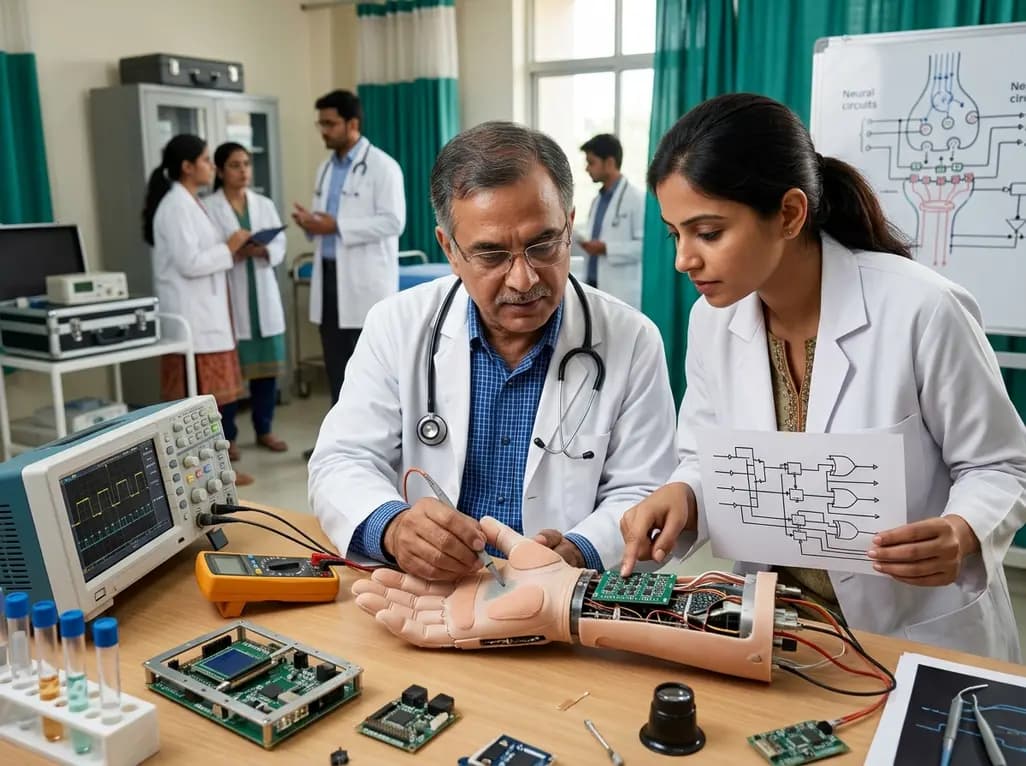
Researchers have engineered an artificial sensory-pain integrated receptor using a multi-threshold organic synaptic transistor. The system distinguishes benign touch from noxious stimuli, enabling safer, more responsive prosthetic limbs with built-in memory and simplified hardware architecture.
Today
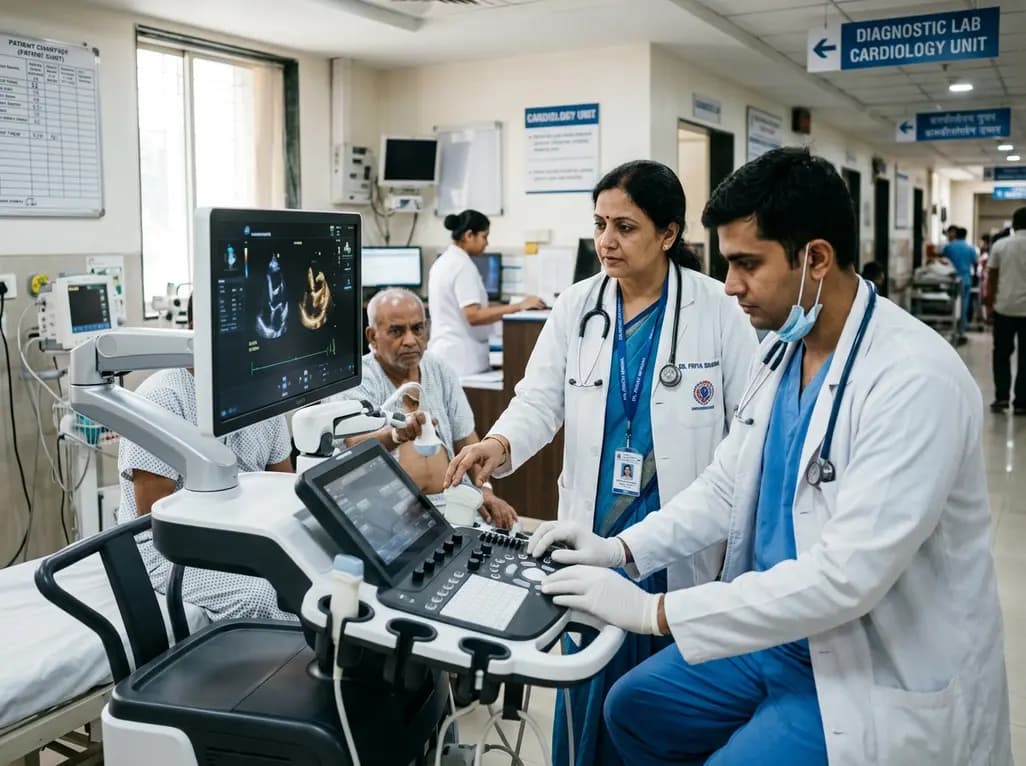
Medical robotics is transitioning beyond operative suites into diagnostics, cardiology, and endocrinology. Explore how innovations in tele-robotics, AI integration, and nanomedicine are overcoming geographical barriers and transforming precision healthcare delivery across India's evolving disease landscape.
Today
