.webp&w=384&q=75)

Loading, please wait...
Loading, please wait...

Recent research from IIT Kanpur identified a key protein that helps tumors resist colorectal cancer chemotherapy. This protein, dyskerin pseudouridine synthase 1 (DKC1), plays a major role in cancer cell survival. Ultimately, this discovery could help clinicians identify patients who require targeted therapies rather than standard treatment regimens.
In this landmark study, scientists investigated how DKC1 drives tumor progression. They found that elevated DKC1 levels allow cancer cells to bypass apoptosis, the natural self-destruction process. Consequently, these unhealthy cells can survive and multiply rapidly. Furthermore, the protein alters how cancer cells change their lipid production mechanisms, specifically by dysregulating sphingolipid biosynthesis. Therefore, the tumors can easily escape the toxic effects of standard chemotherapy drugs.
Subsequently, researchers performed detailed laboratory experiments. When they targeted and reduced DKC1 levels, tumor growth slowed down significantly. Moreover, this intervention made the cancer cells highly sensitive to chemotherapy once again. Importantly, blocking the metabolic pathways linked to DKC1 and fat production weakened cancer progression. As a result, this research provides a promising pathway to design personalized treatments for drug-resistant patients.
The collaborative research involved premier institutions like Tata Memorial Centre, King George’s Medical University, and Henry Ford Health System. Analyzing clinical data from patients, the team observed that individuals with high DKC1 expression had advanced stages of the disease. Specifically, these patients suffered from significantly poorer survival rates. Consequently, DKC1 shows great potential as a prognostic biomarker to guide customized therapeutic interventions.
Q1: What is DKC1 and how does it affect colorectal cancer?
DKC1 is a protein originally known for supporting basic cellular growth and ageing. In colorectal cancer, high levels of DKC1 help tumor cells bypass natural self-destruction and resist chemotherapy by altering sphingolipid production.
Q2: How can this discovery change colorectal cancer treatment?
This discovery allows DKC1 to serve as a biomarker. Consequently, doctors can identify patients likely to resist standard chemotherapy and instead recommend targeted therapies early in the treatment process.
Q3: Which institutions collaborated on this study?
The research was spearheaded by IIT Kanpur under Prof. Bushra Ateeq. In addition, the team collaborated with Tata Memorial Centre, King George’s Medical University, and the Henry Ford Health System.
Disclaimer: This content is for informational and educational purposes only. It does not constitute medical advice or replace professional judgment. Refer to the latest local and national guidelines for clinical practice.
References

Read summarized clinical updates, watch expert medical content, and earn CME certifications right from your smartphone.
Open your smartphone camera to scan and install.





IIT Kanpur researchers discovered that the DKC1 protein enables colorectal cancer cells to survive chemotherapy, offering a new biomarker for targeted thera...
3 months ago

A retrospective cohort study demonstrates that comprehensive pharmacy transitions of care—including admission medication history, discharge review, and 72-hour telephone follow-up—significantly reduced 30-day readmission rates in acute care patients, highlighting the value of pharmacist-led clinical interventions.
Today

Meghalaya recorded a historic 55% reduction in maternal deaths, dropping from 244 to 107 over five years. Through the MOTHER app, dedicated transit homes, and expanded infrastructure like the 150-bed Tura Maternity Hospital with its first public NICU, the state demonstrates an effective public health model.
Today

Explore modern perioperative management protocols for clinical xenotransplantation. Learn how costimulation blockade, anti-inflammatory perfusion, and coagulopathy rescue overcome interspecies hurdles.
Today
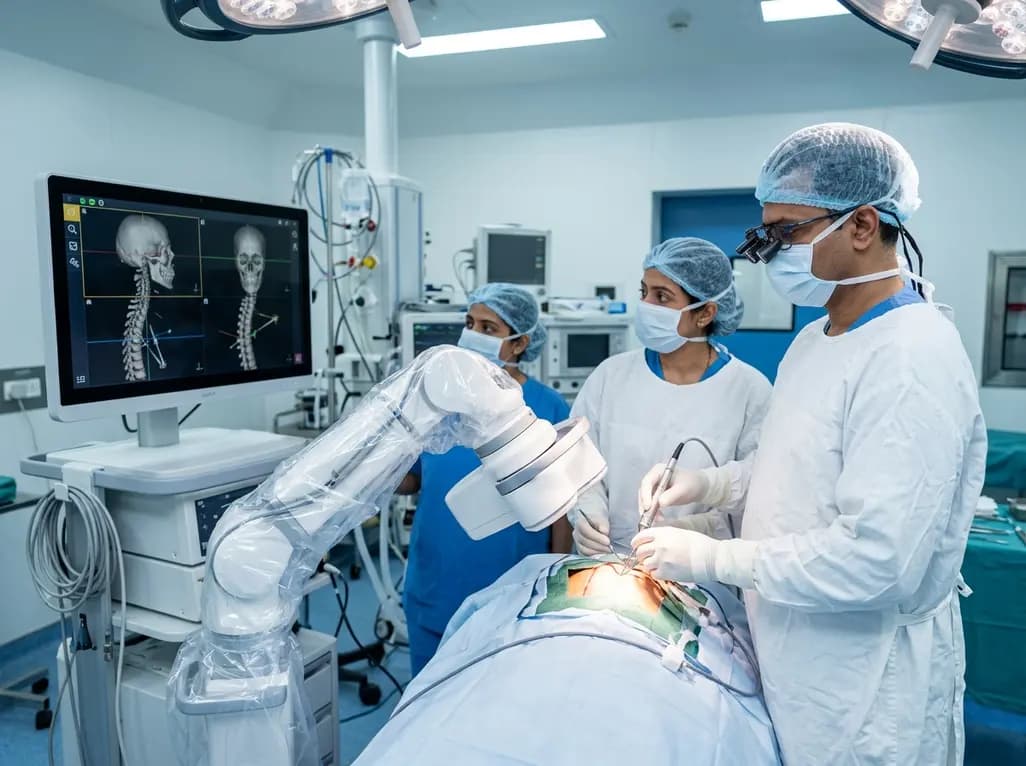
North India's first Centre of Excellence for Brain and Spine at Amrita Hospital Faridabad integrates Brainlab's Loop-X mobile robot. This landmark facility combines cone-beam computed tomography with surgical navigation to elevate precision, optimize operative workflows, and enhance specialized clinician training.
Today
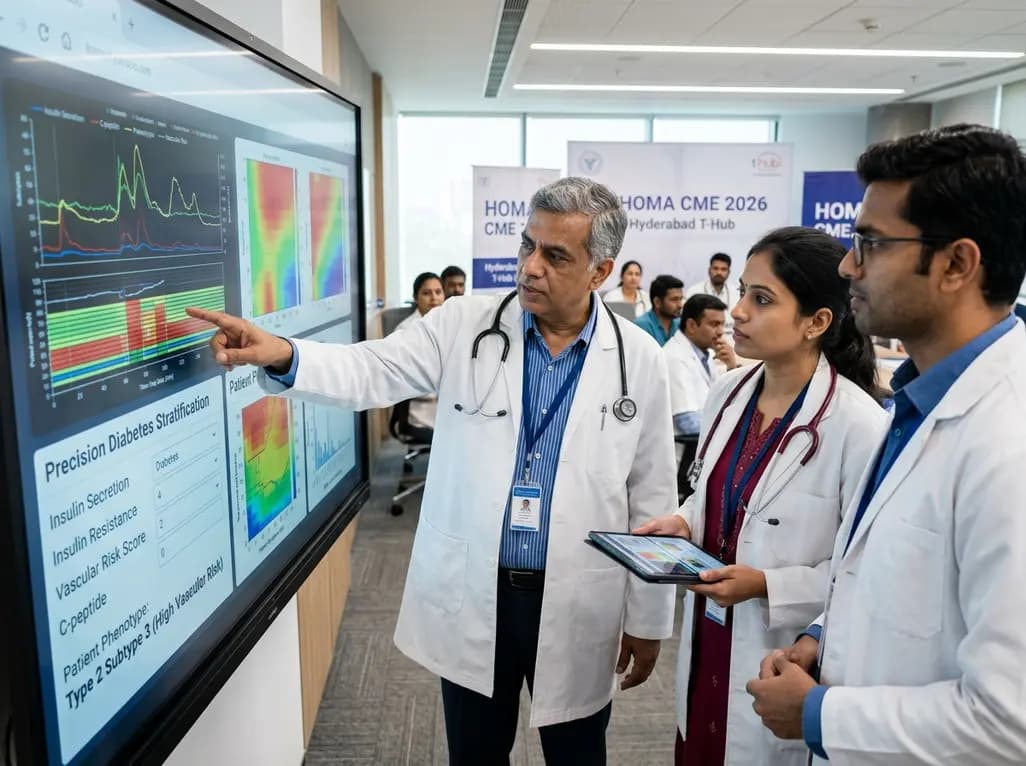
At Homa CME 2026 at Hyderabad's T-Hub, healthcare leaders emphasized moving beyond routine metrics through digital calculators and precision stratification. Discover why characterizing individual insulin secretion, resistance patterns, and vascular risks transforms chronic metabolic care in India.
Today
