

Loading, please wait...
Loading, please wait...
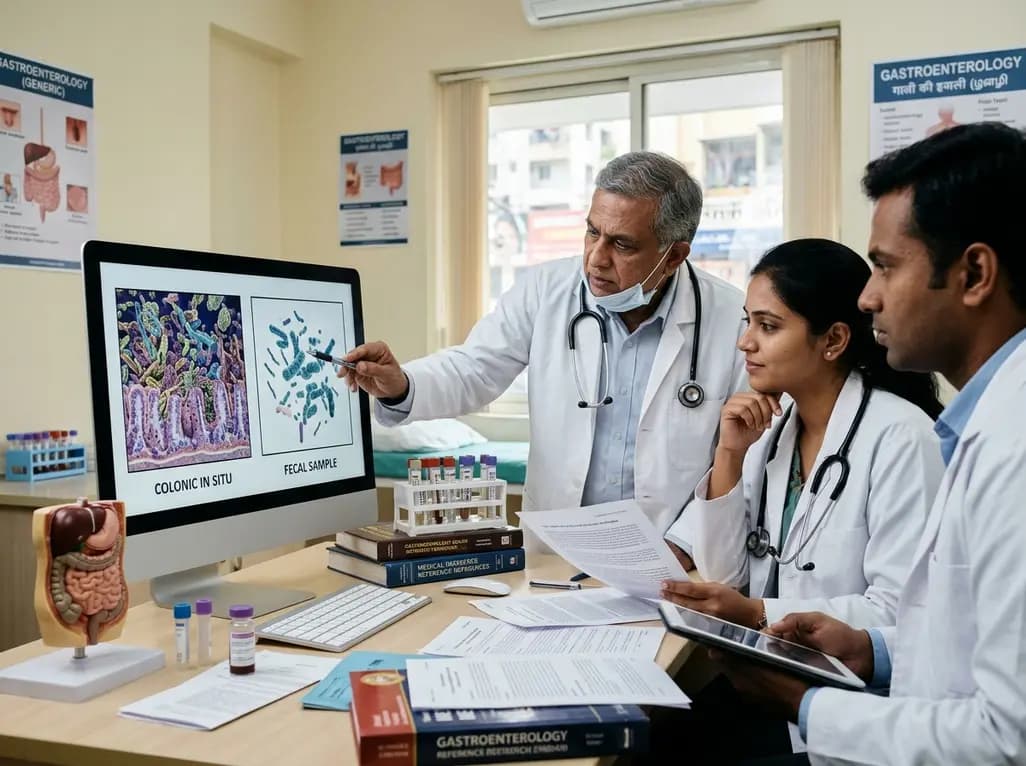
Emerging scientific research highlights the pivotal role of the gut-brain axis in neurodevelopmental conditions. Specifically, evaluating the colonic in situ microbiota reveals fundamental biological mechanisms that routine stool tests frequently miss. Medical practitioners traditionally rely on fecal profiling to assess intestinal dysbiosis in pediatric autism spectrum disorder. However, mucosal microenvironments present distinctive microbiological communities that directly engage host neural and immune pathways. Consequently, understanding mucosal microbial architecture provides vital diagnostic and therapeutic clarity for clinicians managing complex autism cases.
Clinicians often presume that fecal samples accurately mirror the entire intestinal ecosystem. Nevertheless, robust scientific investigations reveal profound structural divergence between fecal luminal contents and colonic mucosa. Fecal specimens primarily capture transient microorganisms and shedding luminal biomass. In contrast, mucosal niches harbour specialized bacterial taxa that adhere intimately to epithelial surfaces. These mucosal microorganisms interact continuously with local dendritic cells, enteroendocrine lineages, and enteric nerve endings. Therefore, luminal stool flora fails to capture critical host-microbiota dialogues at the epithelial barrier.
Furthermore, sequencing analyses demonstrate minimal taxonomic overlap between these compartments in pediatric autism spectrum disorder cohorts. Mucosal biopsies exhibit distinct phylogenetic compositions despite displaying lower overall alpha diversity than stool specimens. Consequently, standard stool metagenomics often misses significant shifts in mucosal barrier protection and metabolic signalling. Understanding this spatial compartmentalization allows clinicians to appreciate why stool markers correlate poorly with patient phenotypes. Thus, mucosal profiling bridges an essential diagnostic gap in gut-brain research.
Clinical research reveals that colonic in situ microbiota correlates far more powerfully with autism severity than stool samples. Specifically, mucosal microbial signatures correlate tightly with scores from standard diagnostic behavioral tools. Physicians frequently assess core impairments using the Autism Behavior Checklist and the Childhood Autism Rating Scale. Stool dysbiosis demonstrates inconsistent associations with these neuropsychiatric measurements across pediatric cohorts. In contrast, mucosal microbial patterns demonstrate robust statistical associations with both core and comorbid autistic features.
Moreover, mucosal bacteria influence gut barrier permeability and systemic neuroinflammation through direct host contact. When dysbiotic bacteria dominate colonic tissue, they disrupt tight junction integrity and prompt mucosal immune release. Pro-inflammatory cytokines and neuroactive bacterial metabolites subsequently enter the circulation and traverse the blood-brain barrier. In addition, mucosal organisms stimulate vagal afferents that modulate central neurotransmission. Because colonic mucosa serves as the primary staging ground for these interactions, its bacterial community faithfully mirrors clinical severity.
Washed microbiota transplantation represents an advanced evolution of standard fecal microbiota transplantation. Traditional transplantation protocols transfer crude fecal material that contains cellular debris, inflammatory metabolites, and extraneous biochemicals. In contrast, the washed preparation utilizes automated multi-step microfiltration and centrifugation cycles to harvest purified bacterial suspensions. This sophisticated washing process eliminates pro-inflammatory factors while preserving beneficial viable taxa. Consequently, the procedure markedly reduces infusion-related adverse reactions and improves pediatric tolerance.
Furthermore, preclinical models substantiate the therapeutic capacity of this strategy. When researchers transplant healthy donor microbiota into germ-free autism models, autism-like behavioral deficits resolve significantly. Mechanistically, healthy donor microbes replenish crucial short-chain fatty acids, notably butyrate, propionate, and acetate. These microbial metabolites reinforce the colonic epithelial lining and suppress microglial activation within the central nervous system. In addition, beneficial commensals restore healthy serotonin metabolism and normalize endocrine stress responses. Thus, healthy donor engraftment remodels communication along the gut-brain highway.
Personalized medicine requires reliable predictive biomarkers to forecast which patients will benefit from therapeutic interventions. Clinical investigators recently developed machine-learning algorithms to predict therapeutic responses to washed microbiota transplantation. Notably, models built exclusively upon baseline fecal metagenomic sequencing show mediocre predictive accuracy. In contrast, models that incorporate colonic in situ microbiota demonstrate remarkably higher sensitivity and specificity. Mucosal taxonomic profiles capture subtle microbial imbalances that dictate whether donor strains will engraft successfully.
Furthermore, integrating mucosal bacterial markers with baseline clinical parameters yields superior predictive performance. Children presenting with specific gastrointestinal disturbances, severe communication challenges, and distinct mucosal baseline dysbiosis demonstrate predictable clinical responses. Consequently, clinicians can avoid ineffective interventions for unlikely responders while prioritizing candidates who possess receptive mucosal states. Therefore, predictive modelling represents a substantial leap forward for precision pediatric gastroenterology and neurodevelopmental therapeutics.
These pioneering observations offer intriguing possibilities for future developmental pediatrics and gastroenterology practice. However, translating mucosal microbiome research into daily clinical workflow requires careful deliberation. Obtaining mucosal biopsies necessitates invasive lower gastrointestinal endoscopy, which carries procedural risks and requires pediatric sedation. In contrast, standard stool sampling remains effortless, entirely non-invasive, and readily accessible across clinical practices. Therefore, scientists must develop non-invasive surrogates or refined biomarker panels that mirror mucosal microenvironments without endoscopic intervention.
Additionally, physicians must view washed microbiota transplantation as an investigational therapy rather than a primary treatment modality. Autism spectrum disorder displays immense genetic, epigenetic, and phenotypic heterogeneity. While microbial interventions substantially improve gastrointestinal discomfort and behavioral scores in selected subsets, large-scale randomized trials must confirm long-term efficacy. Clinicians should maintain open communication with families seeking novel therapies, guiding them toward validated interventions. Ultimately, unraveling mucosal-host dialogues will clarify the etiology of autism and accelerate targeted therapeutics.
Washed microbiota transplantation modifies traditional fecal microbiota transplantation by incorporating an automated, multi-step microfiltration and centrifugation protocol. Standard preparations deliver raw stool containing undigested food debris, non-bacterial toxins, and pro-inflammatory host factors. In contrast, automated washing thoroughly isolates viable beneficial bacterial cells while removing harmful metabolites and debris. Consequently, this refined procedure markedly reduces adverse events like fever and abdominal cramping. As a result, washing provides an exceptionally safe, clean, and tolerable modality for pediatric patients.
Colonic mucosa hosts bacterial communities that live in immediate physical contact with the host intestinal epithelium. These mucosal bacteria interact directly with underlying immune cells, enteroendocrine networks, and enteric sensory nerves. In contrast, stool samples mostly reflect transit luminal matter that fails to capture intimate mucosal signaling. Because mucosal dysbiosis directly drives barrier breakdown and systemic neuroinflammation, mucosal profiles reveal true host-microbe crosstalk. Therefore, colonic biomarkers accurately predict whether donor microbes will successfully engraft.
Currently, international regulatory bodies have not approved washed microbiota transplantation for routine autism therapy. The procedure remains strictly investigational across global medical centers and clinical research trials. Although initial studies demonstrate promising improvements in gastrointestinal symptoms and core autistic behaviors, clinicians await confirmatory randomized trials. Practitioners should therefore advise families to prioritize standard behavioral and developmental interventions first. Furthermore, physicians must guide patients toward validated treatments while closely tracking emerging gut-brain research.
Disclaimer: This content is for informational and educational purposes only... Refer to the latest local and national guidelines for clinical practice.
References

Read summarized clinical updates, watch expert medical content, and earn CME certifications right from your smartphone.
Open your smartphone camera to scan and install.





A breakthrough study reveals that colonic in situ microbiota provides far superior predictive insights into washed microbiota transplantation responses in children with autism spectrum disorder compared to traditional fecal samples, opening new avenues for personalized gut-brain axis therapeutics.
Today
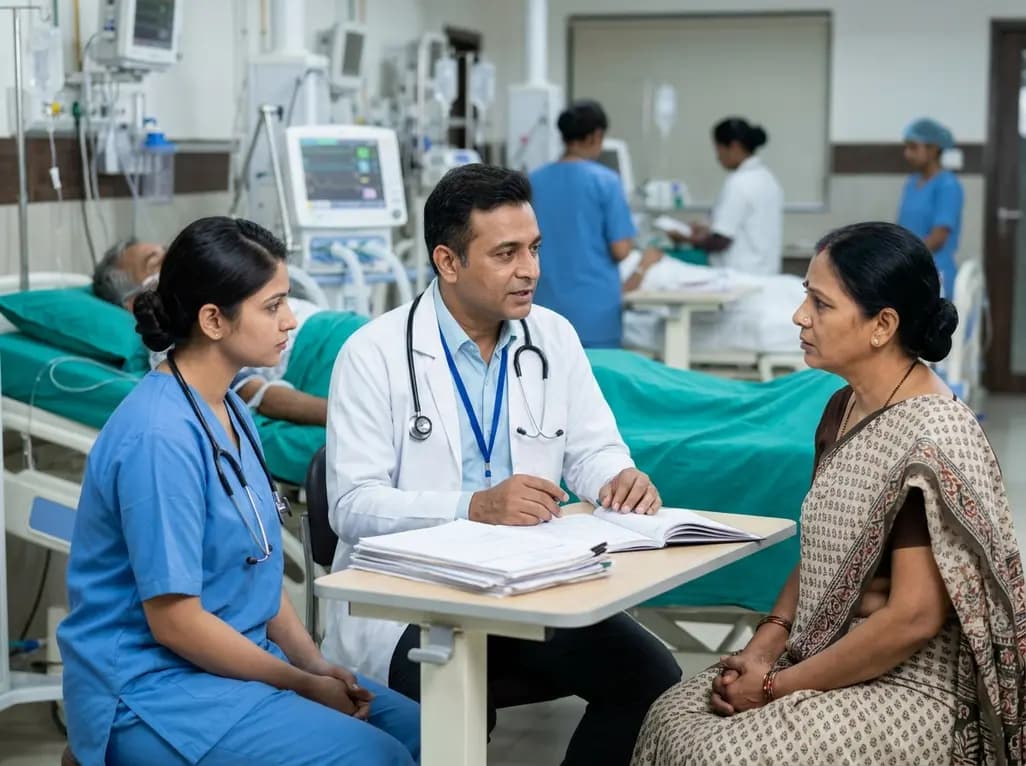
A cross-sectional study in critical care reveals three distinct profiles of family surrogate decision-making self-efficacy, highlighting how clinician communication, hope, and social support drive decision readiness.
Today
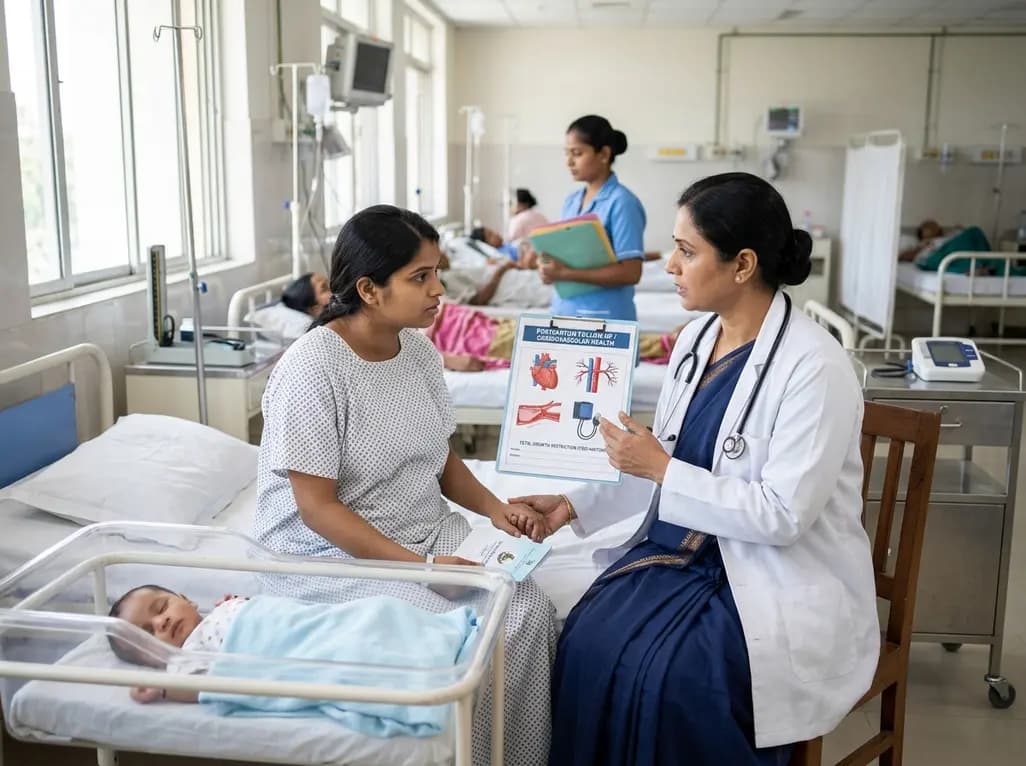
A large cohort study demonstrates that fetal growth restriction in a first pregnancy raises maternal cardiovascular risk within five years postpartum, including elevated rates of heart failure, stroke, and myocardial infarction. Clinicians must initiate proactive postpartum screening and cardiovascular prevention.
Today
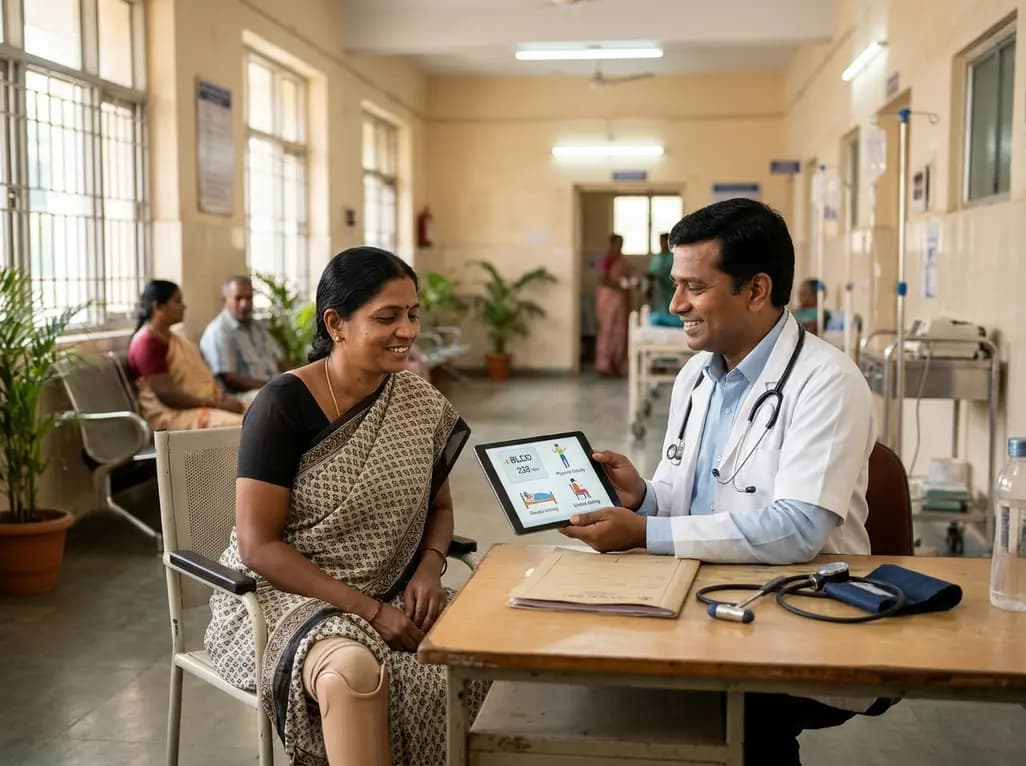
An NHANES analysis reveals that meeting 24-hour movement guidelines significantly lowers the odds of cardiovascular disease, obesity, hypertension, and diabetes among adults with disabilities, emphasizing the power of combined physical activity, sleep, and limited sedentary time.
Today
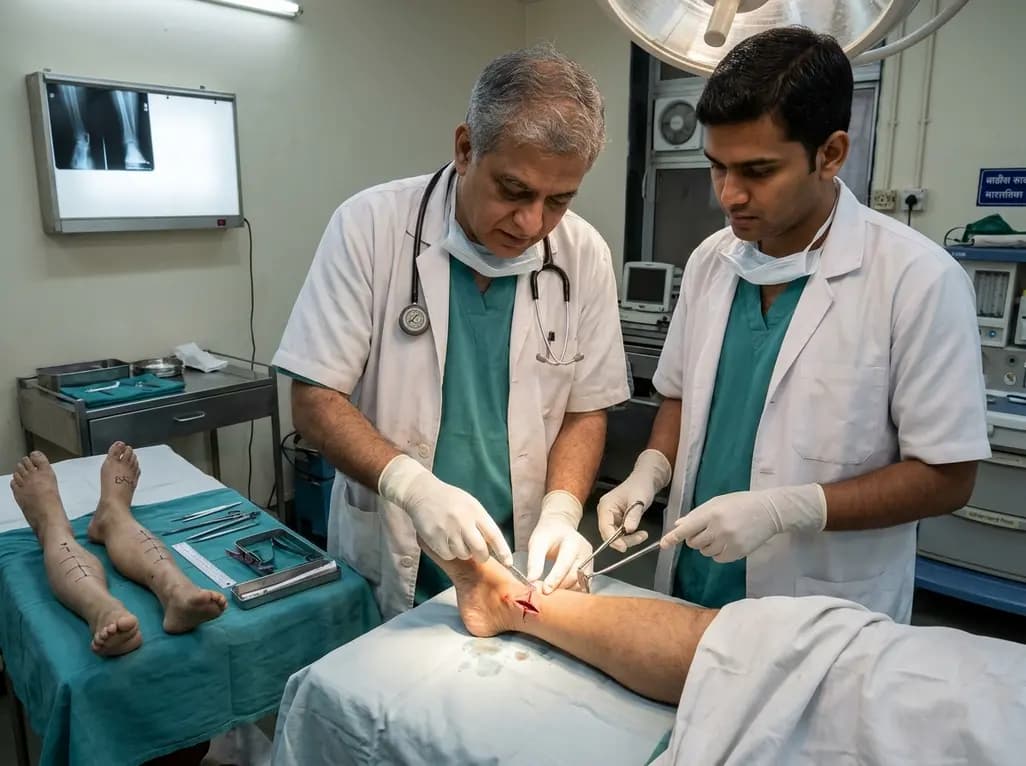
A paired cadaveric study compared triple and quintuple percutaneous Achilles tendon lengthening. While quintuple hemisection showed numerically greater elongation, differences were not statistically significant.
Yesterday
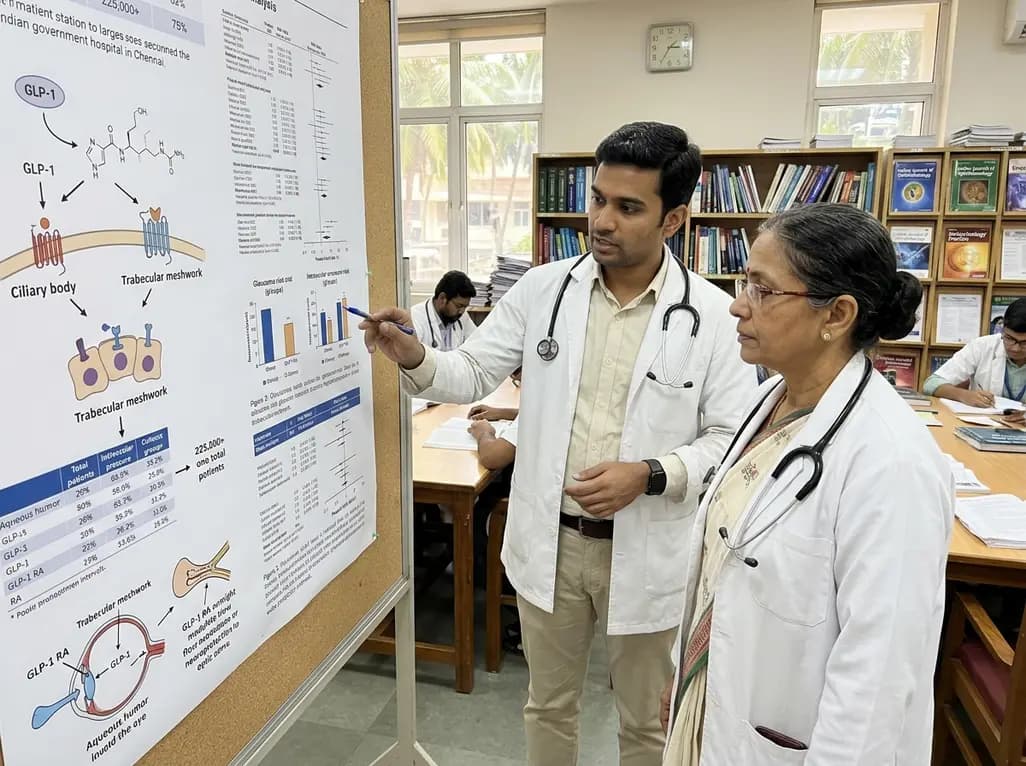
A systematic review and meta-analysis of over 225,000 patients explores whether GLP-1 receptor agonists reduce the risk of glaucoma and ocular hypertension. While pooled data show a 31% lower risk, low certainty and wide prediction intervals urge cautious optimism and further randomized trial evaluation.
Today
