.webp&w=384&q=75)

Loading, please wait...
Loading, please wait...
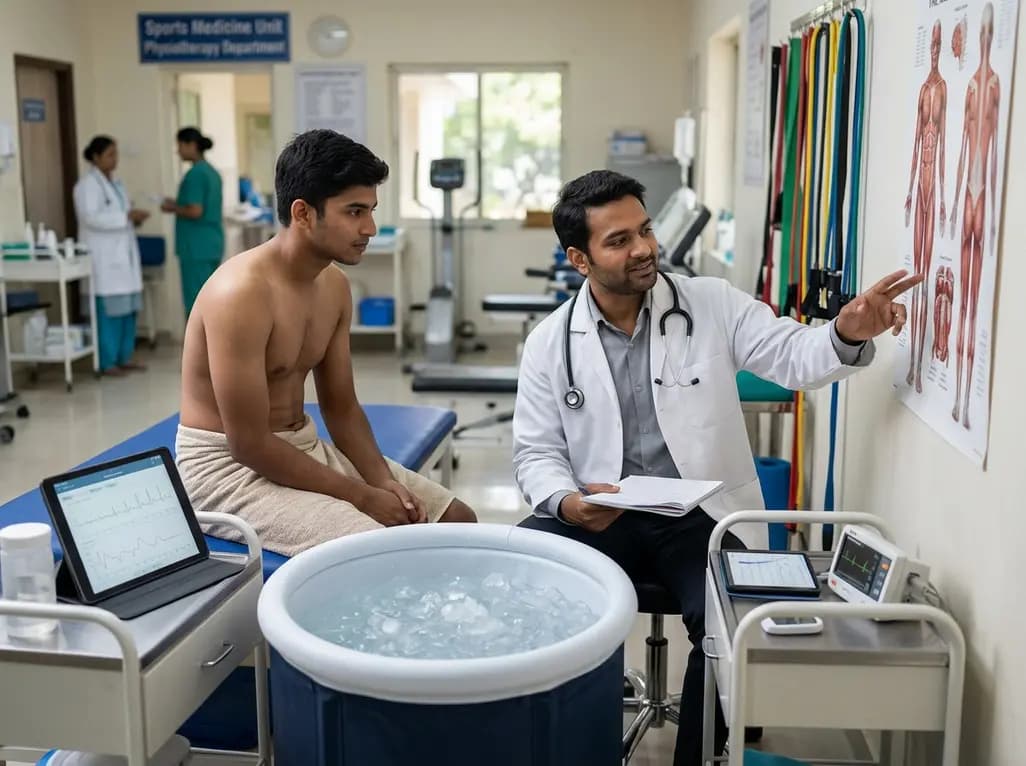
Athletes and clinicians frequently utilize cold-water immersion recovery protocols to accelerate post-exercise restoration and alleviate physical fatigue. Immersing the body in chilled water after intense exertion provides immediate subjective relief and restores physiological equilibrium. However, emerging exercise physiology research reveals a profound biological paradox. While acute cryotherapy effectively hastens parasympathetic reactivation and dampens muscle soreness, repetitive application after resistance training blunts long-term muscular hypertrophy. Consequently, clinicians, sports medicine physicians, and rehabilitation specialists must re-evaluate how they prescribe this widely adopted modality across diverse training cycles.
Cold-water immersion involves submerging the body or limbs in cold water, typically between 10°C and 15°C for 10 to 15 minutes. Sports clinicians historically recommended this intervention because it reduces perceived fatigue and delayed-onset muscle soreness. Network meta-analyses confirm that cold immersion ranks among the most effective recovery modalities for lowering 24- to 72-hour muscle soreness, showing a surface under the cumulative ranking curve of 88%. Furthermore, the acute systemic vasoconstriction and hydrostatic pressure enhance central blood volume, thereby accelerating post-exercise autonomic restoration.
Nevertheless, skeletal muscle adaptation depends heavily on transient post-exercise inflammatory signaling, cellular stress, and mechanical tension. When practitioners repeatedly apply cold immersion after resistance sessions, they inadvertently disrupt these necessary pro-adaptive molecular cascades. Consequently, the rapid recovery gained on day one compromises structural muscle growth over weeks of progressive training. Therefore, clinicians must appreciate that optimal short-term restoration and optimal long-term adaptation represent distinct physiological goals that often compete directly with one another.
The immediate physiological benefits of cold immersion stem from multi-axis homeostatic adjustments. First, ambient cold exposure triggers profound cutaneous and peripheral vasoconstriction. This vascular response shifts peripheral pooled blood centrally, increasing venous return, stroke volume, and cardiac output. Consequently, the autonomic nervous system responds with rapid parasympathetic reactivation, marked by elevated heart rate variability and reduced resting heart rate within hours post-exercise.
In addition to autonomic recovery, cold water generates robust analgesic effects through several neurological and biochemical pathways. Specifically, reduced tissue temperatures diminish muscle spindle sensitivity, slow peripheral nerve conduction velocity, and dampen the activation of local nociceptors. Moreover, localized cooling modulates the post-exercise inflammatory cascade by lowering metabolic rate and microvascular permeability. As a result, athletes experience substantial reductions in perceived muscle soreness and localized swelling. These acute adaptations allow competitive athletes to sustain performance during congested tournament schedules where immediate physical readiness outweighs chronic training adaptation.
Despite its acute analgesic virtues, chronic post-exercise cold immersion exerts detrimental effects on skeletal muscle remodeling. Mechanistically, cold immersion directly suppresses the mechanistic target of rapamycin complex 1 (mTORC1) pathway, which serves as the primary molecular driver of muscle protein synthesis. Furthermore, cellular analyses reveal that cryotherapy attenuates p70S6 kinase phosphorylation and downregulates ribosomal biogenesis within damaged muscle fibers.
Additionally, cold immersion impairs the activation, proliferation, and myonuclear accretion driven by myogenic satellite cells. Because satellite cells are vital for donating new nuclei to growing myofibers, their inhibition limits overall cellular remodeling. Longitudinal strength-training studies demonstrate that regular post-exercise cold immersion significantly blunts increases in type II muscle fiber cross-sectional area compared to active recovery. Consequently, athletes experience modest impairments in maximal strength development, reflecting an overall negative effect size of approximately -0.23. Therefore, regular post-lifting cold immersion directly counteracts hypertrophy-oriented resistance training programs.
Unlike resistance training adaptations, endurance-related physiological adaptations appear largely preserved or potentially enhanced by cold-water immersion. Aerobic training adaptations rely primarily on mitochondrial biogenesis, capillarization, and enhanced oxidative enzyme activity rather than myofibrillar protein synthesis. Cellular signaling for endurance involves adenosine monophosphate-activated protein kinase and peroxisome proliferator-activated receptor gamma coactivator 1-alpha pathways.
Interestingly, cold exposure induces mild cellular stress and thermal shivering, which can activate these oxidative signaling cascades. Clinical studies show that regular cold application does not blunt improvements in maximal oxygen uptake, lactate threshold, or endurance performance. Moreover, some evidence suggests that cold immersion may selectively stimulate microvascular remodeling and promote local vascular endothelial growth factor expression. Consequently, endurance athletes such as marathon runners, cyclists, and triathletes can employ cold therapy during heavy training cycles without compromising their primary cardiorespiratory conditioning.
To resolve this recovery-adaptation trade-off, clinicians should implement an evidence-based decision framework governed by specific training goals. Cold immersion protocols typically require temperatures between 10°C and 15°C for durations of 10 to 15 minutes. However, the timing and context of application dictate whether the outcome is therapeutic or detrimental.
During competitive phases, tournaments, or congested athletic calendars, recovery between successive bouts is the dominant priority. Under these specific conditions, daily cold immersion is highly warranted to optimize parasympathetic tone and minimize subjective muscle soreness. Conversely, during preparatory, off-season, or hypertrophy-focused training mesocycles, coaches and clinicians should deliberately withhold cold immersion after resistance training sessions. In these instances, alternative modalities like low-intensity active recovery, sleep optimization, and structured sports nutrition support physiological repair without blunting anabolic pathways.
Sports medicine clinicians, physical therapists, and fitness professionals must deliver clear, nuanced counseling to athletes. First, practitioners must educate strength athletes, bodybuilders, and powerlifters that cold baths taken immediately after heavy resistance training will attenuate muscle hypertrophy and strength gains. If athletes still desire cold immersion for mental well-being or thermal relief, they should delay the session by at least six hours post-workout.
Furthermore, clinicians managing concurrent training programs—where athletes perform both endurance and strength work—must separate cold therapy from resistance bouts. Specifically, applying cold immersion after morning aerobic sessions while avoiding it after evening strength workouts optimizes physiological adaptations. Ultimately, cold-water immersion remains a potent therapeutic tool when applied with strategic clinical intent, aligning acute recovery needs with overarching athletic and rehabilitation objectives.
Post-exercise cold immersion reduces skeletal muscle blood flow and lowers intracellular tissue temperatures. Consequently, this cooling blunts the phosphorylation of the mTORC1 signaling pathway, downregulates ribosomal biogenesis, and impairs myogenic satellite cell activation. Because satellite cells are critical for myonuclear donation and muscle fiber remodeling, regular cold immersion ultimately prevents optimal increases in type II muscle fiber cross-sectional area and reduces long-term strength gains.
Athletes should prioritize cold-water immersion during congested competition schedules, tournament play, or multi-event single-day competitions where rapid performance restoration takes precedence over chronic training adaptations. In these specific scenarios, cold immersion effectively accelerates parasympathetic reactivation, lowers heart rate, and diminishes delayed-onset muscle soreness within 24 to 72 hours. This rapid restoration helps athletes maintain functional output across successive competitive bouts.
No, current physiological evidence indicates that cold-water immersion does not impair endurance adaptations. Unlike muscle hypertrophy, cardiorespiratory adaptations rely primarily on mitochondrial biogenesis, capillarization, and oxidative enzyme capacity mediated by the AMPK-PGC-1alpha axis. Cold exposure preserves these cellular pathways and may even enhance microvascular density and local vascular endothelial growth factor expression, making it compatible with endurance-focused conditioning programs.
Disclaimer: This content is for informational and educational purposes only, does not constitute formal medical advice, and should not replace independent clinical judgement. Refer to the latest local and national guidelines for clinical practice.
References
Tornero-Aguilera JF et al. The cold-water immersion recovery-adaptation paradox: Reconciling acute parasympathetic and analgesic benefits with chronic hypertrophy attenuation. Exp Physiol. 2026 Aug 29. doi: 10.1113/EP094042. PMID: 42667675.
Roberts LA et al. Post-exercise cold water immersion attenuates acute anabolic signalling and long-term adaptations in muscle to strength training. J Physiol. 2015;593(18):4285-4301. doi: 10.1113/JP270570.
Peake JM et al. The effects of cold water immersion and active recovery on inflammation and cell stress responses in human skeletal muscle after resistance exercise. J Physiol. 2017;595(3):695-711. doi: 10.1113/JP272881.
Fyfe JJ et al. Cold water immersion attenuates anabolic signalling and skeletal muscle fiber hypertrophy, but not strength gain, following whole-body resistance training. J Appl Physiol. 2019;127(5):1403-1418. doi: 10.1152/japplphysiol.00127.2019.

Read summarized clinical updates, watch expert medical content, and earn CME certifications right from your smartphone.
Open your smartphone camera to scan and install.





A comprehensive analysis of cold-water immersion in sports recovery, exploring its acute autonomic and analgesic benefits alongside its chronic blunting of muscle hypertrophy and strength.
4 weeks back

With post-monsoon dengue surges threatening South Asian health systems, physicians must refine triage and management. This guide covers vital warning signs, plasma leakage detection, crystalloid titration, and vector containment strategies to prevent mortality during seasonal arboviral epidemics.
Today

Findings from Project Viva indicate that sustained postpartum weight retention, rather than excessive gestational weight gain alone, directly worsens women's mid-life cardiovascular health, degrading blood pressure and glycemic parameters decades after delivery.
Today
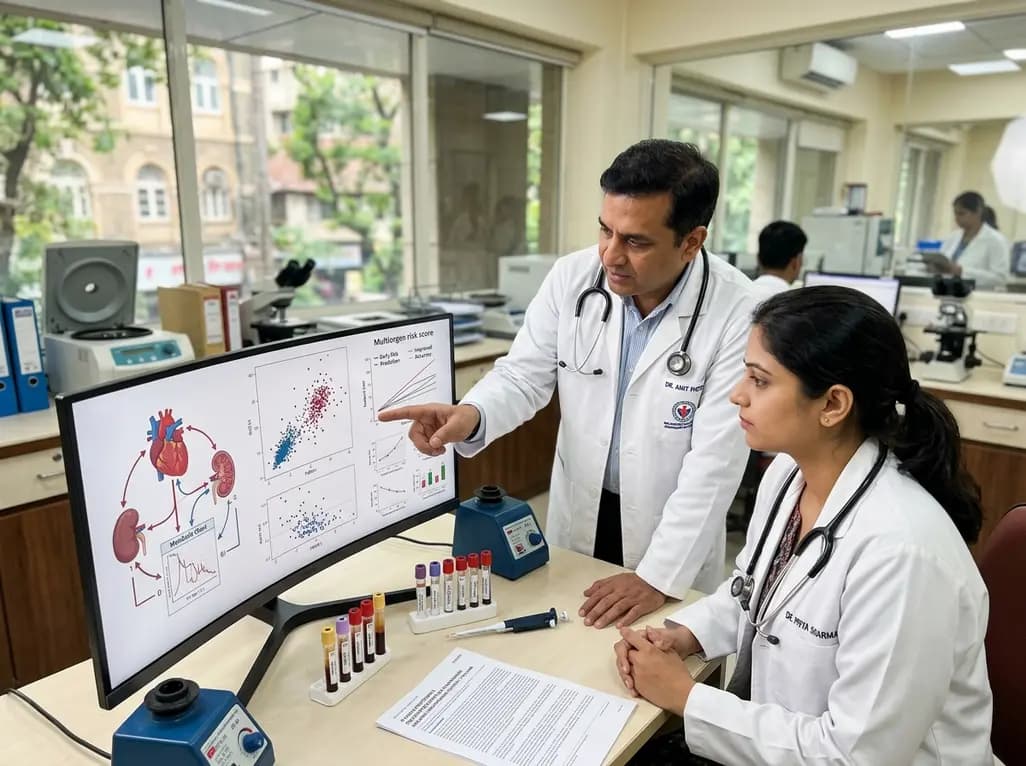
A large UK Biobank study reveals that plasma proteomic signatures capture preclinical organ damage and improve multiorgan risk prediction across early CKM syndrome stages 0 to 2 beyond traditional PREVENT clinical models.
Today
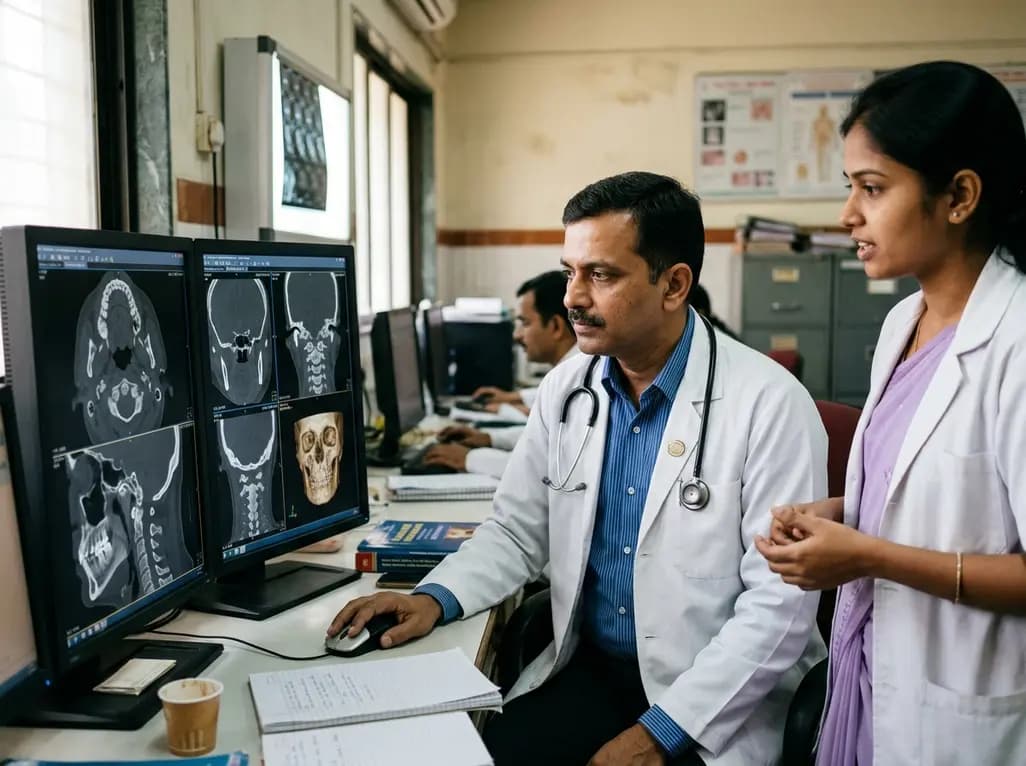
A retrospective CBCT study reveals that superior TMJ space asymmetry correlates moderately with occipital condyle-atlas-axis asymmetry in unilateral TMJ osteoarthritis, highlighting an imaging correlate between jaw biomechanics and upper cervical alignment rather than a standalone diagnostic marker.
Today

A Bayesian multilevel meta-analysis reveals that aerobic training combined with moderate carbohydrate restriction modestly lowers HbA1c in type 2 diabetes. However, sparse data and very low certainty leave incremental benefits over exercise or diet alone unproven, highlighting the need for individualized care.
Today
