.webp&w=384&q=75)

Loading, please wait...
Loading, please wait...
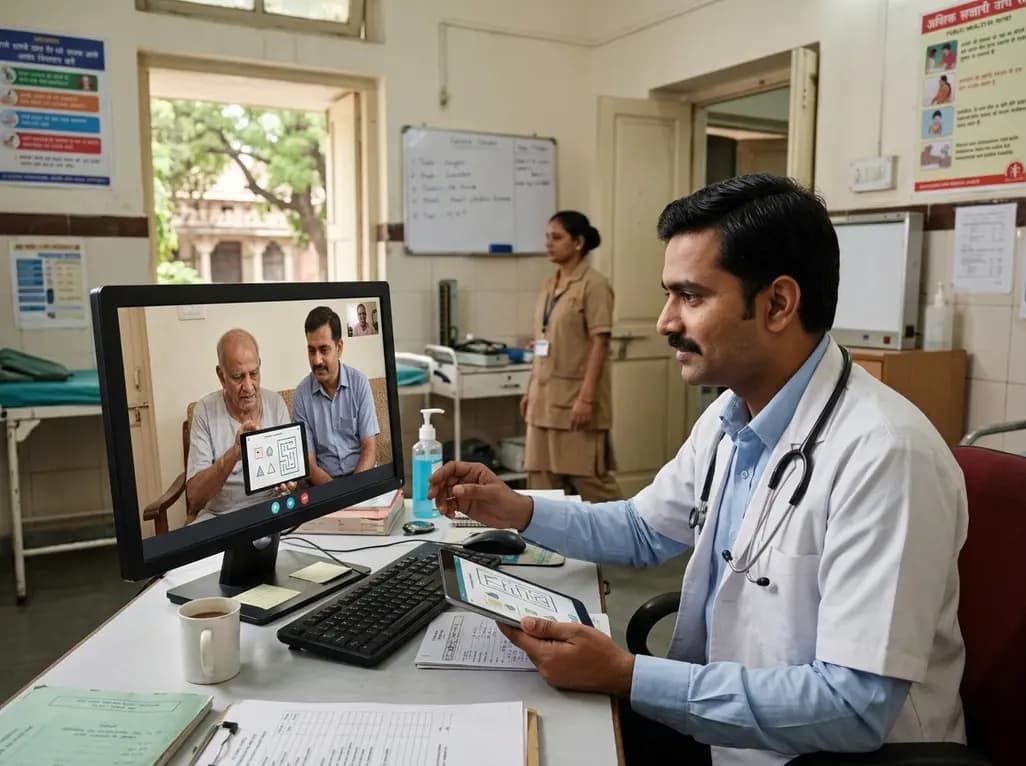
Rare neurological diseases frequently present with complex, progressive cognitive impairments that severely compromise patient independence and daily functioning. Unfortunately, individuals living with these conditions face substantial barriers to accessing specialized neurological care due to limited local expertise and severe geographic centralization. Innovative digital health methodologies, specifically cognitive telemonitoring and telerehabilitation, represent promising solutions to bridge these critical healthcare disparities. While remote digital paradigms have substantially improved standard clinical care in common neurodegenerative disorders, their implementation in rare neurological diseases offers distinct advantages. This comprehensive review examines the current state of digital cognitive monitoring and remote therapeutic interventions across rare adult neurological conditions.
Digital neurology has expanded rapidly in recent years, presenting clinicians with powerful opportunities to evaluate and treat cognitive deficits outside conventional hospital settings. In rare adult neurological disorders, specialized clinical expertise remains heavily concentrated in academic medical institutions and metropolitan centers. Consequently, decentralized digital health platforms empower specialists to deliver longitudinal clinical assessments and structured therapeutic exercises directly into the homes of patients. Furthermore, synchronous telehealth platforms facilitate real-time audiovisual communication between clinicians and patients, which significantly fosters therapeutic rapport and patient engagement. In parallel, asynchronous telemonitoring modalities allow individuals to complete digital tasks flexibly at their own convenience without clinical supervision. By recording real-world performance over extended timeframes, clinicians can capture continuous functional metrics that standard periodic evaluations often fail to detect. Thus, digital health models have begun establishing an innovative framework for decentralized cognitive surveillance in complex neurodegenerative conditions. Moreover, remote platforms significantly reduce travel-related physical fatigue, financial strain, and logistical distress for vulnerable patients and their dedicated caregivers. As a result, digital health integration provides continuous clinical oversight that improves disease tracking while enhancing patient comfort and overall safety.
Recent clinical evidence demonstrates encouraging feasibility and preliminary validity for active digital cognitive assessments, particularly in frontotemporal dementia and Huntington's disease. In these patient populations, standardized computerized test batteries can evaluate executive function, processing speed, working memory, and social cognition with remarkable precision. In addition, active digital cognitive tasks consistently demonstrate strong correlation with conventional in-person neuropsychological assessments. Researchers have successfully deployed smartphone-based applications and tablet testing suites to track disease progression over extended periods. These active digital assessments yield granular data points that capture subtle neuropsychological changes long before overt clinical deterioration becomes apparent. Furthermore, automated scoring algorithms reduce human administration bias and enable consistent longitudinal comparisons across multiple follow-up visits. Nevertheless, patient engagement and compliance vary substantially across different stages of neurodegeneration. Consequently, clinicians must carefully tailor the complexity and duration of digital tasks to match individual functional abilities and preserved cognitive reserves. Overall, these findings highlight the immense clinical potential of digital batteries in capturing subtle cognitive trajectories in rare neurodegenerative syndromes. Specifically, continuous digital monitoring helps neurologists detect phenotypic transitions early, thereby facilitating timely pharmacological and behavioral adjustments.
Cognitive telerehabilitation delivered through digital platforms has demonstrated notable therapeutic promise, especially for individuals diagnosed with primary progressive aphasia. Specialized behavioral language therapies, such as semantic feature analysis, word-retrieval drills, and personalized script training, translate exceptionally well to interactive video-conferencing formats. In addition, home-based digital exercises provide frequent, structured practice that reinforces degraded language networks and supports functional communication. Family members and primary caregivers can participate directly during synchronous sessions, which substantially enhances real-world conversational strategies and functional independence. Multiple clinical trials show that speech and language telerehabilitation yields measurable improvements that are non-inferior to traditional face-to-face therapy. Furthermore, delivering therapeutic interventions in the familiar home setting reduces communicative anxiety and enhances treatment generalization to daily activities. Consequently, telerehabilitation offers an accessible, scalable, and highly effective pathway to maintain communication abilities, reduce social isolation, and improve overall quality of life for individuals with progressive language disorders. Moreover, therapists can easily update digital exercise difficulty remotely as the condition evolves, ensuring that therapeutic stimulation remains optimally challenging and clinically beneficial over time.
Despite encouraging findings, several methodological and technical hurdles continue to impede the widespread adoption of remote neurological tools. For instance, published studies frequently report high attrition rates during active telemonitoring protocols because repetitive testing schedules cause substantial cognitive fatigue and patient burden. Moreover, passive telemonitoring modalities, such as sensor-based mobility tracking and automated smartphone usage analysis, still demonstrate limited domain-specific cognitive sensitivity. These passive systems continuously collect massive amounts of real-world ecological data, but researchers must validate them rigorously against established gold-standard clinical outcome measures. In addition, significant disparities in technological literacy, motor impairments, and inadequate high-speed internet infrastructure frequently restrict patient participation. Clinicians must address these usability challenges by co-designing simplified, intuitive user interfaces alongside patients and caregivers. Furthermore, developing standardized compliance-monitoring protocols will be essential to ensure consistent engagement across diverse patient demographics and varying levels of disease severity. Consequently, overcoming these technical and motivational barriers remains a vital prerequisite before passive digital metrics can transition into routine neurological care.
Integrating remote digital tools into routine neurological workflows presents tremendous clinical value for managing rare neurological diseases. Because rare disorders involve complex multi-domain deficits, centralized specialist clinics often struggle to provide regular in-person follow-ups for geographically dispersed populations. Digital platforms bridge this accessibility divide by enabling continuous multidisciplinary monitoring, allowing neurologists, neuropsychologists, and speech therapists to collaborate seamlessly. Furthermore, timely digital data collection helps clinicians identify cognitive decline early, optimize symptomatic pharmacotherapy, and implement supportive environmental interventions proactively. In developing healthcare systems, decentralized monitoring dramatically reduces unnecessary travel expenses and minimizes caregiver burden. Clinicians can also use remote monitoring data to personalize caregiver counseling and educate families on disease management. Therefore, healthcare organizations must actively invest in digital health infrastructure to integrate remote cognitive monitoring into standard neurological care pathways. Additionally, digital health platforms facilitate timely crisis prevention by detecting sudden functional declines before emergency hospitalizations become necessary. As a result, digital tools empower both clinicians and families to navigate complex rare diseases with greater confidence and efficiency.
To establish clinical utility and define evidence-based best practices, future research must prioritize large-scale, rigorously designed longitudinal clinical trials. Investigators need to validate digital biomarkers across heterogeneous disease phenotypes and diverse stages of disease severity. Furthermore, software developers should prioritize user-centered designs that minimize patient burden, incorporate adaptive difficulty algorithms, and ensure accessibility for individuals with concurrent motor or sensory deficits. Establishing standardized regulatory frameworks, robust data security protocols, and equitable reimbursement models will also accelerate clinical translation. In addition, integrating artificial intelligence into predictive telemetry platforms will help clinicians anticipate disease progression with higher fidelity. By overcoming these existing barriers, digital neuropsychology will enhance decentralized clinical trials and transform daily care for patients with rare neurological conditions worldwide. Consequently, concerted collaboration among clinicians, researchers, and policymakers will drive the next generation of patient-centric digital neurological care.
Cognitive telemonitoring enables frequent, objective assessments of cognitive function in home settings. It eliminates geographical barriers to specialized neurological care, reduces travel burdens for vulnerable patients, and provides clinicians with continuous longitudinal data to track subtle neurodegenerative progression and therapeutic responses accurately.
Evidence demonstrates that cognitive telerehabilitation achieves therapeutic outcomes comparable to conventional face-to-face therapy, particularly in primary progressive aphasia. It offers greater scheduling flexibility, promotes caregiver involvement in natural environments, and ensures consistent long-term therapy access for individuals residing far from specialized medical centers.
Passive telemonitoring currently lacks robust domain-specific sensitivity to isolate distinct cognitive deficits. Most passive tools capture broad behavioral metrics without establishing direct correlation with gold-standard neuropsychological benchmarks, necessitating further clinical validation in large, diverse patient cohorts across different disease stages.
Disclaimer: This content is for informational and educational purposes only and does not constitute medical advice, diagnosis, or treatment. Always seek the advice of a qualified healthcare provider with any questions regarding a medical condition. Refer to the latest local and national guidelines for clinical practice.
References
Dini M et al. Clinical telemonitoring and telerehabilitation of cognition in rare neurological diseases: a scoping review. J Neurol. 2026 Jun 08. doi: 10.1007/s00415-026-13911-0. PMID: 42260139.
Jeon H, Kim DY, Park SW, et al. A systematic review of cognitive telerehabilitation in patients with cognitive dysfunction. Front Neurol. 2025;16:1398241.
Ilg W, Flesch A, Schatton C, et al. The growing role of telerehabilitation and teleassessment in the management of movement disorders in rare neurological diseases: a scoping review. J Neurol. 2024;271(7):4012-4028.

Read summarized clinical updates, watch expert medical content, and earn CME certifications right from your smartphone.
Open your smartphone camera to scan and install.





A recent scoping review highlights the growing role of cognitive telemonitoring and telerehabilitation in rare neurological conditions such as frontotemporal dementia, Huntington's disease, and primary progressive aphasia, while outlining key challenges in adherence, validation, and clinical implementation.
last month

Pancreatic cancer cachexia affects over 80% of patients, driving severe muscle wasting, systemic inflammation, and treatment intolerance. This review highlights key pathophysiological drivers, exocrine insufficiency, objective CT imaging, and emerging therapies like GDF-15 inhibitors to improve clinical outcomes.
Today

A scoping review reveals how pregnancy affects phonation through laryngeal edema and reduced phonation time rather than major acoustic pitch alterations. Learn how to identify, evaluate, and manage vocal symptoms in expectant mothers.
Today

According to WHO data, average lifespan reached 73.3 years in 2023, recovering from pandemic lows. However, healthy life expectancy lags at 62.8 years due to surging noncommunicable conditions like cardiovascular disease and dementia, demanding proactive primary screening and sustained chronic care.
Today
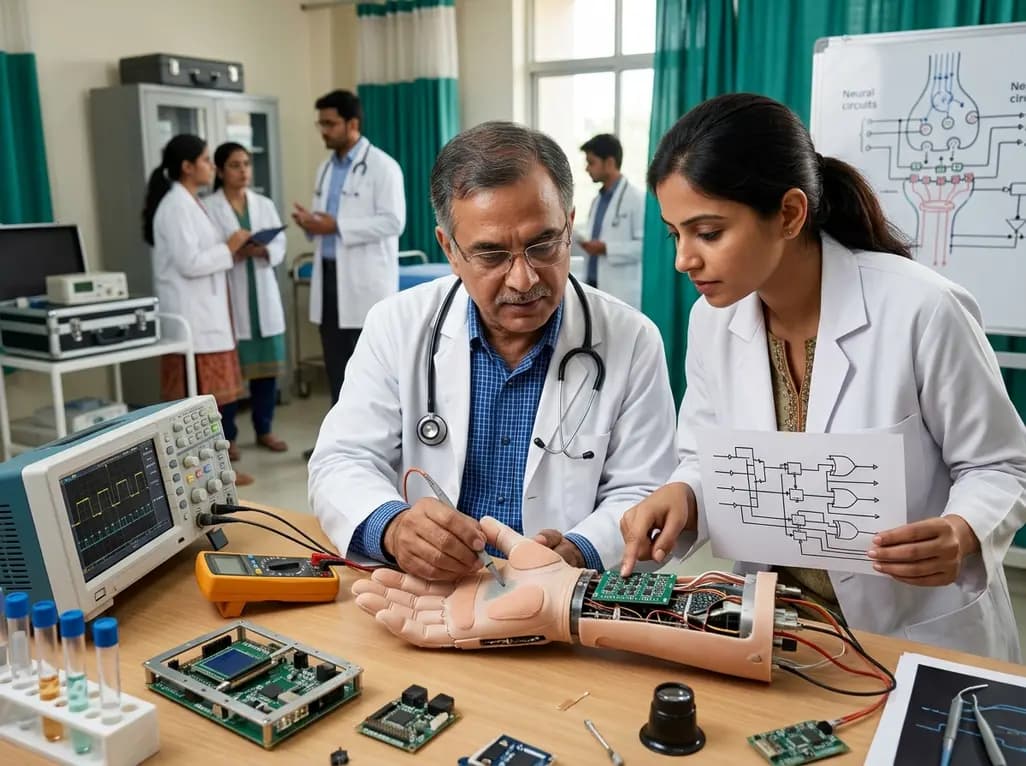
Researchers have engineered an artificial sensory-pain integrated receptor using a multi-threshold organic synaptic transistor. The system distinguishes benign touch from noxious stimuli, enabling safer, more responsive prosthetic limbs with built-in memory and simplified hardware architecture.
Today
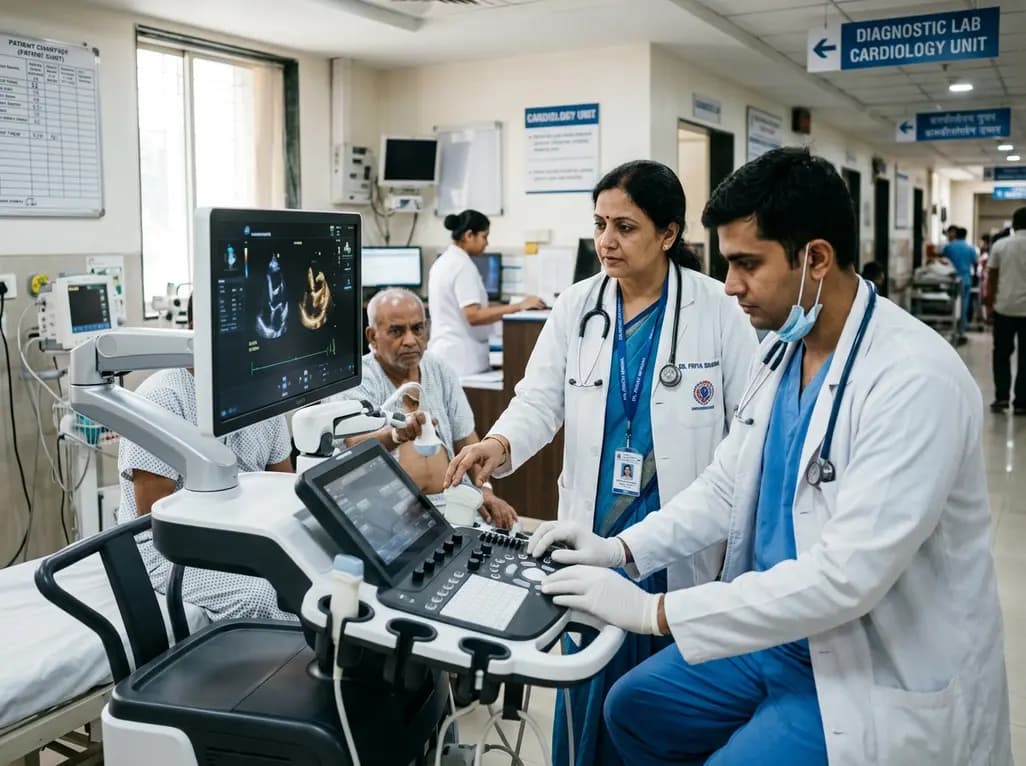
Medical robotics is transitioning beyond operative suites into diagnostics, cardiology, and endocrinology. Explore how innovations in tele-robotics, AI integration, and nanomedicine are overcoming geographical barriers and transforming precision healthcare delivery across India's evolving disease landscape.
Today
