.webp&w=384&q=75)

Loading, please wait...
Loading, please wait...
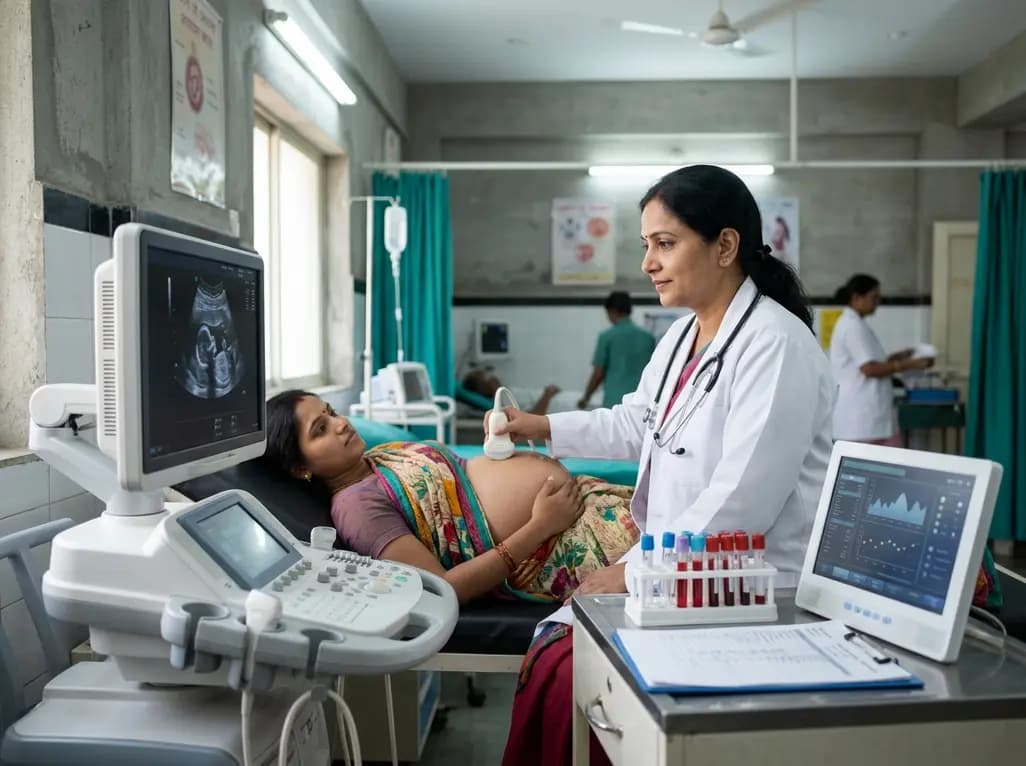
Cytomegalovirus (CMV) remains a leading cause of congenital infections worldwide. Because CMV infection in pregnancy can lead to severe fetal complications, understanding its seroprevalence is essential for maternal-fetal health providers. A recent retrospective study conducted at Hôtel-Dieu de France in Lebanon examined the immunity status of pregnant women to better inform clinical practices and public health strategies.
The researchers analyzed data from a cohort of 448 pregnant women who underwent targeted serological screening. Interestingly, the study aimed to correlate serological status with demographic factors such as age and region of residence. Although the study focused on a specific hospital population, the results highlight the necessity of monitoring infectious diseases during gestation. Consequently, clinicians should remain vigilant about maternal immunity levels to mitigate the risk of vertical transmission.
Several factors influence the risk of acquiring CMV during the gestational period. These often include maternal age, parity, and socio-economic conditions. Furthermore, the region of residence can play a significant role in environmental exposure levels. Identifying these specific risk factors helps in implementing effective screening and prevention strategies. However, the limited data in certain regions underscores the need for more comprehensive, large-scale studies to guide national health policies.
Managing CMV infection in pregnancy requires a proactive and informed approach. While universal screening is still a subject of global debate, targeted testing based on clinical suspicion remains a standard of care in many settings. Early detection of primary infection allows for better counseling regarding fetal risks and potential therapeutic interventions. Therefore, maintaining updated knowledge on local seroprevalence trends is vital for optimized patient outcomes and neonatal health.
Most CMV infections in healthy pregnant women are asymptomatic or present with mild, flu-like symptoms such as fever and fatigue. However, the primary clinical concern is the silent risk of transmission to the developing fetus.
Vertical transmission occurs when the virus crosses the placenta during either a primary or recurrent maternal infection. The risk of severe fetal injury or long-term neurodevelopmental issues is generally higher during a primary infection in the first trimester.
Hygiene measures are the primary defense. Pregnant women are advised to practice frequent handwashing, especially after contact with the saliva or urine of young children, who are common carriers of the virus.
Disclaimer: This content is for informational and educational purposes only. It does not constitute medical advice or establish a doctor-patient relationship. Always seek the advice of a qualified healthcare provider regarding a medical condition. Refer to the latest local and national guidelines for clinical practice.
References

Read summarized clinical updates, watch expert medical content, and earn CME certifications right from your smartphone.
Open your smartphone camera to scan and install.





A study on CMV seroprevalence in pregnant women highlights the importance of screening and risk factor analysis to prevent congenital complications....
4 months ago
Following Nigeria's first recorded Ebola case linked to regional travel, the Africa CDC has convened an emergency ministerial summit. This alert underscores critical clinical priorities for healthcare professionals, including differentiating early viral infection from malaria, implementing barrier nursing, and triage.
Today

Leucine Rich Bio has introduced South Asia's first comprehensive vaginal microbiome test, BugSpeaks. By profiling microbial dysbiosis, pathogens, and antimicrobial resistance, this next-generation diagnostic platform provides clinicians with deeper insights into recurrent infections, fertility, and reproductive health.
Today

Review how tailored exercise programs benefit frail older patients with heart failure. Explore pathophysiological mechanisms, individualized training prescriptions, and strategies to overcome adherence barriers in clinical practice.
Today

This comparative study evaluates posterior labral tears with and without glenohumeral instability, highlighting distinct demographic patterns, MRI underestimation in stable shoulders, and successful arthroscopic repair outcomes.
Today

A clinical study demonstrates that early intervention with tocilizumab, either as monotherapy or bridged with corticosteroids, achieves significant proptosis reduction and resolves active inflammation in treatment-naive thyroid eye disease.
Today
