.webp&w=384&q=75)

Loading, please wait...
Loading, please wait...
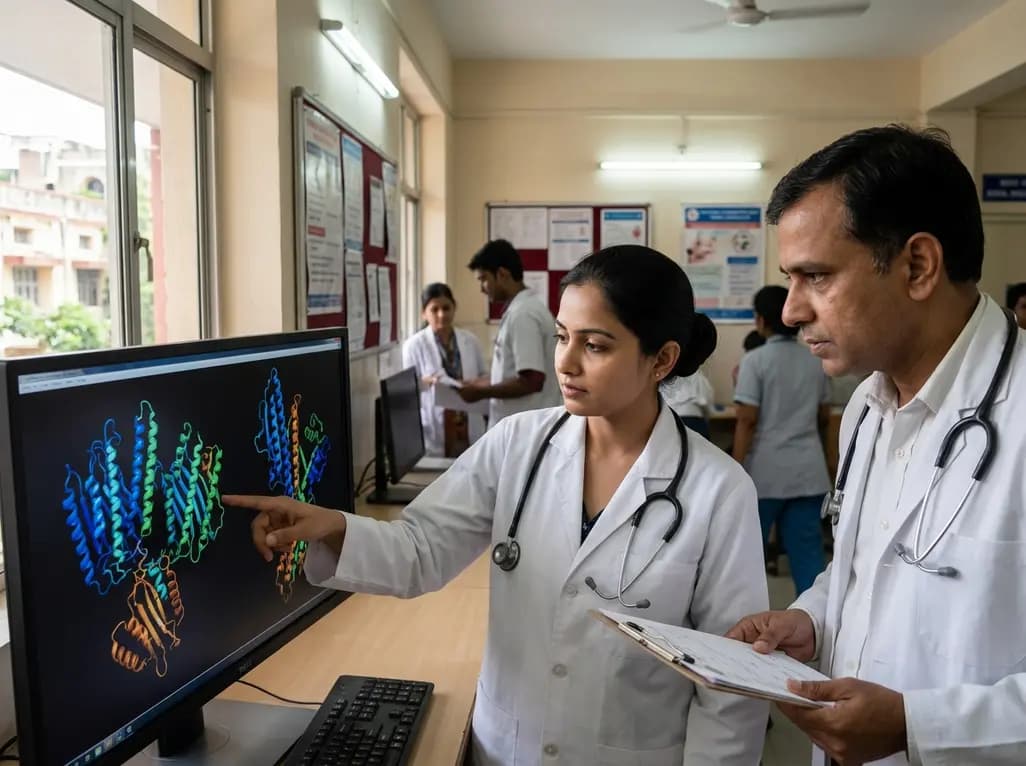
Understanding the molecular architecture of Clostridium perfringens pili provides critical insights into the pathogenesis of life-threatening anaerobic infections. Clostridium perfringens is a ubiquitous, spore-forming Gram-positive bacillus responsible for severe clinical entities, including histotoxic clostridial myonecrosis (gas gangrene) and acute necrotizing enteritis. In hospital settings and emergency departments across India, clinicians routinely manage soft-tissue trauma, agricultural crush injuries, and contaminated surgical wounds where anaerobic colonization causes rapid tissue devastation. While classical teaching focuses heavily on exotoxins like alpha-toxin and perfringolysin O, recent investigations highlight the pivotal role of bacterial surface appendages. Specifically, cell-wall-anchored pili facilitate initial colonization, biofilm formation, and cellular adhesion within ischemic host tissues. Therefore, elucidating the structural and biochemical mechanisms that orchestrate pilus polymerization clarifies how this pathogen establishes persistent infectious foci before toxin elaboration.
Sortase-mediated pili in Gram-positive pathogens represent elongated, polymeric hair-like extensions that project beyond the capsule. The structural framework of Clostridium perfringens pili relies on a coordinated two-component system comprising a shaft/major pilin designated CppA and a tip/minor pilin known as CppB. The shaft forms through the repetitive, head-to-tail covalent assembly of individual CppA subunits, creating a semi-flexible rod. In contrast, the adhesive tip consists exclusively of CppB, which binds directly to extracellular matrix components such as host collagen. High-resolution structural determinations utilizing X-ray crystallography and cryogenic electron microscopy have revealed that these complexes adopt extended conformations. Furthermore, sequential arrangements of immunoglobulin-like β-sandwich folded domains build both proteins. Consequently, this arrangement provides the mechanical tensile strength and dynamic flexibility required to withstand shear forces in visceral and musculoskeletal tissues.
The covalent assembly of clostridial pili requires specialized enzymatic machinery belonging to the cysteine transpeptidase family. Specifically, the class C sortase enzyme, designated CpSrtC, catalyzes the sequential cross-linking of pilin monomers on the bacterial cell wall. During pilus biogenesis, CpSrtC recognizes conserved C-terminal cell wall sorting signals, namely LPSTG on CppA and LPETG on CppB. Biochemically, the catalytic cysteine cleaves between the threonine and glycine residues to create a transient acyl-enzyme intermediate. Subsequently, the enzyme catalyzes an intermolecular transpeptidation reaction. Structural analyses confirmed that an authentic amide bond forms between Thr688 of the tip pilin CppB and Lys174 of the shaft pilin CppA. Moreover, class C sortase preferentially attaches CppB to CppA before promoting CppA-CppA shaft elongation. Hence, this strict substrate preference ensures that adhesive tips assemble consistently at the distal terminus of the developing pilus shaft.
Three-dimensional structural modeling highlights striking dynamic motion within the covalently linked CppB-CppA complexes. Rather than behaving as rigid, static rods, the interdomain linkers permit controlled lateral and rotational flexure. This dynamic adaptability allows the distal CppB tip to sample surrounding host microenvironments efficiently. Functionally, CppB contains specialized collagen-binding domains that adopt an open, L-shaped configuration. Consequently, this spatial geometry provides a complementary docking scaffold for human fibrillar collagen fibers exposed during acute traumatic wound breakdown or surgical disruption. As a result, C. perfringens cells anchor firmly to exposed subcutaneous connective tissues, fascia, and vascular adventitia. Because early adhesive tethering prevents mechanical clearance, the bacteria establish protected microcolonies. Once established, local anaerobiosis deepens, facilitating bacterial survival, microvascular thrombosis, and rapid clinical progression.
The rising prevalence of antimicrobial resistance across critical care environments underscores the urgency for novel anti-infective paradigms. Because conventional bactericidal antibiotics exert intense selective pressure, anti-virulence approaches present an attractive alternative. Targeting Clostridium perfringens pili biogenesis or sortase transpeptidase activity impairs colonization without directly inducing selective pressure on cell viability. Specifically, small-molecule inhibitors directed against CpSrtC or allosteric blockers of the Thr688-Lys174 cross-linking interface could neutralize bacterial adhesion. Furthermore, engineered monoclonal antibodies targeting the collagen-binding groove of CppB could block initial wound attachment in high-risk trauma patients. Additionally, these structural coordinates offer reliable templates for synthetic multivalent subunit vaccines. Thus, interfering with pilus dynamics represents a viable prophylactic and adjunct therapeutic pathway to reduce mortality in severe necrotizing soft-tissue infections.
In developing healthcare settings, particularly across emergency trauma units in India, clostridial infections present substantial clinical morbidity. Agricultural injuries, open compound fractures, and crush trauma contaminated with soil or manure frequently harbor anaerobic spores. Standard management requires immediate surgical debridement, hyperbaric oxygen where available, and broad-spectrum antimicrobial cover. However, tissue destruction often progresses swiftly before antibiotic levels penetrate ischemic, devitalized muscle beds. Understanding pilus-mediated tissue attachment explains why early, thorough surgical excision remains indispensable to dislodge physically adherent bacteria. Furthermore, as point-of-care molecular diagnostics improve, identifying pilin gene expression may aid in rapid pathogen identification. Ultimately, integrating structural microbiology with surgical wound care will help clinicians develop tailored protocols that intercept bacterial adhesion before irreversible tissue necrosis occurs.
Pili serve as structural appendages that mediate the initial attachment of Clostridium perfringens to host tissues. Composed of shaft proteins and specialized tip adhesins, pili allow the bacteria to bind extracellular matrix components like collagen. Consequently, this stable adherence enables bacterial colonization, microcolony expansion, and tissue persistence, establishing an anaerobic niche necessary for toxin production and invasive tissue destruction.
Sortase C is a membrane-bound cysteine transpeptidase that recognizes specific sorting motifs on pilin subunits. It cleaves between threonine and glycine residues to form an acyl-enzyme intermediate, subsequently linking threonine to a lysine on an adjacent pilin via a covalent amide bond. Furthermore, sortase C preferentially couples the tip protein to the shaft, ensuring the adhesive subunit sits at the pilus apex.
Yes, elucidating the high-resolution structure of pilus complexes unveils actionable targets for anti-virulence therapeutics. Small molecules designed to inhibit sortase C transpeptidation or interfere with the collagen-binding pocket of the tip adhesin can prevent bacterial colonization. Therefore, disarming bacterial adhesion represents a valuable adjunct strategy that bypasses conventional antimicrobial resistance mechanisms during severe necrotizing infections.
Disclaimer: This content is for informational and educational purposes only... Refer to the latest local and national guidelines for clinical practice.
References
Nonaka Y et al. Dynamic motion of bacterial surface pili based on structural analyses of covalently linked complexes formed by tip and shaft pili proteins from Clostridium perfringens. FEBS J. 2026 Sep 15. doi: 10.1111/febs.70722. PMID: 42740687.
Tamai E, Yamada M, Ishida T, Arimura N, Matsunami R, Sekiya H, Kamitori S. Structural and biochemical characterization of Clostridium perfringens pili protein B collagen-binding domains. FEBS Lett. 2023;597(10):1345-1356.
Sekiya H, Kamitori S, Nariya H, Matsunami R, Tamai E. X-ray structures of Clostridium perfringens sortase C with C-terminal cell wall sorting motif of LPST demonstrate role of subsite for substrate-binding and structural variations of catalytic site. Biochem Biophys Res Commun. 2021;556:143-149.

Read summarized clinical updates, watch expert medical content, and earn CME certifications right from your smartphone.
Open your smartphone camera to scan and install.





Structural analysis reveals how Clostridium perfringens pili assemble via sortase C transpeptidation, providing key insights into bacterial adhesion, dynamic motion, and novel therapeutic targets against clostridial myonecrosis and enteritis.
Today
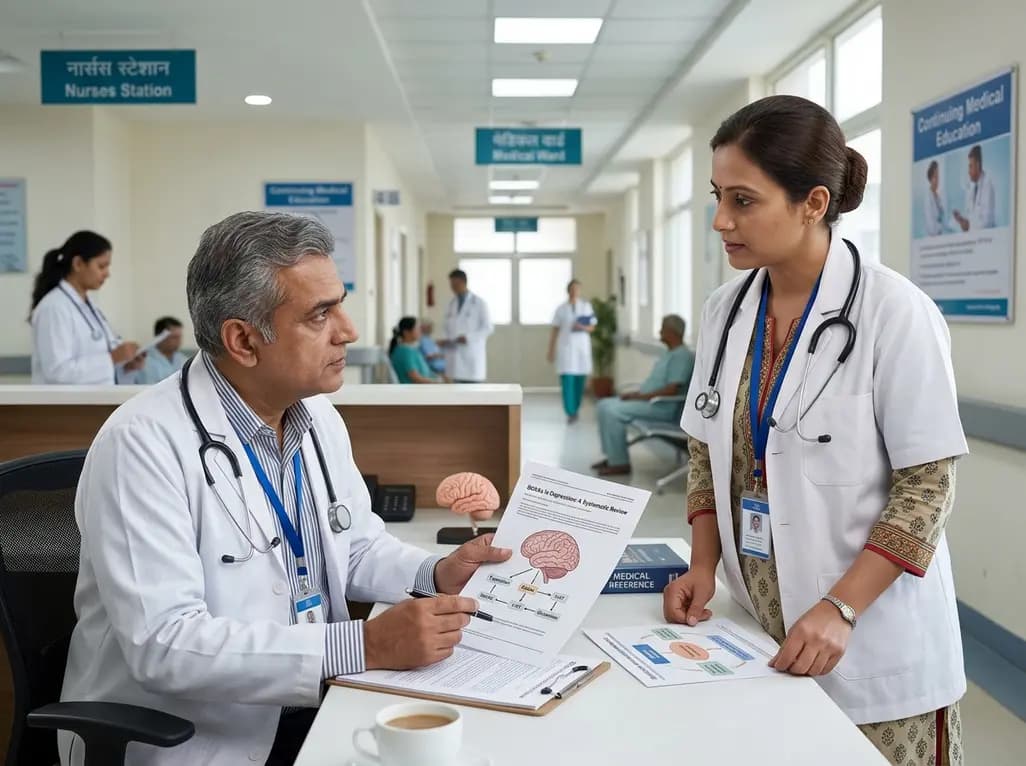
A systematic review evaluates the role of branched-chain amino acids (BCAAs) in depression, highlighting neurobiological mechanisms, clinical trial findings, and lifestyle synergies.
Today
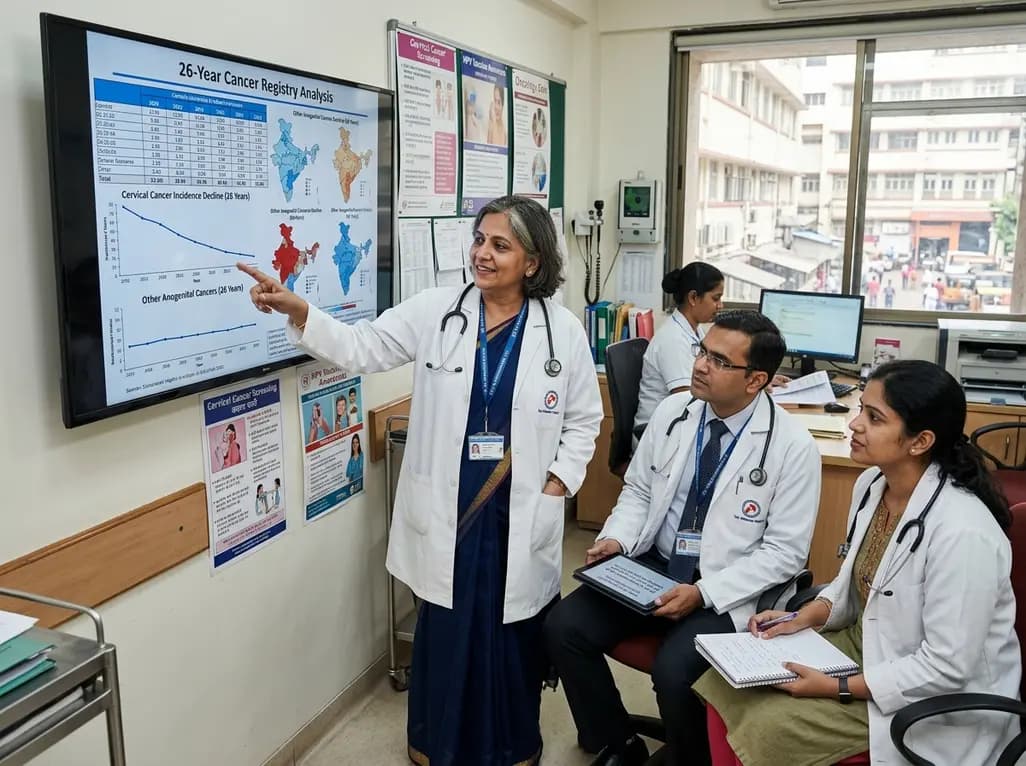
A comprehensive 26-year cancer registry analysis reveals significant declines in cervical cancer incidence alongside stable rates of non-cervical anogenital malignancies. These epidemiologic findings provide critical insights for expanding HPV vaccination, diagnostic vigilance, and preventative oncology care.
Today
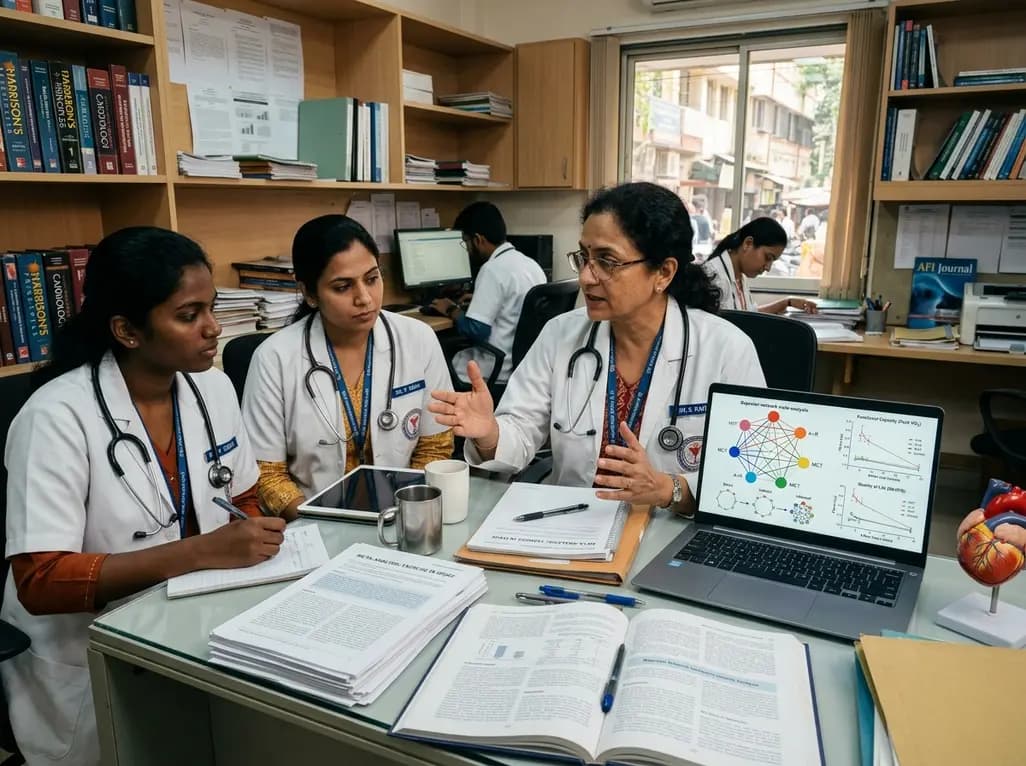
A Bayesian network meta-analysis evaluates exercise training in HFpEF, demonstrating that combined aerobic and resistance training, HIIT, and moderate continuous training significantly enhance peak VO2, while functional electrical stimulation uniquely improves quality of life without altering cardiac remodeling.
Today

Cervi-AI achieves expert-level agreement in evaluating cervical spinal stenosis and spinal cord compression on MRI, while its automated imaging metrics reliably predict anterior versus posterior surgical approaches in multilevel degenerative cervical myelopathy.
Today
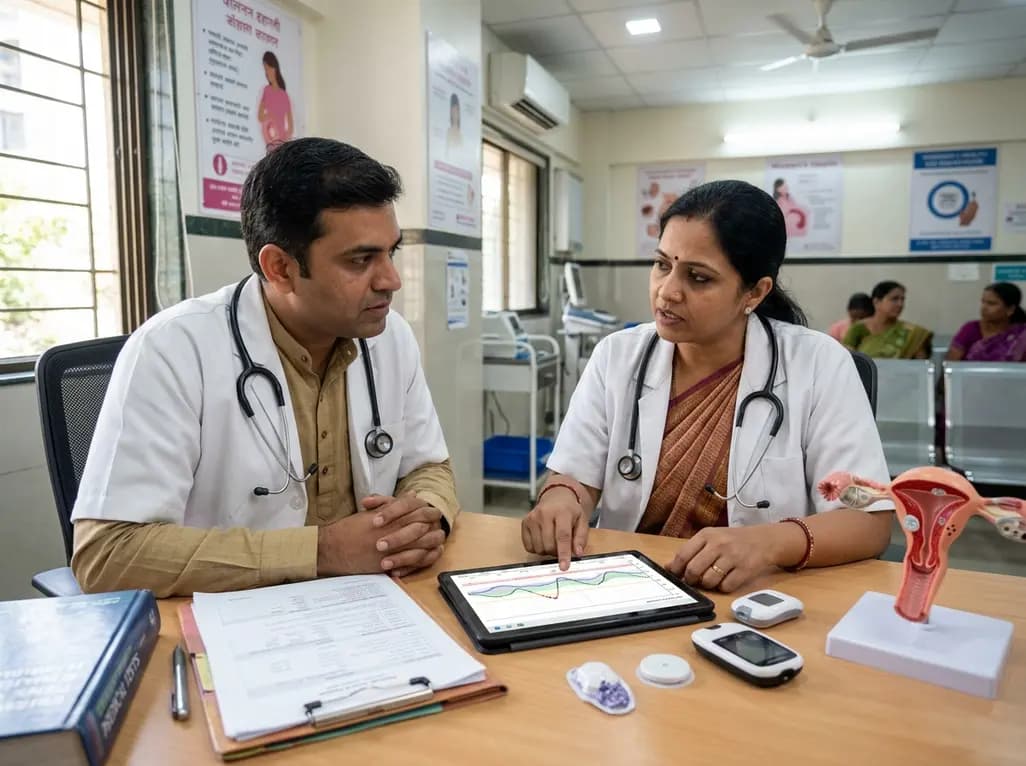
Hormonal shifts throughout puberty, menstruation, fertility treatments, pregnancy, and menopause cause profound glucose excursions in women with diabetes. Understanding these endocrine transitions and utilizing advanced continuous glucose monitoring enables clinicians to optimize personalized diabetes care.
Today
