.webp&w=384&q=75)

Loading, please wait...
Loading, please wait...
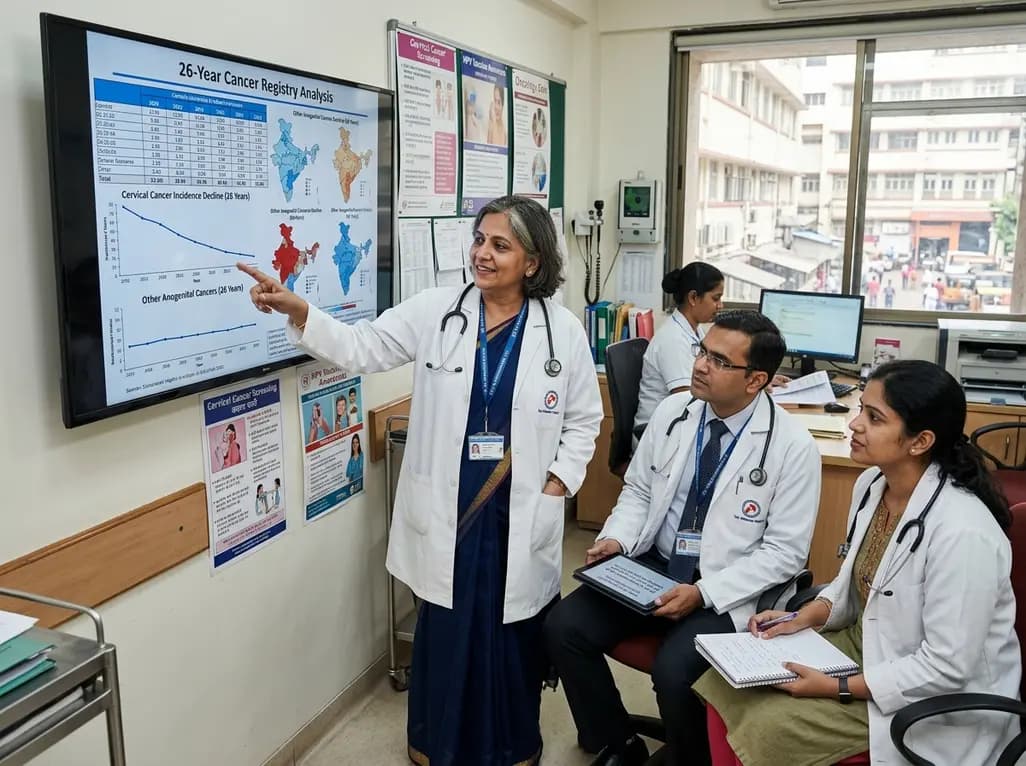
Human papillomavirus drives a substantial proportion of global malignancies, particularly invasive anogenital cancers. Although oncogenic HPV strains cause virtually all cervical cancers, they also trigger roughly 90% of anal, 78% of vaginal, 50% of penile, and 25% of vulvar malignancies. A landmark registry study from Costa Rica evaluated 10,022 invasive cases diagnosed between 1996 and 2022 to examine long-term incidence patterns. Consequently, this investigation provides vital real-world data regarding the shifting landscape of infection-associated tumors over nearly three decades. Researchers used the Segi 1960 World standard population to compute age-standardized incidence rates across demographic subsets. Furthermore, investigators implemented Joinpoint regression analysis to determine annual percent changes with high statistical accuracy. In developing nations like India, understanding these longitudinal patterns remains crucial. Clinicians frequently encounter advanced gynecological and urological presentations where viral etiology plays a dominant pathogenetic role. In addition, assessing long-term population registries clarifies how public health screening programs alter primary tumor distribution. Therefore, analyzing these epidemiological transitions provides valuable guidance for modern clinical practice, screening allocation, and primary preventive initiatives across diverse clinical settings.
The registry analysis revealed profound divergences across anatomical disease sites. Among the 10,022 evaluated malignancies, cervical cancer constituted the vast majority, accounting for 8,122 cases or 81.0% of all diagnoses. Notably, cervical cancer incidence experienced a steep and statistically significant reduction throughout the 26-year study window. The annual percent change reached -3.2%, demonstrating sustained public health success in disease prevention. Researchers attributed this steady progress to improved cytology-based screening programs and earlier therapeutic intervention for preinvasive cervical lesions. Moreover, broader improvements in socioeconomic development and general reproductive healthcare access contributed favorably to this downward trajectory. In contrast, non-cervical anogenital tumors demonstrated starkly different behavioral trends over the same observation period. These secondary malignancies showed no comparable continuous reduction across successive cohorts. Thus, cervical screening infrastructure successfully intercepts cervical preinvasive disease before invasive progression occurs. However, screening modalities do not routinely evaluate other susceptible mucosal surfaces. Consequently, these findings underline the necessity of establishing broader educational frameworks that alert healthcare providers to non-cervical presentations during routine health examinations.
Non-cervical anogenital neoplasms represent a less frequent yet clinically challenging subset of viral malignancies. In the study cohort, vaginal cancer demonstrated a slight upward trend, showing an annual percent change of 0.8%. However, this slight upward movement remained non-statistically significant across the extended time interval. Similarly, vulvar cancer incidence showed a minor, non-significant downward shift with an annual percent change of -0.8%. Penile cancer exhibited an identical annual percent change of -0.8%, which likewise failed to achieve statistical significance. Furthermore, anal cancer rates remained remarkably flat throughout the entire observation window, registering an annual percent change of 0.2%. Therefore, while cervical cancer numbers dropped steadily, non-cervical tumors maintained stable or slightly drifting baseline frequencies. These contrasting trajectories indicate that routine cervical screening programs exert minimal incidental protection against other HPV-driven anogenital sites. In addition, delayed clinical presentation remains common for vulvar, vaginal, and penile lesions because patients frequently misinterpret early symptoms as benign dermatological conditions. Clinicians must maintain high clinical suspicion when evaluating persistent pruritus, chronic mucosal ulcerations, or unresolving nodules in these delicate anatomic zones.
The investigation uncovered noteworthy differences in disease burden between female and male cohorts. Specifically, anal cancer incidence was 1.4 times higher among women than men, reaching 5.3 per million compared to 3.7 per million. Multiple factors explain this pronounced female preponderance, including cervical-to-anal autoinoculation and differing mucosal susceptibility. In addition, hormonal influences and sexual behavioral dynamics may shape persistent viral retention in the anal canal. Meanwhile, male participants experienced unique epidemiological distributions. In men, penile cancer incidence was three times higher than anal cancer, with rates reaching 10.9 per million versus 3.7 per million. This high incidence of penile malignancy highlights an ongoing urological challenge across transitioning economies. Poor genital hygiene, chronic phimosis, and uncircumcised status amplify HPV oncogenesis in penile tissue. Furthermore, societal stigma often discourages men from seeking prompt medical evaluation for early penile lesions. Consequently, patients frequently present with locally advanced tumors requiring aggressive surgical intervention. Primary care providers and urologists should therefore conduct thorough physical examinations whenever male patients report penile discomfort, unusual discharge, or chronic foreskin abnormalities.
The registry findings offer invaluable lessons for healthcare professionals practicing in India. Cervical cancer currently represents the second most frequent malignancy among Indian women, causing immense morbidity and premature mortality. Fortunately, extensive implementation of indigenous HPV vaccination programs offers a tremendous opportunity to reproduce dramatic reductions in invasive disease. However, clinicians must recognize that non-cervical malignancies require deliberate diagnostic strategies. Routine visual inspection of the external genitalia during routine pelvic examinations enables early detection of occult vulvar and vaginal neoplasms. Similarly, physicians must educate male patients regarding penile hygiene and promptly investigate non-healing penile sores. For high-risk groups, including individuals living with HIV or men who have sex with men, targeted anal cytology or high-resolution anoscopy proves vital. Moreover, universal gender-neutral HPV vaccination represents the most effective long-term shield against both cervical and non-cervical viral malignancies. As India expands national immunization campaigns, incorporating both adolescent girls and boys will establish robust community-wide herd immunity. Consequently, practicing physicians, gynecologists, oncologists, and urologists must champion HPV vaccination and advocate comprehensive physical examinations across diverse clinical demographics.
Long-term epidemiological tracking demonstrates the undeniable power of sustained cancer prevention frameworks. The significant decline in cervical cancer proves that organized screening and early lesion eradication deliver profound population benefits. Nevertheless, the stubborn persistence of anal, penile, and vulvovaginal cancers exposes critical blind spots in existing public health architecture. Clinicians cannot rely solely on cervical screening to diminish the broader spectrum of HPV-related disease. Instead, health systems must integrate multi-site clinical surveillance, public awareness campaigns, and extensive immunization coverage. In clinical consultations, doctors should proactively discuss safe sexual behaviors, barrier protection, and routine health checks. Furthermore, ongoing research must monitor HPV genotype distributions to ensure current vaccines provide sufficient broad-spectrum coverage against regional oncogenic variants. By combining aggressive vaccination, vigilant clinical inspection, and prompt diagnostic biopsies, healthcare systems can reduce the burden of all anogenital malignancies. Ultimately, these synchronized interventions will protect vulnerable populations and bring the global goal of HPV-associated cancer elimination closer to reality. Collaborative clinical efforts remain essential to translate these epidemiological lessons into everyday patient care.
Cervical cancer declined primarily because organized cervical screening programs detect and treat preinvasive dysplastic lesions before malignancy develops. In contrast, health systems do not routinely implement population-wide screening protocols for anal, penile, vulvar, or vaginal tissues. Furthermore, symptoms in non-cervical sites often mimic benign inflammatory or dermatological conditions, delaying formal medical evaluation. Consequently, incidence rates for non-cervical malignancies have remained comparatively stable over time despite significant progress against invasive cervical disease.
Women experience higher anal cancer rates due to biological, anatomical, and behavioral factors. Oncogenic human papillomavirus frequently transmits across contiguous mucosal surfaces between the cervix, vulva, and anus via autoinoculation. Additionally, local hormonal variations and mucosal microenvironments in the anal canal may promote persistent viral integration in female patients. Consequently, women with prior cervical dysplasia or immunosuppression exhibit an elevated risk, warranting careful perineal evaluation during comprehensive gynecological and oncological follow-up appointments.
Clinicians in India should actively recommend gender-neutral HPV vaccination for young adolescents to prevent both cervical and non-cervical malignancies. Furthermore, doctors must perform comprehensive visual inspections of the external genitalia during routine gynecological and urological visits. Promptly biopsying chronic non-healing genital ulcers, persistent pruritic plaques, or suspicious verrucous lesions prevents delayed cancer diagnoses. Finally, clinicians should offer targeted anal cytology screening to high-risk cohorts, including immunocompromised individuals and patients living with HIV.
Disclaimer: This content is for informational and educational purposes only... Refer to the latest local and national guidelines for clinical practice.
References

Read summarized clinical updates, watch expert medical content, and earn CME certifications right from your smartphone.
Open your smartphone camera to scan and install.





A comprehensive 26-year cancer registry analysis reveals significant declines in cervical cancer incidence alongside stable rates of non-cervical anogenital malignancies. These epidemiologic findings provide critical insights for expanding HPV vaccination, diagnostic vigilance, and preventative oncology care.
Today
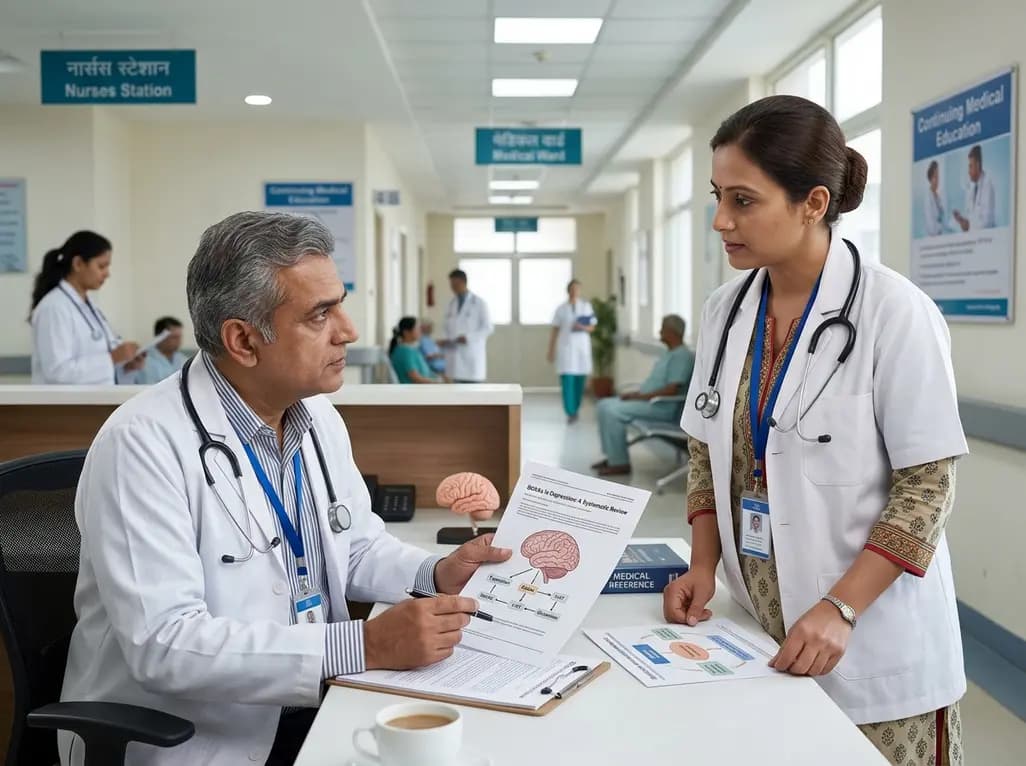
A systematic review evaluates the role of branched-chain amino acids (BCAAs) in depression, highlighting neurobiological mechanisms, clinical trial findings, and lifestyle synergies.
Today
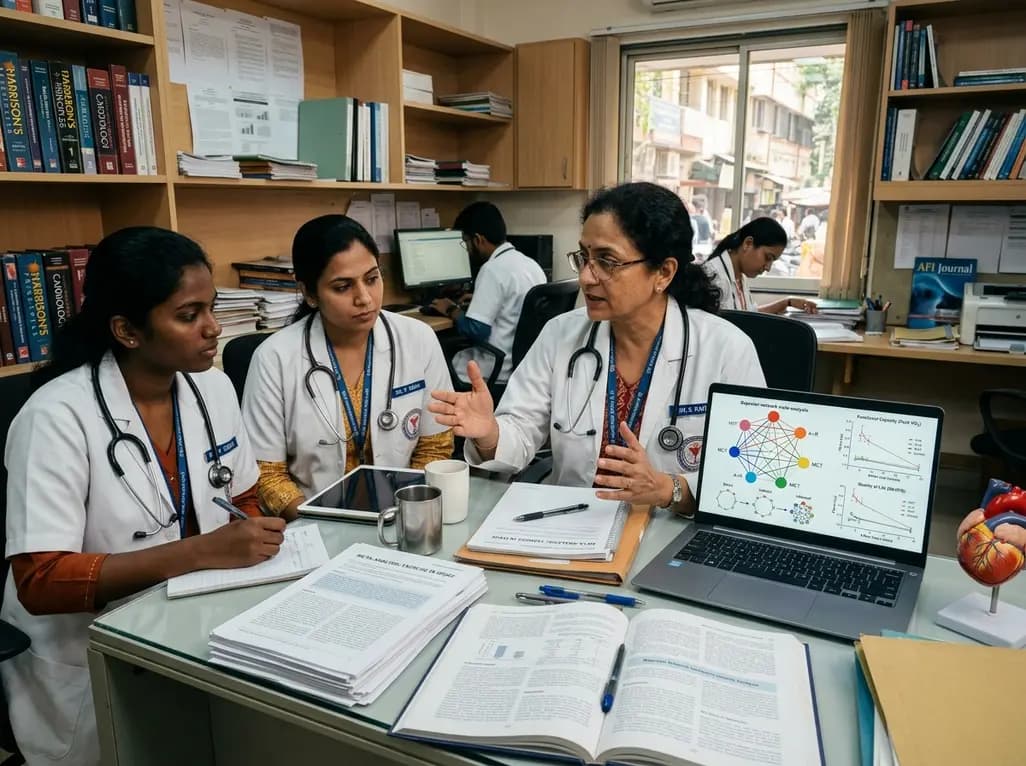
A Bayesian network meta-analysis evaluates exercise training in HFpEF, demonstrating that combined aerobic and resistance training, HIIT, and moderate continuous training significantly enhance peak VO2, while functional electrical stimulation uniquely improves quality of life without altering cardiac remodeling.
Today

Cervi-AI achieves expert-level agreement in evaluating cervical spinal stenosis and spinal cord compression on MRI, while its automated imaging metrics reliably predict anterior versus posterior surgical approaches in multilevel degenerative cervical myelopathy.
Today
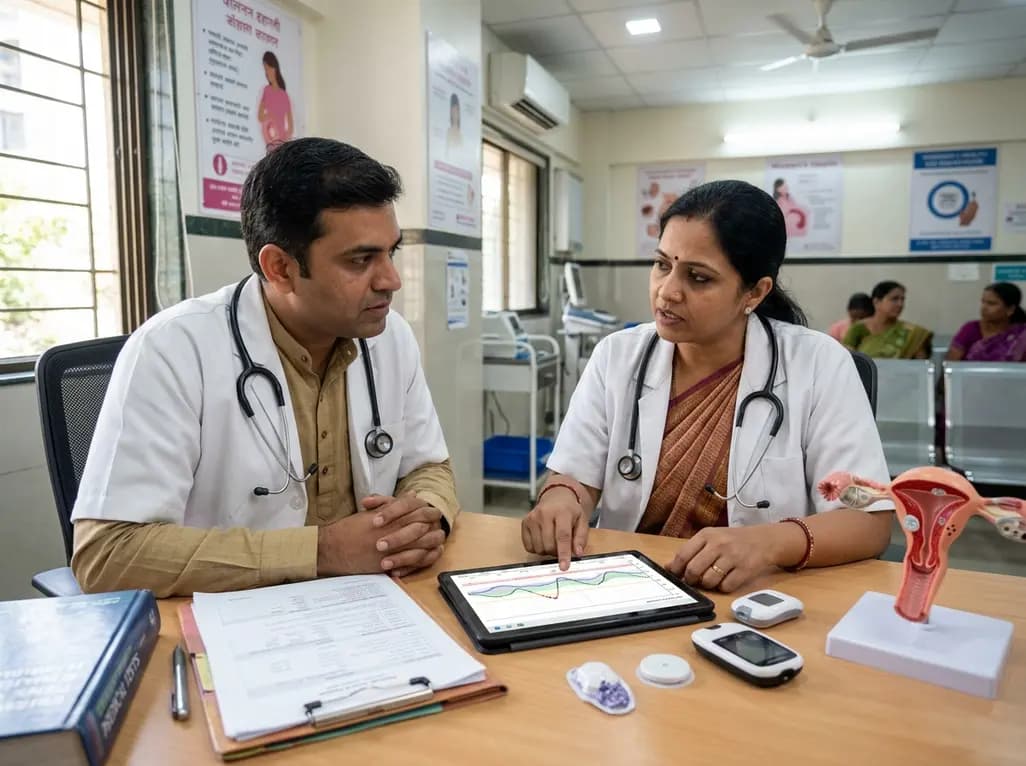
Hormonal shifts throughout puberty, menstruation, fertility treatments, pregnancy, and menopause cause profound glucose excursions in women with diabetes. Understanding these endocrine transitions and utilizing advanced continuous glucose monitoring enables clinicians to optimize personalized diabetes care.
Today
