.webp&w=384&q=75)

Loading, please wait...
Loading, please wait...
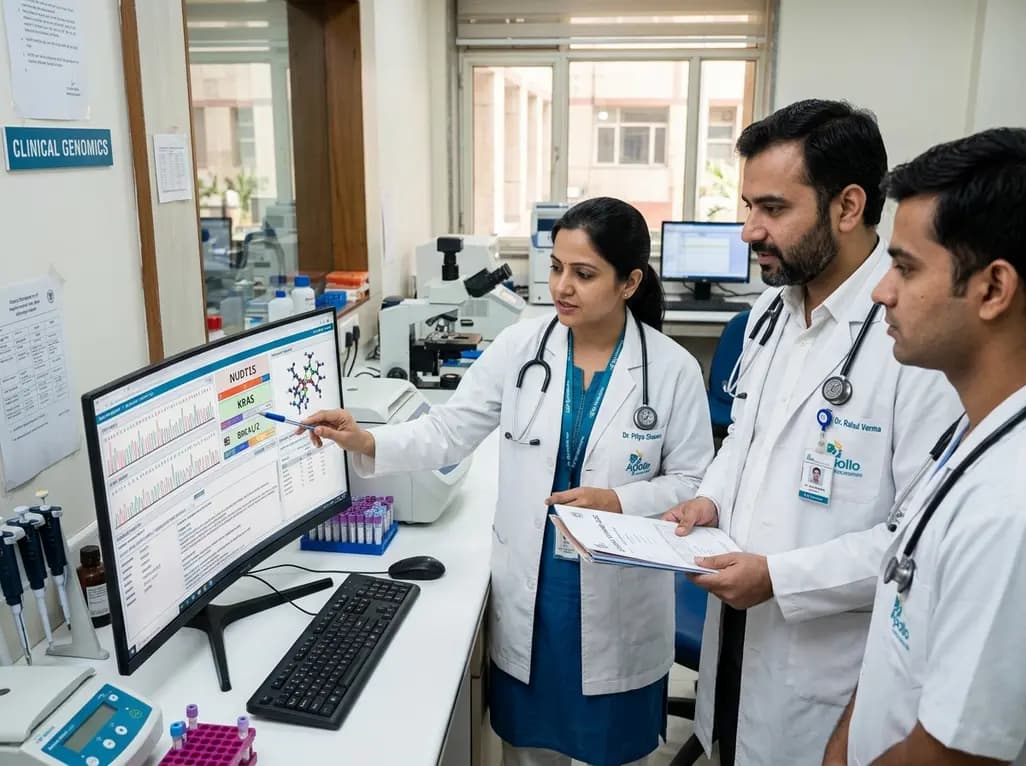
Precision medicine has evolved from an experimental concept into a foundational element of modern healthcare. Today, clinical genomics in India is transitioning rapidly from specialized academic laboratories to the hospital bedside. Major tertiary healthcare centers are integrating comprehensive molecular profiling into everyday clinical decision-making. Consequently, oncologists and physicians can tailor medical interventions to each patient's unique genetic background. However, achieving widespread clinical adoption demands more than advanced sequencing machinery. Healthcare institutions must develop standardized testing pathways, robust data infrastructure, and practical governance models. Furthermore, Indian clinicians require evidence derived directly from local populations rather than Western cohorts. By addressing these foundational imperatives, healthcare providers can ensure that molecular advancements deliver tangible, life-saving benefits to diverse patient communities.
The healthcare landscape in India is undergoing a profound structural transformation. For many years, molecular diagnostics remained largely confined to research protocols and specialized tertiary academic programs. Currently, leading hospitals are embedding next-generation sequencing directly into routine diagnostic workflows. Srinath Venkatesh from Thermo Fisher Scientific emphasizes that scientific innovation alone cannot bridge the delivery gap. Instead, hospital leadership must actively construct practical and accessible clinical pathways. However, a single, uniform model cannot serve every hospital across the nation. Institutional approaches must adapt to institutional volume, local demographics, specialized clinical priorities, and local financial constraints. For example, large tertiary referral centers require comprehensive in-house genomic platforms to handle complex caseloads. In contrast, smaller regional hospitals may rely on collaborative diagnostic networks to deliver timely results. Furthermore, clinicians must interpret complex molecular data within the immediate clinical context of the patient. Technology serves as a powerful enabler, yet physician insight remains irreplaceable. As molecular tools mature, multidisciplinary tumor boards are becoming essential for translating raw genetic data into practical therapies. Therefore, sustained operational collaboration between diagnostic innovators and hospital administrators is necessary to scale precision medicine effectively.
A major limitation of modern precision oncology has been the heavy reliance on Western genomic databases. Genetic variations differ markedly across distinct ethnic populations, making direct extrapolation clinically risky. Consequently, clinical genomics in India must rest firmly upon indigenous population data. A prominent example emerged from research at P.D. Hinduja Hospital regarding thiopurine intolerance. Historically, international guidelines focused almost exclusively on the thiopurine methyltransferase (TPMT) gene to anticipate drug toxicity. However, Indian investigators demonstrated that variations in the NUDT15 gene serve as the primary driver of severe leukopenia in Indian patients. Specifically, the NUDT15 C415T variant strongly predicted life-threatening bone marrow toxicity, whereas TPMT variants were virtually absent. This pivotal discovery changed institutional prescribing patterns years before global guidelines caught up. Moreover, national initiatives like the Genome India Project are sequencing thousands of local genomes to uncover unique disease variants. Gautam Khanna notes that local publication of empirical evidence directly drives clinical adoption among physicians. When doctors review data reflecting their own patient demographics, clinical confidence rises substantially. Therefore, ongoing biobanking and indigenous clinical validation are indispensable for safe, effective therapeutic individualization.
Although precision oncology remains the primary driver of molecular diagnostics, genomic applications are expanding into other medical fields. In particular, cardiovascular medicine is utilizing genetic profiling to evaluate inherited cardiomyopathies and familial arrhythmias. Furthermore, pharmacogenomic panels now guide antiplatelet selection, identifying clopidogrel resistance before interventional cardiologists place coronary stents. Hematologists are similarly deploying genomic assays to investigate unexplained, recurrent thrombotic events in young individuals. In neurology, reproductive medicine has benefited enormously from carrier screening programs for spinal muscular atrophy. Moreover, pediatricians increasingly order whole-exome sequencing to solve perplexing diagnostic odysseys in children with rare congenital anomalies. Dr Upasana Arora of Yashoda Hospitals notes that dedicated research infrastructure and private hospital biobanks accelerate these broad applications across clinical specialties. In tertiary care hospitals, these molecular diagnostic tools resolve complex cases that standard pathology panels cannot clarify. Nevertheless, clinicians must avoid indiscriminate, defensive genomic testing. Genetic markers should clarify clinical ambiguity rather than substitute for comprehensive clinical evaluation. Unclear variants of uncertain significance can provoke unnecessary patient anxiety if physicians misinterpret them. Accordingly, medical teams must pair advanced molecular testing with pre-test and post-test genetic counseling to maintain optimal therapeutic clarity.
Despite rapid progress, several substantial obstacles hinder the seamless integration of genomics into daily medical practice. The most pressing bottleneck is a severe shortage of qualified medical geneticists and molecular pathologists. Currently, the national demand for specialists capable of interpreting intricate genomic variants significantly outstrips the supply. To address this deficit, hospitals must invest aggressively in upskilling pathologists, oncologists, and laboratory technologists through structured fellowship programs and continuing medical education. Additionally, healthcare institutions must build robust data governance protocols to safeguard sensitive genetic records. Patient trust relies entirely on transparent informed consent and rigorous cybersecurity measures. Artificial intelligence platforms are emerging to help bioinformaticians accelerate variant annotation and data curation. However, medical experts agree that artificial intelligence must remain an assistive diagnostic companion rather than an autonomous decision-maker. Furthermore, high out-of-pocket costs continue to restrict advanced genomic assays to affluent urban demographics. Health insurance policies in India often exclude routine genomic profiling, categorizing it as investigational testing. Consequently, hospital administrators and industry stakeholders must collaborate with public policymakers to reduce test costs and secure comprehensive insurance coverage.
Geographic disparities represent another formidable hurdle in the democratisation of precision medicine across India. Advanced next-generation sequencing equipment remains concentrated within premier hospitals in tier-one metropolitan hubs. As Dr Sunil Khetarpal of the AHPI highlighted, access to diagnostic technology is far more vital than decentralized ownership. Therefore, healthcare providers are developing hub-and-spoke models to extend specialized molecular diagnostic services into secondary cities and rural districts. Under this regional model, peripheral hospitals collect patient tissue or blood specimens and ship them to centralized diagnostic hubs. Subsequently, centralized molecular pathology teams sequence the samples and deliver curated genetic interpretations back to regional treating physicians. Digital platforms and virtual tumor boards facilitate immediate interdisciplinary consultations between remote clinicians and centralized super-specialists. This decentralized approach minimizes unnecessary travel burdens and heavy lodging expenses for vulnerable patient families. In addition, public-private partnerships can establish regional diagnostic laboratories equipped to handle common pharmacogenomic and inherited disease panels. State governments can also partner with accredited private labs to broaden rural access. By uniting decentralized sample collection with centralized interpretation, India can establish an inclusive genomic ecosystem that leaves no patient behind.
Q1: Why is the NUDT15 genetic variant more relevant than TPMT for Indian patients receiving thiopurine therapy?
While Western protocols rely primarily on TPMT testing, Indian research reveals that TPMT mutations are exceptionally rare in native populations. Instead, the NUDT15 C415T variant acts as the primary genetic driver of severe, life-threatening thiopurine-induced myelosuppression and leukopenia in Indian patients. Consequently, preemptive NUDT15 genotyping allows clinicians to identify vulnerable individuals early, adjust drug dosages appropriately, and prevent fatal drug toxicity during maintenance chemotherapy or immunosuppressive treatment.
Q2: How does the hub-and-spoke model expand access to precision medicine outside major Indian cities?
The hub-and-spoke model separates sample collection from capital-intensive laboratory infrastructure. Smaller peripheral clinics collect patient specimens and transport them safely to centralized diagnostic hubs equipped with high-throughput sequencing technology. Centralized molecular pathologists analyze the genetic data and generate standardized clinical reports. Furthermore, virtual tumor boards connect rural clinicians with expert geneticists. Consequently, patients in non-metropolitan regions access advanced diagnostic insights locally without incurring exorbitant travel costs or disrupting routine family life.
Q3: What critical clinical specialties outside oncology benefit immediately from genomic testing?
Beyond oncology, clinical genomics significantly enhances diagnosis and management across cardiology, neurology, pediatrics, and hematology. For example, cardiologists use targeted panels to identify familial arrhythmias and optimize antiplatelet drugs like clopidogrel. In pediatrics and neurology, whole-exome sequencing helps diagnose complex neuromuscular disorders, while carrier screening identifies spinal muscular atrophy risks. In addition, hematologists evaluate unexplained thrombotic events, ensuring clinicians prescribe tailored anticoagulant regimens based on verified underlying hereditary risk factors.
Disclaimer: This content is for informational and educational purposes only. It does not constitute medical advice or replace professional judgment. Refer to the latest local and national guidelines for clinical practice.
References

Read summarized clinical updates, watch expert medical content, and earn CME certifications right from your smartphone.
Open your smartphone camera to scan and install.





Indian healthcare centers are advancing beyond laboratory capabilities to integrate genomic testing into regular clinical workflows. From population-specific pharmacogenomics like NUDT15 to precision oncology and rare diseases, clinicians are leveraging local evidence to guide personalized diagnostic pathways.
Today

Subcutaneous infliximab provides stable steady-state pharmacokinetics and reduces immunogenicity in inflammatory bowel disease. This clinical review explores pivotal trial evidence, therapeutic drug monitoring recalibration, immunomodulator de-escalation, and real-world switching strategies.
Today
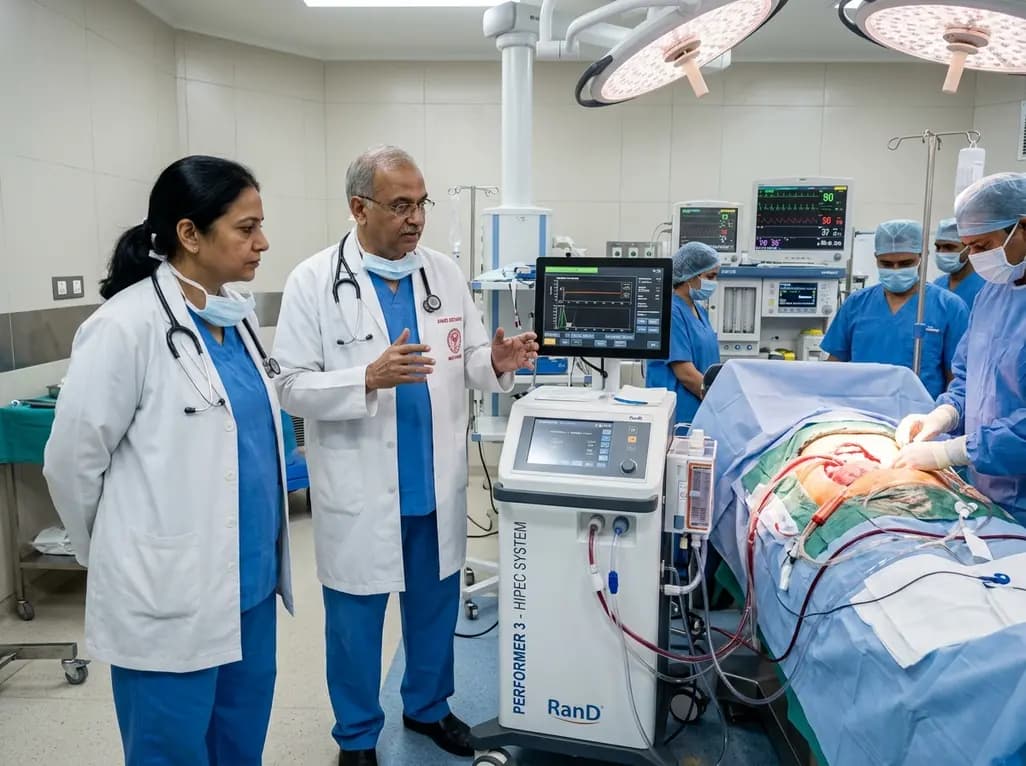
AIIMS Bathinda has inaugurated a specialized peritoneal oncology service featuring the RanD Performer 3 HIPEC platform. The facility offers cytoreductive surgery alongside hyperthermic intraperitoneal chemotherapy, transforming regional management for advanced ovarian, colorectal, and appendiceal malignancies.
Today
A cross-sectional study reveals that hypertension knowledge, illness perceptions, depression, and substance use significantly predict self-care behaviors. Addressing mental health and cognitive beliefs in primary care is crucial for optimal blood pressure control and cardiovascular disease prevention.
Today
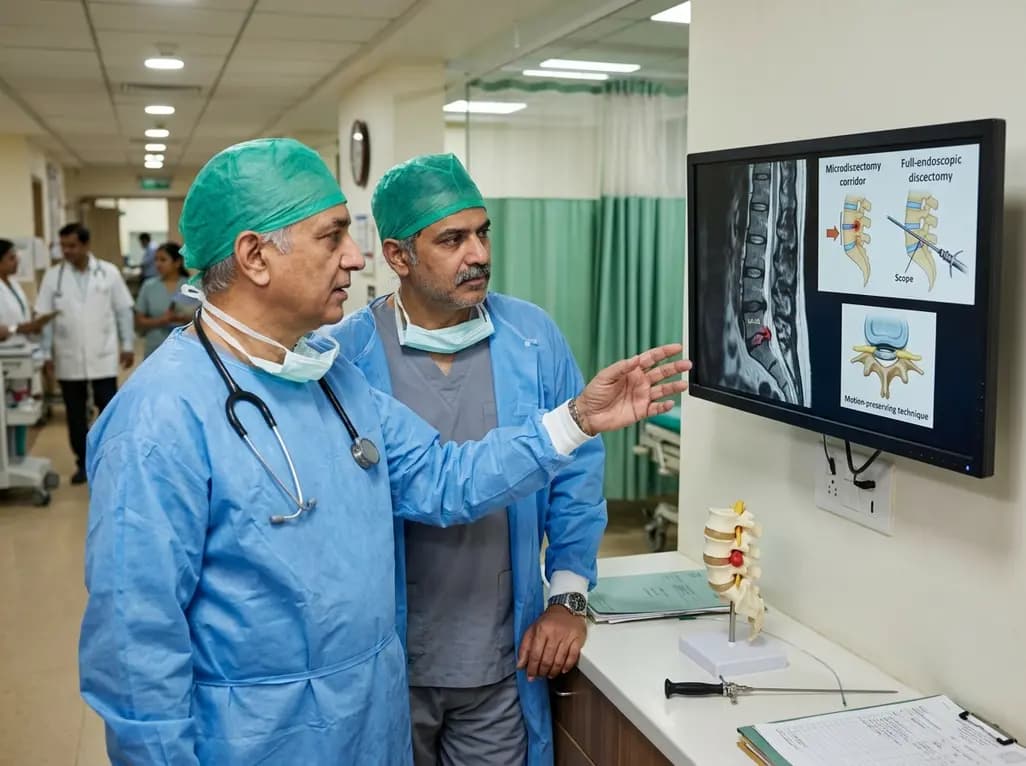
This clinical overview examines recent advancements in lumbar disc herniation surgery, comparing microscopic and full-endoscopic discectomy while highlighting biportal techniques and emerging motion-preserving innovations for spine specialists.
Today
A breakthrough study reveals that loss of SELENOT in hypothalamic POMC neurons triggers premature cellular senescence, ATF6α stress activation, and ER calcium depletion, linking neuroendocrine decay to metabolic disease.
Today
