.webp&w=384&q=75)

Loading, please wait...
Loading, please wait...

The Indian Council of Medical Research has clarified that recent seasonal respiratory infections in the country stem from known viral lineages rather than novel mutations. Comprehensive genomic surveillance confirms that the circulating H1N1 strain matches previously cataloged variants. Consequently, healthcare authorities emphasize that current public health observations warrant systematic clinical vigilance rather than alarm among healthcare practitioners and patients across the nation.
Genomic characterization performed by national reference laboratories indicates that the active pathogen belongs to the influenza A(H1N1)pdm09 lineage. Specifically, the isolates match the A/Missouri/11/2025-like strain, which falls within genetic clade 6B.1A.5a2a and subclade D.3.1.1. Notably, this specific viral lineage has circulated in India and global populations since 2025. Therefore, continuous molecular surveillance shows no evidence of significant antigenic shift or unexpected pathogenic virulence mutations. In addition, virologists confirm that the circulating H1N1 strain retains genetic stability across diverse geographical regions. Because these structural characteristics remain uniform, existing commercial RT-PCR assays and rapid diagnostic platforms reliably identify active infections without diagnostic escape. Clinicians can confidently interpret routine diagnostic panels when evaluating suspected acute viral respiratory illnesses. Furthermore, apex surveillance laboratories continuously evaluate viral fitness and drug susceptibility patterns against standard therapeutic agents. Routine genomic mapping ensures the prompt detection of any emerging structural changes in viral surface glycoproteins. Thus, current virological dynamics reflect normal seasonal influenza transmission rather than a novel pandemic scenario. Healthcare professionals should communicate these reassuring scientific findings to alleviate unwarranted community apprehension.
Vaccine effectiveness depends heavily on the close antigenic match between circulating wild viruses and seasonal formulation strains. Fortunately, apex research bodies confirmed that the active seasonal influenza viruses align closely with the current Northern Hemisphere vaccine composition. Consequently, available trivalent and quadrivalent seasonal influenza vaccines confer robust protective immunity against prevailing variants. Healthcare practitioners should therefore actively advocate for annual influenza vaccination across all eligible cohorts, especially high-risk populations. Moreover, frontline healthcare workers require prompt seasonal immunization to preserve essential health system capacity during peak seasonal transmission. In addition, maternal immunization during pregnancy provides critical passive antibody transfer to protect vulnerable neonates during their first months of life. Although seasonal vaccination does not completely eliminate mild breakthrough transmission, it substantially decreases the incidence of severe lower respiratory tract complications. Furthermore, vaccinated individuals who contract mild viral illness demonstrate significantly lower rates of hospitalization and intensive care requirement. Clinical practices should maintain reliable cold-chain vaccine inventories to meet community preventive requirements effectively. Besides routine clinical discussions, physicians should address patient vaccine hesitancy by highlighting this verified antigenic match. Therefore, timely immunization remains the cornerstone of individual defense and broader community protection.
Seasonal influenza typically presents as an acute, self-limiting upper respiratory tract infection in healthy, immunocompetent individuals. Patients commonly present with the sudden onset of fever, non-productive cough, sore throat, severe myalgia, and marked physical fatigue. However, clinicians must carefully distinguish uncomplicated illness from progressive lower respiratory tract involvement. In particular, young children, older adults, and pregnant women face substantial risks of severe disease progression. Additionally, patients with preexisting chronic obstructive pulmonary disease, asthma, diabetes mellitus, cardiovascular disease, or underlying immunosuppression require meticulous monitoring. Primary care physicians should systematically categorize presenting patients based on established national influenza triage protocols. For instance, Category A patients presenting with mild fever and cough require home isolation and supportive symptomatic care. Conversely, Category B individuals exhibiting high-risk comorbidities and Category C patients presenting with respiratory distress require immediate escalation. Furthermore, clinicians must remain alert for critical red-flag symptoms, including tachypnea, chest pain, altered mental status, and reduced oxygen saturation. Consequently, structured risk stratification prevents unnecessary hospital bed occupancy while ensuring timely clinical interventions for vulnerable patient populations.
Accurate clinical evaluation remains vital during concurrent seasonal outbreaks of vector-borne and respiratory infectious illnesses. Because seasonal monsoon transitions frequently feature overlapping presentations of dengue, malaria, and influenza, a thorough differential diagnosis is essential. Consequently, clinicians should utilize point-of-care rapid testing or laboratory-based multiplex PCR assays when evaluating complicated or high-risk cases. However, physicians should initiate empiric antiviral therapy without waiting for confirmatory laboratory reports in deteriorating patients. Neuraminidase inhibitors, particularly oral oseltamivir, represent the primary therapeutic standard for moderate-to-severe and high-risk influenza cases. Furthermore, clinical evidence demonstrates that oseltamivir provides maximal therapeutic efficacy when healthcare providers initiate treatment within forty-eight hours of symptom onset. Standard adult dosing involves seventy-five milligrams twice daily for five days, alongside weight-adjusted dosing protocols for pediatric patients. Additionally, clinicians should strictly avoid prescribing unindicated broad-spectrum antibacterial agents for uncomplicated viral upper respiratory infections. Inappropriate antibiotic administration fuels antimicrobial resistance patterns without offering clinical recovery benefits. Therefore, rational antiviral pharmacotherapy, adequate hydration support, and targeted antipyretic management remain central to modern outpatient and inpatient care.
The Union Ministry of Health and Family Welfare alongside state health departments have instituted comprehensive preparedness measures across major metropolitan territories. Recent high-level review meetings established strong inter-agency coordination to manage seasonal influenza and vector-borne diseases collaboratively. Specifically, municipal health authorities report adequate availability of isolation beds, critical care equipment, diagnostic reagents, and essential therapeutic agents. Moreover, centralized laboratory surveillance networks continuously monitor regional disease incidence and clustering to anticipate local healthcare surge demands. Public health advisories continue to emphasize standard non-pharmacological interventions, including respiratory etiquette, hand hygiene, and voluntary home isolation during acute illness. In addition, healthcare facilities have strengthened internal infection prevention protocols to minimize nosocomial viral transmission within outpatient departments and inpatient wards. Dedicated triage desks in emergency departments now rapidly separate febrile respiratory patients from general outpatient crowds. Furthermore, hospital administrative teams ensure continuous supply chains for personal protective equipment and essential respiratory medications. Consequently, the healthcare infrastructure remains fully equipped to manage seasonal fluctuations smoothly and protect community health.
Q1: What specific strain is responsible for the current rise in seasonal influenza cases?
The current seasonal rise is driven by influenza A(H1N1)pdm09, specifically the A/Missouri/11/2025-like strain belonging to clade 6B.1A.5a2a and subclade D.3.1.1. ICMR surveillance confirms that this lineage has circulated since 2025 without novel mutations. Furthermore, the circulating virus matches current Northern Hemisphere seasonal vaccines, confirming that the current surge represents expected seasonal activity rather than an emergent strain.
Q2: Who is at greatest risk for developing severe complications from H1N1 influenza?
Individuals at highest risk include children under five years, adults aged sixty-five and older, pregnant women, and immunocompromised patients. Furthermore, individuals with underlying chronic illnesses, such as asthma, chronic obstructive pulmonary disease, diabetes, or cardiovascular disease, have higher complication risks. Consequently, clinicians should closely monitor these high-risk groups and initiate early antiviral therapy upon the onset of compatible symptoms.
Q3: When should a patient with suspected seasonal influenza seek urgent medical attention?
Patients must seek immediate medical care if they develop warning signs of lower respiratory involvement or systemic deterioration. Specifically, red-flag symptoms include persistent high fever, shortness of breath, chest tightness, bluish discoloration of lips, confusion, or severe dizziness. In pediatric patients, rapid breathing, poor oral intake, and lethargy warrant immediate emergency evaluation to prevent serious clinical complications.
Disclaimer: This content is for informational and educational purposes only. It does not constitute medical advice or replace professional judgment. Refer to the latest local and national guidelines for clinical practice.
References

Read summarized clinical updates, watch expert medical content, and earn CME certifications right from your smartphone.
Open your smartphone camera to scan and install.





The ICMR confirms that active seasonal influenza in India is driven by the A(H1N1)pdm09 Missouri-like lineage circulating since 2025. With current strains matching Northern Hemisphere vaccines, health authorities advise clinicians to focus on early triage, high-risk group care, and rational antiviral use.
last month

Systemic amyloidosis management is undergoing a therapeutic revolution. This clinical review synthesizes updates from the International Society of Amyloidosis, detailing novel plasma cell therapies, TTR stabilizers, silencers, translational models, and artificial intelligence in drug development.
Today

A retrospective study of 824 patients undergoing over 2,200 intradetrusor onabotulinumtoxinA injections identifies sex- and etiology-specific predictors of 2-week post-void residual, highlighting the influence of baseline residual volumes, toxin dosage, and distinct urodynamic parameters on urinary retention risk.
Today
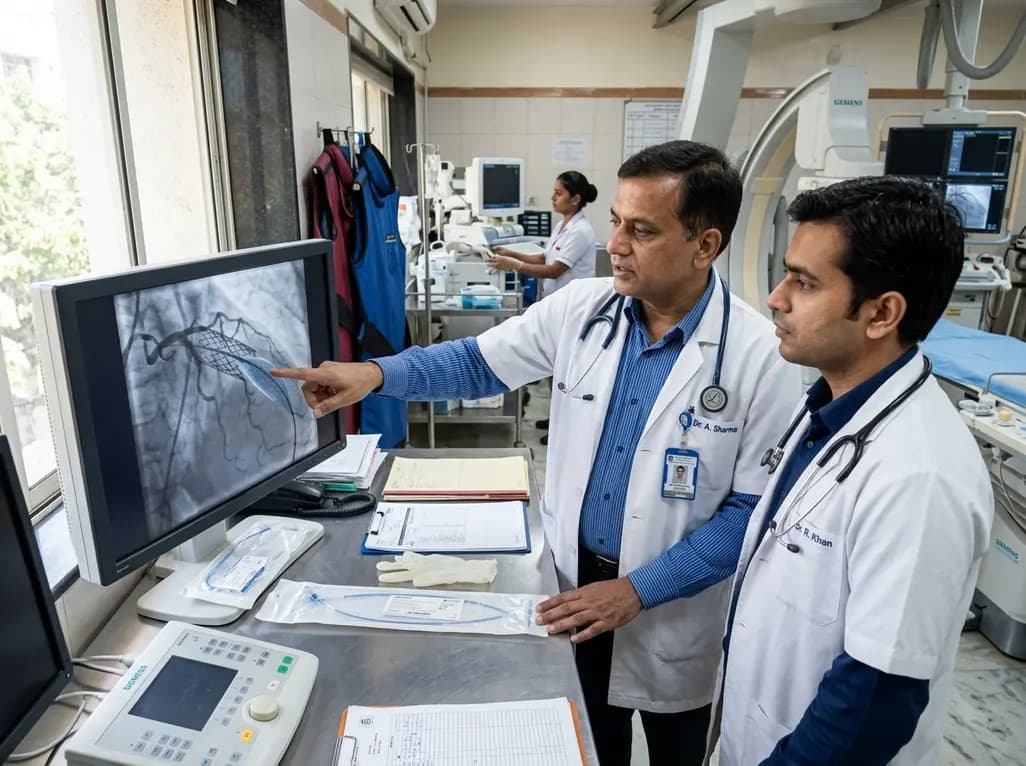
The US FDA has granted approval to the SELUTION SLR drug-eluting balloon for treating coronary in-stent restenosis. This milestone introduces a sustained-release sirolimus platform that eliminates the need for additional permanent metallic stents while maintaining robust vascular healing and luminal patency.
Today

The Thumbs-Out Classification (TOC) is a reliable screening tool for detecting thumb-in-palm deformity in children with cerebral palsy. Utilizing traffic-light tiers for radial abduction, TOC enables clinicians to monitor upper limb function and initiate timely therapeutic or surgical interventions.
Today

A comprehensive review analyzes periconceptional GLP-1 receptor agonist exposure, revealing reassuring data on congenital anomalies and adverse perinatal outcomes while emphasizing the need for cautious patient counseling.
Today
