

Loading, please wait...
Loading, please wait...

Major depressive disorder presents notable clinical heterogeneity across diverse patient populations. Recently, psychiatric researchers identified circadian depression as a biologically distinct subtype driven by internal clock disruption. Consequently, clinical teams must rethink standard diagnostic and therapeutic protocols. Understanding these internal rhythms allows clinicians to tailor therapy effectively. Therefore, recognizing circadian disruptions early dramatically improves therapeutic outcomes for vulnerable patients.
The human circadian system coordinates essential physiological processes through a master pacemaker in the hypothalamic suprachiasmatic nucleus. Furthermore, cellular clocks regulate cellular repair, hormone secretion, and daily body temperature rhythms. In many patients, however, this intricate internal clock desynchronizes from the external astronomical environment. The landmark Australian Genetics of Depression Study evaluated data from more than eleven thousand individuals. Remarkably, the investigators discovered that circadian depression accounted for nearly twenty-five percent of severe and persistent mood disorders. Historically, practitioners viewed sleep disturbances merely as secondary emotional symptoms of psychiatric distress. Nevertheless, emerging molecular evidence demonstrates that intrinsic chronobiological disruptions actively drive this depressive disorder. When genetic vulnerabilities disturb circadian transcriptional feedback loops, individuals experience severe neurochemical imbalances. In addition, circadian misalignment compromises central neurotransmission and neuroplasticity pathways. Consequently, patients develop profound mood instability and persistent cognitive exhaustion. Therefore, clinicians must regard rhythm dysregulation as a primary causal pathology rather than a passive byproduct of affective disturbance. Recognizing this underlying chronobiological mechanism represents a major conceptual paradigm shift in clinical psychiatric evaluation.
Diagnosing this circadian subtype requires careful evaluation of specific behavioral and physiological markers. Specifically, researchers established six defining clinical criteria that distinguish these individuals from other presentations. Patients typically exhibit a marked seasonal pattern, with depressive episodes worsening during darker winter months. Furthermore, they display delayed sleep timing and a pronounced evening chronotype, often identifying as extreme night owls. Depressive episodes also cause pronounced hypersomnia, wherein individuals sleep significantly longer than usual. However, despite prolonged sleep duration, patients consistently awaken feeling unrefreshed, experiencing intense morning sleep inertia. Additionally, individuals suffer from substantial social jetlag, demonstrating significant discrepancy between workday schedules and unstructured weekend routines. Clinically, patients with this chronobiological subtype encounter a noticeably earlier disease onset during adolescence or early adulthood. Moreover, they report more complex psychiatric trajectories characterized by greater symptom severity. Patients frequently experience hypomanic-like periods, psychotic symptoms, and heightened rates of active suicidal ideation. Clinicians also regularly observe significant somatic complaints and noticeable weight gain during acute depressive episodes. Consequently, identifying these specific criteria during initial consultations provides crucial insight into underlying chronobiological dysfunction.
Comprehensive genomic profiling demonstrates that this clinical subtype possesses a unique hereditary background. Specifically, polygenic risk scoring reveals elevated genetic susceptibility for major depressive disorder and bipolar illness. Furthermore, these patients demonstrate strong shared genetic overlap with attention-deficit hyperactivity disorder and generalized anxiety. This high genetic burden illuminates why symptoms emerge during critical neurodevelopmental stages in youth. In addition to psychiatric vulnerabilities, the genetic data expose profound physiological and somatic comorbidities. Notably, patients carry elevated polygenic risk scores for heightened systemic inflammation, marked by increased interleukin-6 expression. They also present substantial polygenic liability for metabolic dysfunction, including insulin resistance, elevated triglycerides, and obesity. Consequently, these individuals face heightened long-term risks for cardiovascular morbidity and metabolic syndrome. The biological findings clearly demonstrate that this condition is not merely psychological distress accompanied by poor sleep habits. Rather, distinct molecular mechanisms disrupt whole-body metabolic homeostasis and neuroimmune signaling pathways simultaneously. Therefore, treating clinicians must address both psychological instability and cardiometabolic vulnerabilities concurrently. For instance, routine monitoring of fasting glucose, lipid profiles, and inflammatory markers enables early medical intervention. Proactive cardiometabolic surveillance represents a vital, life-saving component of comprehensive patient care.
Standard psychiatric treatment guidelines routinely recommend selective serotonin reuptake inhibitors as initial pharmacotherapy for major depression. Similarly, physicians frequently prescribe serotonin and norepinephrine reuptake inhibitors during initial presentations. These medications increase monoamine neurotransmitter availability across synaptic junctions, which successfully relieves typical melancholic depression. However, the study findings reveal that individuals with circadian subtype depression respond poorly to these standard medications. In fact, patients experience statistically significantly lower odds of therapeutic response when taking traditional serotonergic agents. Furthermore, affected individuals report a substantially higher incidence of intolerable adverse effects from these standard pharmaceuticals. Because SSRIs primarily modify monoaminergic pathways without resynchronizing central clock genes, they fail to resolve underlying chronobiological deficits. Moreover, ineffective pharmacotherapy often delays appropriate care, exacerbating patient hopelessness and elevating long-term treatment non-adherence. Psychiatrists emphasize that misidentifying circadian depression in young adults frequently initiates a demoralizing cascade of repeated pharmacotherapeutic failures. Consequently, clinicians must move beyond standard guidelines when patients present with marked circadian disruptions. Recognizing these pharmacodynamic limitations enables medical teams to avoid ineffective medication trials and prevent unnecessary pharmacological toxicity.
Fortunately, identifying this unique subtype opens clear pathways to targeted chronobiological interventions. Instead of relying solely on monoaminergic pathways, clinicians can employ therapies that directly realign the body clock. For example, exogenous melatonin and melatonergic antidepressants like agomelatine specifically engage melatonin receptors to reset daily circadian timing. In addition, agomelatine provides potent 5-HT2C antagonism, enhancing dopamine and noradrenaline transmission within frontal cortical circuits. Clinical trials indicate that melatonergic agents significantly alleviate depression while restoring healthy sleep architecture and eliminating daytime sedation. Furthermore, bright light therapy serves as an exceptionally potent non-pharmacological chronobiological intervention. Morning exposure to ten thousand lux white light effectively advances circadian phase and stabilizes hypothalamic rhythms. Clinicians can also combine phototherapy with structured sleep scheduling to correct social jetlag and severe morning sleep inertia. Additionally, interpersonal and social rhythm therapy helps vulnerable individuals establish consistent daily routines for meals, exercise, and social engagements. Thus, coordinating biological and behavioral zeitgebers restores internal circadian coherence far more effectively than standard monoamine antidepressants. By embracing these chronobiological strategies, physicians provide personalized, mechanistic care that restores functioning and improves long-term prognosis.
Q1: What are the primary diagnostic criteria for circadian depression?
Clinicians diagnose circadian depression when patients present with at least three distinct chronobiological criteria. Specifically, these features include a seasonal pattern of depressive episodes, delayed sleep midpoint, and a distinct evening chronotype. Patients also suffer from hypersomnia during depressive episodes, persistent morning sleep inertia, and pronounced social jetlag between workdays and weekends. Recognizing these clinical manifestations allows practitioners to distinguish this subtype from typical melancholic depression and initiate chronobiological therapy.
Q2: Why do patients with this subtype respond poorly to SSRIs?
Standard selective serotonin reuptake inhibitors act primarily by inhibiting synaptic serotonin reabsorption. However, circadian depression stems from intrinsic rhythm desynchrony and molecular clock dysfunction rather than isolated monoamine depletion. Consequently, serotonergic agents fail to address core circadian misalignments in the suprachiasmatic nucleus. Furthermore, these patients frequently experience heightened adverse side effects without achieving therapeutic remission. Therefore, targeting circadian clock receptors with melatonergic agents or light therapy yields superior clinical response.
Q3: Which chronotherapeutic strategies show the highest clinical efficacy?
Targeted chronotherapy combines pharmacological and non-pharmacological modalities to reset the master biological clock. Specifically, morning bright light therapy utilizing ten thousand lux exposure effectively advances circadian phase and alleviates mood symptoms. Additionally, melatonergic medications like agomelatine or carefully timed exogenous melatonin stimulate MT1 and MT2 receptors to restore natural sleep-wake architecture. Clinicians should also incorporate structured social rhythm therapy, ensuring regular meal times, daytime physical exercise, and consistent bedtimes.
Disclaimer: This content is for informational and educational purposes only. It does not constitute medical advice or replace professional judgment. Refer to the latest local and national guidelines for clinical practice.
References

Read summarized clinical updates, watch expert medical content, and earn CME certifications right from your smartphone.
Open your smartphone camera to scan and install.





A major genetic study identifies circadian depression as a distinct subtype affecting nearly one-fourth of patients with recurrent mood disorders. Characterized by severe biological rhythm disruption and poor SSRI response, this phenotype requires targeted chronotherapy, light interventions, and melatonergic agents.
Today

A landmark study evaluates artificial intelligence models and prompting strategies in qualitative lupus pregnancy research, revealing that few-shot prompting in advanced LLMs reliably captures maternal experiences, clinical anxieties, and perinatal outcomes across diverse languages.
Today

A landmark study demonstrates that transarterial CTA using transbrachial catheterization reduces contrast volume to ~31 mL, eliminating contrast-induced acute kidney injury in CKD patients undergoing EVAR while maintaining diagnostic image attenuation and procedural safety.
Today

A recent single-institution analysis identifies advanced patient age and progressive systemic disease as primary negative prognostic factors for five-year survival in chondrosarcoma, underscoring the urgent necessity of precise risk stratification, clear surgical margins, and dedicated oncologic follow-up.
Today
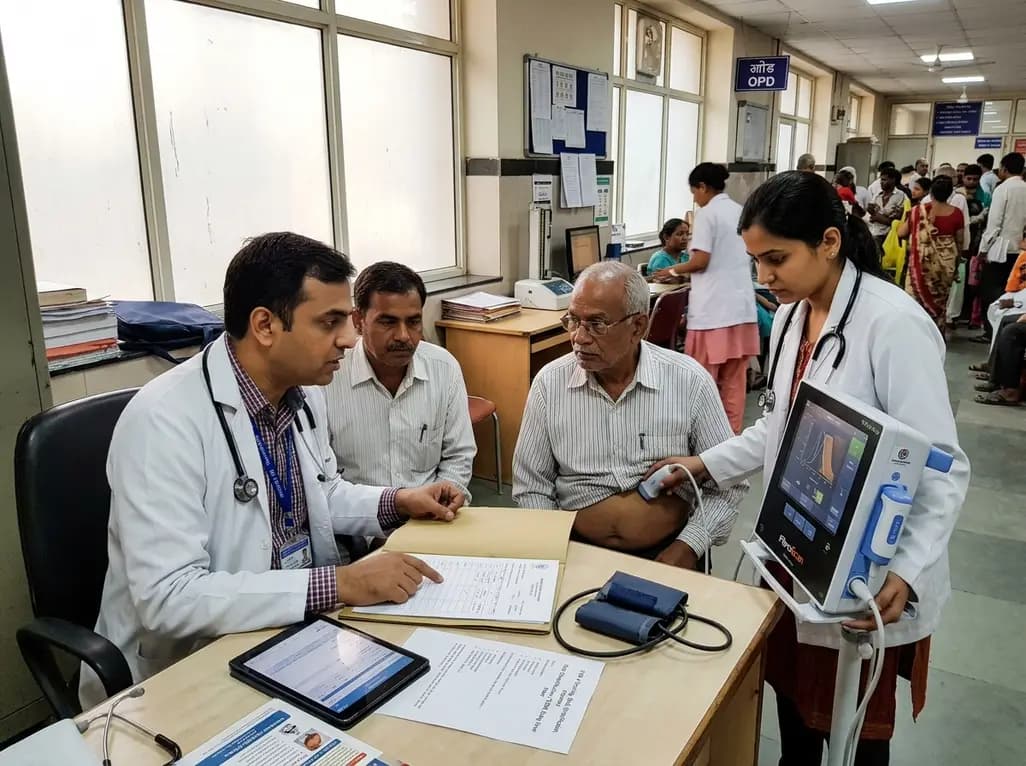
Metabolic dysfunction-associated steatotic liver disease affects nearly 70% of Indian adults with type 2 diabetes. Implementing systematic risk stratification with FIB-4 scoring, transient elastography, and patient-centric digital engagement transforms early detection into sustainable, long-term clinical care.
Today
