.webp&w=384&q=75)

Loading, please wait...
Loading, please wait...

Accidental ingestion of contaminated soil is a major route of human exposure to heavy metals like hexavalent chromium [Cr(VI)]. This toxic element causes proven adverse effects on gastrointestinal health. However, recent findings highlight the vital role of chromium(VI) detoxification gut microbiota in neutralizing these threats. By converting toxic Cr(VI) into the less harmful trivalent form, Cr(III), the gut microbiome acts as a primary defense mechanism. Specifically, this biological transformation occurs during the transition from the small intestine to the colonic phase.
The research shows that soil properties significantly influence the bioaccessibility of chromium. High-chromium soils exhibit 42% bioaccessibility, whereas low-chromium soils reach 64% in the small intestine. In the colon, specific bacteria drive the reduction of dissolved chromium. Nearly all chromium from low-contaminated soils converts to Cr(III) in the colonic liquid phase. In contrast, Cr(III) accounts for over 50% of dissolved chromium in high-contaminated soil.
Microbial genera such as Phascolarctobacterium, Enterobacter, Lachnoclostridium, and Parasutterella are central to this process. These microbes utilize the tricarboxylic acid (TCA) cycle and riboflavin metabolism to provide necessary electrons for reduction. Additionally, the generation of Fe(II) supports an indirect Fe(III)/Fe(II)-associated contribution. Therefore, direct microbial reduction serves as the dominant route for detoxification compared to iron-mediated pathways.
These findings suggest that a healthy microbiome helps protect against environmental heavy metal toxicity. In industrial regions where contamination levels are high, understanding this barrier is essential. Clinicians should consider how dysbiosis might increase a patient's vulnerability to heavy metal absorption. Moreover, maintaining microbial diversity through diet or probiotics could theoretically enhance the host's innate detoxification capacity. Future therapeutic strategies may focus on optimizing these specific bacterial consortia to mitigate the risks of accidental soil ingestion.
Bacteria such as Enterobacter and Phascolarctobacterium use metabolic pathways like the TCA cycle to donate electrons. This process reduces toxic hexavalent chromium [Cr(VI)] into the less soluble and less toxic trivalent chromium [Cr(III)].
Soil ingestion is a primary pathway for heavy metal exposure in both children and adults. Once ingested, metals like Cr(VI) can lead to severe oxidative stress, gut barrier damage, and systemic toxicity if the microbiota fails to neutralize them.
While the microbiota is highly effective at low levels, high-chromium contamination can overwhelm these natural defenses. In high-Cr soils, only about 50% of the dissolved metal is successfully reduced to Cr(III) during the intestinal phase.
Disclaimer: This content is for informational and educational purposes only and does not constitute medical advice or a professional relationship. Always seek the advice of a qualified healthcare provider regarding any medical condition. Refer to the latest local and national guidelines for clinical practice.
References
Qian Q et al. New Insights into the Detoxification of Chromium(VI) from Contaminated Soils by Human Intestinal Microbiota. Environ Sci Technol. 2026 Mar 02. doi: 10.1021/acs.est.5c14466. PMID: 41766627.
Sharma P, et al. Groundwater Contaminated with Hexavalent Chromium [Cr (VI)]: A Health Survey and Clinical Examination of Community Inhabitants (Kanpur, India). PLOS One. 2012;7(10):e47877.
Zhang B, et al. Toxic and essential metals: metabolic interactions with the gut microbiota and health implications. Frontiers in Microbiology. 2024;15:1346357.

Read summarized clinical updates, watch expert medical content, and earn CME certifications right from your smartphone.
Open your smartphone camera to scan and install.





Research reveals that gut bacteria like Enterobacter reduce toxic Chromium(VI) from ingested soil into safer forms, highlighting a natural protective barrie...
7 months ago
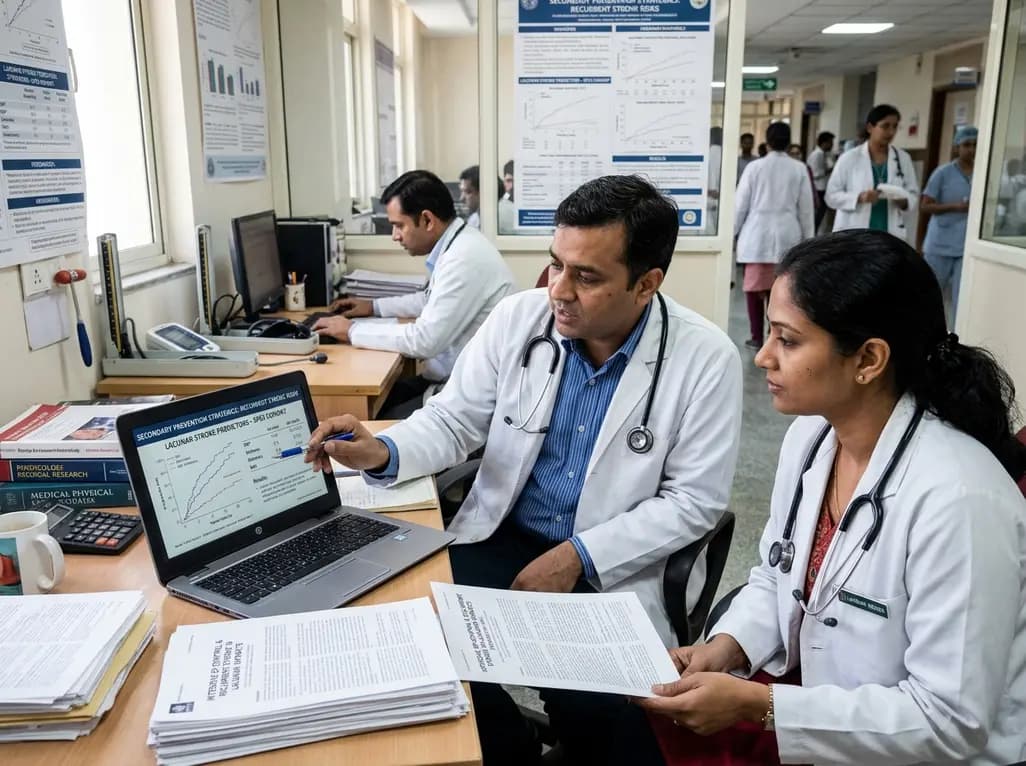
Explore vital recurrent stroke predictors in lacunar stroke patients managed with intensive blood pressure lowering. This analysis examines trial findings from SPS3 to uncover residual vascular risks, metabolic factors, and targeted secondary prevention strategies for high-risk neurological patients.
Today
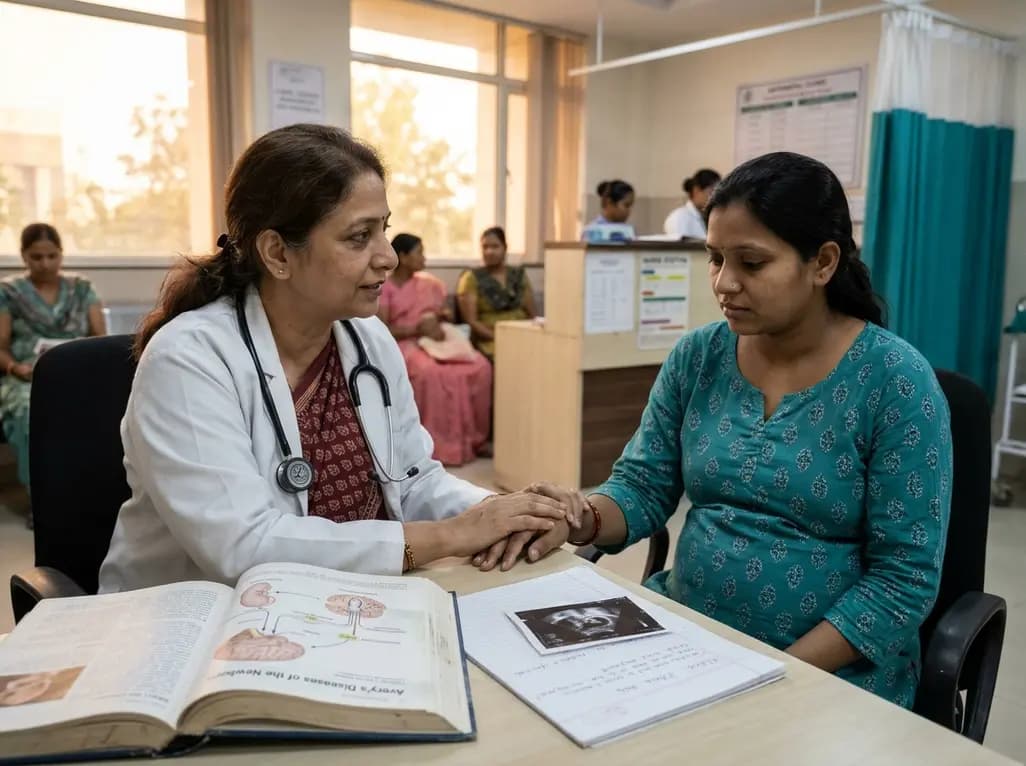
A comprehensive scoping review synthesises evidence linking prenatal maternal mental health to long-term offspring neurodevelopment, evaluating neuroendocrine, inflammatory, and epigenetic pathways while highlighting clinical screening and future research priorities.
Today

The Directorate General of Health Services directs Indian states to halt the hazardous reuse and reprocessing of single-use medical devices. Discover regulatory implications under the Drugs and Cosmetics Act, critical infection risks, legal liabilities, and operational changes required across clinical specialties.
Today
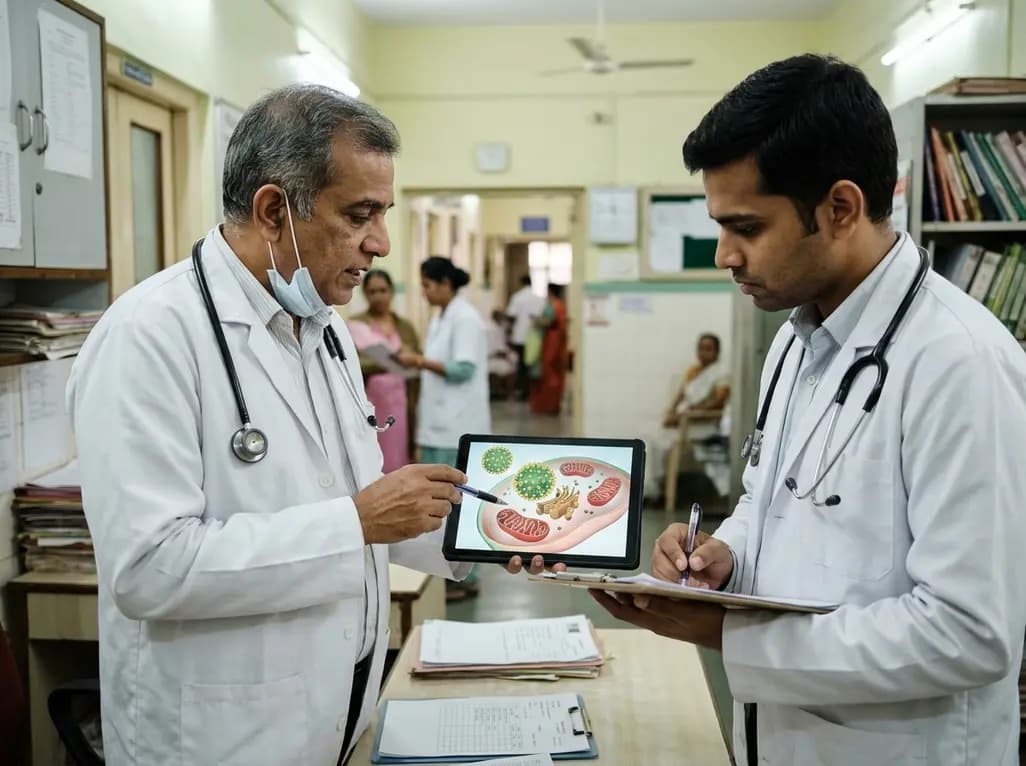
Mitochondria-targeted nanoparticles self-assembled from EGCG and L-glutamic acid effectively restore mitochondrial homeostasis, suppress synovial inflammation, and attenuate chondrocyte senescence in osteoarthritis, offering a promising disease-modifying nanotherapy.
Today

India is advancing preventive healthcare by integrating genomics, artificial intelligence, and quantum technologies. With the SANGAM programme sequencing one million Indian genomes, clinicians can unlock personalized therapies, detect cardiometabolic risks early, and curb the burden of diabetes and heart disease.
Today
