

Loading, please wait...
Loading, please wait...
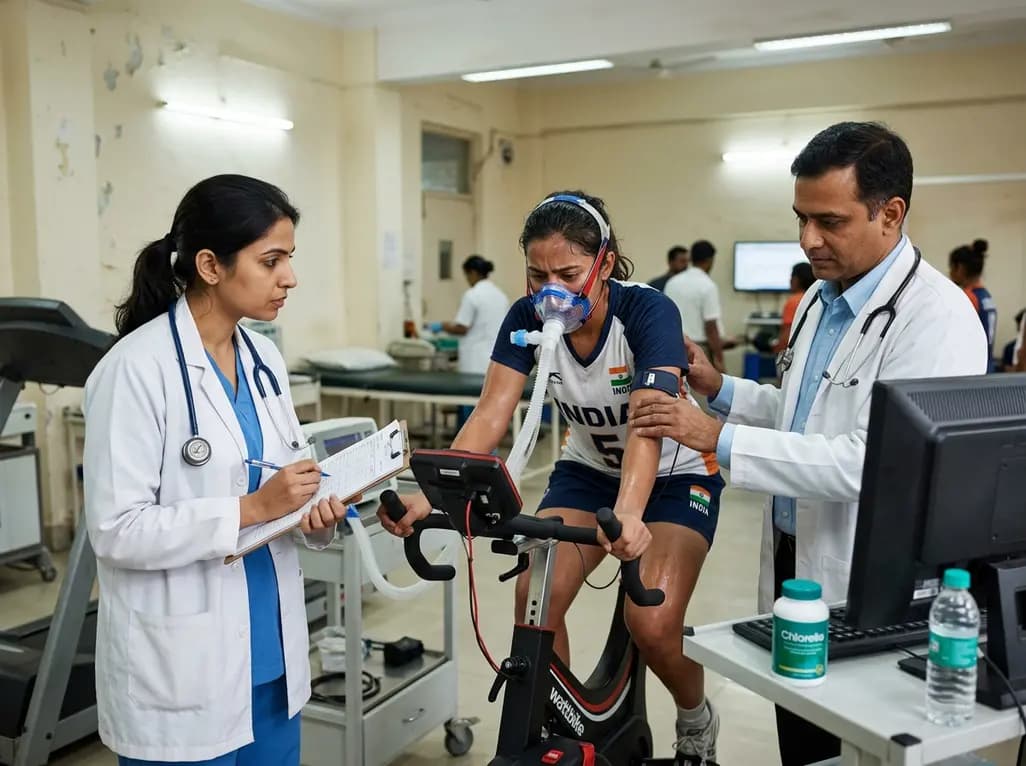
Modern sports physicians continuously evaluate novel nutritional strategies to augment training adaptations without causing athlete fatigue. In competitive team athletics, maximizing physical recovery and work output remains vital. Consequently, functional sports nutrition has increasingly focused on microalgae supplementation. Research evaluating Chlorella and exercise performance offers valuable insights for conditioning programs. Field sports require high aerobic capacity paired with repeated explosive sprinting. Therefore, sports medicine specialists examine how targeted dietary supplements interact with rigorous interval training. When athletes train intensively during condensed seasons, evidence-based nutritional support can optimize physiological conditioning and maintain competitive readiness.
Field sports like lacrosse present multifaceted physical challenges that test an athlete's physiological resilience. During competition, players continually alternate between submaximal running, sharp changes of direction, and repeated all-out sprints. Consequently, success requires substantial contributions from both oxidative and glycolytic energy systems. Conditioning coaches traditionally prescribe high-intensity interval training to stimulate these complementary metabolic pathways. However, collegiate athletes already possess elevated baseline physical fitness. Because of this physiological ceiling, achieving further functional gains through conditioning alone becomes increasingly difficult. Sports scientists therefore investigate whether bioactive dietary supplements can amplify training adaptations. Previous clinical studies in untrained individuals demonstrated that regular Chlorella intake enhanced systemic aerobic stamina. Furthermore, rodent models confirmed greater glycolytic enzyme activity after combining microalgae supplementation with interval exercise. Nevertheless, evaluating these physiological effects in competitive female athletes remains essential. Sports clinicians require rigorous data before recommending functional supplements to collegiate teams.
Understanding how athletes generate energy during competition clarifies the physiological rationale for nutritional interventions. Explosive sprints rely heavily on intramuscular phosphocreatine stores to produce rapid mechanical power. Concurrently, sustained high-intensity efforts activate anaerobic glycolysis, generating adenosine triphosphate alongside metabolic byproducts. When recovery periods between maximal sprints are short, the cardiovascular system must rapidly replenish oxygen debt. In addition, the aerobic system must clear accumulated hydrogen ions and restore cellular phosphocreatine reserves. If oxidative recovery falters, athletes experience marked neuromuscular fatigue and reduced sprint velocity. Therefore, high-intensity intermittent training protocols intentionally replicate these demanding competitive conditions. By imposing repeated sprints against brief rest windows, interval training stimulates cardiovascular and enzymatic adaptations. However, such demanding workouts also increase reactive oxygen species within working muscle tissues. Unchecked oxidative stress may impair muscle contractility and delay systemic recovery. Consequently, providing antioxidant-rich nutritional support offers a sound physiological strategy to enhance training tolerance.
To examine whether microalgae supplementation enhances interval training adaptations, investigators designed a rigorous clinical trial. The study enrolled twelve collegiate female lacrosse players in a double-blind, randomized, placebo-controlled crossover trial. Ten athletes successfully completed the entire protocol, which featured a five-week washout period between arms. During each three-week training phase, participants performed five weekly running interval sessions. Specifically, each workout consisted of seven consecutive all-out running sprints with ten seconds of passive rest between bouts. Concurrently, participants ingested daily oral doses of either Chlorella or an identical placebo. The researchers evaluated physical conditioning across multiple standardized performance tests before and after each intervention. They assessed aerobic stamina using the twenty-meter shuttle run test and estimated maximal oxygen uptake. Additionally, researchers timed fifty-meter sprints to evaluate maximal running speed. Finally, they administered thirty-second Wingate anaerobic cycle tests to measure peak and mean power outputs.
Analyzing the experimental data revealed informative outcomes regarding short-term athletic conditioning. When comparing overall interaction effects between the two trials, researchers observed no statistically significant group differences. Specifically, maximal oxygen uptake and twenty-meter shuttle run performance remained statistically similar between the active and control arms. Furthermore, neither fifty-meter sprint times nor Wingate anaerobic metrics demonstrated significant statistical variance between trials. However, intra-trial analyses highlighted meaningful positive trends favoring the supplementation phase. Within the Chlorella and training arm, participants showed consistent improvements across most evaluated physical performance measures. In contrast, participants in the placebo group achieved fewer functional gains across the same three-week timeframe. Therefore, microalgae supplementation appeared to support subtle physiological adaptations during intensive interval training. Because competitive collegiate athletes display limited scope for rapid progress, modest improvements remain clinically valuable. Sports physicians must weigh these nuanced findings when advising competitive sporting programs.
Multiple biological mechanisms may explain how Chlorella supports physical performance during demanding training blocks. Chlorella vulgaris contains high concentrations of essential amino acids, carotenoids, and micronutrients. Notably, the microalga provides substantial arginine, which serves as a biochemical precursor for nitric oxide synthesis. Endothelial nitric oxide stimulates vasodilation, thereby improving microvascular perfusion and oxygen delivery to contracting skeletal muscles. Furthermore, Chlorella contains potent antioxidants, including lutein and chlorophyll, which scavenge exercise-induced reactive oxygen species. By reducing cellular oxidative stress, microalgae may accelerate recovery between intense sprint intervals. From a sports medicine perspective, clinicians can view Chlorella as a safe, whole-food nutritional adjunct. However, practitioners must ensure athletes select products verified by third-party testing organizations to prevent supplement contamination. Additionally, clinicians should remind competitors that dietary aids cannot substitute for structured periodization or balanced macronutrient consumption. Integrating validated supplements alongside evidence-based interval conditioning provides a sound, athlete-centered strategy.
Chlorella delivers bioactive peptides, essential micronutrients, and arginine, which actively promotes endothelial nitric oxide synthesis. Consequently, this biological pathway enhances muscular blood perfusion and optimizes cellular oxygen delivery during exercise. Furthermore, the microalgae provides potent antioxidant compounds that reduce exercise-induced oxidative strain and muscle damage. Together, these mechanisms help athletes sustain high-intensity physical efforts and accelerate physiological recovery between successive training bouts.
Yes, short-term high-intensity intermittent training stimulates rapid cellular adaptations within skeletal muscle and cardiovascular tissues. By pushing athletes near maximal heart rates, HIIT enhances stroke volume and upregulates mitochondrial oxidative enzymes. Additionally, repeated interval sprints significantly improve neuromuscular recruitment and metabolic waste clearance. Therefore, even over brief three-week training blocks, well-structured interval protocols produce measurable improvements in sprint stamina and aerobic capacity among competitive team athletes.
Clinicians should advise athletes to prioritize products certified by reputable third-party testing programs like NSF or Informed Sport. Because microalgae can bioaccumulate environmental toxins, rigorous purity verification protects athletes from toxic heavy metals and unintentional doping violations. Furthermore, athletes should introduce supplements gradually to monitor gastrointestinal tolerance. Sports physicians must emphasize that nutritional aids complement, rather than replace, balanced macronutrient intake and comprehensive recovery plans.
Disclaimer: This content is for informational and educational purposes only... Refer to the latest local and national guidelines for clinical practice.
References

Read summarized clinical updates, watch expert medical content, and earn CME certifications right from your smartphone.
Open your smartphone camera to scan and install.





A randomized crossover trial explores the impact of short-term Chlorella supplementation combined with HIIT on aerobic capacity, sprint speed, and anaerobic power in collegiate female lacrosse players.
Today

A recent investigation by the ICMR-National Institute of Nutrition highlights widespread vitamin B1 insufficiency across vulnerable maternal populations. Unbalanced rice-heavy diets and specific culinary habits drive this hidden deficiency, demanding targeted screening and renewed micronutrient supplementation.
Today
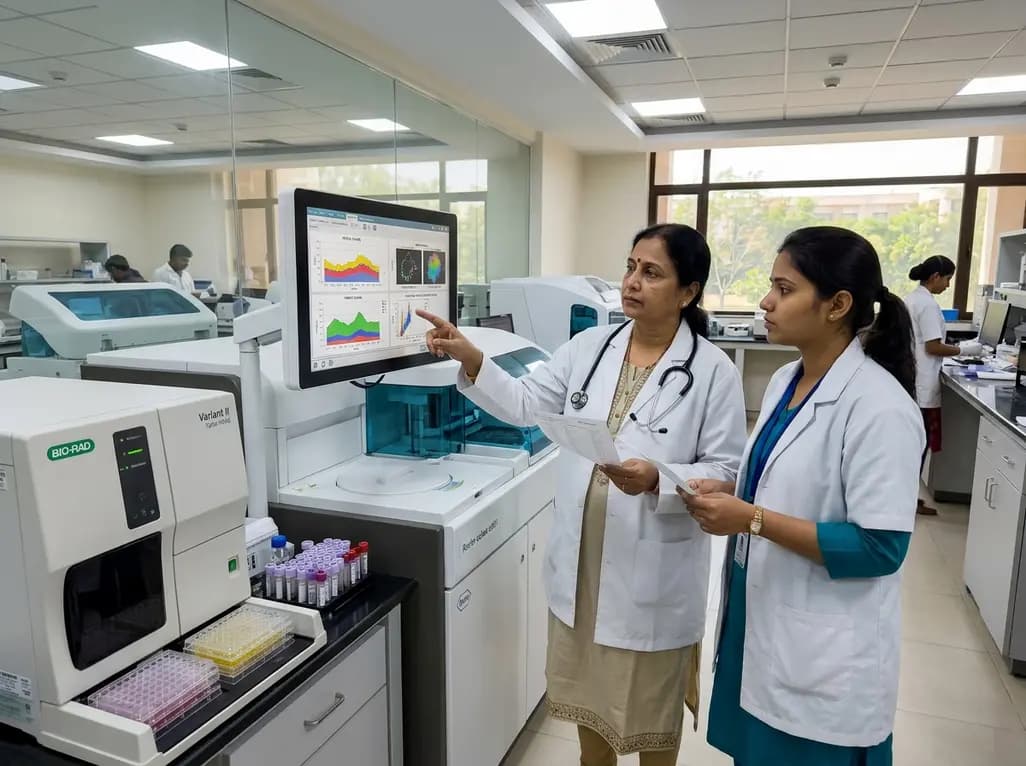
AIIMS Bhubaneswar has established three upgraded laboratories under its biochemistry department. These facilities introduce specialized antenatal panels, newborn screening for rare metabolic disorders, automated immunology platforms, and high-throughput HPLC HbA1c testing to enhance healthcare delivery across Odisha.
Today
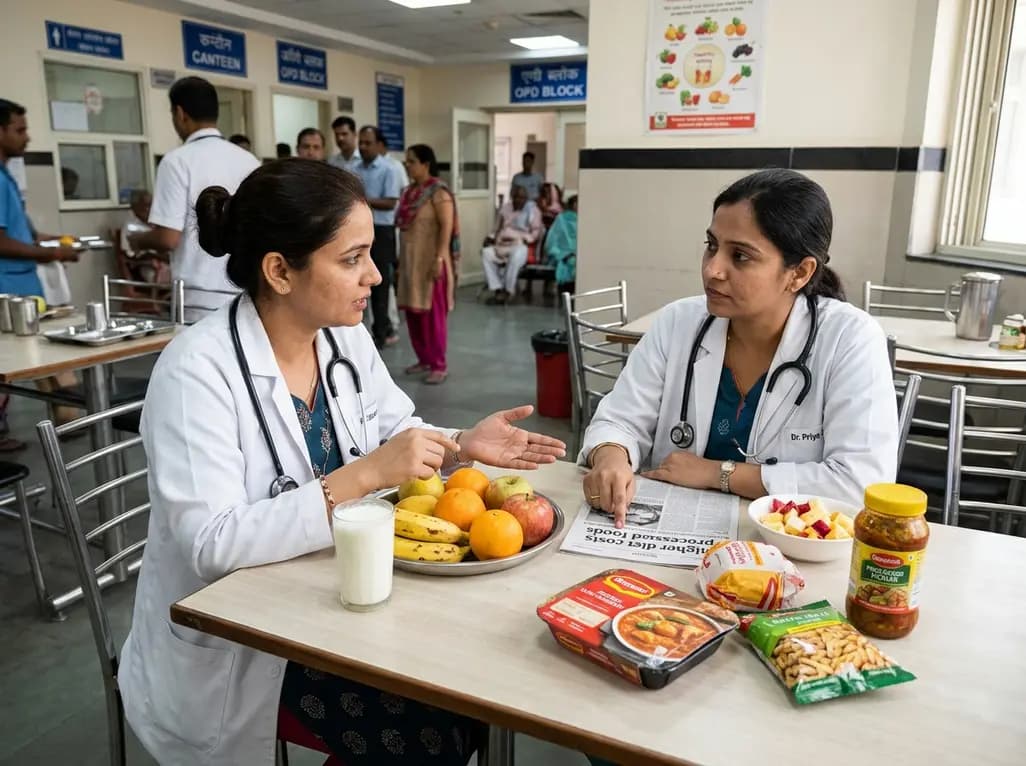
A Canadian nutrition study reveals that higher diet costs predict lower dietary energy density and higher fruit intake, but also increase sodium and processed meat consumption.
Today
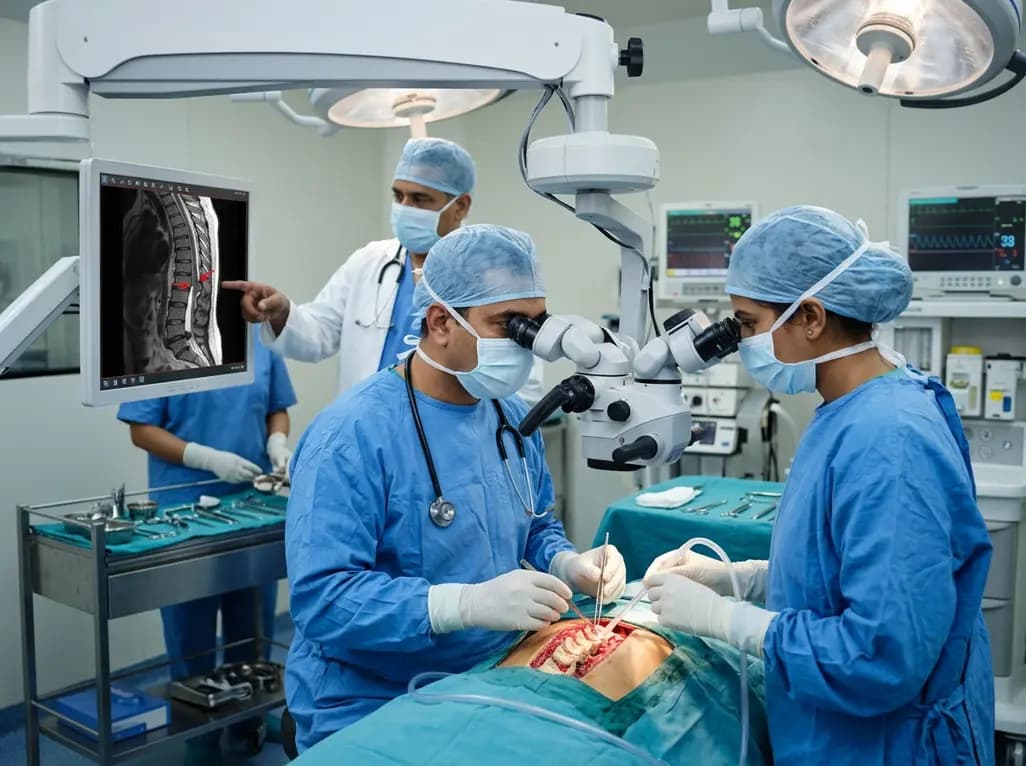
Idiopathic spinal cord herniation is a rare pathology presenting with progressive thoracic myelopathy. Early MRI identification and meticulous microsurgical reduction with dual bolstered dural defect repair prevent irreversible neurological deterioration.
Today
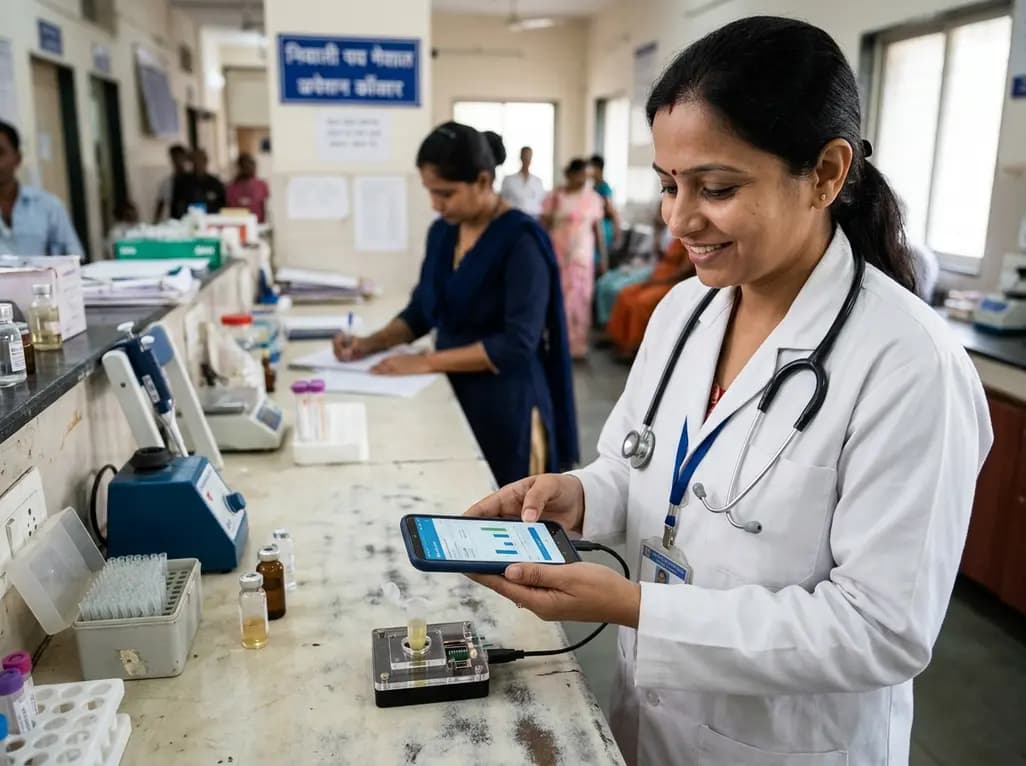
A novel smartphone-assisted biosensor utilizing molecularly imprinted polymers and catalytic nanozymes offers antibody-free, enzyme-free urinary microalbumin testing, enabling rapid, low-cost point-of-care screening for early chronic kidney disease.
Today
