.webp&w=384&q=75)

Loading, please wait...
Loading, please wait...

The global rise in incarceration rates has increasingly become a critical public health concern. Many individuals entering the justice system carry a heavy burden of early life adversity. Researchers have long noted a profound correlation between childhood trauma and incarceration, yet the specific gendered nuances of these experiences often remain overlooked in clinical literature. Understanding how adverse childhood experiences (ACEs) shape adult mental health and behavior is essential for developing effective rehabilitation strategies. Specifically, the interplay between early abuse, subsequent substance use, and persistent psychiatric morbidity creates a complex cycle of recidivism. For medical professionals working in or around correctional settings, recognizing these patterns is the first step toward breaking that cycle. Furthermore, the psychosocial profile of the prison population reflects broader societal failures in child protection and mental health support. Notably, this vulnerable population frequently reports significantly higher rates of trauma compared to the general public. Consequently, healthcare providers must address these foundational issues to improve long-term outcomes for incarcerated individuals.
Gender plays a pivotal role in the type and frequency of traumatic events experienced during formative years. Specifically, a recent study comparing male and female prisoners revealed distinct patterns of early life adversity. Women in the correctional system report alarmingly high rates of childhood sexual abuse, often significantly exceeding the rates seen in their male counterparts. In contrast, male prisoners more frequently report experiences of physical abuse and exposure to community violence. These findings suggest that the pathways leading to childhood trauma and incarceration differ markedly between the sexes. Moreover, males are often exposed to collective violence and environmental instability, which may normalize aggression as a survival mechanism. On the other hand, the high prevalence of interpersonal sexual trauma among females often leads to internalizing disorders. These gendered differences underscore the necessity of tailored screening tools that account for specific trauma profiles. Additionally, recognizing these unique histories allows clinicians to better anticipate the psychiatric needs of each population. Therefore, a one-size-fits-all approach to prison healthcare inevitably fails to address the underlying drivers of criminal behavior and mental distress.
Substance use often serves as a maladaptive coping mechanism for those grappling with unresolved early life trauma. Within the prison environment, the prevalence of substance use disorders is remarkably high, particularly among male inmates. Notably, males are more likely to report using a wider variety of illicit substances compared to females. This trend often stems from a history of externalizing trauma through risk-taking behaviors and self-medication. However, the correlation between trauma and addiction is not limited to one gender. Women also utilize substances to manage the psychological pain of early neglect and abuse, though their patterns of use may differ. Furthermore, the presence of multiple ACEs significantly increases the risk of developing a severe substance use disorder in adulthood. This relationship creates a dangerous feedback loop where trauma leads to addiction, which then leads to legal complications and eventual incarceration. Consequently, treating the addiction without addressing the foundational trauma often results in high relapse rates and recidivism. Specifically, clinicians must integrate trauma-focused interventions with traditional de-addiction programs to achieve sustainable recovery within correctional facilities.
The mental health landscape in prisons is characterized by exceptionally high rates of depression, anxiety, and suicidal ideation. Research indicates that female prisoners suffer from more severe symptoms of anxiety and depression compared to their male counterparts. Specifically, nearly all women in certain correctional settings meet the criteria for depressive symptoms, a figure that is significantly higher than that of the general population. This intense psychological distress often translates into a higher frequency of suicidal thoughts during incarceration. While males also experience significant mental health challenges, they often present with lower self-esteem and externalized anger rather than overt depressive symptoms. These gender-specific manifestations of distress require vigilant monitoring and specialized psychiatric care. Moreover, the environmental stressors of prison, such as isolation and lack of autonomy, can exacerbate pre-existing trauma symptoms. Consequently, the prison system often acts as a pressure cooker for those with fragile mental health. Healthcare providers must prioritize regular mental health screenings and provide accessible crisis intervention services to mitigate the risk of self-harm and promote psychological stability.
To address the systemic issues identified, correctional facilities must transition toward a trauma-informed care (TIC) model. This approach moves beyond simply treating symptoms and instead asks what happened to the individual. Specifically, implementing TIC involves training all staff—not just medical professionals—to recognize the signs of trauma and avoid re-traumatization. For instance, routine procedures like searches or pat-downs can be highly triggering for survivors of sexual or physical abuse. Furthermore, clinicians should adopt gender-responsive programming that addresses the specific trauma types prevalent in each population. This includes providing specialized support groups for women who have experienced interpersonal violence and anger management programs for men exposed to community conflict. Additionally, fostering an environment of safety and trust is crucial for effective rehabilitation. Therefore, policy changes must support the integration of mental health services into the daily operations of the prison. By addressing the root causes of childhood trauma and incarceration, the justice system can transform from a purely punitive institution into a space for genuine healing and social reintegration.
Adverse Childhood Experiences (ACEs) fundamentally alter brain development and stress response systems. In incarcerated populations, these experiences are nearly universal. They lead to chronic emotional dysregulation, increased vulnerability to psychiatric disorders like depression and anxiety, and a higher propensity for substance misuse as a form of self-medication for unresolved psychological pain.
While both genders experience high trauma rates, women report significantly higher incidences of childhood sexual abuse. Conversely, incarcerated men are more likely to have experienced physical abuse, witnessed community violence, or been exposed to collective conflict. These differing trauma profiles necessitate gender-specific clinical approaches and intervention strategies in correctional settings.
Trauma-informed care (TIC) is essential because traditional punitive environments can severely re-traumatize individuals with history of abuse. TIC prioritizes safety, trust, and empowerment, allowing for more effective mental health treatment and substance use recovery. By addressing the root causes of behavior, TIC helps reduce recidivism and improves institutional stability.
Disclaimer: This content is for informational and educational purposes only. It is not intended as a substitute for professional medical advice, diagnosis, or treatment. Always seek the advice of your physician or other qualified health provider with any questions you may have regarding a medical condition. Refer to the latest local and national guidelines for clinical practice.
References
Ajmi Blout A et al. Childhood trauma, substance use and mental health: Exploring differences across two Tunisian jails. PLoS One. 2026. doi: 10.1371/journal.pone.0353367. PMID: 42424322.
National Institute of Mental Health and Neurosciences (NIMHANS). Mental Health and Substance Use Problems in Prisons: Local Lessons for National Action. 2009.
United Nations Office on Drugs and Crime (UNODC). World Drug Report 2024: Special Focus on Vulnerable Populations. 2024.

Read summarized clinical updates, watch expert medical content, and earn CME certifications right from your smartphone.
Open your smartphone camera to scan and install.





A comparative study explores the high prevalence of childhood trauma, substance use, and mental health issues among male and female prisoners, highlighting the need for gender-specific trauma-informed care in correctional facilities.
Last week
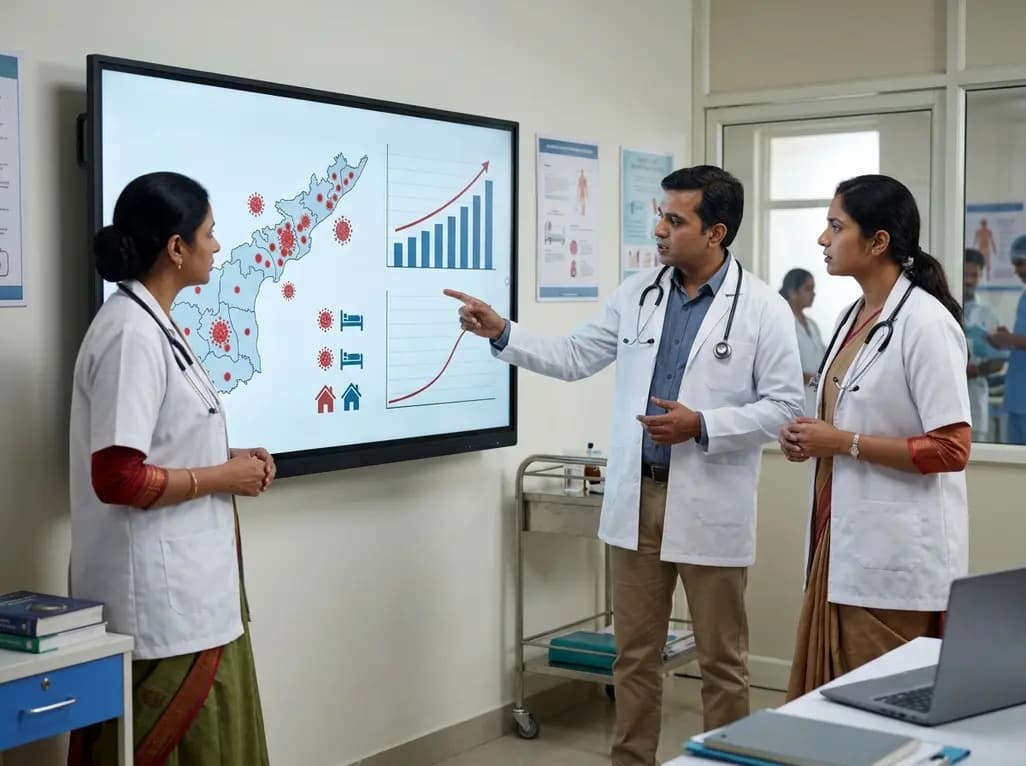
Andhra Pradesh reported 10 new Covid-19 cases, taking the state tally to 49 while deaths remain at four. With 24 patients hospitalized and 16 under home isolation, the Health Department has intensified monitoring. Medical professionals should review regional distribution, diagnostic protocols, and management plans.
Today

An 11-year Swedish registry study of 618 uterine sarcoma patients found that minimally invasive surgery yielded survival comparable to open surgery in early stages. However, adjuvant chemotherapy conferred no survival benefit in localized or advanced disease, highlighting stage and histology as key outcomes.
3 days back

A cross-sectional study evaluates post-intensive care syndrome in cardiac patients 2-4 weeks post-ICU discharge, highlighting cognitive, psychological, and functional impairments and the need for structured multidisciplinary rehabilitation.
3 days back
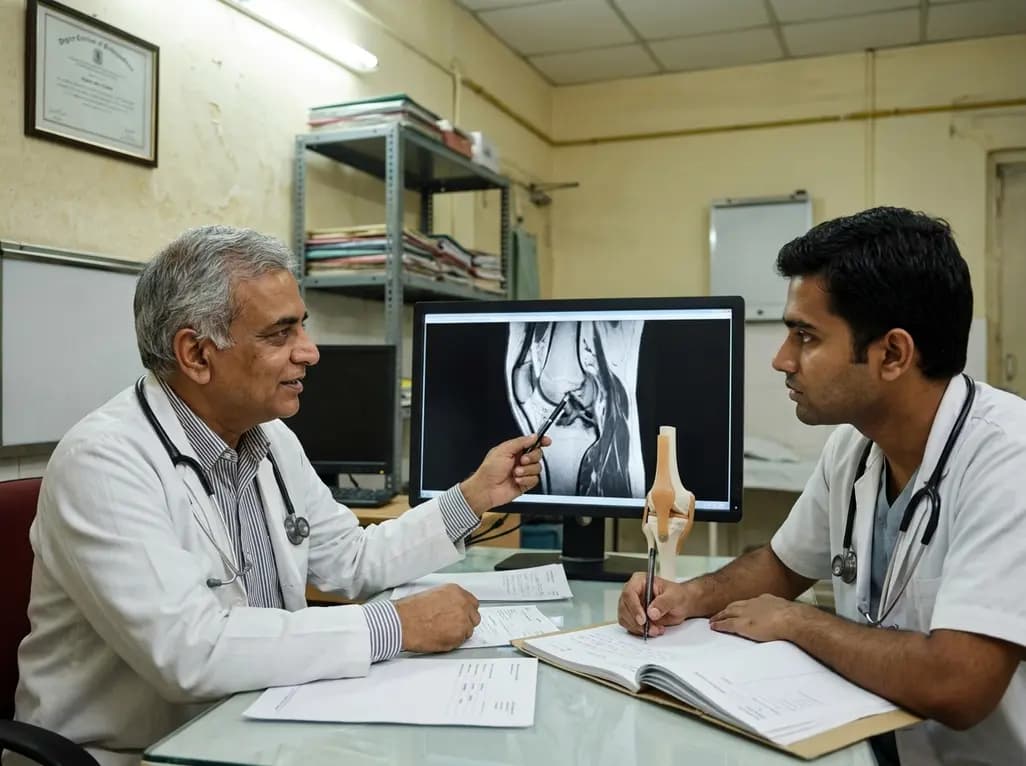
Anterior cruciate ligament reconstruction failure lacks uniform definition. A narrative review proposes an integrative framework incorporating objective and subjective instability, persistent pain, restricted motion, graft rupture, and secondary meniscal injury to standardize clinical reporting.
3 days back
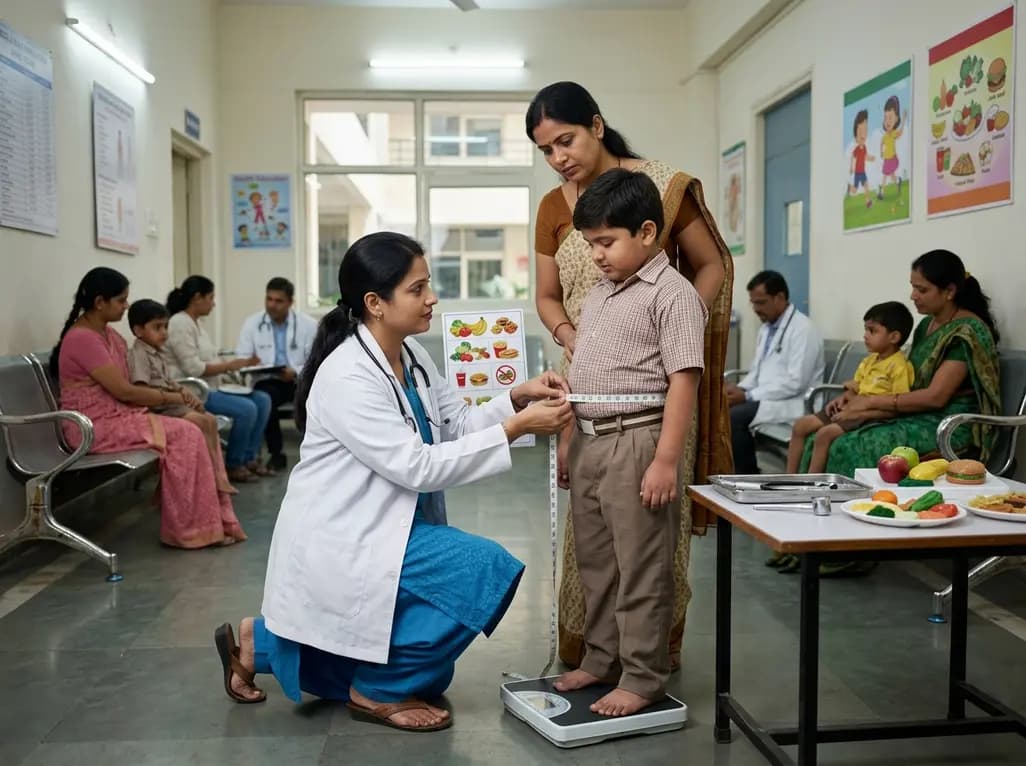
With World Obesity Atlas data warning that over 41 million Indian children are overweight or obese, ICMR and NIN have unveiled a 10-point policy roadmap. The initiative calls for mandatory front-of-pack labeling, HFSS taxes, strict marketing bans, and healthier school environments to curb non-communicable diseases.
Today
