.webp&w=384&q=75)

Loading, please wait...
Loading, please wait...
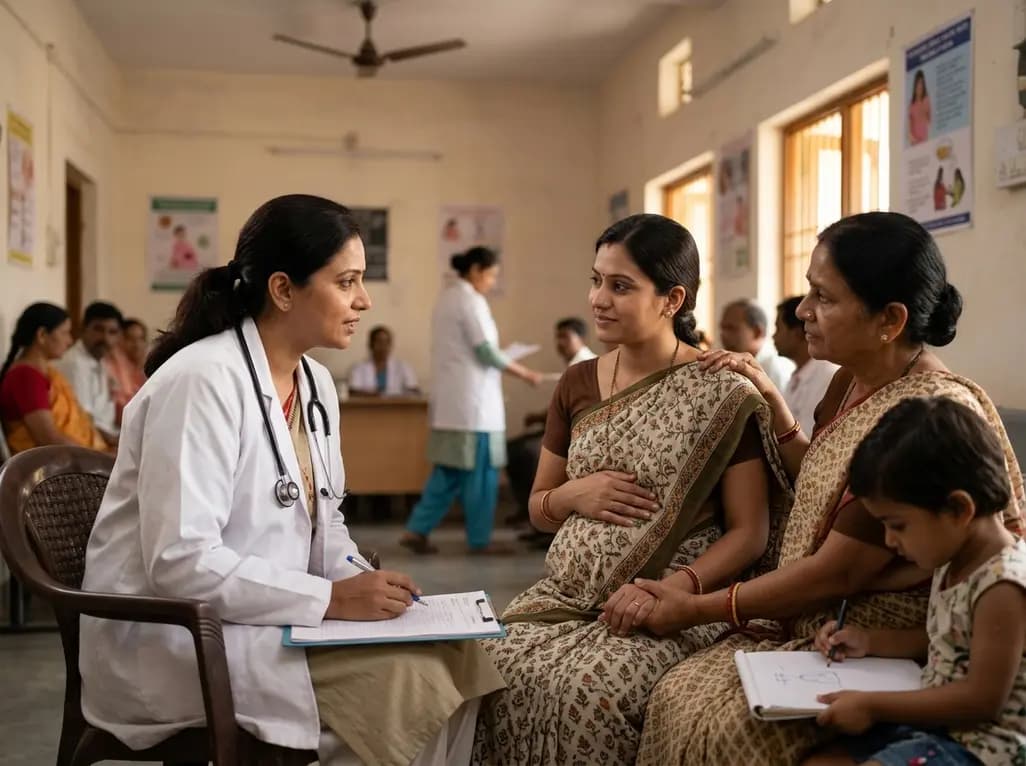
Improving perinatal mental health outcomes remains a significant challenge for healthcare providers globally. Specifically, researchers have long recognized that early life experiences shape adult psychological resilience and vulnerability. A recent replication and extension study led by Merrick and colleagues has shed new light on these dynamics. The study primarily examined how adverse childhood experiences (ACEs) and benevolent childhood experiences (BCEs) interact with current social conditions. This research is particularly vital because pregnancy represents a sensitive period where past traumas often resurface. Consequently, understanding these developmental origins allows clinicians to predict who might be at higher risk for depression or post-traumatic stress disorder (PTSD). In the Indian healthcare context, where maternal mental health screening is often limited, these findings offer a roadmap for better intervention. Furthermore, the study highlights that while past trauma is influential, current support systems play an equally critical role in determining health. Ultimately, a comprehensive approach must account for the lifelong trajectory of a patient's emotional well-being.
Adverse childhood experiences, such as maltreatment or family dysfunction, are well-documented risk factors for adult psychopathology. However, the concept of benevolent childhood experiences (BCEs) provides a more balanced perspective on resilience. BCEs include positive memories such as having at least one supportive adult, feeling safe at home, or having a predictable school routine. Notably, the study found that high family dysfunction during childhood directly predicted elevated prenatal depression symptoms. In contrast, higher levels of BCEs were significantly associated with lower prenatal PTSD symptoms. Therefore, positive early experiences act as a psychological buffer against the stress of pregnancy. This distinction is crucial because it suggests that resilience is not merely the absence of trauma but the presence of promotive factors. For clinicians, this means that assessing a patient's strengths is just as important as identifying their vulnerabilities. By acknowledging both sides of the developmental coin, healthcare providers can offer more nuanced care. Moreover, this dual focus helps destigmatize the conversation around mental health by celebrating the patient's existing resilience.
This research specifically replicated the seminal work of Narayan and colleagues while extending the scope to include contemporaneous stressors. The researchers recruited 175 pregnant individuals from low-income and ethnically diverse backgrounds to ensure the findings were applicable to high-risk populations. Participants completed standardized instruments to measure childhood maltreatment, family dysfunction, and sociodemographic stress. Additionally, the study utilized the Five-Minute Speech Sample to assess the quality of social support from the child's other biological parent. This longitudinal approach allowed the team to track symptoms from pregnancy into the postpartum period. Consequently, they could identify which factors were the most robust predictors of long-term perinatal mental health outcomes. The extension part of the study focused on how current social support might mitigate the effects of childhood adversity. Regarding the results, prenatal symptoms of depression and PTSD were the strongest predictors of their postnatal counterparts. Nevertheless, the presence of current social support provided an additional layer of protection. This finding emphasizes that clinical care should not only look backward at history but also look forward at the patient's current environment.
The study clearly differentiated the predictors for depression versus PTSD during the perinatal period. Specifically, childhood family dysfunction emerged as a primary driver for prenatal depression. In contrast, the presence of BCEs and prenatal social support was more closely linked to lower PTSD symptoms. This suggests that different types of early and current experiences affect specific mental health pathways differently. Furthermore, the data indicated that prenatal symptoms are the most reliable indicators of postnatal struggles. Therefore, early detection during the first or second trimester is paramount for preventing chronic mental health issues. Notably, higher postnatal social support also predicted lower postnatal PTSD symptoms, even after accounting for the severity of prenatal distress. This indicates that intervention remains effective even after childbirth. Consequently, obstetricians and psychiatrists should collaborate to maintain a continuous care loop throughout the first year of motherhood. Effectively, the transition to parenthood can be a period of healing if the right supports are in place. These insights are vital for developing targeted screening tools that go beyond generic depression scales.
For practitioners in India, these findings are highly relevant given the high prevalence of perinatal distress in low-resource settings. Specifically, integrated screening for both ACEs and BCEs could revolutionize antenatal care protocols. Currently, many clinics focus solely on physical health parameters like hemoglobin levels or blood pressure. However, ignoring the psychological landscape can lead to poor long-term outcomes for both mother and child. Therefore, incorporating brief psychosocial assessments into routine check-ups is a logical next step. Furthermore, clinicians must be trained to recognize that a patient's current social network, particularly the spouse, is a critical therapeutic target. In many Indian families, the involvement of the husband or mother-in-law significantly influences the mother's mental state. Consequently, social prescribing—connecting patients to community support groups or counseling—should be prioritized. Effectively, these interventions can bridge the gap between clinical care and the patient's daily lived experience. Ultimately, addressing perinatal mental health outcomes requires a shift toward trauma-informed and resilience-focused care models that are culturally sensitive.
Moving forward, the medical community must adopt a more holistic view of maternal health that spans the entire life course. Specifically, the study confirms that current social support can significantly offset the negative impact of past childhood trauma. This finding provides hope for patients who have experienced severe early-life adversity. Therefore, future research should focus on developing interventions that strengthen contemporary social bonds during the perinatal period. Additionally, healthcare systems should invest in training for healthcare workers to conduct sensitive screenings for childhood history. Notably, such screenings must be handled with care to avoid re-traumatization. Moreover, the integration of mental health services into primary obstetric care can reduce the stigma associated with seeking help. Consequently, mothers are more likely to engage with treatment if it is presented as a standard part of prenatal care. Ultimately, the goal is to create a nurturing environment where every pregnant individual feels supported both by their past and their present. By focusing on both BCEs and current support, we can significantly improve perinatal mental health outcomes for future generations.
BCEs are specific positive early-life events, such as having a supportive teacher or safe home. While resilience is a general ability to bounce back from stress, BCEs are the foundational experiences that help build that resilience. High BCEs are associated with better mental health outcomes during the perinatal period.
Yes, research indicates that contemporaneous social support from partners and family is a powerful protective factor. While childhood trauma increases the risk for perinatal depression and PTSD, strong current support can significantly lower the severity of these symptoms and improve overall postnatal mental health for the mother.
Screening for childhood experiences allows clinicians to identify high-risk individuals early in pregnancy. Since family dysfunction is a strong predictor of prenatal depression, knowing a patient's history helps in tailoring interventions. This proactive approach ensures that mental health support is integrated into routine care, preventing long-term complications.
Disclaimer: This content is for informational and educational purposes only and does not constitute medical advice. Always seek the advice of a qualified healthcare provider with any questions regarding a medical condition or treatment. Refer to the latest local and national guidelines for clinical practice.
References
Merrick JS et al. A replication and extension of adverse and benevolent childhood experiences along with contemporaneous social support and sociodemographic stress for perinatal mental health problems. Dev Psychopathol. 2025 Aug. doi: 10.1017/S095457942400097X. PMID: 39169778.
Bethell C, et al. Positive Childhood Experiences and Adult Mental and Relational Health in a Statewide Sample. JAMA Pediatr. 2019;173(11):e193007.
Shukla N, et al. Understanding the Role of Maternal Mental Health in Pregnancy and Postpartum Depression. Indian J Public Health Res Dev. 2024;15(1):124-130.

Read summarized clinical updates, watch expert medical content, and earn CME certifications right from your smartphone.
Open your smartphone camera to scan and install.





A new replication study highlights how benevolent childhood experiences (BCEs) and contemporaneous social support serve as vital protective factors for perinatal mental health outcomes, offsetting the long-term impact of adverse childhood experiences (ACEs) and family dysfunction.
2 weeks back
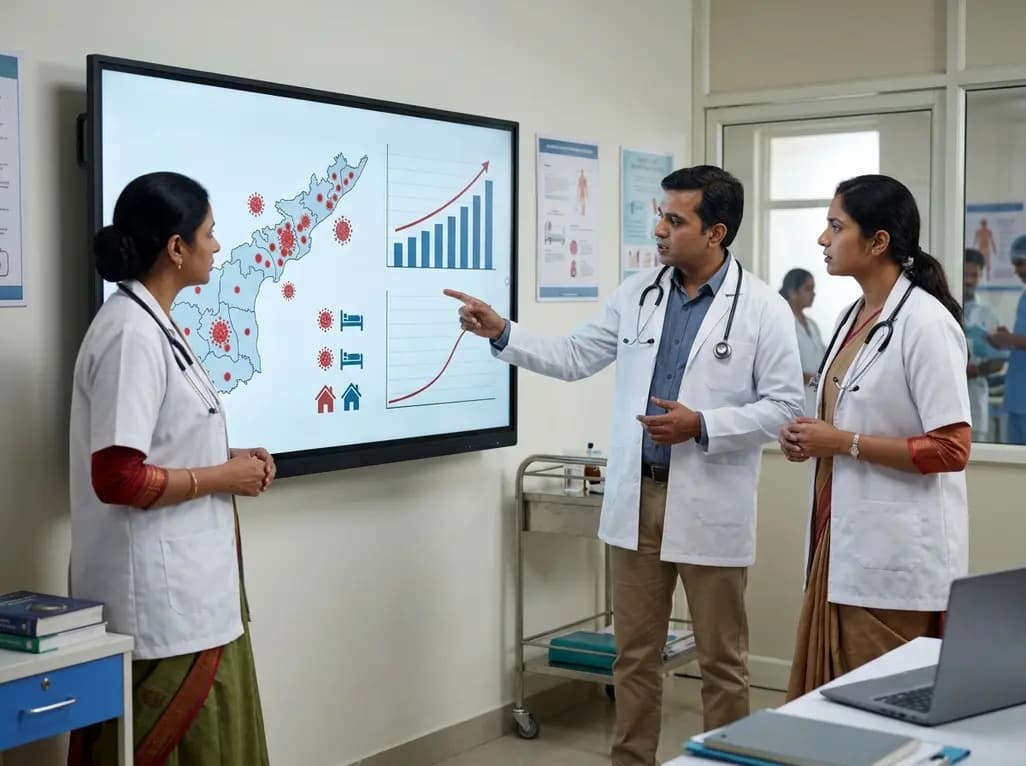
Andhra Pradesh reported 10 new Covid-19 cases, taking the state tally to 49 while deaths remain at four. With 24 patients hospitalized and 16 under home isolation, the Health Department has intensified monitoring. Medical professionals should review regional distribution, diagnostic protocols, and management plans.
Today

An 11-year Swedish registry study of 618 uterine sarcoma patients found that minimally invasive surgery yielded survival comparable to open surgery in early stages. However, adjuvant chemotherapy conferred no survival benefit in localized or advanced disease, highlighting stage and histology as key outcomes.
3 days back
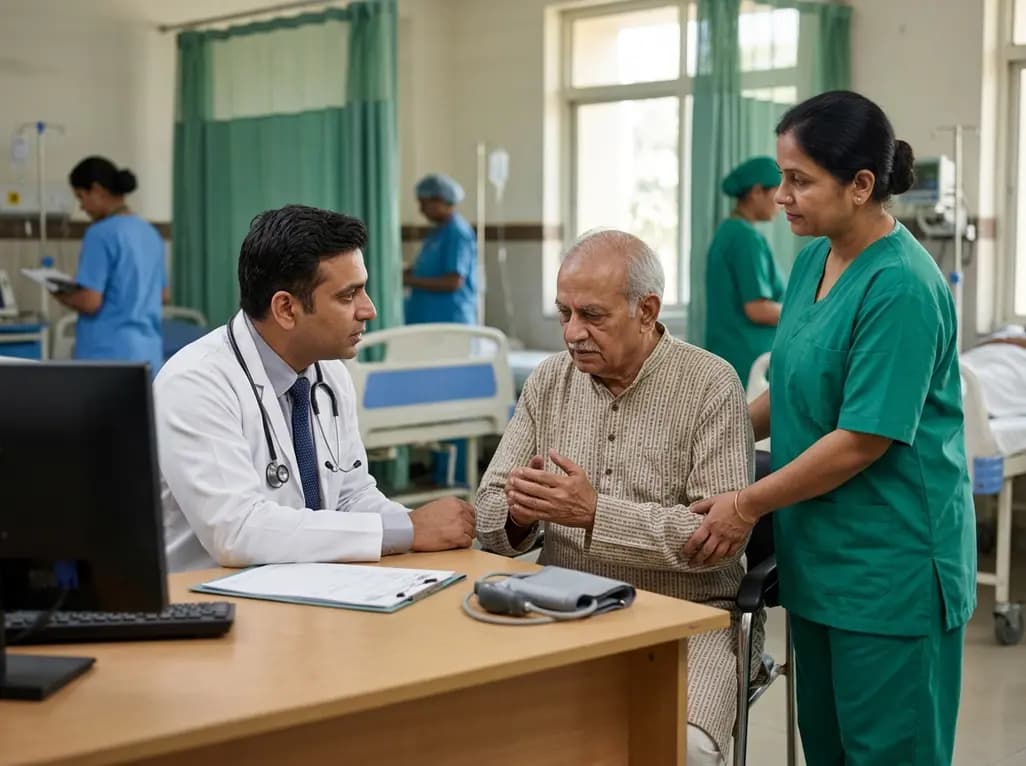
A cross-sectional study evaluates post-intensive care syndrome in cardiac patients 2-4 weeks post-ICU discharge, highlighting cognitive, psychological, and functional impairments and the need for structured multidisciplinary rehabilitation.
3 days back
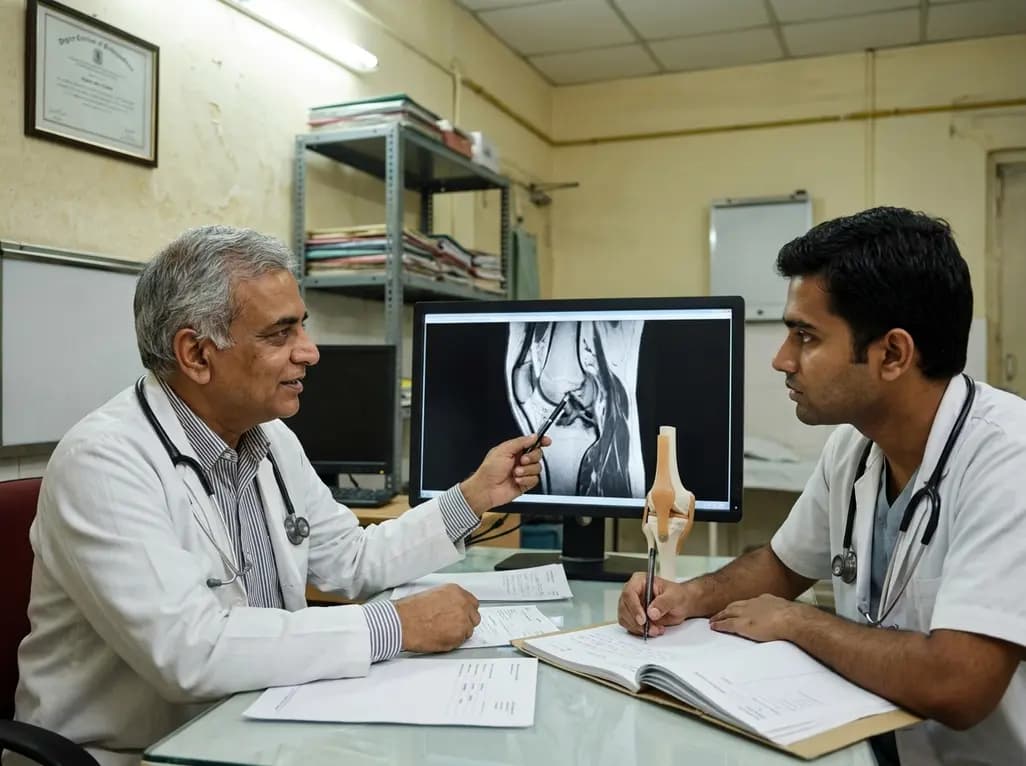
Anterior cruciate ligament reconstruction failure lacks uniform definition. A narrative review proposes an integrative framework incorporating objective and subjective instability, persistent pain, restricted motion, graft rupture, and secondary meniscal injury to standardize clinical reporting.
3 days back
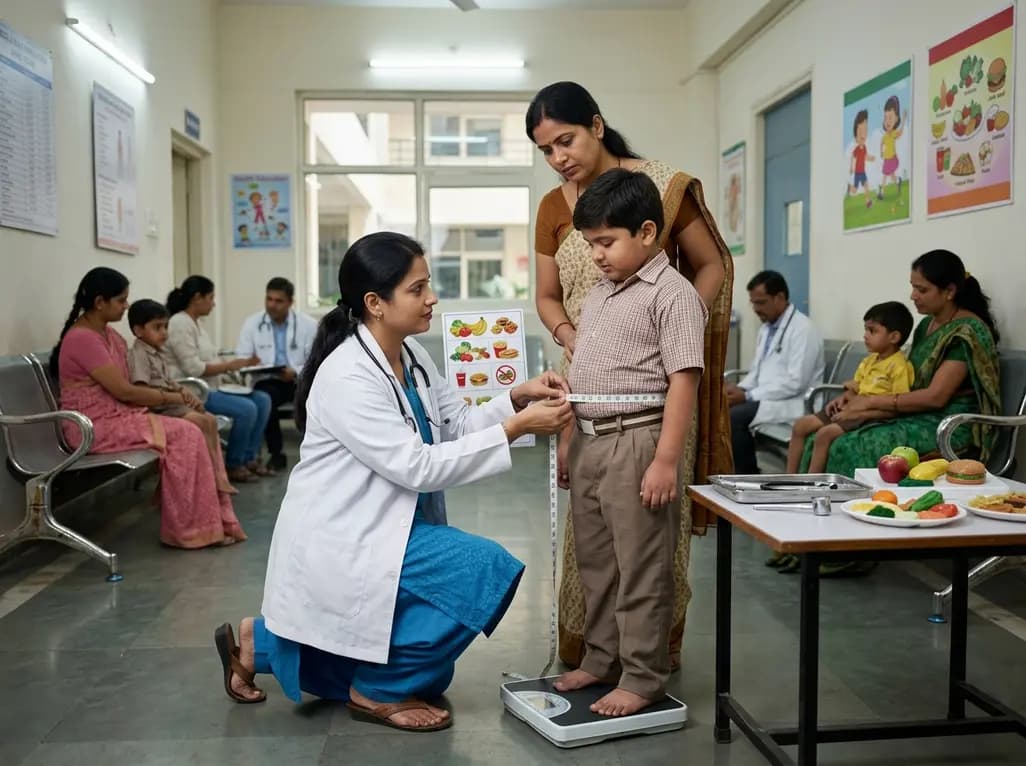
With World Obesity Atlas data warning that over 41 million Indian children are overweight or obese, ICMR and NIN have unveiled a 10-point policy roadmap. The initiative calls for mandatory front-of-pack labeling, HFSS taxes, strict marketing bans, and healthier school environments to curb non-communicable diseases.
Today
