.webp&w=384&q=75)

Loading, please wait...
Loading, please wait...

Public health experts and clinicians have historically assumed that child sexual abuse requires absolute physical isolation to occur. However, recent empirical evidence decisively challenges this persistent misconception. A groundbreaking study by Colombino and colleagues demonstrates that perpetrators frequently commit offenses within occupied domestic environments. Specifically, investigators analyzed detailed accounts from sixty-one survivors and forty-seven incarcerated individuals. The data revealed that another person was inside the home during the assault in approximately 64.7% of evaluated cases. Furthermore, in 52.6% of instances, family members or roommates were usually or always present on the premises. Most remarkably, in 11.5% of documented occurrences, bystanders were occupying the exact same room as the victim. Additionally, over half of the incidents lacked any physical barriers, such as locked doors, that would have obstructed direct observation. Consequently, these findings dismantle the idea that abuse only occurs behind bolted doors in deserted dwellings. Healthcare providers must recognize that close physical proximity of relatives does not prevent exploitation. Instead, offenders routinely exploit social trust and subtle situational opportunities right beside unsuspecting guardians.
Situational crime prevention theory suggests that capable guardians naturally deter illicit behavior in domestic spaces. Nevertheless, domestic sexual offending frequently circumvents conventional environmental deterrents. In theory, having other household members nearby should dramatically elevate the risk of immediate discovery. Yet, perpetrators manipulate familiar domestic routines to neutralize this defensive barrier. For example, abusers strategically select moments when co-inhabitants are asleep, engrossed in television, or busy with culinary tasks. Consequently, physical proximity does not guarantee active supervision or protective intervention. Moreover, psychological manipulation, known as grooming, severely impairs a young victim's ability to vocalize distress or seek help. Children often feel paralyzed by fear, confusion, or misplaced loyalty toward the perpetrator. As a result, catastrophic violations occur quietly in shared spaces without alerting family members down the hallway. Furthermore, the absence of closed doors can paradoxically serve as a calculated camouflage strategy. By avoiding locked doors, perpetrators maintain a facade of normal, innocent interaction. Therefore, healthcare teams must abandon the belief that chaotic or densely populated households are naturally protected against child abuse.
Because domestic violations occur within occupied homes, pediatricians and general practitioners must maintain heightened clinical vigilance. Physicians cannot dismiss abuse allegations simply because parents claim constant presence in the house. Instead, doctors must routinely integrate trauma-informed screening into everyday outpatient visits. For instance, subtle somatic complaints often represent the initial presentation of ongoing trauma in children. Patients may present with recurrent abdominal pain, unexplained enuresis, encopresis, or persistent genital discomfort. Similarly, abrupt behavioral shifts, including sudden academic decline, social withdrawal, or hypersexualized behavior, demand compassionate investigation. However, clinicians must remember that most victims display no visible physical injuries or forensic genital trauma. Normal physical examinations never exclude penetrative or non-penetrative contact. Consequently, careful history taking and objective behavioral documentation are paramount. When interviewing a child, practitioners must establish a safe, unhurried, and neutral environment. Clinicians must ask open-ended questions without leading the young patient or expressing judgment. In addition, consulting child psychologists helps parse subtle developmental markers of persistent stress. Early clinical recognition remains decisive in interrupting ongoing domestic victimization.
In India, medical professionals carry strict statutory responsibilities under the Protection of Children from Sexual Offences Act, commonly known as POCSO. Section 19 of this statute mandates that any person, including healthcare personnel, must report suspected abuse immediately to local authorities. Failure to report constitutes a punishable legal offense, carrying potential imprisonment or substantial financial penalties. Therefore, Indian doctors cannot treat reporting as an optional clinical discretion. Furthermore, physicians must conduct forensic medical examinations according to standardized national protocols established by the Ministry of Health and Family Welfare. Under Section 27 of POCSO, medical examinations must occur promptly, preferably within twenty-four hours of presentation. Additionally, a parent or a trusted representative chosen by the child should accompany the young patient throughout the procedure. If the survivor is a female child, a female registered medical practitioner must conduct the physical examination. Most importantly, doctors must document all physical findings, emotional states, and forensic samples with meticulous accuracy. Timely and comprehensive documentation preserves the chain of custody, ensuring that legal proceedings effectively protect the child.
Managing domestic abuse requires cohesive collaboration among pediatricians, mental health specialists, forensic evaluators, and child welfare agencies. Immediately after clinical stabilization, healthcare teams must prioritize the physical safety and psychological equilibrium of the young survivor. For example, doctors must administer emergency post-exposure prophylaxis against sexually transmitted infections and human immunodeficiency virus when clinically indicated. Similarly, adolescent female patients require emergency contraception to prevent unwanted pregnancy following sexual assault. Beyond urgent medical interventions, specialized psychological support forms the cornerstone of enduring recovery. Trauma-focused cognitive behavioral therapy effectively mitigates acute stress reactions, severe anxiety, and long-term depressive disorders. Moreover, clinicians must provide comprehensive psychoeducation to non-offending caregivers, who often grapple with profound guilt and disbelief. When parents learn that abuse frequently happens while families are home, they can move past paralyzing self-blame toward constructive advocacy. In addition, community healthcare workers should actively educate parents regarding proactive bodily autonomy and open communication. Ultimately, coordinated institutional protocols ensure that vulnerable children receive comprehensive medical healing and lasting emotional protection within their communities.
Empirical research indicates that someone else is inside the house in approximately 65% of domestic abuse incidents. Furthermore, in more than half of these offenses, other individuals are usually or constantly present on the property. In roughly 11% of cases, bystanders remain in the exact same room. Consequently, clinicians must recognize that family presence does not prevent exploitation, as perpetrators strategically exploit brief lapses in active supervision.
Under Section 19 of the POCSO Act, healthcare practitioners must immediately report any apprehension or knowledge of child abuse to the Special Juvenile Police Unit or local police. This reporting mandate remains compulsory regardless of parental consent or hesitation. Failing to report carries statutory imprisonment up to six months, fines, or both. Therefore, doctors must promptly initiate medical care, secure forensic samples, and notify authorities without delay.
Most child abuse incidents involve non-penetrative contact, oral-genital contact, digital manipulation, or non-violent coercion, which leave no persistent physical marks or anogenital tears. Furthermore, pediatric anogenital tissues possess remarkable healing capacities, frequently resolving superficial abrasions within several days. As a result, entirely normal medical findings are typical in verified abuse cases. Healthcare providers must evaluate behavioral symptoms, psychological distress, and disclosure history rather than relying solely on physical trauma.
Disclaimer: This content is for informational and educational purposes only. It is not intended to substitute professional medical advice, diagnosis, or treatment. Always seek the advice of a qualified healthcare provider with any questions you may have regarding a medical condition or legal obligation. Refer to the latest local and national guidelines for clinical practice.
References

Read summarized clinical updates, watch expert medical content, and earn CME certifications right from your smartphone.
Open your smartphone camera to scan and install.





A new investigation challenges assumptions about child sexual abuse, showing that offenses often happen when others are present in the home without physical barriers. Clinicians must refine pediatric assessments, trauma screening, and legal reporting under POCSO to safeguard vulnerable children.
Today
Discover how oxidative stress drives inflammatory bowel disease (IBD) pathogenesis. Explore cutting-edge insights on Nrf2 signaling, ferroptosis suppression, microbiome interactions, and emerging targeted redox therapies.
Today
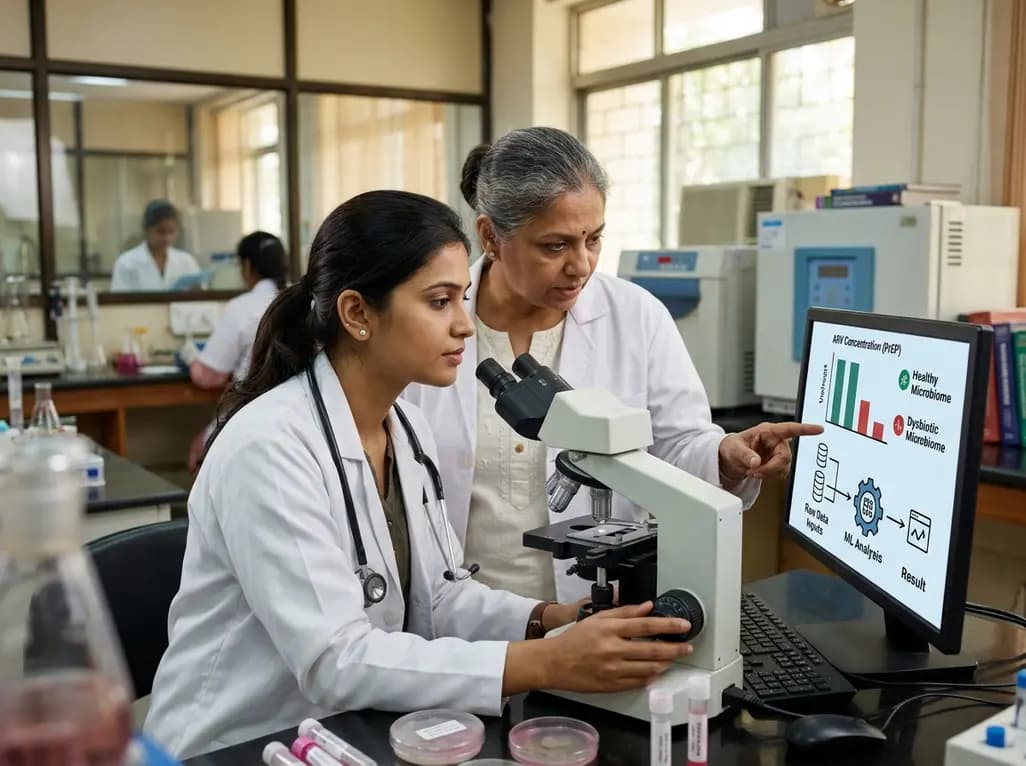
A pharmacometric and machine learning study reveals that specific vaginal bacteria alter cervical antiretroviral exposure, highlighting the need for precision HIV PrEP strategies.
Yesterday
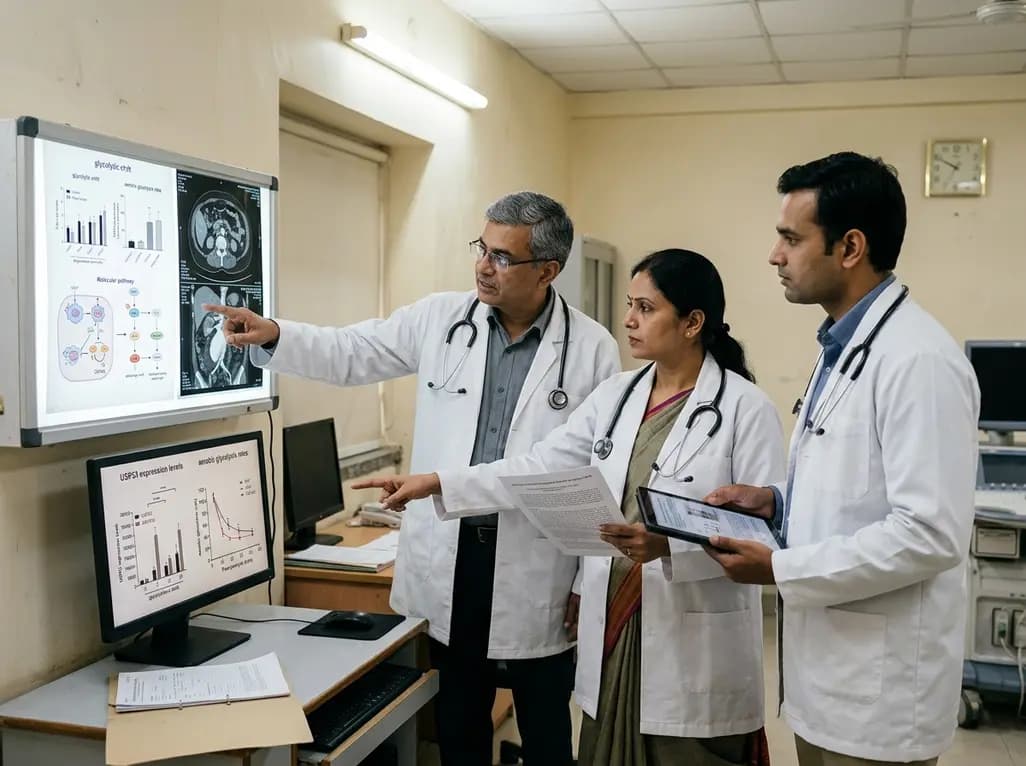
Abdominal aortic aneurysm rupture remains a catastrophic vascular emergency. Groundbreaking research reveals that USP53 accelerates aneurysm progression by reprogramming smooth muscle cell metabolism toward aerobic glycolysis, highlighting a promising target beyond conventional diameter-based surveillance.
Today
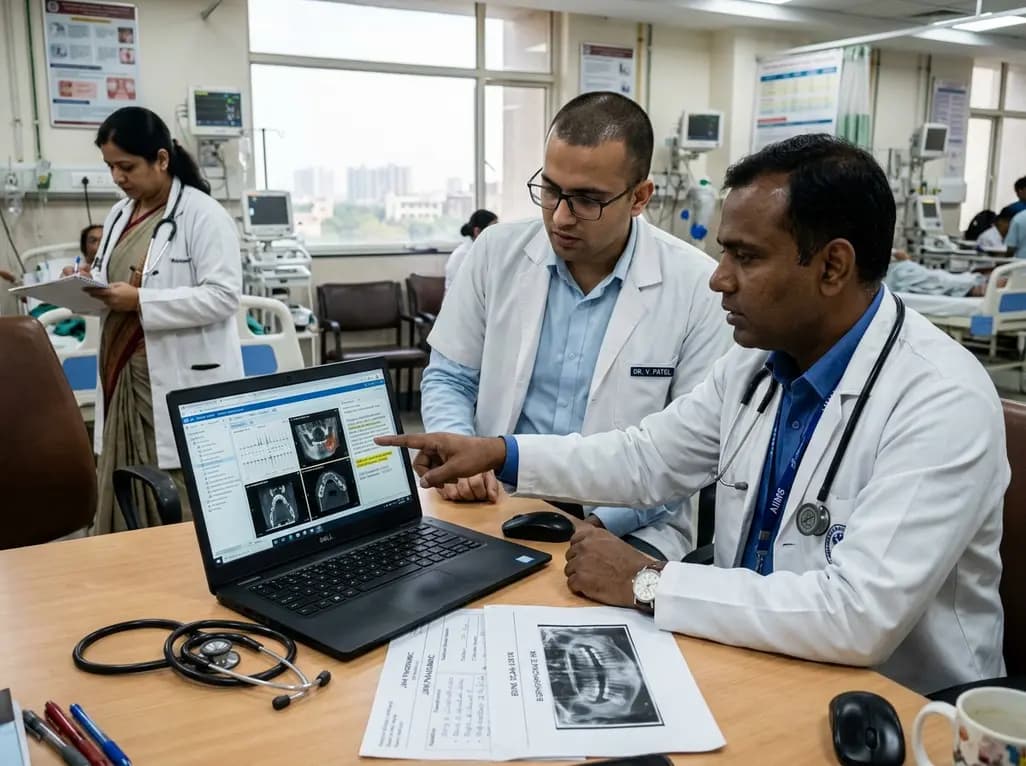
A breakthrough study leverages natural language processing to accurately identify incident medication-related osteonecrosis of the jaw and track antiresorptive drug holidays from clinical narratives in electronic health records, advancing osteoporosis pharmacovigilance and dental safety.
Today
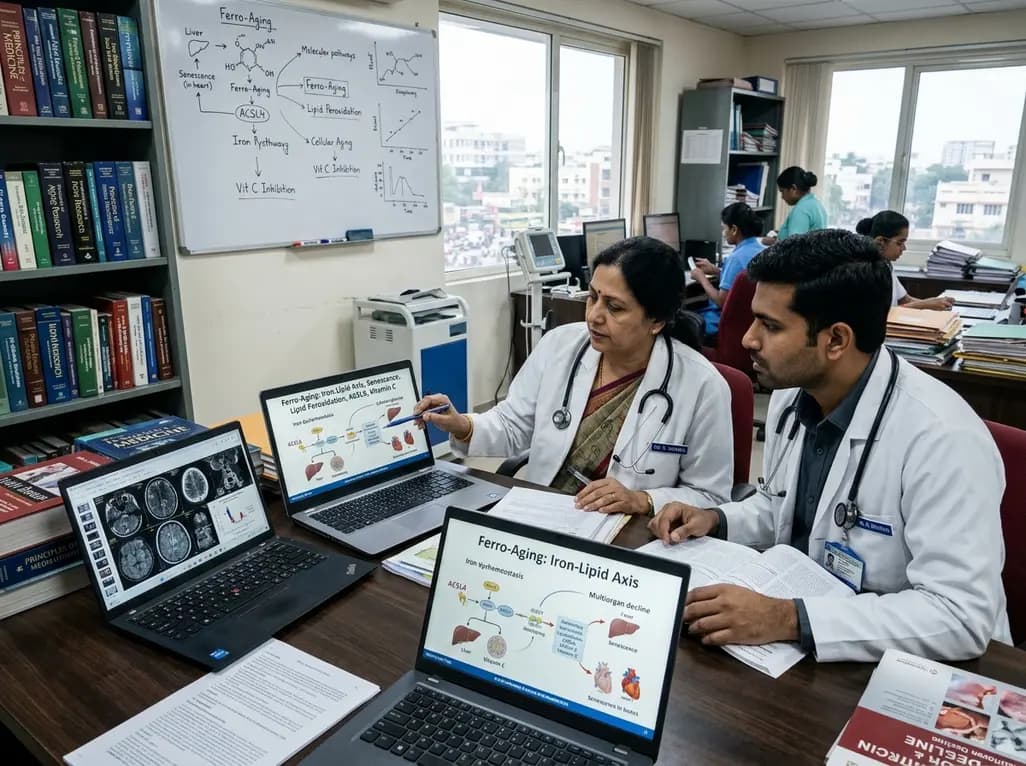
Recent research defines ferro-aging as a conserved iron-lipid axis driving organ decline across primates. Age-related iron dyshomeostasis stimulates ACSL4-mediated lipid peroxidation, promoting cellular senescence. Notably, vitamin C directly inhibits ACSL4, suppressing phospholipid oxidation and multi-organ decay.
Yesterday
