

Loading, please wait...
Loading, please wait...

A recent qualitative case study highlights the profound child domestic violence impact on the internal relational models and psychological development of young girls. Chronic exposure to violence within the home environment often leads to insecure attachment and significant ego dysfunction. These findings underscore the critical need for pediatricians and mental health professionals to recognize the subtle signs of relational trauma in school-aged children.
Specifically, girls aged nine to ten years enrolled in schools within disadvantaged socio-economic areas demonstrated significant relational dysfunction. Researchers utilized the Operationalized Psychodynamic Diagnostics (OPD) system to identify insecure and hostile patterns. Consequently, these children often perceive parental figures as threatening rather than protective. Furthermore, the study observed disruptions in core ego functions, such as identity formation, autonomy, and impulse control. Defensive mechanisms like dissociation, repression, and fantasy were also prominent as children attempted to adapt to persistent emotional distress.
However, brief psychodynamic psychotherapy showed significant promise in addressing these unconscious dynamics. This therapeutic approach helps clinicians guide interventions by identifying how a child's internal world responds to trauma. Therefore, clinicians should integrate trauma-informed care into routine pediatric practice to improve long-term outcomes. Addressing these dysfunctions early can prevent the intergenerational cycle of violence often seen in Indian households.
Children exposed to violence often develop insecure or hostile relational models. They frequently view caregivers as threatening rather than protective, which complicates future interpersonal interactions and emotional stability.
Children frequently use dissociation, repression, and fantasy to cope with chronic emotional distress. These overadaptive responses help them survive threatening environments but often impair their psychological development.
Disclaimer: This content is for informational and educational purposes only. It does not constitute professional medical advice, diagnosis, or treatment. Refer to the latest local and national guidelines for clinical practice.
References
Cano RC et al. Relational patterns in four girls exposed to domestic violence: A case study. Child Abuse Negl. 2026 Jun 05. doi: undefined. PMID: 42247717.
Holt S, Buckley H, Whelan S. The impact of exposure to domestic violence on children and young people: A review of the literature. Child Abuse Negl. 2008;32(8):797-810.
Subramanian SV, et al. Impact of Domestic Violence on Child Health and Nutrition in India. JAMA Pediatr. 2014;168(3):285-286.

Read summarized clinical updates, watch expert medical content, and earn CME certifications right from your smartphone.
Open your smartphone camera to scan and install.





A psychodynamic study on school-aged girls reveals how domestic violence causes insecure relational patterns and ego dysfunctions, requiring targeted therap...
4 months ago

Novel diimide and hydrazone scaffolds, particularly compound #C4, synergistically reactivate latent HIV-1 when combined with JQ1 or PKC activators. Demonstrating donor-matched proviral transcription ex vivo and non-canonical signaling, these findings advance shock and kill strategies toward reservoir eradication.
Today

A cross-sectional study reveals that maternal RSV vaccination coverage reached only 43.7% in Argentina, with maternal vaccine knowledge being the sole independent predictor of uptake. Clinicians play a crucial role in eliminating informational and structural barriers to optimize infant health.
Today
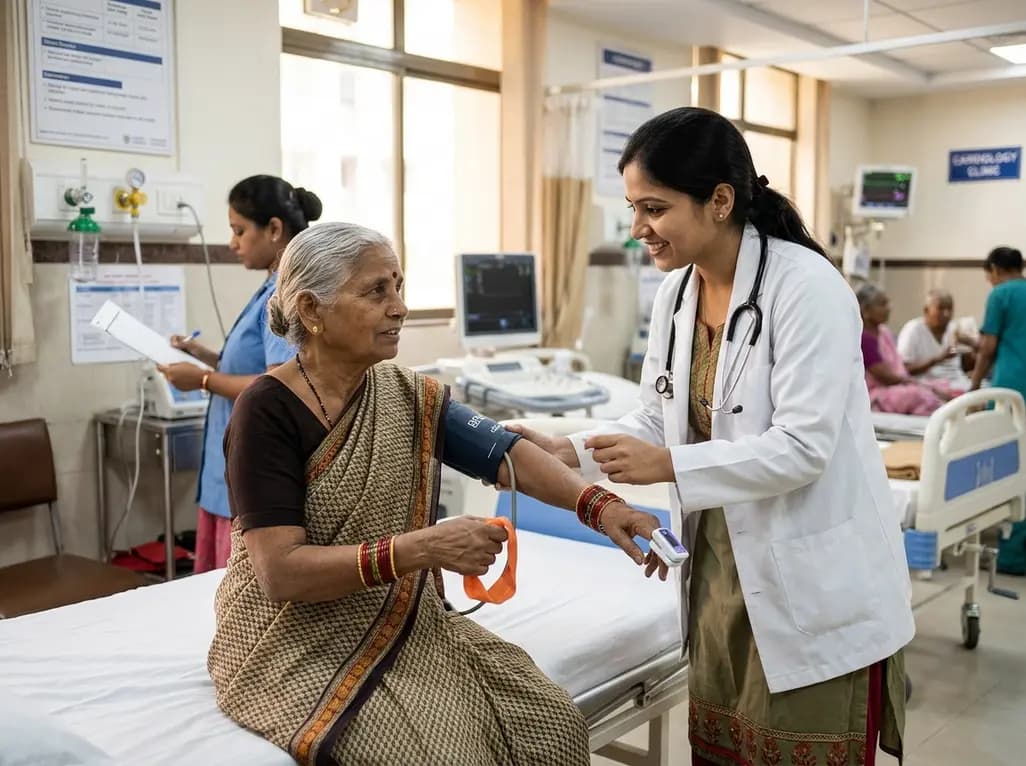
Review how tailored exercise programs benefit frail older patients with heart failure. Explore pathophysiological mechanisms, individualized training prescriptions, and strategies to overcome adherence barriers in clinical practice.
Yesterday

This comparative study evaluates posterior labral tears with and without glenohumeral instability, highlighting distinct demographic patterns, MRI underestimation in stable shoulders, and successful arthroscopic repair outcomes.
Yesterday

A clinical study demonstrates that early intervention with tocilizumab, either as monotherapy or bridged with corticosteroids, achieves significant proptosis reduction and resolves active inflammation in treatment-naive thyroid eye disease.
Yesterday
