.webp&w=384&q=75)

Loading, please wait...
Loading, please wait...

The CBL-514 injection is emerging as a breakthrough in the field of non-surgical body contouring. Recent data from a randomized Phase 2b trial highlights its potential to significantly reduce abdominal subcutaneous fat. Unlike traditional treatments, this small-molecule agent induces adipocyte apoptosis specifically. Consequently, it offers a targeted approach to fat reduction without the risks associated with invasive surgery or tissue necrosis.
The randomized, single-blind, placebo-controlled study enrolled 108 adults presenting with moderate to severe abdominal fat. Participants received up to four treatments of the CBL-514 injection or a placebo at three-week intervals. Notably, 76.7% of the treated group achieved at least a one-grade improvement on the Clinician-Reported Abdominal Fat Rating Scale (CR-AFRS). In contrast, only 18.9% of the placebo group reached the same milestone. These results underscore the robust efficacy of the drug in a clinical setting.
Furthermore, secondary endpoints using MRI assessments provided objective evidence of fat loss. The treatment group experienced an average subcutaneous fat volume reduction of 166.6 mL. Additionally, MRI data showed a mean decrease in fat thickness of approximately 27% compared to the placebo. Moreover, more than half of the participants observed visible improvements after just a single treatment session. Therefore, the drug demonstrates both rapid onset and sustained results for patients seeking localized contouring.
The mechanism of the CBL-514 injection involves the upregulation of apoptosis biomarkers, such as Caspase-3. Specifically, it inhibits DYRK1b to trigger programmed cell death in adipocytes. Importantly, the trial reported a favorable safety profile with no evidence of nerve injury or skin necrosis. Most adverse events were common injection site reactions, such as mild swelling or redness. However, these symptoms typically resolved without further intervention, ensuring high patient compliance and satisfaction.
The CBL-514 injection offers a non-invasive alternative to liposuction. It achieves significant fat reduction through apoptosis rather than mechanical removal. This results in minimal downtime and avoids the surgical risks of infection or scarring.
While the study allowed for up to four treatments, over 58% of participants achieved a measurable improvement after only one session. However, the optimal number of injections depends on the initial fat thickness and the patient's aesthetic goals.
In clinical trials, the drug was well-tolerated. Most side effects were localized to the injection site and were mild to moderate in severity. No serious adverse events related to the drug or systemic safety risks were identified.
Disclaimer: This content is for informational and educational purposes only. It does not constitute medical advice or establish a doctor-patient relationship. Refer to the latest local and national guidelines for clinical practice.
References
Lorenc ZP et al. Randomized Phase 2b Trial of CBL-514 Injection for Abdominal Subcutaneous Fat Reduction With Clinician- and Patient-reported Outcomes and MRI Assessment. Aesthet Surg J. 2026 May 20. doi: undefined. PMID: 42159040.
Caliway Biopharmaceuticals. (2025). Phase 2b Clinical Data of CBL-514 for Subcutaneous Fat Reduction. Aesthetic Surgery Journal Updates.
ClinicalTrials.gov. (2023). A 2-Stage Phase 2 Study to Evaluate the Efficacy and Safety of CBL-514 Injection (NCT05736107).

Read summarized clinical updates, watch expert medical content, and earn CME certifications right from your smartphone.
Open your smartphone camera to scan and install.





Results of the Phase 2b trial show CBL-514 injection effectively reduces abdominal subcutaneous fat through adipocyte apoptosis with high patient satisfacti...
4 months ago

Groundbreaking research reveals that naive CD8 T cells are not functionally uniform. Over time, prolonged homeostatic tonic TCR signaling primes long-lived naive cells into superior effectors with enhanced survival and memory potential, providing new opportunities for immunotherapy and vaccine design.
Today

Explore the crucial link between dietary protein and immunocompetence. This review examines how low-protein nutrition shifts metabolic resources away from pathogen defense toward early reproduction, compromising host survival and immunity against severe bacterial infections.
Today
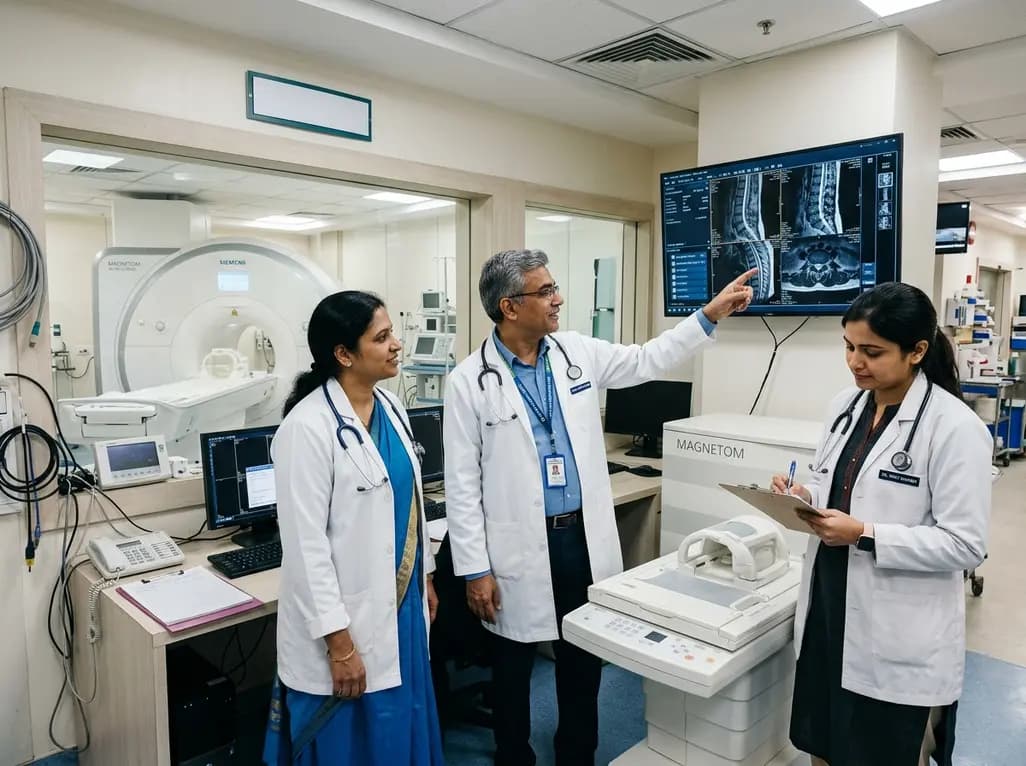
Under India's PLI initiative, domestic production of 57 critical medical devices has commenced, including MRI and CT scanners, cath labs, and heart valves. Global partnerships and local investments are expanding high-end technology, curbing import reliance, and strengthening clinical accessibility nationwide.
Today
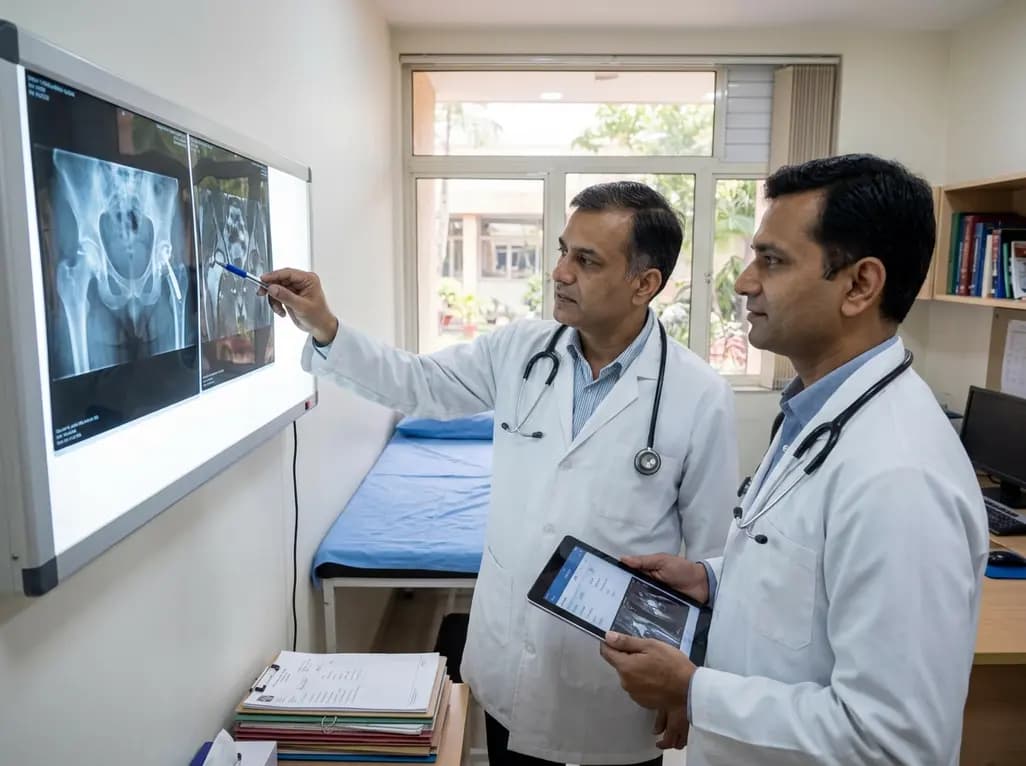
A longitudinal study reveals that patients undergoing staged bilateral hip arthroscopy experience progressive contralateral labral deterioration during surgical intervals. However, structural degradation does not compromise 2-year postoperative clinical outcomes or patient-reported satisfaction scores.
Today

New immunological research reveals how PTPN22 forms a delayed inhibitory signaling complex to restrain T cell activation, explaining how the autoimmune-linked R620W variant disrupts feedback control and promotes persistent inflammation in conditions like rheumatoid arthritis and type 1 diabetes.
Today
