

Loading, please wait...
Loading, please wait...

Clinicians frequently encounter microcytic hypochromic anemia in daily ambulatory and inpatient medical practice. In routine clinical workflows, evaluating thalassemia trait vs iron deficiency represents an essential yet challenging diagnostic step. Both clinical conditions present with significantly reduced red blood cell volume and diminished hemoglobin concentration. However, their underlying pathophysiology, long-term prognosis, and therapeutic interventions diverge substantially. Iron deficiency anemia stems from exhausted systemic iron stores that impair hemoglobin synthesis. In contrast, thalassemia trait arises from inherited genetic mutations that impair globin chain production while maintaining normal or elevated systemic iron levels. Consequently, misdiagnosing these conditions carries severe therapeutic implications. Primary care physicians often prescribe unnecessary oral iron supplementation to asymptomatic thalassemia carriers. This misdirected therapy exposes patients to preventable iron accumulation and toxicity without addressing the underlying etiology. Furthermore, clinicians miss crucial opportunities for premarital screening, genetic counseling, and antenatal hemoglobinopathy detection. Confirmatory investigations, including hemoglobin electrophoresis and serum ferritin assays, require substantial laboratory resources. Therefore, developing accessible, rapid, and dependable triage algorithms from standard complete blood counts remains a major global health priority.
Medical practitioners in resource-limited primary care settings must make timely triage decisions without immediate access to advanced diagnostic infrastructure. For decades, clinicians proposed empirical mathematical formulas like the Mentzer, Srivastava, Green and King, and England-Fraser indices. Most traditional mathematical calculations divide mean corpuscular volume by red blood cell count to exploit physiological differences. In thalassemia minor, the active bone marrow produces an elevated number of microcytic erythrocytes to compensate for defective hemoglobin formation. Conversely, iron deficiency deprives the hematopoietic bone marrow of a vital micronutrient, which markedly suppresses total erythrocyte production. Although classic discriminative equations offer useful bedside estimates, their diagnostic performance varies considerably across diverse patient demographics and clinical severity levels. Moreover, concomitant nutritional deficiencies, chronic inflammation, and acute infections frequently distort standard cellular measurements. As a result, older mathematical indices demonstrate high rates of false-positive and false-negative classifications in ambulatory cohorts. Because diagnostic ambiguity persists, modern medicine demands sophisticated multivariable statistical models that deliver superior discriminatory reliability.
To overcome traditional screening limitations, investigators designed a specialized predictive model using routine complete blood count variables. This single-center retrospective study evaluated 156 young individuals between the ages of 5 and 30 years who displayed microcytic hypochromic erythrocyte parameters. The primary statistical analysis focused on 98 participants with isolated thalassemia trait alongside 50 participants with pure iron deficiency anemia. The researchers applied stepwise multivariable logistic regression to isolate the most influential hematological predictors while eliminating collinear parameters. Through automated feature selection, the regression model retained three vital indices: red blood cell count, mean corpuscular volume, and red cell distribution width-coefficient of variation. Furthermore, the statistical design incorporated comprehensive calibration curves, decision curve analyses, and bootstrap validation techniques to quantify clinical benefit. By integrating these three readily available hemogram parameters into a coherent mathematical framework, the researchers eliminated subjective interpretation. Additionally, the algorithm generates an objective, individualized probability score between zero and one. Thus, this computational method transforms everyday laboratory data into an exceptionally robust diagnostic instrument without requiring supplementary venipuncture or additional laboratory costs.
The resultant multivariable model demonstrated extraordinary diagnostic accuracy during internal validation. Specifically, the apparent area under the receiver operating characteristic curve reached 0.998, with an outstanding 95% confidence interval ranging from 0.994 to 1.000. When clinicians applied a standardized decision threshold probability of 0.50, the model achieved an impressive sensitivity of 98.0% alongside a specificity of 96.0%. Moreover, repeated bootstrap resampling maintained an exceptional mean area under the curve of 0.997, confirming minimal statistical optimism. These metrics substantially exceed those reported for traditional ratios like Mentzer or Srivastava indices. The biological basis of this superior accuracy reflects the harmonious interplay of the three chosen variables. Patients with uncomplicated thalassemia traits exhibit elevated erythrocyte counts, uniform microcytosis, and homogeneous cell populations with low distribution width variation. In stark contrast, patients with iron deficiency anemia present with depressed erythrocyte numbers and profound cellular anisocytosis reflected in widely elevated red cell distribution width values. Consequently, the multivariable equation captures subtle hematological divergences that single manual calculations regularly overlook. Decision curve analysis verified that this predictive model delivers substantial net clinical benefit across realistic threshold ranges.
These findings carry immense clinical relevance for medical practitioners throughout India and other high-prevalence regions. Beta-thalassemia trait represents a major public health challenge in India, where carrier frequency averages three to four percent and exceeds ten percent in specific communities. Concurrently, iron deficiency anemia afflicts over half of Indian reproductive-age women and young children. Because these two microcytic conditions coexist widely, primary care physicians regularly encounter confusing diagnostic presentations in community clinics. In many peripheral centers, confirmatory hemoglobin electrophoresis and ferritin assays remain unavailable. Consequently, providers frequently prescribe empirical iron supplements, risking secondary iron overload in unrecognized carriers. Incorporating this automated regression equation into standard laboratory information systems could immediately alert clinicians to high-risk carrier profiles during routine antenatal or pediatric visits. Healthcare workers can then efficiently direct confirmatory resources toward targeted hemoglobin HPLC and genetic counseling. Nevertheless, clinicians must recognize that this single-center model evaluated patients aged 5 to 30 years and excluded mixed anemia cases. Therefore, independent multicenter validation across diverse ethnic populations remains essential before widespread clinical deployment.
Traditional formulas like the Mentzer index rely on simple fixed ratios between red cell count and cell volume. In contrast, this stepwise logistic regression model mathematically integrates red blood cell count, mean corpuscular volume, and red cell distribution width variation simultaneously. By accounting for non-linear relationships and cellular dispersion, the algorithm achieves an outstanding 0.998 area under the receiver operating characteristic curve, markedly reducing false classifications that commonly occur with older manual formulas.
No, clinicians must view this predictive model strictly as an auxiliary triage mechanism rather than a definitive diagnostic test. While the model demonstrates exceptional sensitivity and specificity, standard medical guidelines require confirmatory laboratory testing. Clinicians must order high-performance liquid chromatography, hemoglobin electrophoresis to measure hemoglobin A2 levels, or targeted molecular genetic testing before establishing a formal carrier diagnosis. The model simply identifies high-probability patients who warrant urgent confirmatory testing and prevents misdirected empirical iron therapy.
Concurrent iron deficiency significantly distorts hematological indices in thalassemia carriers, presenting a major diagnostic challenge. In the published investigation, researchers specifically excluded individuals with coexisting iron depletion to establish clean baseline performance. When iron deficiency coexists with thalassemia trait, erythrocyte production falls while cellular anisocytosis expands dramatically. Consequently, combined deficiency shifts automated model probabilities toward false iron deficiency classifications. Clinicians must replenish depleted iron stores before repeating complete blood counts and confirmatory hemoglobin electrophoresis.
Disclaimer: This content is for informational and educational purposes only... Refer to the latest local and national guidelines for clinical practice.
References

Read summarized clinical updates, watch expert medical content, and earn CME certifications right from your smartphone.
Open your smartphone camera to scan and install.





A retrospective study evaluates a routine blood count model using RBC count, MCV, and RDW-CV to distinguish thalassemia trait from iron deficiency anemia in microcytic patients. Achieving 98% sensitivity and 96% specificity, the model offers a rapid auxiliary tool for hematologists and primary care clinicians.
Today
Patients with cardiovascular conditions face heightened health risks during extreme heatwaves. Discover findings from the ESC Patient Forum on climate change impacts, medication dilemmas, and actionable strategies for proactive heatwave preparedness in clinical practice.
Today
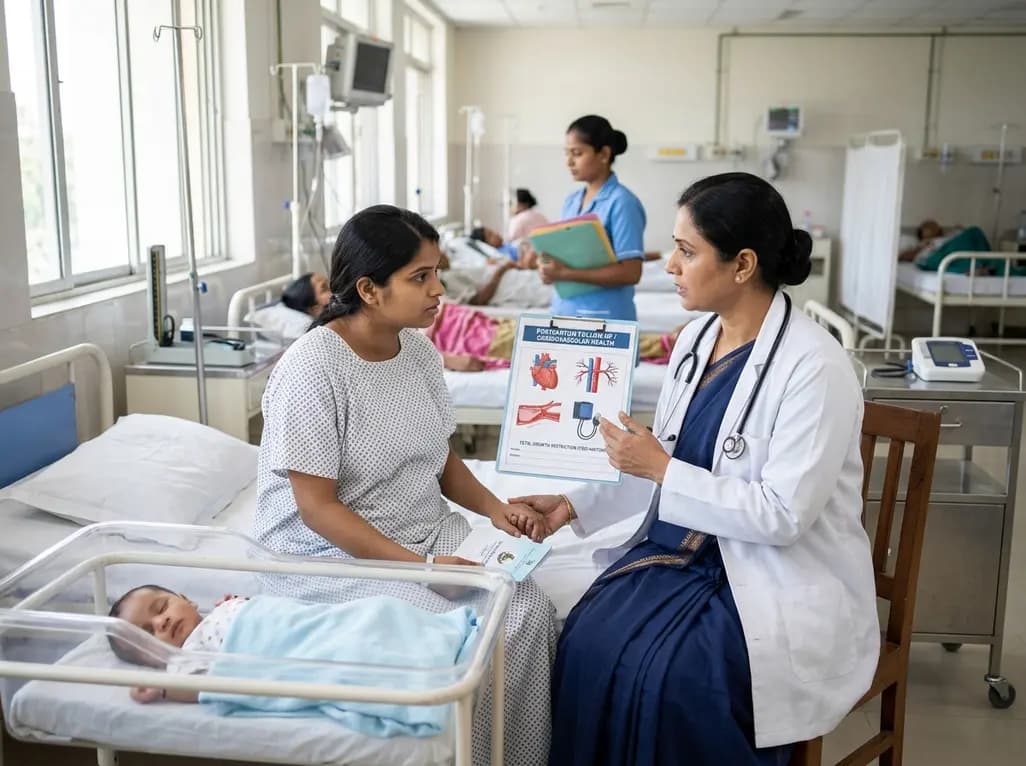
A large cohort study demonstrates that fetal growth restriction in a first pregnancy raises maternal cardiovascular risk within five years postpartum, including elevated rates of heart failure, stroke, and myocardial infarction. Clinicians must initiate proactive postpartum screening and cardiovascular prevention.
Today

An NHANES analysis reveals that meeting 24-hour movement guidelines significantly lowers the odds of cardiovascular disease, obesity, hypertension, and diabetes among adults with disabilities, emphasizing the power of combined physical activity, sleep, and limited sedentary time.
Today
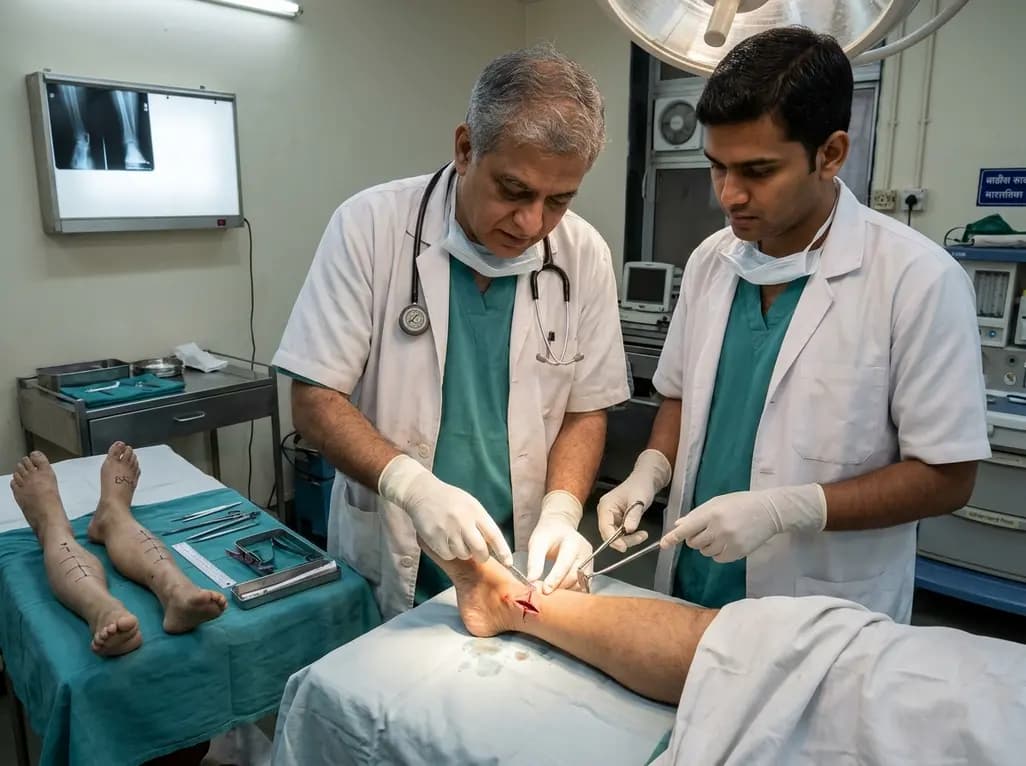
A paired cadaveric study compared triple and quintuple percutaneous Achilles tendon lengthening. While quintuple hemisection showed numerically greater elongation, differences were not statistically significant.
Yesterday
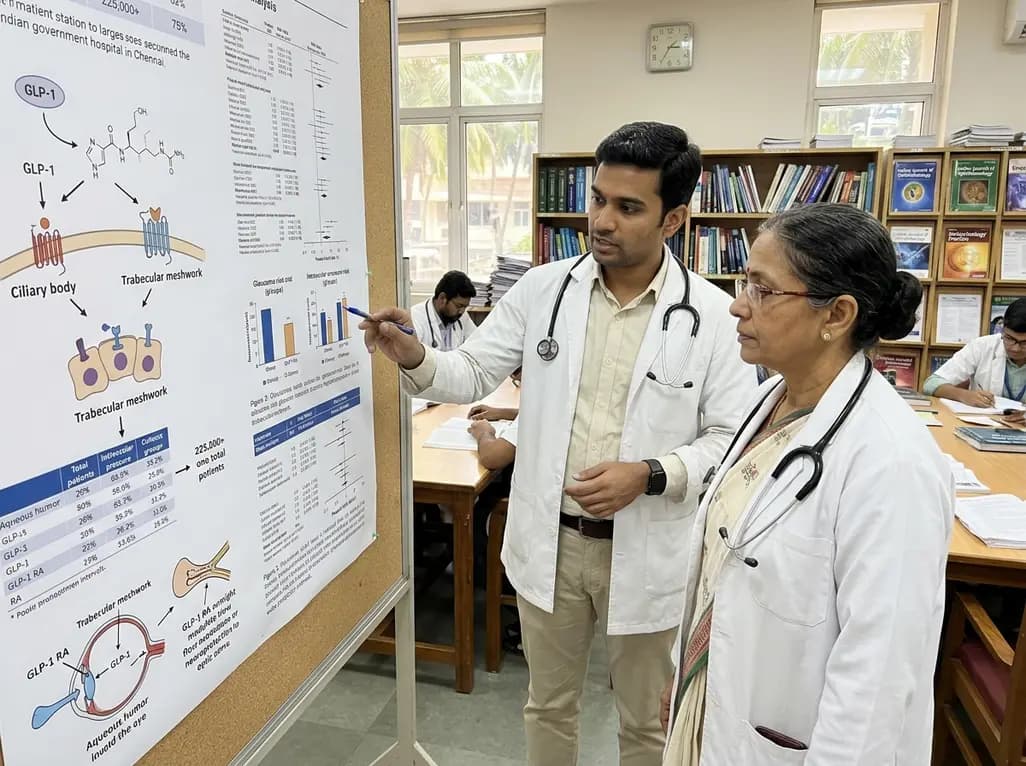
A systematic review and meta-analysis of over 225,000 patients explores whether GLP-1 receptor agonists reduce the risk of glaucoma and ocular hypertension. While pooled data show a 31% lower risk, low certainty and wide prediction intervals urge cautious optimism and further randomized trial evaluation.
Today
