

Loading, please wait...
Loading, please wait...
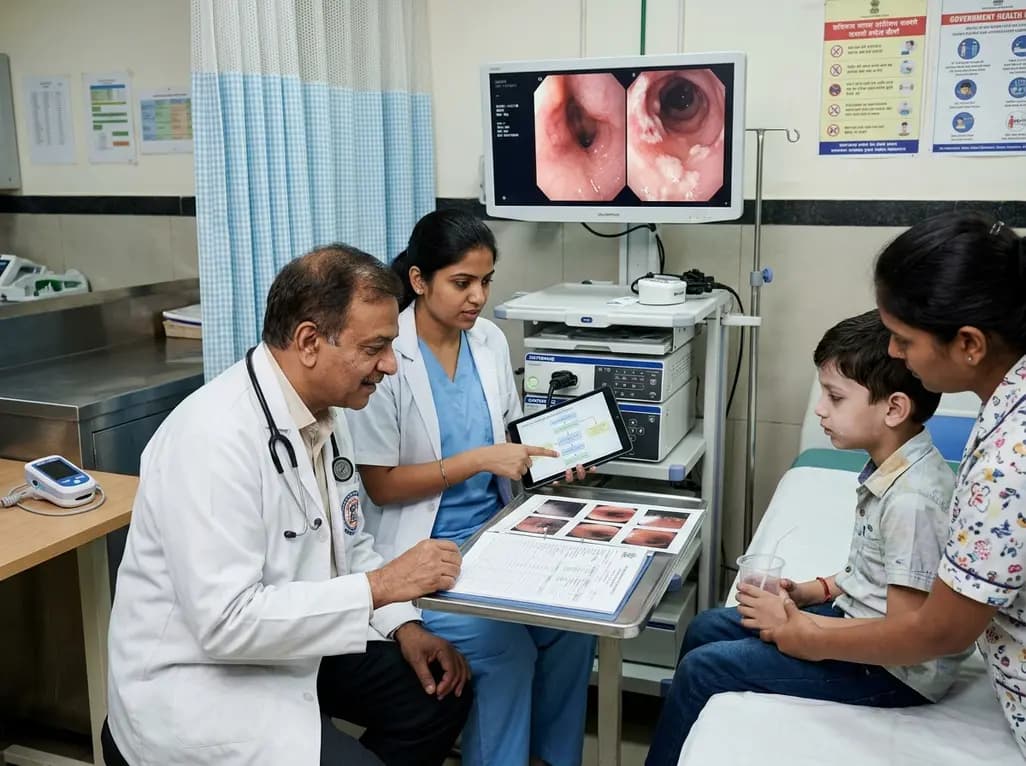
Accidental caustic ingestion in children represents an urgent and harrowing presentation in pediatric emergency departments worldwide. Clinicians frequently encounter the dilemma of deciding which pediatric patients require immediate esophagogastroduodenoscopy. Therefore, understanding specific clinical predictors of severe mucosal injury helps emergency physicians and pediatric gastroenterologists optimize endoscopic indications, conserve critical resources, and prevent long-term esophageal stricture formation.
Accidental corrosive ingestions occur predominantly in toddlers exploring their domestic environment. Young children frequently access improperly stored household cleaning agents, including alkaline oven cleaners, drain openers, and concentrated acidic toilet bowl solutions. In low- and middle-income regions, families often store dangerous commercial chemicals in unlabelled beverage bottles. Consequently, curious children ingest dangerous quantities within seconds.
Alkaline substances produce liquefactive necrosis, which rapidly penetrates deep muscular layers of the esophagus and adjacent mediastinal structures. In contrast, acidic substances typically induce coagulation necrosis, forming an eschar that partially limits deep tissue invasion while severely burning the gastric antrum. Both scenarios trigger life-threatening complications such as transmural perforation, mediastinitis, peritonitis, systemic sepsis, and permanent esophageal stenosis.
Furthermore, managing these pediatric emergencies requires immediate clinical acumen. Healthcare providers must avoid harmful initial reflexes, such as inducing emesis or attempting chemical neutralization with vinegar or milk. These interventions exacerbate mucosal destruction and increase pulmonary aspiration hazards. Instead, emergency clinicians must secure airway patency, ensure systemic hemodynamic stabilization, and initiate prompt risk stratification.
Upper gastrointestinal endoscopy remains the diagnostic gold standard for evaluating tissue injury following accidental chemical exposure. Endoscopists systematically grade the severity and circumferential extent of mucosal damage using the validated Zargar classification system. Grade 1 lesions feature superficial mucosal edema and hyperemia, whereas Grade 2a lesions display superficial friability, erosions, and linear ulcerations.
Conversely, high-grade injuries carry grave clinical implications. Grade 2b lesions demonstrate deep or circumferential ulcerations, whereas Grade 3 lesions exhibit extensive necrosis and ulceration with brownish-black discoloration. Finally, Grade 4 injuries represent frank luminal perforation. Patients harboring Grade 2b or Grade 3 lesions face an exceedingly high risk of developing refractory esophageal strictures, necessitating repeated endoscopic balloon dilatations or reconstructive esophageal replacement surgery.
However, performing urgent esophagogastroduodenoscopy in pediatric patients demands specialized anesthesia and pediatric endoscopic expertise. Endoscopy also introduces mechanical risks, including iatrogenic perforation of friable, necrotized esophageal tissue. Clinicians must balance these procedural risks against diagnostic benefits. Consequently, contemporary pediatric protocols strongly advocate identifying reliable surrogate markers to tailor endoscopic indications.
Recent prospective multicenter findings deliver critical clarity regarding risk stratification in pediatric corrosive ingestion. Researchers analyzed clinical signs, biochemical markers, and instrumental parameters among 283 prospectively enrolled children. They defined poor clinical outcome as the documented presence of high-grade mucosal injury, specifically Zargar scores from 2b to 4 or severe gastroduodenal ulcerations.
Notably, the study revealed that completely asymptomatic children did not develop poor clinical outcomes. In contrast, patients displaying overt physical symptoms demonstrated statistically significant correlations with severe mucosal destruction. Symptoms such as spontaneous vomiting, severe oral drooling, dysphagia, odynophagia, respiratory stridor, and prominent oropharyngeal burns consistently predicted advanced esophageal and gastric pathology.
Moreover, the presence of three or more concurrent symptoms drastically amplified the probability of severe internal injury. Laboratory findings, including leukocytosis, neutrophilia, and elevated C-reactive protein, further corroborated severe underlying tissue necrosis. Therefore, combining detailed symptomatology with inflammatory markers establishes an accurate prognostic framework. This multidimensional approach enables clinicians to distinguish benign exposures from catastrophic transmural corrosive damage promptly.
The finding that asymptomatic pediatric patients do not develop poor outcomes carries profound practical consequences for clinical practice. Historically, many centers practiced blanket endoscopic evaluation, performing procedures on every child with suspected caustic contact regardless of clinical presentation. This rigid approach subjected hundreds of asymptomatic toddlers to general anesthesia, hospital admission, and procedural risks for normal findings.
Current evidence supports a much more selective and rational triage algorithm. When a reliable caregiver confirms accidental ingestion of an ordinary household cleaner, and the child exhibits zero symptoms, clinicians can safely omit immediate endoscopy. Specifically, the absence of oral burns, drooling, vomiting, refusal to swallow, and stridor indicates minimal risk of high-grade injury.
Nevertheless, clinicians must exercise disciplined caution when evaluating these asymptomatic cohorts. Emergency physicians should observe the child in a monitored setting for several hours while maintaining hydration and reassessing physical signs. If symptoms emerge or if the ingested agent was an industrial-strength alkali, button battery, or concentrated acid, clinicians must perform prompt endoscopic investigation.
Managing severe corrosive injury extends far beyond initial triage and acute endoscopic staging. When endoscopy reveals Grade 2b or Grade 3 lesions, physicians must immediately enact comprehensive supportive protocols. Intravenous fluid resuscitation, effective analgesia, and profound acid suppression with intravenous proton pump inhibitors constitute foundational medical therapy.
Furthermore, routine administration of broad-spectrum systemic corticosteroids remains unproven. Modern guidelines discourage systemic steroids because clinical trials show negligible benefit in stricture prevention while potentially masking signs of developing perforation. Instead, clinicians administer targeted antibiotics if signs of transmural infection or respiratory compromise arise. In severe circumferential burns, early insertion of a nasogastric feeding tube provides essential enteral nutritional access and preserves a physical lumen.
Subsequently, multidisciplinary teams must monitor patients closely for stricture evolution over the initial two to eight weeks post-injury. Once esophageal strictures mature, pediatric gastroenterologists perform serial endoscopic balloon dilatations under fluoroscopic guidance to preserve oral alimentary function. Surgical reconstruction serves as an indispensable rescue option for patients with persistent, impassable, or extensive fibrous strictures.
Persistent oral drooling, spontaneous vomiting, dysphagia, hematemesis, and respiratory stridor represent the most reliable clinical predictors of severe esophageal injury. Furthermore, the presence of multiple concurrent symptoms substantially increases the statistical likelihood of high-grade mucosal necrosis. Clinicians should also thoroughly inspect the oral cavity for visible ulcerations, although the complete absence of oral burns does not entirely exclude severe internal esophageal or gastric damage.
Endoscopic evaluation is most safely and effectively conducted between 12 and 48 hours following caustic exposure. Performing endoscopy within this diagnostic window permits precise grading of mucosal injury before severe tissue sloughing develops. Conversely, clinicians should avoid performing endoscopy beyond 48 hours post-ingestion because progressive esophageal wall thinning, muscular necrosis, and active granulation tissue drastically elevate the risk of iatrogenic instrumental perforation during endoscope passage.
Clinical trials and international pediatric consensus guidelines demonstrate that routine systemic corticosteroids fail to reduce the incidence of esophageal stricture formation following corrosive injury. Moreover, systemic corticosteroid therapy suppresses local immune responses, increases the likelihood of secondary bacterial infections, and potentially masks early signs of impending transmural esophageal or gastric perforation. Therefore, clinicians reserve medical management for acid suppression, fluid resuscitation, and targeted analgesia.
Disclaimer: This content is for informational and educational purposes only. It is not intended to replace professional medical advice, diagnosis, or treatment. Always consult qualified healthcare professionals before making clinical decisions. Refer to the latest local and national guidelines for clinical practice.
References
Gragnaniello P et al. Caustic ingestion in children: A prospective analysis of poor outcome key predictors useful for clinical management optimization. J Pediatr Gastroenterol Nutr. 2026 Oct 18. doi: 10.1002/jpn3.70623. PMID: 42893938.
Tringali A, Thomson M, Dumonceau JM, et al. Pediatric gastrointestinal endoscopy: European Society of Gastrointestinal Endoscopy (ESGE) and European Society for Paediatric Gastroenterology Hepatology and Nutrition (ESPGHAN) Guideline Executive summary. Endoscopy. 2017;49(1):83-91.
Rafeey M, Fallahi GH, Eghbal-Afshar K. Caustic ingestion in children: A systematic review. World J Gastrointest Surg. 2016;8(11):730-738.

Read summarized clinical updates, watch expert medical content, and earn CME certifications right from your smartphone.
Open your smartphone camera to scan and install.





Prospective evidence evaluates clinical, biochemical, and endoscopic predictors of poor outcome after pediatric caustic ingestion, optimizing triage and avoiding unnecessary interventions in asymptomatic patients.
Today

Kenya's confirmation of its eighth Ebola infection highlights the acute risk of secondary transmission in hospital environments. Clinicians must maintain high vigilance, enforce strict infection prevention protocols, and implement rapid triage mechanisms for viral hemorrhagic fevers across healthcare settings.
Today
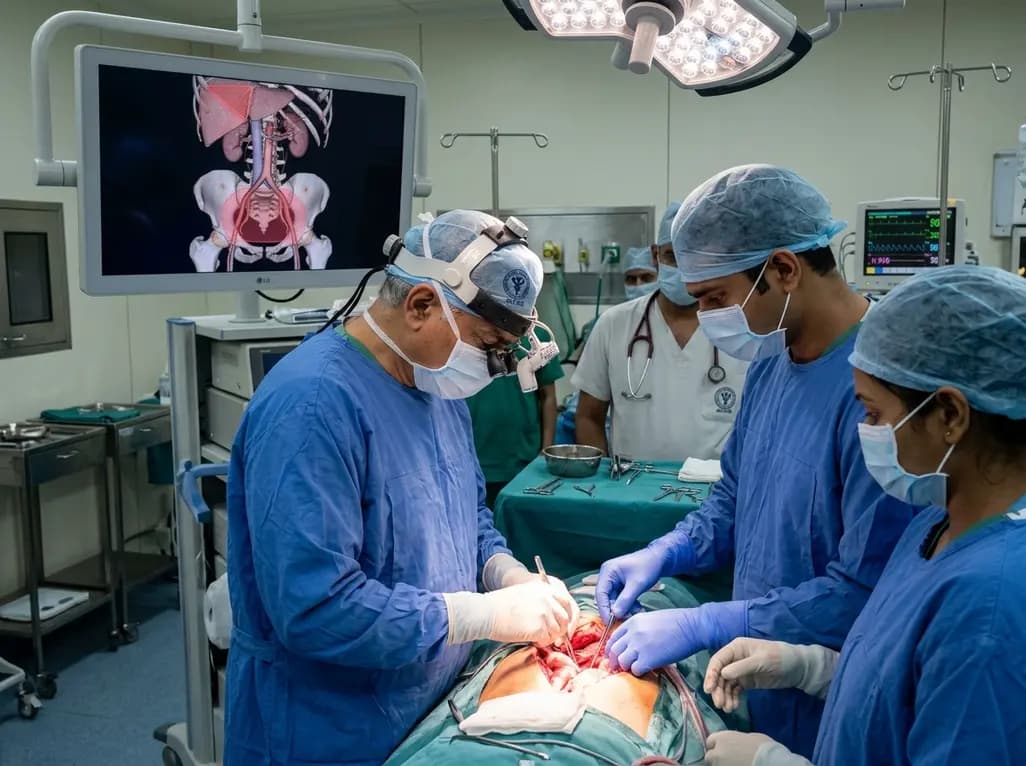
Surgical oncologists at AIIMS Delhi have mapped two critical anatomical landmarks: Ray's Zone in the deep pelvis and Ray's Hepatocaval Triangle near the liver. These predefined hazard boundaries guide dissection, dramatically reduce severe intraoperative bleeding, and preserve vital nerves and visceral organs.
Today

A study reveals that the MYLK c.4079G>A, p.(Gly1360Asp) variant is linked to high-penetrance heritable thoracic aortic disease and early-onset aortic dissection, showing a founder effect in Finnish cohorts. Findings emphasize early cascade screening and vigilant surveillance.
Yesterday
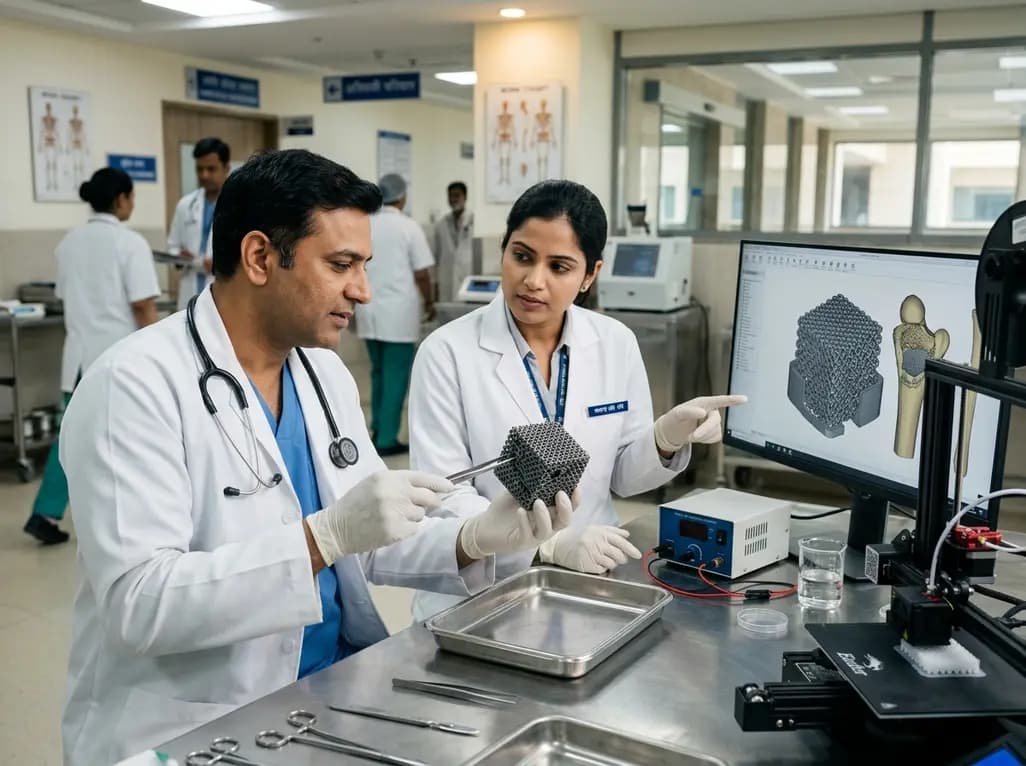
A novel sacrificial-template technique combines FDM polymer 3D printing and micro-arc oxidation to fabricate orientation-controlled porous titanium scaffolds. These bioactive constructs offer tailored stiffness, exceptional multidirectional load resistance, and robust osseointegration for bone defect repair.
Today

A novel label-free electrochemical biosensor utilizing magnetic nanocomposites enables ultrasensitive TERT C228T mutation detection (LOD: 0.67 pM) for rapid risk stratification in papillary thyroid cancer, offering promising point-of-care utility for endocrine oncology.
Today
