.webp&w=384&q=75)

Loading, please wait...
Loading, please wait...
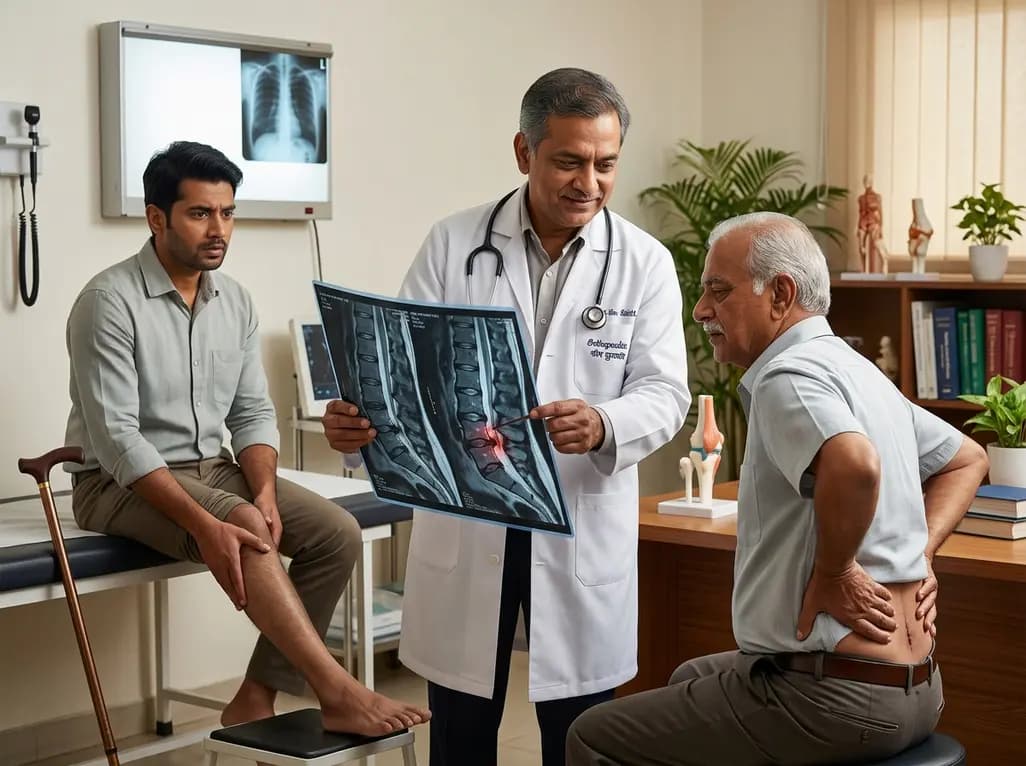
Lumbar disk herniation remains one of the most common causes of radicular leg pain, neurological weakness, and axial low back pain in adult populations. While magnetic resonance imaging traditionally focuses on disk protrusion size and canal compromise, histological composition plays a significant role in dictating clinical severity and postoperative recovery trajectories. In particular, cartilaginous endplate herniation represents a distinct pathological entity where hard hyaline cartilage fragments separate from the vertebral endplate along with soft intervertebral disk material. Cartilaginous tissue is avascular, resistant to macrophage-mediated phagocytosis, and far less likely to undergo spontaneous enzymatic resorption compared to pure nucleus pulposus herniations. Consequently, when cartilaginous endplate herniation occurs, it introduces dense, non-compressible material into the spinal canal or neural foramina, altering mechanical pressure on spinal nerve roots. Recent research demonstrates that the clinical consequences of cartilaginous endplates vary significantly across age brackets, influencing preoperative motor deficits in younger adults and residual postoperative low back pain in older surgical candidates. Spine specialists must understand these age-dependent histological differences to optimize diagnostic evaluation, refine patient counseling, and guide surgical decision-making.
The intervertebral disk interface consists of the central nucleus pulposus, surrounding annulus fibrosus, and thin cartilaginous endplates that anchor the disk to adjacent vertebral bodies. Under normal physiological conditions, cartilaginous endplates facilitate nutrient transport into the avascular disk matrix while absorbing axial compressive loads. However, degenerative changes, repetitive mechanical strain, or acute micro-trauma can disrupt the osteochondral junction, causing fragments of cartilaginous endplate to shear off alongside herniated disk tissue. Because cartilaginous endplate herniation involves hard structural tissue rather than soft nuclear gel, the resulting mechanical mass effect against exiting nerve roots is significantly stiffer and less compliant. Furthermore, the biological response to avulsed endplate cartilage differs from standard disk herniations. While soft nucleus pulposus tissue triggers a robust inflammatory vascular response that promotes macrophage infiltration and gradual volumetric resorption over time, cartilaginous fragments resist breakdown. This mechanical durability means that cartilaginous herniations are far less likely to decrease in size spontaneously during conservative treatment, often resulting in prolonged nerve root compression or persistent mechanical irritation of surrounding pain-sensitive spinal structures.
To investigate how histological composition affects clinical presentation and postoperative outcomes, researchers evaluated 239 consecutive patients who underwent microscopic discectomy for symptomatic lumbar disk herniation. Patient data were collected prospectively and analyzed retrospectively across two distinct age categories: patients under 50 years of age and patients aged 50 years or older. This age threshold reflects distinct biological phases in disk degeneration, marked by shifts in endplate vascularity, matrix hydration, and subchondral bone structural integrity. Surgical tissue specimens were subjected to detailed histological examination to determine the presence of cartilaginous endplate tissue and calculate its volumetric occupancy rate relative to the entire herniated mass. Preoperative clinical evaluations included motor strength testing, visual analog scale scores for low back pain and leg pain, and disability assessment via the Roland-Morris Disability Questionnaire. Additionally, magnetic resonance imaging scans were systematically analyzed for Modic changes, which indicate subchondral bone marrow edema and degenerative endplate bone remodeling. Outcomes were reassessed postoperatively to determine how the presence of cartilaginous endplates influenced clinical recovery at various follow-up intervals.
Histological analysis revealed that cartilaginous endplates were significantly more prevalent in older patients, appearing in a majority of surgical specimens from individuals aged 50 years or older. In both age groups, the presence of cartilaginous endplate tissue correlated strongly with preoperative Modic changes on MRI, reinforcing the link between subchondral marrow inflammation and endplate structural breakdown. However, a crucial difference emerged when examining the quantitative volume of cartilaginous tissue within the herniated mass. Patients under 50 years of age exhibited a significantly higher proportion of high-occupancy cartilaginous endplate herniations, defined as lesions where cartilaginous endplates accounted for 20% or more of the total tissue volume. In younger individuals, acute biomechanical avulsion often detaches larger, contiguous sheets of cartilage from relatively healthy underlying bone. In contrast, older adults tend to exhibit fragmented, diffuse cartilaginous endplate debris interspersed within heavily degenerated annular tissue. These structural variations highlight how aging alters the mechanical mechanism of endplate failure during disk herniation.
The quantitative proportion of cartilaginous endplate tissue had a direct impact on preoperative symptom severity, particularly in younger patients. Individuals under 50 years of age with a high cartilaginous endplate occupancy rate (20% or greater) demonstrated significantly greater preoperative motor strength impairment compared to those with lower cartilage proportions or pure nuclear herniations. Because cartilaginous endplate fragments are dense and unyielding, high-occupancy lesions create intense, localized focal pressure on exiting nerve roots within the confined epidural space. Unlike soft nuclear material, which deforms under neural contact, dense cartilage maintains rigid mechanical compression, compromising microvascular blood flow to nerve fibers and precipitating acute motor deficits such as tibialis anterior or extensor hallucis longus weakness. Spine care providers evaluating young patients with sudden-onset motor weakness must consider high-occupancy cartilaginous endplate herniation as a potential culprit. Recognizing that rigid cartilage is unlikely to undergo rapid spontaneous resorption is critical for guiding discussions regarding early surgical decompression versus extended conservative management.
While microscopic discectomy successfully relieved leg pain and functional disability across all patient age groups, long-term postoperative axial back pain outcomes varied according to disk histology. In patients aged 50 years or older, the presence of cartilaginous endplates in herniated tissue was significantly associated with higher residual low back pain scores at one-year follow-up. Multiple regression analysis confirmed that cartilaginous endplate involvement served as an independent predictor of persistent postoperative low back pain in this older cohort. The biological rationale for this persistent pain relates to disruption of the vertebral endplate surface itself. Avulsion of cartilaginous fragments exposes underlying subchondral bone and dense networks of nociceptive nerve fibers, triggering ongoing bone marrow inflammation and localized structural instability. Furthermore, slowly resorbing cartilaginous debris within the epidural space can maintain localized low-grade inflammatory cytokine release. Consequently, while surgical nerve decompression resolves radicular leg symptoms, the underlying endplate disruption continues to generate axial back pain in older patients.
Understanding the impact of histological composition on clinical outcomes enables spine care teams to personalize treatment strategies based on patient age and imaging characteristics. When managing younger patients presenting with significant motor deficits and MRI findings suggestive of endplate avulsion or Modic changes, clinicians should recognize that conservative management may be limited by the non-resorptive nature of cartilaginous tissue. Timely microscopic discectomy in these cases can alleviate rigid mechanical compression and protect nerve root function. Conversely, when counseling older candidates for lumbar discectomy, surgeons should manage expectations regarding residual axial back pain. Identifying cartilaginous endplates preoperatively allows clinicians to proactively incorporate post-surgical rehabilitation programs focused on core muscle strengthening, lumbar stabilization, and targeted anti-inflammatory management. By aligning clinical decision-making with age-specific histological insights, spine care specialists can enhance diagnostic accuracy, optimize surgical intervention timing, and improve overall long-term patient recovery and functional satisfaction.
Cartilaginous endplate herniation occurs when fragments of the hyaline cartilage endplate separate from the vertebral body along with herniated intervertebral disk tissue. Unlike soft nucleus pulposus tissue, cartilaginous endplates are dense, hard, and resistant to natural enzymatic resorption, creating firm mechanical nerve root compression and persistent localized inflammation within the spinal column.
In patients under 50, cartilaginous endplate herniations often feature a higher cartilage occupancy rate, leading to severe preoperative motor weakness due to focal rigid compression. In patients aged 50 and older, cartilaginous endplates are more common overall and strongly correlate with persistent, long-term residual low back pain following discectomy.
Avulsion of the cartilaginous endplate disrupts the subchondral bone interface, exposing sensory nerve endings and triggering localized vertebral body inflammation. Additionally, because cartilaginous fragments resorb very slowly, they maintain persistent mechanical micro-instability and low-grade inflammatory signaling, contributing to lingering axial low back pain even after successful surgical nerve decompression.
Disclaimer: This content is for informational and educational purposes only, and does not substitute for professional medical advice, diagnosis, or treatment. Refer to the latest local and national guidelines for clinical practice.
References

Read summarized clinical updates, watch expert medical content, and earn CME certifications right from your smartphone.
Open your smartphone camera to scan and install.





A study on lumbar disk herniation reveals that cartilaginous endplates significantly influence clinical symptoms across age groups. High cartilage occupancy causes severe preoperative motor weakness in patients under 50, while endplate presence predicts residual post-discectomy low back pain in older adults.
2 months ago

As monsoon seasons elevate arboviral disease threats, Tamil Nadu has initiated an ICMR-monitored evaluation of the tetravalent dengue vaccine in Tenkasi district. Clinicians emphasize clinical monitoring, public prevention, and high-quality early pediatric care to reduce disease morbidity across endemic regions.
Today

Leucine Rich Bio has introduced South Asia's first comprehensive vaginal microbiome test, BugSpeaks. By profiling microbial dysbiosis, pathogens, and antimicrobial resistance, this next-generation diagnostic platform provides clinicians with deeper insights into recurrent infections, fertility, and reproductive health.
Today

Review how tailored exercise programs benefit frail older patients with heart failure. Explore pathophysiological mechanisms, individualized training prescriptions, and strategies to overcome adherence barriers in clinical practice.
Today

This comparative study evaluates posterior labral tears with and without glenohumeral instability, highlighting distinct demographic patterns, MRI underestimation in stable shoulders, and successful arthroscopic repair outcomes.
Today

A clinical study demonstrates that early intervention with tocilizumab, either as monotherapy or bridged with corticosteroids, achieves significant proptosis reduction and resolves active inflammation in treatment-naive thyroid eye disease.
Today
