

Loading, please wait...
Loading, please wait...

Carpal tunnel syndrome represents the most frequent compressive neuropathy encountered in clinical outpatient practice. Millions of patients worldwide experience sensory disturbances, pain, and loss of hand function due to median nerve entrapment. Therefore, optimizing carpal tunnel syndrome management remains a primary clinical priority for neurologists, orthopedic surgeons, and primary care physicians. A massive umbrella network meta-analysis now provides comprehensive comparative hierarchy data across surgical and conservative interventions. This rigorous synthesis clarifies optimal treatment sequencing for diverse disease stages.
Clinicians encounter significant therapeutic variation when selecting interventions for median nerve compression. Therefore, establishing a clear hierarchy across therapeutic modalities is essential. This network meta-analysis evaluated 92 randomized controlled trials extracted from 43 systematic reviews. In addition, the investigators conducted an umbrella review methodology across EMBASE and Medline databases. They examined validated patient outcomes using the Boston Carpal Tunnel Questionnaire. Specifically, the team separated assessments into the Symptom Severity Scale and Functional Severity Scale. They categorized follow-up intervals into short-term endpoints and mid-term evaluations. Furthermore, investigators stratified patient cohorts according to baseline electrophysiological severity. The researchers employed the Cochrane Risk of Bias 2 tool and the GRADE framework to evaluate methodological quality. Consequently, the study delivers an exhaustive comparative assessment of common interventions. Notably, most non-surgical and surgical treatments demonstrated statistically meaningful superiority over placebos or observation alone. These findings offer clinicians structured guidance to navigate conservative versus surgical pathways. Ultimately, objective functional metrics should drive longitudinal therapy choices. Moreover, calculating the surface under the cumulative ranking curve allowed direct probability comparisons among competing treatments. Thus, clinicians gain valuable insights into both immediate and lasting therapeutic benefits.
At short-term follow-up within 12 weeks, distinct interventions excel across different clinical dimensions. Specifically, investigators analyzed 15 diverse treatment protocols across all CTS severity groups. For symptom relief measured by the Symptom Severity Scale, endoscopic carpal tunnel release achieved the highest ranking. Endoscopic decompression swiftly relieves mechanical pressure on the ischemic median nerve. Consequently, patients experience rapid diminution of paresthesias and nocturnal numbness. However, functional improvement requires a distinct clinical consideration. For the Functional Severity Scale, local corticosteroid injection combined with neutral wrist splinting secured the top ranking. This combination rapidly suppresses subsynovial synovial hyperplasia while minimizing intracarpal pressure. Moreover, splinting prevents wrist flexion during sleep, protecting vulnerable nerve microvasculature. In contrast, isolated splinting or oral analgesics demonstrated inferior functional recovery scores. Therefore, multimodal conservative therapy outperforms monotherapy in addressing early physical impairments. Clinicians should recognize that immediate post-surgical healing can temporarily hinder manual dexterity. Hence, combined non-surgical options provide superior early hand mechanics without surgical convalescence. These observations demonstrate that early therapeutic success depends upon tailored outcome prioritization. Furthermore, physicians should align immediate management strategies with each patient's vocational and personal goals. Early combined conservative care remains an exceptionally viable alternative to prompt surgical intervention.
When examining mild-to-moderate neuropathy, conservative biologics reveal compelling clinical potential. Notably, platelet-rich plasma injections emerged as the highest-ranked therapy for early symptom and functional relief. Autologous platelet concentrates deliver concentrated growth factors directly adjacent to the compressed nerve. For instance, these bioactive molecules facilitate neurovascular remodeling, quell tenosynovial inflammation, and accelerate axonal healing. Additionally, platelet-rich plasma avoids the deleterious tendon weakening or dermal atrophy occasionally seen with repetitive steroids. Consequently, regenerative therapies present an appealing alternative for individuals seeking long-term preservation of tissue architecture. Meanwhile, standard local corticosteroid injections remain widely accessible, economical, and fast-acting. However, clinical benefits derived from corticosteroids often dissipate after several months. In contrast, biologic preparations demonstrate sustained regenerative tissue repair across progressive follow-up intervals. Electrophysiological testing plays an indispensable role during this triage process. Specifically, patients displaying preserved motor nerve latencies and minimal thenar denervation respond best to biologic injections. Therefore, clinicians can reserve invasive surgical release for refractory cases or advanced structural axonal compromise. Adopting this stepwise conservative protocol optimizes patient recovery and mitigates procedural risks. Furthermore, discussing these evidence-based non-surgical alternatives enhances patient satisfaction and compliance significantly.
Sustained symptom relief between 20 and 28 weeks remains a critical benchmark for treating carpal tunnel syndrome. In this network meta-analysis, extracorporeal shockwave therapy emerged as the premier intervention for mid-term follow-up. Remarkably, shockwave therapy secured the top ranking for both symptom relief and functional recovery. This superior durability persisted across all CTS severity groups and the mild-to-moderate cohort. Mechanistically, acoustic pressure waves stimulate regional microcirculation and initiate localized tissue regeneration. In addition, shockwave energy reduces substance P release and disrupts pain transmission along peripheral afferents. Consequently, patients achieve meaningful functional gains without surgical scarring or perineural adhesions. Moreover, extracorporeal shockwave therapy represents an entirely non-invasive, office-based therapeutic procedure. Patients avoid operative recovery periods and immediate post-procedural activity restrictions. However, clinicians must acknowledge that access to focused shockwave equipment varies considerably across healthcare settings. Furthermore, standardized treatment protocols regarding pulse frequency and energy density require broader consensus. Nonetheless, these mid-term results substantiate shockwave therapy as an effective bridge between pharmacotherapy and surgical decompression. Integrating biophysical therapies into rehabilitation pathways substantially expands non-operative longevity. Therefore, practitioners should actively consider acoustic therapy before recommending invasive surgical options.
Patient safety remains paramount when designing personalized therapeutic plans for peripheral entrapment neuropathies. Fortunately, the network meta-analysis confirmed that adverse events across included clinical trials were extraordinarily rare. Most observed complications were minor, self-limiting, and resolved promptly without lasting functional deficits. For example, patients receiving injections occasionally reported mild transient discomfort, localized bruising, or skin hypopigmentation. Similarly, surgical procedures carried low complication frequencies, though nerve laceration and complex regional pain remain risks. Therefore, favorable safety profiles empower physicians to employ conservative therapies with great confidence. Nevertheless, the authors highlighted that the overall certainty of evidence remains low under GRADE criteria. Methodological heterogeneity and small cohort sizes in underlying randomized trials temper definitive statistical conclusions. In clinical practice, practitioners must individualize choices by balancing clinical severity, patient preferences, and resource accessibility. Severe cases exhibiting unremitting pain, significant motor weakness, or electrophysiological axonal loss warrant prompt surgical consultation. Conversely, patients presenting with mild-to-moderate median neuropathy should systematically explore conservative regimens first. This stepped-care paradigm ensures effective symptom resolution while safeguarding healthcare resources and patient safety. Accordingly, clinician-patient shared decision-making establishes realistic expectations and enhances long-term therapeutic success.
Clinicians should prioritize surgical decompression primarily for severe carpal tunnel syndrome characterized by constant numbness, significant thenar muscle atrophy, or electrophysiological evidence of axonal loss. Furthermore, patients with persistent or worsening symptoms despite three to six months of conservative management warrant prompt surgical referral. Conversely, individuals presenting with mild-to-moderate neuropathy achieve excellent symptom control through non-operative strategies, safely reserving invasive surgery for refractory presentations.
Combination therapies demonstrate superior clinical outcomes compared to isolated non-surgical treatments. Specifically, pairing local corticosteroid injections with neutral nocturnal splinting achieved the highest ranking for short-term functional recovery. Corticosteroids swiftly resolve subsynovial synovial edema, while splints limit intracarpal pressure peaks during rest. Consequently, multimodal protocols provide rapid and comprehensive functional restoration. Clinicians should therefore favor structured combination approaches over single modalities during initial conservative management stages.
The GRADE framework rated evidence certainty as low primarily due to methodological limitations in published trials. Many included studies feature small participant cohorts, inconsistent blinding protocols, and considerable heterogeneity in intervention delivery. Additionally, variable outcome reporting and limited long-term follow-up weaken overall statistical precision. Although comparative rankings clearly favor specific non-surgical interventions, high-quality multicenter trials remain necessary to confirm effect sizes and refine standardized clinical recommendations.
Disclaimer: This content is for informational and educational purposes only and should not be considered medical advice. Always consult with a qualified healthcare professional regarding any medical condition or treatment. Refer to the latest local and national guidelines for clinical practice.
References
Challoumas D et al. Management of carpal tunnel syndrome: A network meta-analysis. J Hand Ther. 2026 Nov 12. doi: undefined. PMID: 43020761.
Erickson M et al. Hand Pain and Sensory Deficits: Carpal Tunnel Syndrome Clinical Practice Guidelines. J Orthop Sports Phys Ther. 2026;56(3):CPG1-CPG65.
American Academy of Orthopaedic Surgeons. Management of Carpal Tunnel Syndrome Evidence-Based Clinical Practice Guideline. Rosemont, IL: AAOS; 2025.

Read summarized clinical updates, watch expert medical content, and earn CME certifications right from your smartphone.
Open your smartphone camera to scan and install.





A landmark network meta-analysis of 92 RCTs clarifies carpal tunnel syndrome management across severity levels. While endoscopic release ranks highest for short-term symptom relief, non-surgical approaches like shockwave therapy and PRP demonstrate exceptional clinical value in mild-to-moderate neuropathy.
Today

NutriA-Senior is a theory-informed mobile application designed to improve nutritional education in older adults with sarcopenia. A pilot usability study demonstrated high system usability and technical credibility, highlighting the growing value of mHealth tools in geriatric nutritional self-management.
Today

Ascertainment bias in cancer case-control studies inflates odds ratios and penetrance estimates when cases are drawn from high-risk clinics. A landmark modeling study demonstrates substantial bias ranging up to 23.72, highlighting the critical need for ascertainment adjustment in genetic risk counseling.
Today
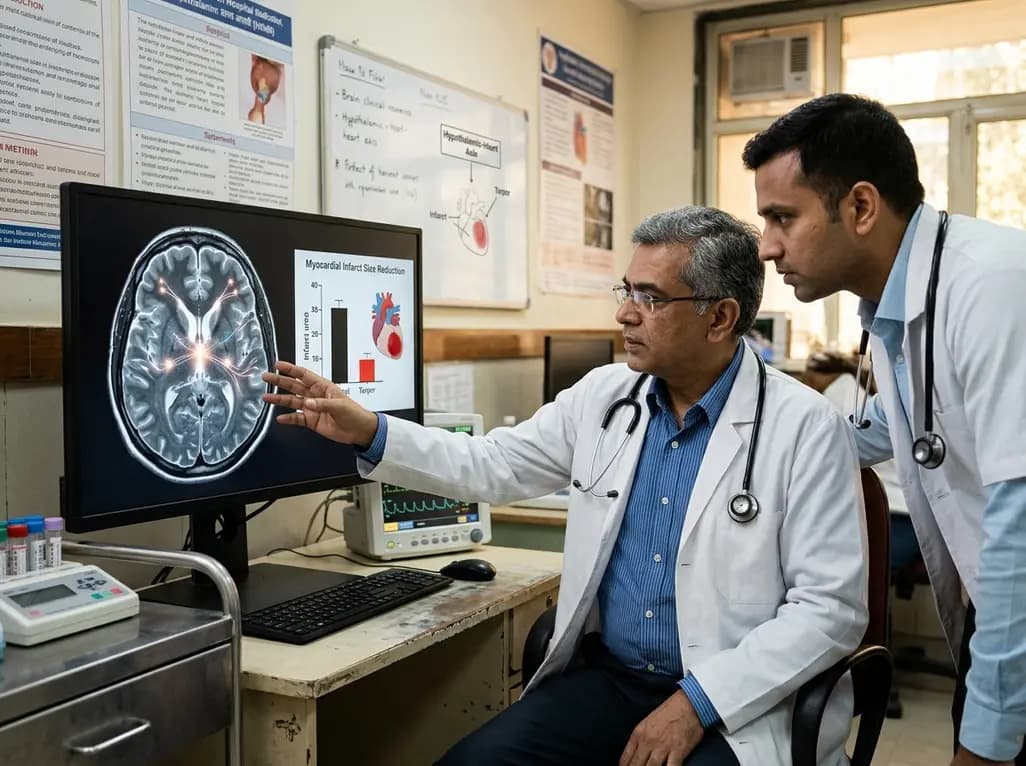
Researchers demonstrate that central induction of synthetic torpor in non-hibernating rats provides striking cardioprotection, reducing myocardial infarct size by ~40% during ischaemia-reperfusion injury through endogenous survival signaling, independent of hypothermia.
Today

A novel fluorine-functionalized near-infrared copper fluorescent probe selectively illuminates lung tissue, revealing critical links between hyperglycemia, ER stress, and pulmonary malignancy for improved early diagnosis.
Today
