

Loading, please wait...
Loading, please wait...

Aging populations worldwide experience progressive skeletal muscle deterioration, reduced physical functionality, and accelerated frailty. Consequently, healthcare providers increasingly require scalable, evidence-based digital health interventions to improve clinical outcomes. Recent advancements highlight how a targeted sarcopenia nutrition app can effectively bridge patient education gaps and encourage healthy dietary practices. Older adults often struggle with dietary protein adequacy, micronutrient deficiencies, and involuntary weight loss. Furthermore, clinical consultations frequently lack adequate time for continuous dietary coaching. Digital therapeutics and mobile health platforms offer an accessible pathway for home-based self-management. By providing tailored educational resources, mobile platforms empower seniors to take charge of their musculoskeletal health.
Sarcopenia represents a progressive and generalized skeletal muscle disease that leads to adverse outcomes. Specifically, affected individuals suffer increased risks of physical disability, recurrent falls, and hospitalization. In aging adults, involuntary muscle wasting frequently accelerates due to insufficient protein intake and anabolic resistance. Additionally, age-related anorexia and dental impairments severely restrict overall dietary diversity. Because skeletal muscle maintenance requires adequate high-quality dietary amino acids, nutritional education remains a cornerstone of preventive geriatric care. However, conventional nutrition counseling faces practical barriers, including limited outpatient consultation time and poor long-term dietary compliance. Consequently, many vulnerable seniors fail to meet daily leucine and vitamin D targets. To address these persistent challenges, clinicians must embrace remote educational models that actively reinforce dietary recommendations between clinic appointments.
To overcome technological barriers among older users, researchers developed the NutriA-Senior platform. This innovative sarcopenia nutrition app utilized the Moodle e-learning architecture to deliver structured, self-paced nutritional training. Specifically, the developers prioritized age-friendly interface design, high-contrast visual elements, and simplified navigation. The digital curriculum consists of 24 progressive instructional modules that combine interactive quizzes with practical nutritional recommendations. Furthermore, the application systematically addresses crucial topics such as protein distribution, micronutrient adequacy, food safety, and chronic disease prevention. Gamified feedback mechanisms actively maintain cognitive engagement without overwhelming frail users. Telemedicine support channels provide remote monitoring, thereby offering reassurance and technical troubleshooting during daily use. Thus, the program successfully translates complex clinical nutrition guidelines into digestible, actionable daily habits for elderly individuals.
Before initiating larger clinical trials, investigators conducted a four-week pilot feasibility trial in Italy. The study recruited 35 community-dwelling healthy older adults aged between 65 and 85 years through outpatient announcements. Following enrollment, participants installed the digital health tool on their mobile devices and completed self-instructional modules at home. Throughout the study period, healthcare personnel monitored user progress via remote telemedicine channels. To rigorously quantify user experience, researchers administered two validated evaluation instruments at trial completion. Specifically, participants completed the Italian version of the System Usability Scale alongside the user version of the Mobile Application Rating Scale. These validated tools systematically evaluated technical functionality, aesthetic layout, information quality, and perceived user satisfaction. Consequently, the trial design allowed comprehensive assessment of how effectively seniors navigate self-guided dietary software.
The pilot study demonstrated excellent feasibility and robust user acceptance among participating seniors. For example, the System Usability Scale yielded an impressive median total score of 80 out of 100. Because standard methodology considers any score above 68 acceptable, this result confirms superior perceived usability. Furthermore, more than half of the participants rated the software well above the acceptability threshold. In parallel, the Mobile Application Rating Scale demonstrated an outstanding overall median score of 4.08 out of 5. Notably, the technical functionality and informational quality domains both achieved top median scores of 4.5. Older adults regarded the educational material as highly credible, clear, and trustworthy. However, participants reported lower scores for customizability and frequency of continuous daily usage. Therefore, software developers plan targeted interface refinements before initiating randomized controlled clinical trials in patients with confirmed sarcopenia.
India currently faces an escalating geriatric healthcare burden, with sarcopenia affecting nearly twenty percent of community-dwelling older individuals. In addition, widespread vegetarianism and traditional carbohydrate-heavy diets frequently result in suboptimal daily protein intake among Indian seniors. Consequently, incorporating digital educational interventions like mobile nutrition applications holds immense therapeutic promise across urban and rural healthcare settings. Primary care physicians and clinical dietitians can recommend structured digital modules to reinforce dietary counseling provided during brief clinical visits. Moreover, localized digital health tools can deliver culturally relevant guidance regarding indigenous protein sources, including pulses, dairy, and sprouted legumes. Nevertheless, clinicians must address digital literacy divides and smartphone accessibility before widespread deployment. Ultimately, combining mobile nutritional coaching with resistance exercise regimens will substantially improve functional preservation and reduce physical dependence among aging Indian adults.
To maximize clinical efficacy, healthcare providers should adopt structured protocols when prescribing mobile nutrition tools to elderly patients. Initially, clinicians ought to screen older individuals for visual, motor, and cognitive limitations during outpatient consultations. Furthermore, engaging family caregivers or community health workers ensures seamless onboarding and troubleshooting for technologically hesitant seniors. Healthcare facilities can also establish brief digital orientation sessions within outpatient clinics to enhance patient confidence. Additionally, clinicians should synchronize app-based nutritional monitoring with routine clinical evaluations of muscle mass and physical performance. Because sustained engagement represents a common challenge in digital health, periodic follow-up calls or automated push reminders can substantially improve compliance. By actively integrating digital nutrition platforms into comprehensive geriatric management programs, healthcare teams can bridge chronic care gaps, optimize nutritional status, and foster lasting lifestyle modifications.
Nutritional education plays a vital therapeutic role because sarcopenia stems directly from inadequate protein consumption, anabolic resistance, and micronutrient deficits. Older adults often fail to recognize their increased daily protein requirements, consuming inadequate amounts to maintain skeletal muscle. Therefore, structured dietary guidance empowers seniors to identify leucine-rich protein sources, balance daily meals, and adhere to evidence-based nutritional recommendations. Consequently, sustained dietary improvements effectively preserve muscle mass, support physical independence, and prevent debilitating falls.
The System Usability Scale serves as a reliable, ten-item psychometric questionnaire that measures the overall usability of digital interventions. Participants rate various statements regarding interface complexity, technical integration, learnability, and personal confidence using a standard five-point Likert scale. A composite score exceeding 68 points indicates acceptable real-world usability. NutriA-Senior achieved a remarkable median score of 80. Consequently, researchers confirmed that older users found the mobile application intuitive, dependable, and manageable for home use.
Mobile health developers must address age-related sensory and physical changes to ensure sustained compliance among geriatric populations. Essential design features include large typography, clear visual hierarchy, uncluttered screens, and high contrast. Furthermore, simplified touch targets accommodate reduced fine motor dexterity. Additionally, self-instructional modular content, concise educational text, and instant gamified feedback maintain cognitive focus without causing confusion. Providing remote telemedicine troubleshooting further enhances psychological security, allowing older adults to navigate digital software with minimal technological frustration.
Disclaimer: This content is for informational and educational purposes only and should not be considered as medical advice or used as a substitute for professional healthcare guidance. Refer to the latest local and national guidelines for clinical practice.
References

Read summarized clinical updates, watch expert medical content, and earn CME certifications right from your smartphone.
Open your smartphone camera to scan and install.





NutriA-Senior is a theory-informed mobile application designed to improve nutritional education in older adults with sarcopenia. A pilot usability study demonstrated high system usability and technical credibility, highlighting the growing value of mHealth tools in geriatric nutritional self-management.
Today
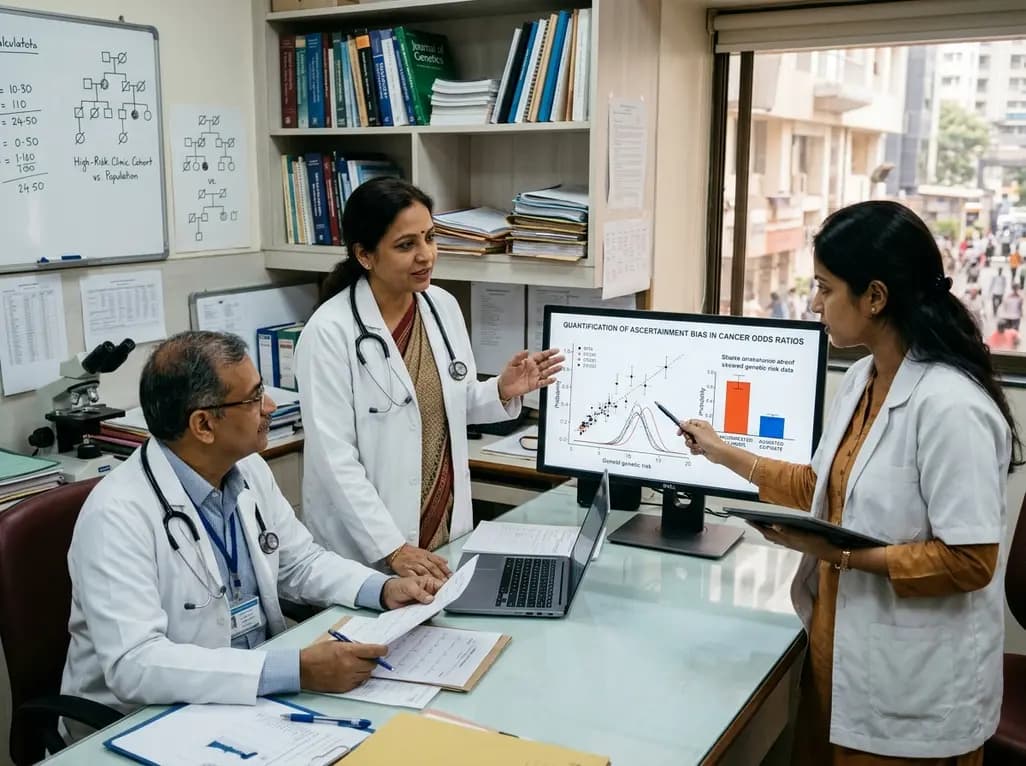
Ascertainment bias in cancer case-control studies inflates odds ratios and penetrance estimates when cases are drawn from high-risk clinics. A landmark modeling study demonstrates substantial bias ranging up to 23.72, highlighting the critical need for ascertainment adjustment in genetic risk counseling.
Today
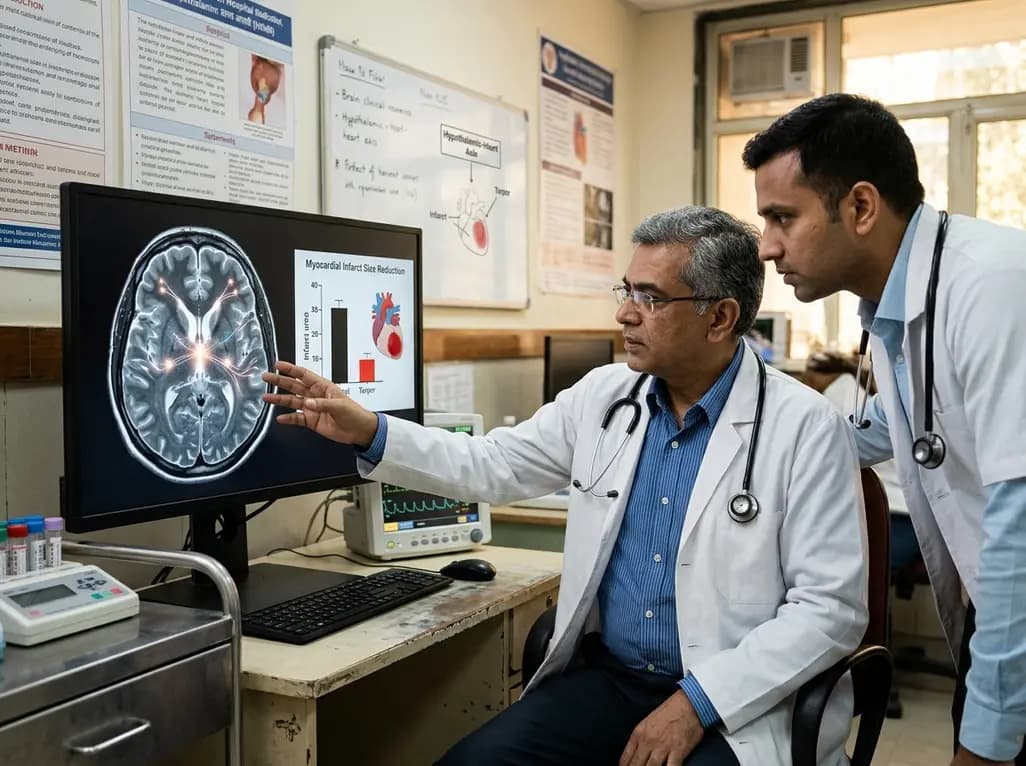
Researchers demonstrate that central induction of synthetic torpor in non-hibernating rats provides striking cardioprotection, reducing myocardial infarct size by ~40% during ischaemia-reperfusion injury through endogenous survival signaling, independent of hypothermia.
Today
A new study demonstrates how explainable AI guides transparent fall risk prediction models in older adults. By pairing random survival forests and SHAP with Cox regression, researchers achieved superior accuracy and eliminated unneeded variables, enhancing clinical decision-making and patient safety.
Today
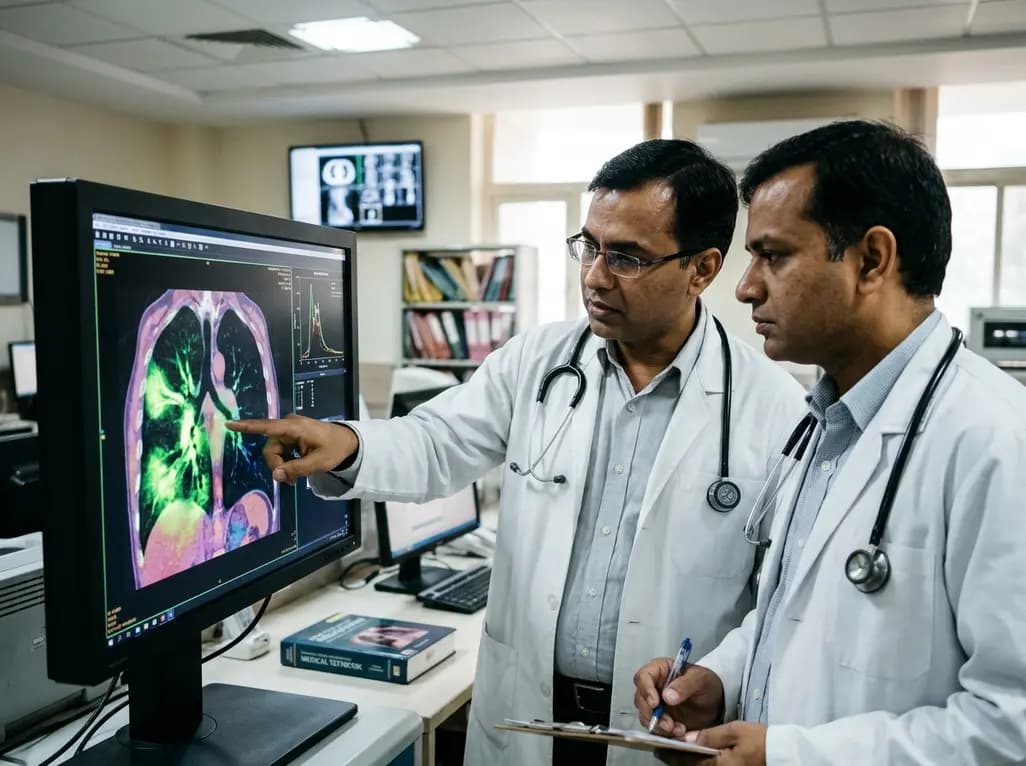
A novel fluorine-functionalized near-infrared copper fluorescent probe selectively illuminates lung tissue, revealing critical links between hyperglycemia, ER stress, and pulmonary malignancy for improved early diagnosis.
Today
