.webp&w=384&q=75)

Loading, please wait...
Loading, please wait...

The Central Ayurveda Research Institute (CARI) in Bengaluru recently achieved a significant milestone by receiving ISO 15189 Accreditation for its clinical laboratory. This prestigious recognition covers the departments of biochemistry and haematology. Consequently, patients can now expect diagnostic services that meet international quality standards. The Union Ayush Ministry confirmed that CARI is the first institute under the Central Council for Research in Ayurvedic Sciences (CCRAS) to reach this level. This achievement reflects a broader effort to modernize Ayush infrastructure across India. Furthermore, it ensures that laboratory results are safe, accurate, and globally accepted. Therefore, the integration of traditional medicine with high-end diagnostics has become a tangible reality for patients.
This ISO 15189 Accreditation marks a transition from a basic NABL-certified facility to a recognized center of excellence. Currently, the CARI laboratory holds accreditation for 50 distinct test parameters. These services include essential screenings such as blood glucose, HbA1c, and lipid profiles. Additionally, the lab provides detailed assessments of liver and kidney functions, electrolytes, and complete blood counts. Because of these advanced capabilities, clinicians can manage metabolic and hormonal conditions with higher precision. Union Ayush Minister Prataprao Jadhav emphasized that these reliable services are vital for effective treatment. He noted that such benchmarks improve health outcomes significantly for the public. The institute also uses digital reporting tools to provide faster turnaround times for all investigations.
The rise in laboratory investigations highlights the growing trust in the facility. For instance, the number of tests surged from approximately 2,770 in 2021 to over 1.55 lakh in 2026. Similarly, the annual OPD footfall has more than doubled during the same period. This growth demonstrates that more patients are seeking evidence-based Ayurvedic care. Secretary of the Ministry of Ayush, Vaidya Rajesh Kotecha, stated that this recognition is a landmark step for traditional systems. It reinforces the commitment to patient-centric care and scientific rigour. Meanwhile, research activities remain robust, with nearly 25 projects conducted annually. The institute has also expanded its inpatient services and 'Panchakarma' procedures. As a result, bed occupancy has reached nearly full capacity, indicating a high demand for comprehensive Ayush services.
Q1: What does the ISO 15189:2022 accreditation signify for CARI Bengaluru?
It signifies that the laboratory meets global quality standards for medical testing. This ensures that the biochemistry and haematology results are highly accurate and reliable for clinical use.
Q2: Which diagnostic tests are available at the CARI laboratory?
The laboratory offers a wide range of tests, including HbA1c, blood glucose, thyroid profiles, lipid profiles, and kidney function tests, covering over 50 parameters.
Q3: How can patients access their diagnostic reports from CARI?
Patients benefit from modern digital reporting tools. They can receive their diagnostic reports conveniently via SMS, email, and WhatsApp for faster access.
Disclaimer: This content is for informational and educational purposes only. It does not constitute medical advice or replace professional judgment. Refer to the latest local and national guidelines for clinical practice.
References

Read summarized clinical updates, watch expert medical content, and earn CME certifications right from your smartphone.
Open your smartphone camera to scan and install.





CARI Bengaluru has become the first CCRAS institute to receive ISO 15189:2022 accreditation for its biochemistry and haematology laboratory services....
6 months ago
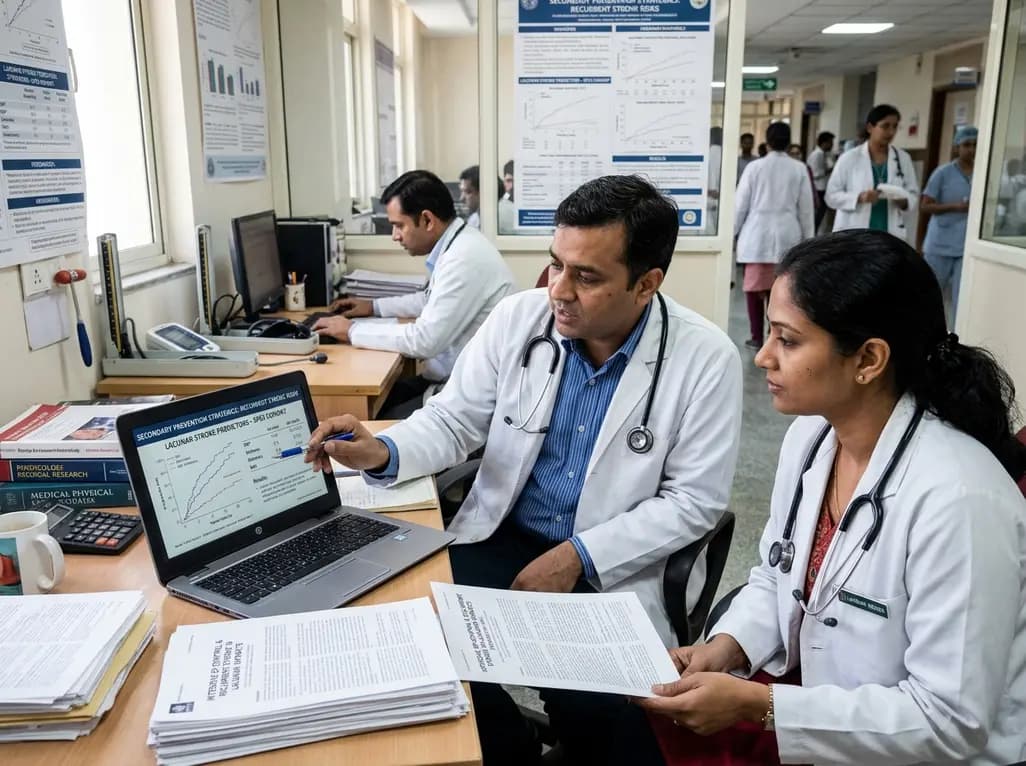
Explore vital recurrent stroke predictors in lacunar stroke patients managed with intensive blood pressure lowering. This analysis examines trial findings from SPS3 to uncover residual vascular risks, metabolic factors, and targeted secondary prevention strategies for high-risk neurological patients.
Today
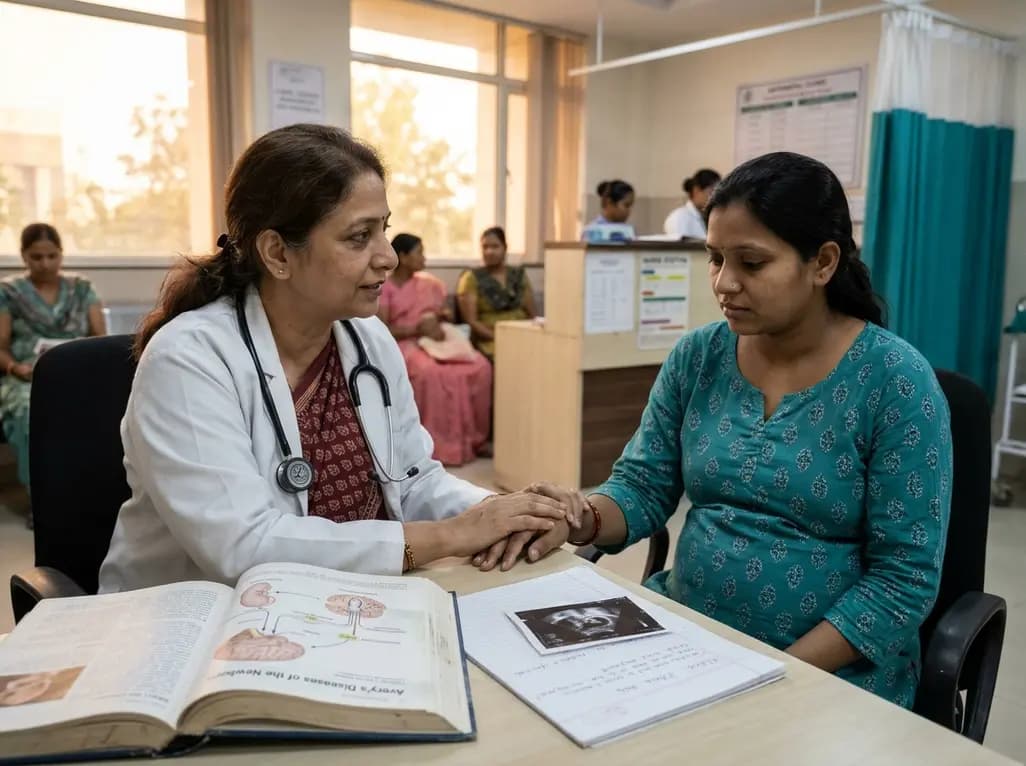
A comprehensive scoping review synthesises evidence linking prenatal maternal mental health to long-term offspring neurodevelopment, evaluating neuroendocrine, inflammatory, and epigenetic pathways while highlighting clinical screening and future research priorities.
Today

The Directorate General of Health Services directs Indian states to halt the hazardous reuse and reprocessing of single-use medical devices. Discover regulatory implications under the Drugs and Cosmetics Act, critical infection risks, legal liabilities, and operational changes required across clinical specialties.
Today
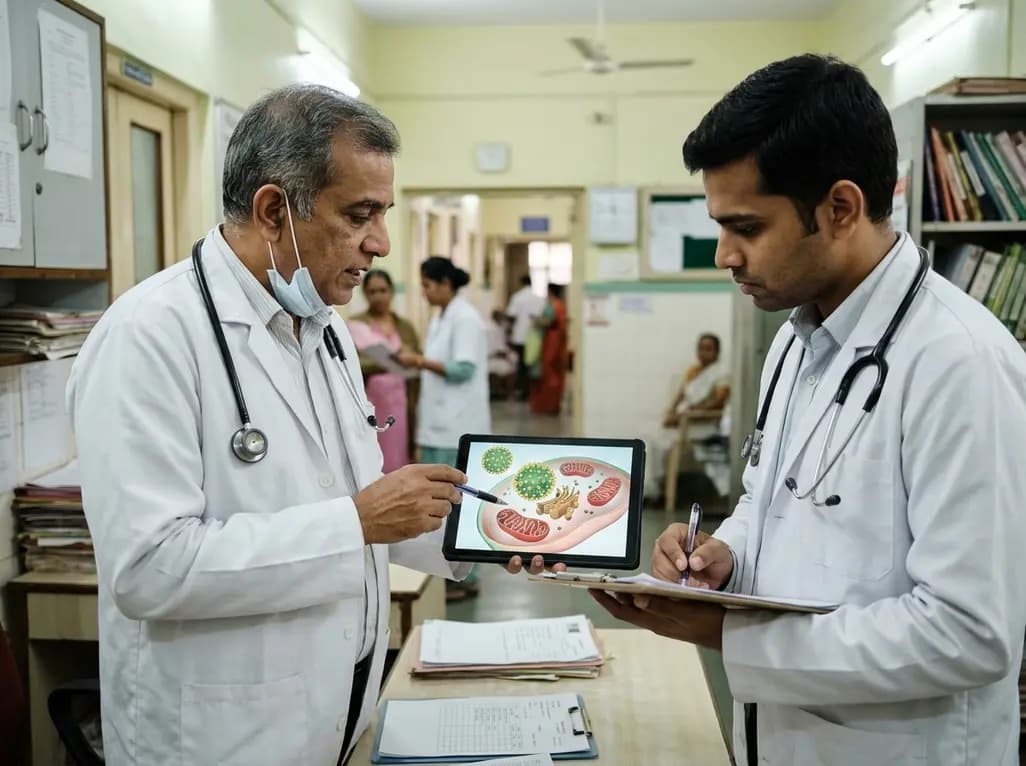
Mitochondria-targeted nanoparticles self-assembled from EGCG and L-glutamic acid effectively restore mitochondrial homeostasis, suppress synovial inflammation, and attenuate chondrocyte senescence in osteoarthritis, offering a promising disease-modifying nanotherapy.
Today

India is advancing preventive healthcare by integrating genomics, artificial intelligence, and quantum technologies. With the SANGAM programme sequencing one million Indian genomes, clinicians can unlock personalized therapies, detect cardiometabolic risks early, and curb the burden of diabetes and heart disease.
Today
