.webp&w=384&q=75)

Loading, please wait...
Loading, please wait...
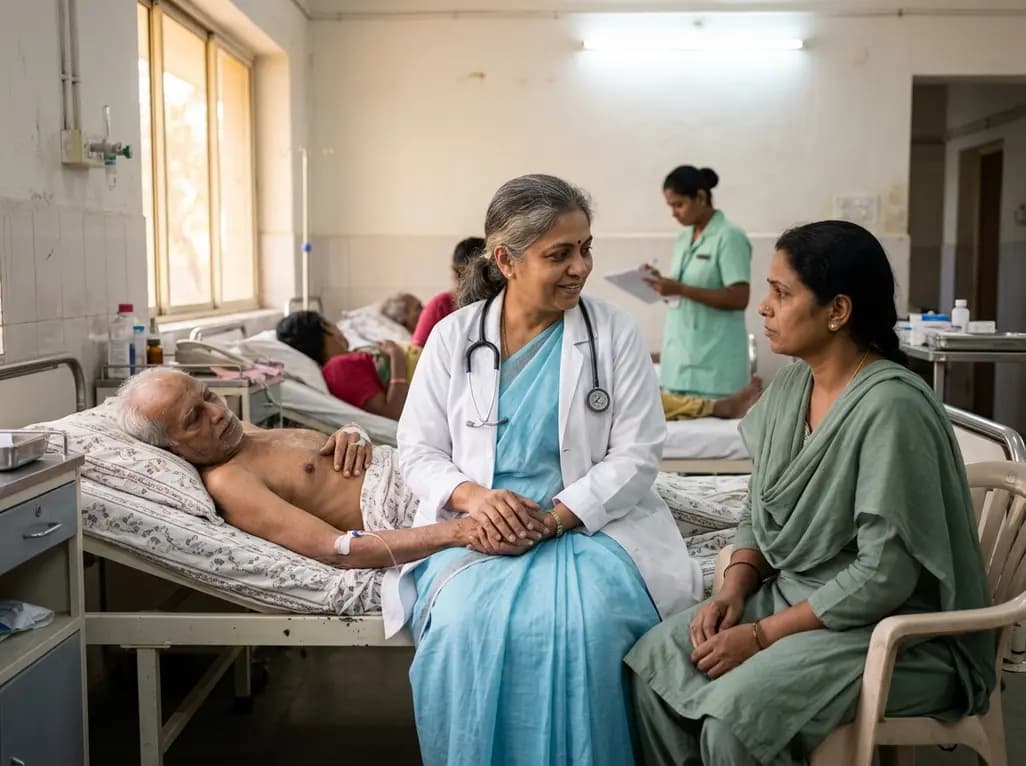
Managing nutritional intake in patients with advanced dementia represents one of the most challenging dilemmas in geriatric medicine. As cognitive and motor functions decline, dysphagia and reduced oral intake inevitably emerge. In many Asian healthcare settings, enteral tube feeding remains the reflexive default practice. However, clinical evidence increasingly demonstrates that careful hand feeding offers equivalent survival benefits without the physical burdens of invasive tubes. A qualitative study published in the Journal of the American Geriatrics Society explored the specific factors that empower Chinese family surrogates to choose assisted oral nourishment over artificial feeding. Understanding these enablers helps clinicians navigate complex end-of-life conversations with empathy and cultural sensitivity.
Advanced dementia is a progressive neurodegenerative condition characterized by profound loss of cognitive faculties and bodily independence. In late stages, bulbar dysfunction frequently leads to swallowing difficulties, pocketing of food, coughing, and significant weight loss. Consequently, family surrogates often experience severe distress when their loved ones stop eating. Many caregivers equate oral refusal with starvation, fearing that withholding artificial nutrition will cause premature death.
Historically, clinicians routinely placed nasogastric or percutaneous endoscopic gastrostomy tubes to solve this issue. In many healthcare systems across Asia, tube placement became deeply embedded in routine hospital protocols. Nevertheless, artificial enteral feeding does not alter the underlying trajectory of neurodegeneration. Instead, it frequently introduces distinct clinical hazards. Tubes can become blocked, dislodged, or inadvertently pulled out by confused patients. This issue often results in repeated emergency visits and the regrettable use of physical or chemical restraints. Therefore, shifting the clinical focus toward comfort-oriented nutritional care has become a fundamental priority in modern palliative geriatrics.
Major international clinical bodies, including the American Geriatrics Society and the European Society for Clinical Nutrition and Metabolism, advise against routine tube feeding in severe dementia. Systematic reviews demonstrate that enteral feeding tubes do not prolong survival, prevent aspiration pneumonia, improve functional capacity, or enhance quality of life. In contrast, careful hand feeding achieves comparable nutritional goals while preserving personal dignity and sensory pleasure.
Assisted hand feeding allows patients to experience familiar tastes, aromas, and tactile sensations during mealtimes. Moreover, the physical interaction creates meaningful human connection, reducing loneliness and agitation. Although hand feeding does not completely eliminate aspiration risk, clinical trials show that tube feeding carries a similar or higher risk of aspiration pneumonia due to reflux and colonization. Additionally, tube feeding denies patients the comfort of oral gratification and increases the likelihood of pressure injuries from prolonged immobilization. Consequently, leading palliative care experts emphasize that spoon-feeding represents the gold standard of care. Clinicians must actively educate families about these physiological realities to counter widespread misconceptions regarding starvation and enteral interventions.
The qualitative study conducted among Chinese family surrogates identified five distinct enablers that facilitated the decision to choose hand feeding over artificial tube feeding. First, surrogates prioritized the comfort, dignity, and overall quality of life of the patient above prolonged physical survival. Second, respecting the patient's previously expressed values, desires, and implicit preferences gave families the confidence to forgo invasive interventions.
Third, prior positive or negative healthcare experiences strongly guided surrogates. Families who had witnessed relatives suffer through tube feeding were much more determined to avoid it. Fourth, proactive endorsement from trusted physicians and cohesive family consensus provided vital emotional validation. Surrogates felt reassured when healthcare providers explicitly affirmed that choosing oral nourishment was both medically appropriate and compassionate. Fifth, the tangible availability of caregiver assistance served as a vital cornerstone. When nursing staff or domestic caregivers received adequate training and time to assist with meals, families embraced hand feeding with greater confidence. Together, these five factors helped surrogates overcome the pervasive cultural momentum toward invasive life-prolonging treatments.
A crucial finding from the research is the hierarchical relationship governing feeding decisions. Initially, personal values and patient preferences establish a family's philosophical inclination toward comfort care. Positive medical counseling and prior knowledge reinforce this inclination, fostering a supportive environment for palliative strategies. However, the study highlighted that practical feasibility remains the absolute prerequisite for implementing assisted hand feeding.
Even when families firmly believe in preserving oral comfort, they cannot sustain hand feeding without adequate logistical support. Assisting an individual with severe dementia during meals requires immense patience, specialized technique, and substantial time. If hospital wards or nursing homes lack sufficient staffing, caregivers feel forced to accept tube feeding simply to maintain basic caloric intake. Thus, practical feasibility acts as a decisive gateway that either enables or blocks value-concordant decisions. Healthcare systems cannot rely solely on ethical alignment; they must build structural infrastructure that makes patient-centered spoon-feeding genuinely manageable. Without operational support, high-minded palliative values cannot translate into daily bedside practice.
Clinicians play a decisive role in guiding surrogates through emotional feeding decisions. First, physicians should initiate advance care planning discussions early in the disease trajectory before acute crises occur. Discussing anticipated swallowing changes during routine outpatient visits normalizes the palliative transition. Second, healthcare teams must use empathetic language that explicitly decouples hand feeding from medical abandonment or neglect.
Furthermore, physicians should explain that terminal anorexia is a natural biological process rather than a treatable deficiency. Instead of asking families whether they want 'to feed or not,' clinicians should frame the choice between assisted comfort feeding and artificial machine feeding. Providing clear, non-judgmental guidance prevents surrogate guilt and counters societal pressures. In addition, involving multidisciplinary teams—including speech therapists, dietitians, and clinical nurses—ensures that families receive practical guidance on food texture modification, upright positioning, and pacing techniques. When doctors actively endorse comfort feeding, families gain the moral permission needed to reject invasive procedures.
To make assisted hand feeding the default standard in Asian hospital and community settings, health systems require systemic transformation. Hospitals must establish dedicated hand-feeding protocols that educate bedside nursing staff on gentle feeding methods, pacing, and managing oral refusal. Similarly, residential care facilities must adjust staffing ratios during meal hours to ensure staff can feed residents safely without rushing.
Moreover, health authorities should provide subsidized training programs for family caregivers and domestic helpers who deliver daily care. Teaching practical techniques—such as offering small boluses, utilizing flavor enhancers, and alternating liquid and solid foods—significantly reduces caregiver anxiety. Finally, institutional policies must remove perverse incentives that encourage tube feeding for administrative efficiency. By integrating structured palliative care training across geriatric and general medical wards, healthcare organizations can create an ecosystem where patient dignity consistently takes precedence over invasive interventions.
Clinical studies demonstrate that careful hand feeding achieves equivalent survival outcomes compared to enteral tube feeding in advanced dementia. Furthermore, tube feeding does not prevent aspiration pneumonia and may even increase aspiration risk due to gastric reflux. Hand feeding avoids the complications of tube blockages, infections, and physical restraints while preserving oral comfort and emotional connection between patients and caregivers.
Clinicians should organize a multidisciplinary family conference to facilitate shared decision-making. The healthcare team should focus the discussion on the patient's previously expressed values, clinical goals of comfort, and evidence-based outcomes of artificial feeding. Providing clear medical guidance, exploring underlying fears of starvation, and offering a time-limited trial of assisted hand feeding can help family members achieve consensus without prolonged conflict.
Caregivers can optimize feeding efficiency by offering small, frequent nutrient-dense meals rather than three large feedings. Modifying food textures with thickeners, ensuring an upright seated posture, and minimizing mealtime distractions significantly improve swallowing coordination. In addition, sharing feeding responsibilities among family members and utilizing trained community care aides prevents physical exhaustion while sustaining consistent, safe nutritional intake.
Disclaimer: This content is for informational and educational purposes only. It is not intended as medical advice, diagnosis, or treatment. Always consult a qualified healthcare professional regarding any medical condition or clinical decision. Refer to the latest local and national guidelines for clinical practice.
References

Read summarized clinical updates, watch expert medical content, and earn CME certifications right from your smartphone.
Open your smartphone camera to scan and install.





This article reviews the clinical enablers influencing Chinese family surrogates to choose careful hand feeding over tube feeding in advanced dementia, emphasizing quality of life, physician endorsement, and practical caregiver support.
last month
With post-monsoon dengue surges threatening South Asian health systems, physicians must refine triage and management. This guide covers vital warning signs, plasma leakage detection, crystalloid titration, and vector containment strategies to prevent mortality during seasonal arboviral epidemics.
Today
Findings from Project Viva indicate that sustained postpartum weight retention, rather than excessive gestational weight gain alone, directly worsens women's mid-life cardiovascular health, degrading blood pressure and glycemic parameters decades after delivery.
Today
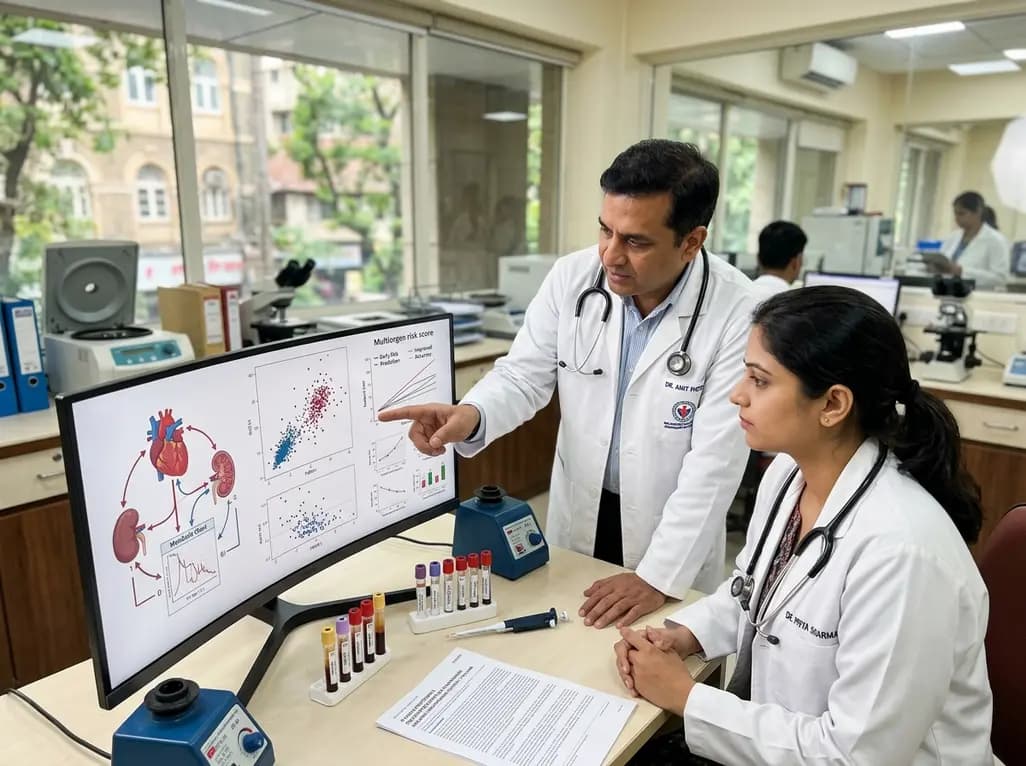
A large UK Biobank study reveals that plasma proteomic signatures capture preclinical organ damage and improve multiorgan risk prediction across early CKM syndrome stages 0 to 2 beyond traditional PREVENT clinical models.
Today
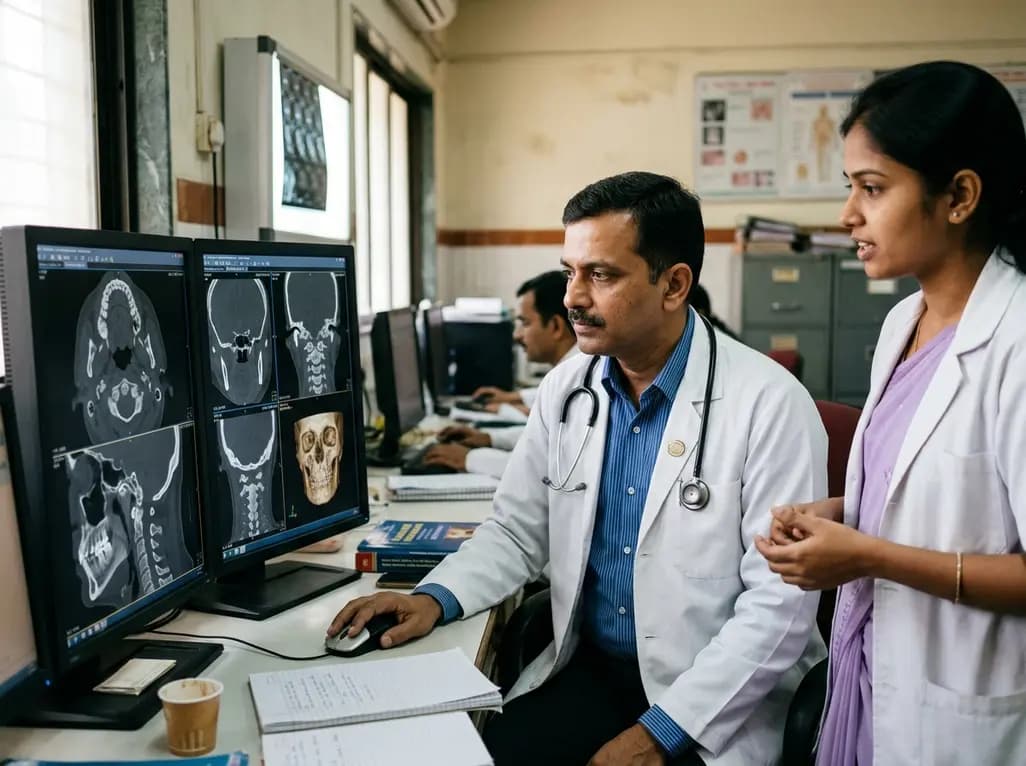
A retrospective CBCT study reveals that superior TMJ space asymmetry correlates moderately with occipital condyle-atlas-axis asymmetry in unilateral TMJ osteoarthritis, highlighting an imaging correlate between jaw biomechanics and upper cervical alignment rather than a standalone diagnostic marker.
Today

A Bayesian multilevel meta-analysis reveals that aerobic training combined with moderate carbohydrate restriction modestly lowers HbA1c in type 2 diabetes. However, sparse data and very low certainty leave incremental benefits over exercise or diet alone unproven, highlighting the need for individualized care.
Today
