.webp&w=384&q=75)

Loading, please wait...
Loading, please wait...
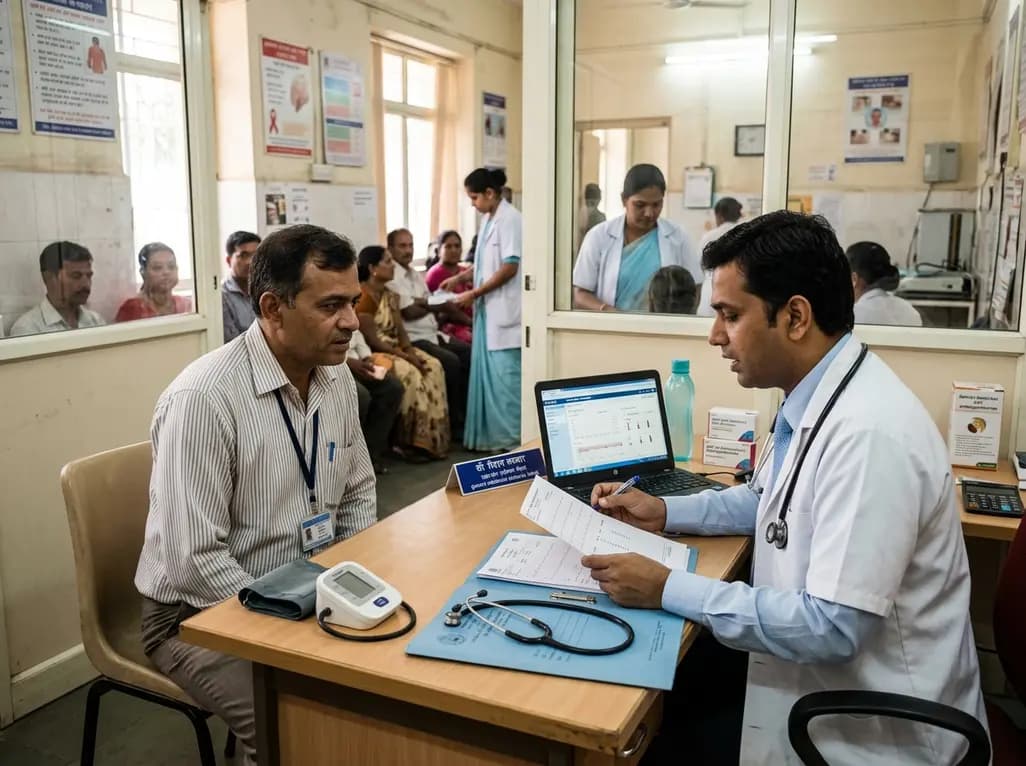
With significant advances in modern antiretroviral therapy, human immunodeficiency virus infection has successfully transitioned from a fatal condition to a manageable chronic illness. However, this longevity brings new challenges, particularly the emergence of cardiometabolic disorders. Today, cardiovascular disease prevention HIV care requires clinicians to look beyond viral suppression. People living with HIV face elevated risks of myocardial infarction, stroke, arterial hypertension, dyslipidemia, and metabolic syndrome. Consequently, clinical strategies must balance antiviral efficacy with comprehensive cardiometabolic surveillance and risk reduction.
The elevated cardiovascular vulnerability observed in individuals with HIV stems from complex pathophysiological interactions. Persistent immune activation and systemic chronic inflammation continue despite adequate viral suppression, accelerating endothelial dysfunction, vascular stiffness, and atherogenesis. Additionally, specific antiretroviral drug classes can contribute to dyslipidemia, insulin resistance, and central adiposity. Therefore, cardiovascular screening should begin immediately upon diagnosis and continue during routine follow-ups. Clinicians must actively calculate validated cardiovascular risk scores, track fasting lipid profiles, monitor blood pressure, and screen for early impaired glucose tolerance. Early identification allows timely lifestyle and pharmacological interventions.
Clinical counseling often emphasizes heart-healthy dietary patterns, but social determinants heavily influence a patient's capacity to follow these recommendations. Economic vulnerability and severe food insecurity represent formidable obstacles for many individuals living with chronic infections. Fresh fruits, vegetables, whole grains, and lean proteins are frequently unaffordable or inaccessible in socioeconomically marginalized neighborhoods. As a result, patients often rely on highly processed, sodium-dense, and energy-dense food alternatives. Healthcare providers should incorporate routine screening for nutritional vulnerability and connect patients with community resources, dietitians, and food assistance programs to ensure realistic dietary goals.
Engaging in regular aerobic physical activity significantly improves vascular endothelial function, lipid parameters, and mental well-being in people living with chronic viral infections. Nevertheless, structural and environmental barriers frequently prevent patients from achieving optimal exercise targets. Neighborhood safety concerns, inadequate public infrastructure, poorly lit streets, and a severe shortage of recreational facilities limit outdoor physical activities. Clinicians must recognize these structural realities when prescribing exercise. Instead of recommending generic workout routines, medical teams should suggest tailored, safe alternatives, such as home-based resistance training, structured indoor walking regimens, or community center classes.
Long-term adherence to cardiometabolic prevention strategies is heavily shaped by social networks, interpersonal relationships, and community norms. When family members or close peers consume ultra-processed diets or maintain sedentary habits, patients face substantial psychosocial friction when attempting independent lifestyle modifications. Furthermore, persistent HIV-related stigma can foster social isolation, thereby reducing motivation for proactive self-care. Clinicians should intentionally integrate family members, partners, or peer support groups into health counseling sessions. Engaging broader social networks helps establish supportive environments that reinforce sustained physical exercise, dietary improvements, and medical adherence.
Traditional HIV management models often concentrate exclusively on CD4 cell counts and viral load monitoring. However, contemporary healthcare models must adopt an integrated primary care framework that treats cardiometabolic risk with equal urgency. Multidisciplinary care teams involving physicians, nurse practitioners, clinical pharmacists, dietitians, and medical social workers can deliver unified interventions. Healthcare providers must optimize lipid-lowering therapies such as statins, prescribe antihypertensive regimens, provide structured smoking cessation counseling, and continually evaluate social determinants of health. This holistic model improves cardiovascular outcomes and advances long-term well-being.
Individuals with HIV experience persistent systemic inflammation, chronic immune activation, and premature vascular aging even when viral loads are undetectable. Additionally, certain antiretroviral medications induce metabolic abnormalities such as dyslipidemia and insulin resistance, which accelerate atherosclerotic plaque progression.
Clinicians should routinely administer validated food insecurity screening tools during clinical encounters. When barriers are identified, care teams should provide pragmatic, budget-conscious nutritional counseling and refer patients to institutional social workers, government assistance programs, and local community food initiatives.
Statins lower low-density lipoprotein cholesterol levels and significantly decrease systemic arterial inflammation. Clinical guidelines recommend assessing baseline cardiovascular risk and initiating statin therapy in indicated patients with HIV to prevent atherosclerotic events, carefully monitoring for drug interactions with antiretroviral agents.
Disclaimer: This content is for informational and educational purposes only. It is not intended as medical advice, diagnosis, or treatment. Always consult qualified healthcare providers with any questions regarding clinical conditions. Refer to the latest local and national guidelines for clinical practice.
References
1. Kwawuvi JE et al. Barriers and facilitators of cardiovascular disease prevention among people with HIV in the Southern United States: a photo-elicitation study. HIV Res Clin Pract. 2026 Dec 31. doi: 10.1080/25787489.2026.2722768. PMID: 42675010.
2. Feinstein MJ et al. Characteristics, Prevention, and Management of Cardiovascular Disease in People Living With HIV: A Scientific Statement From the American Heart Association. Circulation. 2019;140(2):e98-e124.
3. Grinspoon SK et al. Pitavastatin to Prevent Cardiovascular Events in HIV Infection. N Engl J Med. 2023;389(8):687-699.

Read summarized clinical updates, watch expert medical content, and earn CME certifications right from your smartphone.
Open your smartphone camera to scan and install.





As antiretroviral therapy transforms HIV into a manageable chronic condition, cardiometabolic risk has become a primary health determinant. Addressing socioeconomic barriers and integrating cardiovascular prevention into routine HIV care is essential for long-term health and equitable clinical outcomes.
4 weeks back

A nationwide multicenter study identified three COPD clinical phenotypes, finding that mild smoking males experience the highest rate of rapid lung function decline. A CatBoost model using six routine clinical and socioeconomic variables accurately stratifies high-risk patients for early therapeutic intervention.
Today
Discover the crucial distinctions between mesonephric and mesonephric-like proliferations of the female genital tract. Learn the key histomorphologic, immunohistochemical, and molecular differences essential for accurate diagnosis and clinical management.
Today

A large UK Biobank study reveals that plasma proteomic signatures capture preclinical organ damage and improve multiorgan risk prediction across early CKM syndrome stages 0 to 2 beyond traditional PREVENT clinical models.
Today

A retrospective CBCT study reveals that superior TMJ space asymmetry correlates moderately with occipital condyle-atlas-axis asymmetry in unilateral TMJ osteoarthritis, highlighting an imaging correlate between jaw biomechanics and upper cervical alignment rather than a standalone diagnostic marker.
Today

A Bayesian multilevel meta-analysis reveals that aerobic training combined with moderate carbohydrate restriction modestly lowers HbA1c in type 2 diabetes. However, sparse data and very low certainty leave incremental benefits over exercise or diet alone unproven, highlighting the need for individualized care.
Today
