.webp&w=384&q=75)

Loading, please wait...
Loading, please wait...

Recent clinical advancements suggest that CAR T-cell therapy autoimmune treatments are transitioning from oncology to rheumatology. Originally a breakthrough for blood cancers, chimeric antigen receptor (CAR) T-cell therapy now offers a potential "immune reset" for patients with refractory autoimmune conditions. Specifically, these therapies target B cells that produce pathogenic autoantibodies. While traditional immunosuppressants often yield suboptimal results, this innovative approach aims for deeper, more durable clinical outcomes.
The core mechanism involves the total depletion of B-cell populations. In many chronic conditions, standard therapies fail because they do not achieve complete B-cell clearance in tissues. However, CAR T-cells effectively migrate into these areas and eliminate the source of inflammation. Consequently, patients often experience rapid clinical and serological remission. Furthermore, translational research highlights that both autologous and allogeneic platforms show remarkable efficacy in achieving a drug-free state. Notably, recent trials in systemic lupus erythematosus (SLE) and systemic sclerosis (SSc) have demonstrated sustained B-cell depletion without significant toxicity.
Identifying the ideal target antigens remains a primary focus for future developments. Although CD19 remains the most common target, researchers are exploring dual-targeted CARs to prevent antigen escape. Additionally, improving manufacturing processes will be essential to make these therapies accessible to more patients. Therefore, the upcoming years will likely see a significant expansion in clinical applications across various B cell-mediated disorders. This shift marks a new era in precision medicine for autoimmune diseases.
CAR T-cells are engineered to target and destroy B cells throughout the body, including those in tissues and bone marrow. After the pathogenic B cells are cleared, the body regenerates a new, "naive" B-cell population that is no longer programmed to attack the body’s own tissues, effectively resetting the immune system.
While the safety profile in autoimmune trials has been encouraging, potential risks include cytokine release syndrome (CRS) and immune effector cell-associated neurotoxicity syndrome (ICANS). However, these events are typically less severe in autoimmune patients compared to oncology patients due to the lower total burden of target cells.
Disclaimer: This content is for informational and educational purposes only. It does not constitute medical advice or a professional relationship. Refer to the latest local and national guidelines for clinical practice.
References
Fang X et al. Beyond malignancies: Clinical advancements of CAR T-cell in the treatment of autoimmune diseases. Intractable Rare Dis Res. 2026 May 31. doi: 10.5582/irdr.2025.01057. PMID: 42221047.
Müller F, et al. CAR T cells in autoimmune diseases. Nat Rev Rheumatol. 2024;20(5):294-308.
Schett G, et al. CAR T-cell therapy of systemic lupus erythematosus. Lancet. 2023;401(10372):172-174.

Read summarized clinical updates, watch expert medical content, and earn CME certifications right from your smartphone.
Open your smartphone camera to scan and install.





CAR T-cell therapy is showing remarkable efficacy in autoimmune diseases, achieving B-cell depletion and clinical remission in refractory SLE and SSc cases....
4 months ago

A landmark 12-year longitudinal study highlights significant reductions in opioid prescribing for nonspecific low back pain following clinical guidelines and prescription monitoring systems, emphasizing non-opioid multimodal pain care.
Today

A study in Ultrasound in Obstetrics & Gynecology shows that quantitative vascularization of the anterior fornix/cervix with transvaginal ultrasound reliably identifies placenta accreta spectrum and predicts severe intraoperative hemorrhage, offering vital objective risk stratification.
Today
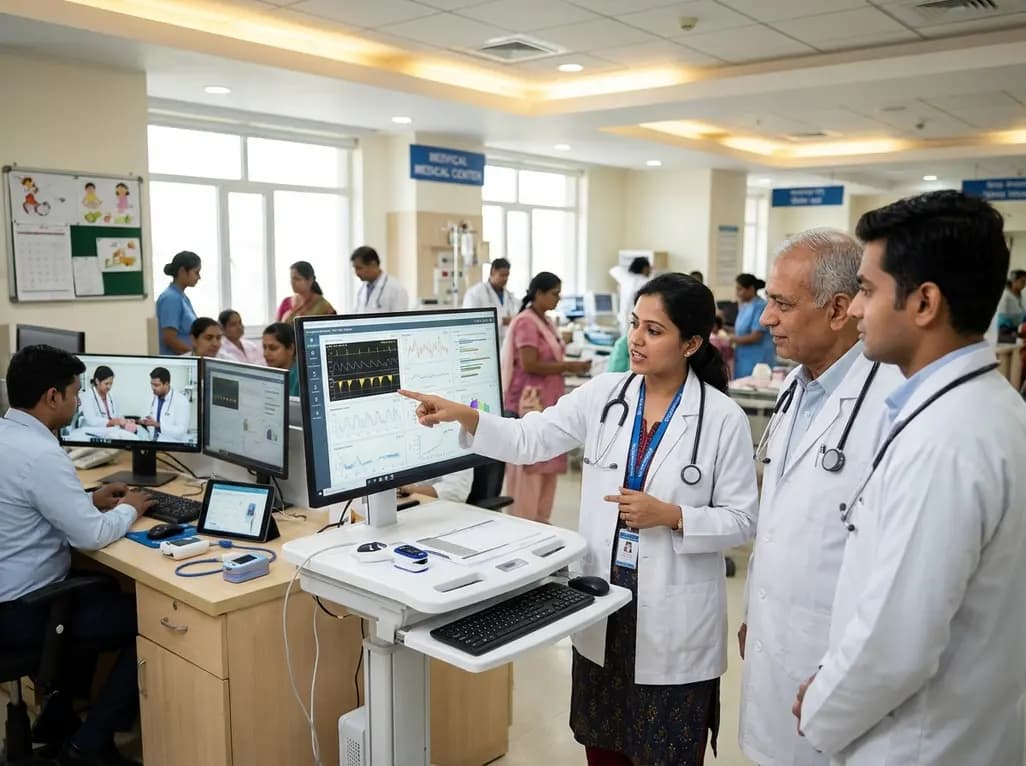
A landmark study details how an enterprise pediatric remote patient management model expanded from a single cardiology pilot to 16 diverse specialty programs by combining centralized digital operations with specialty clinical leadership.
Yesterday
A breakthrough study shows that 3D-planned corrective osteotomy successfully resolves distal radioulnar joint instability in pediatric diaphyseal forearm malunions. The precise osseous realignment eliminates chronic wrist pain and restores joint function without requiring secondary soft-tissue reconstruction.
Today
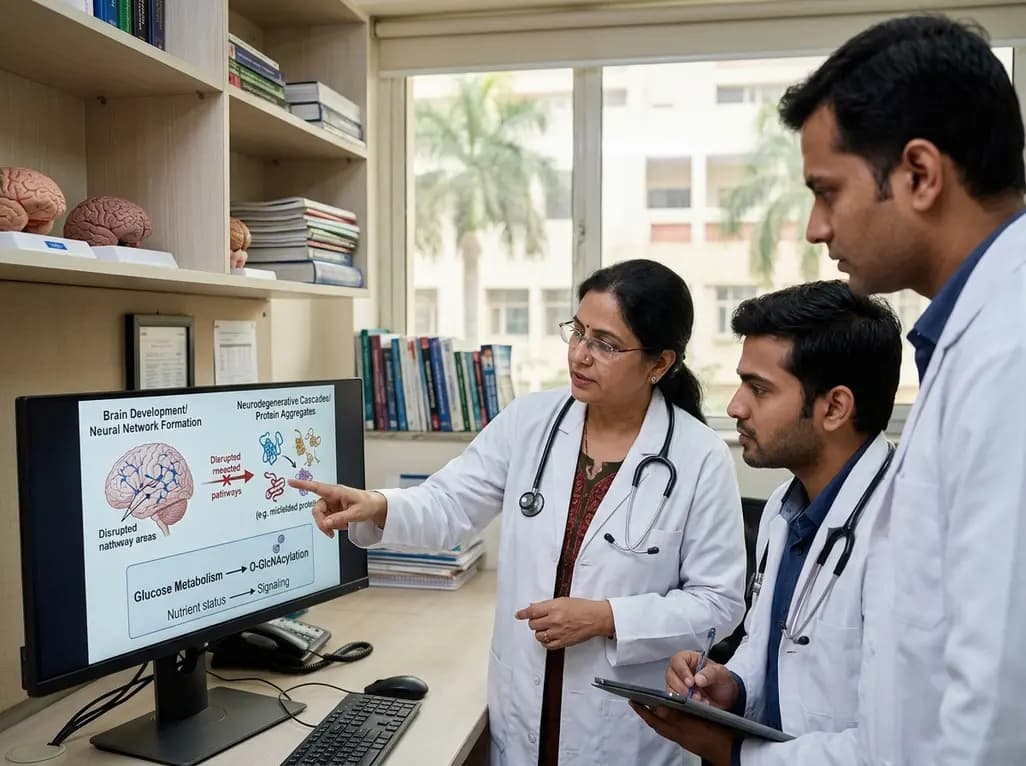
Protein O-GlcNAcylation couples cellular nutrient status to vital neuronal functions. This review explores how disrupted O-GlcNAc cycling drives both neurodevelopmental delays and neurodegenerative cascades, positioning metabolic post-translational modifications as therapeutic targets in clinical neurology.
Today
