

Loading, please wait...
Loading, please wait...

Chronic neuroinflammation represents a hallmark pathological driver of progressive neurodegenerative disorders, including Alzheimer's disease. Within the central nervous system, microglia serve as the primary immunocompetent resident cells that orchestrate inflammatory signaling cascades. Consequently, sustained microglial activation releases harmful pro-inflammatory cytokines, stimulates oxidative stress, and accelerates neuronal apoptosis. Recent experimental investigations highlight how capsaicin microglial inflammation modulation operates via unexpected cellular mechanisms. Capsaicin, the active vanilloid compound found in chili peppers, has traditionally served as a classic agonist of transient receptor potential vanilloid 1 (TRPV1). Clinicians and pharmacologists widely recognize TRPV1 as an ion channel involved in nociception and thermal sensation. However, modern neurobiological research reveals that TRPV1 also plays vital roles within cerebral immune cells. Specifically, microglia express functional TRPV1 receptors that modulate phenotypic shifts during pathological insults. Therefore, uncovering the precise molecular interactions triggered by capsaicin provides crucial insights into therapeutic development. While classic paradigms attribute capsaicin's actions strictly to calcium entry, novel evidence illustrates an alternative non-canonical mechanism.
Microglia continuously survey the cerebral microenvironment to maintain neural tissue homeostasis. When exposed to pathological triggers, such as lipopolysaccharide or misfolded amyloid peptides, microglia shift toward an aggressive pro-inflammatory phenotype. As a result, these cells undergo marked soma enlargement, increase microgliosis, and release neurotoxic mediators including interleukin-1 beta and tumor necrosis factor-alpha. Furthermore, persistent inflammatory signaling damages neighboring synaptic structures and triggers apoptotic cascades in vulnerable neurons. In this pathological context, controlling capsaicin microglial inflammation represents a promising protective strategy. Scientists used acute neuroinflammatory models induced by endotoxins to evaluate how vanilloid receptor agonism alters microglial reactivity. The findings revealed that administration of capsaicin significantly suppressed pro-inflammatory cytokine production across treated tissues. Additionally, capsaicin therapy prevented pathological microglial swelling and attenuated secondary neuronal cell loss. Thus, activating microglial TRPV1 clearly promotes an anti-inflammatory, neuroprotective cellular environment. However, conventional pharmacological paradigms assumed that ion channel opening accounted entirely for these protective outcomes.
For decades, neuroscientists viewed TRPV1 predominantly as a ligand-gated calcium channel embedded within plasma membranes. According to classical receptor theory, agonist binding facilitates substantial calcium ion influx across the lipid bilayer. Consequently, this elevated intracellular calcium concentration triggers downstream second messenger cascades and cellular depolarization. However, prolonged calcium influx can also provoke mitochondrial stress, metabolic exhaustion, and cytotoxicity in sensitive neural tissues. To isolate the direct role of channel gating, investigators applied capsazepine, a well-established competitive antagonist that blocks TRPV1 channel conduction. Surprisingly, pharmacological blockade of TRPV1 ion gating did not eliminate the anti-inflammatory efficacy of capsaicin. Specifically, microglia treated with both capsaicin and capsazepine continued to exhibit suppressed cytokine production and diminished somatic hypertrophy. Therefore, these remarkable observations strongly indicate that capsaicin exerts immunosuppressive actions independently of canonical calcium permeation. Instead of merely functioning as an ion channel, TRPV1 appears to operate as an interoceptive scaffolding platform. Consequently, this pivotal finding prompted researchers to explore underlying protein-protein interaction networks.
To define the exact molecular partners involved, researchers utilized proximity labeling-based proteomics and bioluminescent resonance energy transfer assays. Through systematic screening of candidate prey proteins, they discovered signal sequence receptor subunit 4 (SSR4) as a key binding partner. Specifically, SSR4 represents an integral subunit of the translocon-associated protein complex located within the endoplasmic reticulum. NanoLuc Binary Technology further confirmed that capsaicin directly stimulates a rapid physical association between TRPV1 and SSR4. Moreover, genetic knockdown experiments confirmed the essential requirement of SSR4 in this neuroprotective pathway. When researchers silenced SSR4 in microglia, capsaicin lost its ability to restrain endotoxin-induced inflammation. Conversely, creating a forced interaction between TRPV1 and SSR4 successfully mimicked the protective effects of capsaicin without requiring exogenous ligand stimulation. In addition, domain mapping demonstrated that the transmembrane core of TRPV1 directly orchestrates SSR4 recruitment. Hence, SSR4 emerges as an indispensable downstream transducer that mediates vanilloid-induced microglial quiescence during neuroinflammatory stress.
Understanding the structural basis of the TRPV1-SSR4 interaction illuminates how membrane-bound sensors communicate with internal organelles. Biochemical colocalization analyses demonstrated that capsaicin drives TRPV1 toward contiguous endoplasmic reticulum membrane contact sites within microglial cytoplasm. Furthermore, bioluminescent resonance energy transfer mapping revealed that specific residues within the transmembrane domain of TRPV1 directly anchor the interfaces of SSR4. Consequently, this conformational realignment alters intracellular protein trafficking and modulates stress response pathways in active microglia. Notably, the recruitment of SSR4 attenuates endoplasmic reticulum stress, which frequently exacerbates pro-inflammatory cytokine expression during neurodegenerative cascades. In addition, this physical coupling suppresses nuclear factor-kappa B activation and halts destructive mitophagy cycles in stressed cells. Because this pathway functions independently of ion pore conductance, targeted agonists can engage the complex without triggering deleterious calcium spikes. Thus, structural biology clarifies how small molecules reshape macromolecular receptor assemblies to deliver targeted anti-inflammatory signaling.
These innovative findings offer substantial clinical implications for neurology and translational medicine. Neurodegenerative disorders such as Alzheimer's disease, amyotrophic lateral sclerosis, and vascular dementia currently lack disease-modifying therapies that successfully quell chronic neuroinflammation. Although earlier clinical trials evaluated TRPV1 modulators for chronic pain, channel-blocking agents often caused adverse effects like thermoregulatory disruption and severe hyperthermia. Therefore, the identification of a non-channel mechanism provides an attractive therapeutic avenue for drug developers. Medicinal chemists can now design biased agonists or small molecules that selectively promote TRPV1-SSR4 binding without opening the ion pore. Consequently, such compounds could suppress harmful microglial activation while avoiding the toxicities linked to sustained calcium influx. Furthermore, natural vanilloid compounds and synthetic analogs offer accessible foundations for preclinical drug optimization. As research progresses, targeting microglial protein-protein complexes may emerge as an essential strategy for preserving cognitive function and slowing neurodegenerative decline across aging patient populations.
Capsaicin binds directly to the TRPV1 receptor, inducing a conformational change that promotes physical interaction with signal sequence receptor subunit 4 (SSR4). Although TRPV1 typically functions as an open ion channel, pharmacological studies prove that blocking channel gating does not prevent capsaicin from reducing inflammation. Instead, the physical recruitment of SSR4 through the transmembrane domain inhibits inflammatory signaling pathways, thereby suppressing microglial cytokine production without requiring intracellular calcium ion influx.
SSR4 is a core subunit of the translocon-associated protein complex located in the endoplasmic reticulum membrane. When microglia encounter inflammatory stimuli, cellular stress triggers the release of neurotoxic cytokines. Recruitment of SSR4 by activated TRPV1 suppresses these pro-inflammatory pathways and maintains cellular homeostasis. Furthermore, experimental knockdown of SSR4 completely abolishes the anti-inflammatory efficacy of capsaicin, demonstrating that SSR4 is a mandatory downstream mediator of microglial neuroprotection.
While dietary capsaicin exhibits biological activity, nutritional consumption cannot reliably achieve the therapeutic concentrations required in the brain to treat neurodegeneration. Ingested capsaicin undergoes rapid systemic metabolism, which limits its central bioavailability and blood-brain barrier penetration. Moreover, excessive dietary intake causes gastrointestinal distress. Consequently, clinicians rely on targeted pharmaceutical formulations and biased TRPV1 agonists currently under development to safely harness these neuroprotective benefits in clinical settings.
Disclaimer: This content is for informational and educational purposes only... Refer to the latest local and national guidelines for clinical practice.
References
Hou Y et al. Capsaicin suppresses microglial inflammation through TRPV1-SSR4 interaction. Transl Neurodegener. 2026 Oct 21. doi: undefined. PMID: 42902421.
Wang S, Zhao Z, Xie Y, et al. Transient receptor potential vanilloid 1 in neurodegenerative diseases: mechanisms and therapeutic potentials. J Neuroinflammation. 2024;21(1):112.
Marrone MC, Morabito A, Giustizieri M, et al. TRPV1 channels are critical brain inflammation detectors and neuropathic pain biomarkers in mice. Nat Commun. 2017;8:15292.

Read summarized clinical updates, watch expert medical content, and earn CME certifications right from your smartphone.
Open your smartphone camera to scan and install.





A recent breakthrough reveals that capsaicin mitigates microglial inflammation through a novel TRPV1-SSR4 protein-protein interaction independent of classic calcium influx. This discovery highlights fresh therapeutic avenues for managing neurodegenerative diseases like Alzheimer's.
Today
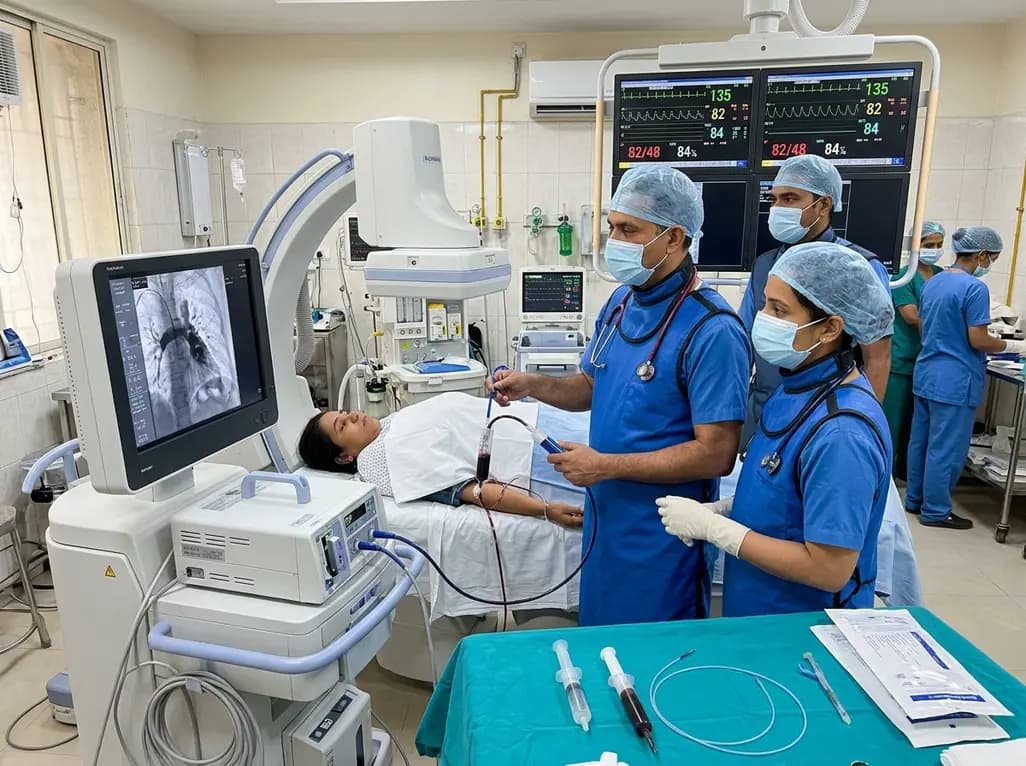
In high-risk pulmonary embolism complicated by severe anemia and active uterine bleeding, systemic thrombolysis is contraindicated. Large-bore aspiration thrombectomy provides rapid hemodynamic rescue without fibrinolysis, supported by inferior vena cava filter placement and multidisciplinary critical care.
Today

A cross-sectional study in Zanzibar reveals that 46.5% of adults with type 2 diabetes experience multidomain autonomic dysfunction on the COMPASS-31 tool, primarily orthostatic intolerance, while 45.9% exhibit cardiovascular autonomic neuropathy, highlighting the urgent need for structured clinical screening.
Today
This comparative study evaluates posterior labral tears with and without glenohumeral instability, highlighting distinct demographic patterns, MRI underestimation in stable shoulders, and successful arthroscopic repair outcomes.
Today
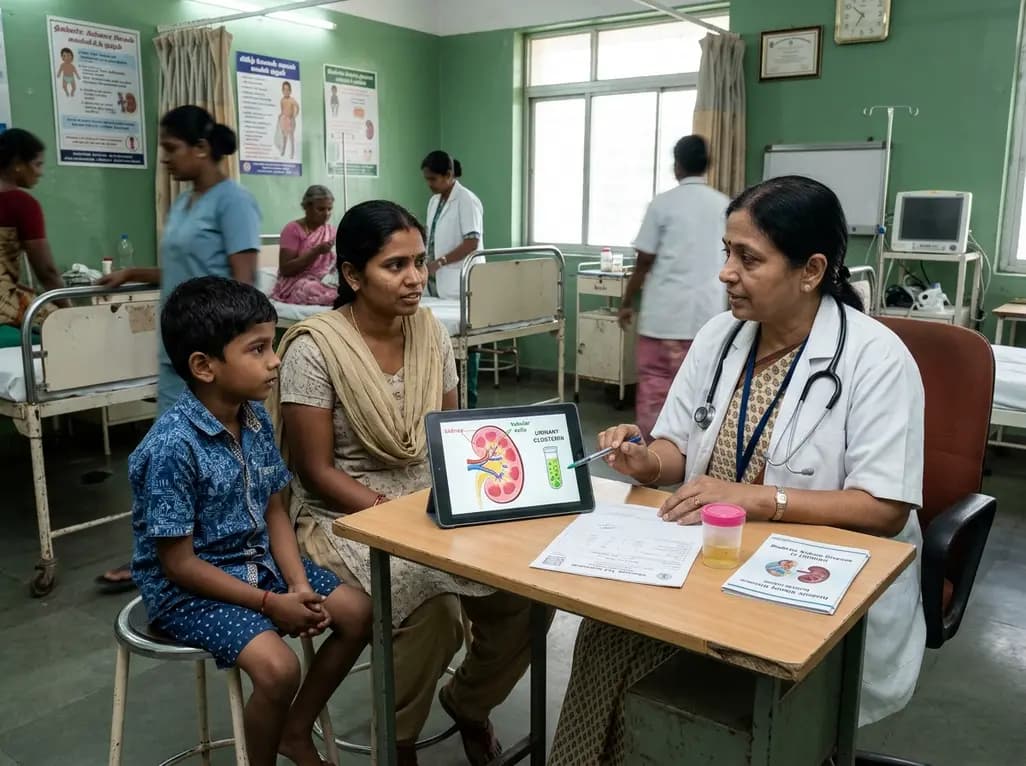
A recent case-control study reveals that urinary clusterin provides superior diagnostic performance for early diabetic kidney disease detection in pediatric type 1 diabetes mellitus, identifying tubular damage before conventional microalbuminuria occurs.
Today
