.webp&w=384&q=75)

Loading, please wait...
Loading, please wait...

Emerging digital health trends show that expectant mothers frequently turn to online discussion forums to navigate perinatal health questions. Understanding public sentiment regarding cannabis use during pregnancy has become essential for modern obstetric and primary care clinicians. Although social acceptance of cannabinoids continues to expand globally, significant informational ambiguities persist among patients regarding fetal safety, metabolic clearance, and legal ramifications.
Recent research investigating social media discourse evaluated user interactions spanning over a decade on the Q&A platform Quora. Investigators analyzed thousands of cannabis-related queries to identify specific conversational threads involving reproductive health. Consequently, the researchers discovered that discussions naturally divided into two principal chronological phases: pre-pregnancy consumption and active gestational exposure. Within these phases, seven distinct subthemes emerged, illustrating diverse patient concerns ranging from physiological safety and biological clearance to legal repercussions and pre-gestational exposure history. Interestingly, while general recreational cannabis consumption often received neutral or permissive reactions, inquiries regarding maternal exposure during gestation elicited predominantly negative public sentiment. This finding demonstrates a widespread, intuitive community apprehension surrounding fetal substance exposure. However, the study also revealed that despite this general caution, widespread misinformation persists regarding specific pharmacokinetic and physiological mechanisms.
Among the analyzed discussions, the safety of cannabinoid exposure represented more than half of all examined responses. Many users inquired whether occasional consumption, vaporization, or edible forms offered safe alternatives to traditional smoking. Furthermore, questions regarding the removal of cannabinoids from the biological system generated the highest overall user engagement. Patients frequently sought advice on accelerating drug clearance to avoid detection during routine antenatal laboratory evaluations. Legal consequences also comprised a substantial proportion of user inquiries, reflecting maternal anxiety over punitive measures, child welfare reporting, and institutional policies. A smaller fraction of questions addressed specific clinical rationales for use, such as alleviating first-trimester nausea, hyperemesis gravidarum, anxiety, or chronic sleep disturbances. Therefore, these findings highlight that many women seek unverified social advice specifically when attempting to manage troublesome pregnancy-related symptoms.
A critical revelation from the content analysis is the overwhelming predominance of noncredentialed contributors in digital discussions. Nonexpert observers authored nearly four-fifths of all analyzed responses, offering anecdotal recommendations without formal medical training. In contrast, verified healthcare professionals and medical researchers contributed barely one-tenth of the analyzed guidance. Individuals with personal histories of gestational cannabis use and commercial cannabis industry representatives accounted for the remaining viewpoints. Consequently, pregnant women engaging with digital forums encounter an environment saturated with peer opinions rather than structured, evidence-based clinical counseling. This dynamic creates substantial vulnerability to pseudoscientific detox protocols, unproven dosing suggestions, and false reassurance regarding topical or edible cannabinoid formulations. Thus, clinicians must recognize that patients often arrive at antenatal appointments having already absorbed inaccurate digital guidance.
Contemporary clinical consensus from leading obstetric bodies firmly establishes that no safe threshold exists for cannabis consumption during gestation or lactation. Active cannabinoids, particularly delta-9-tetrahydrocannabinol (THC), readily cross the placental barrier and bind to fetal cannabinoid type 1 receptors present from early embryonic development. As a result, prenatal exposure disrupts endogenous endocannabinoid signaling, potentially impairing normal placental vascularization and fetal neurodevelopment. Epidemiological investigations consistently associate gestational cannabis exposure with elevated risks of fetal growth restriction, low birth weight, and spontaneous preterm birth. Furthermore, exposed neonates demonstrate higher rates of neonatal intensive care unit admissions and altered behavioral regulation. Longitudinal pediatric cohorts also suggest lasting neurocognitive vulnerabilities, including deficits in executive functioning, attention, impulse control, and academic achievement during childhood. Because synthetic or concentrated formulations possess higher potency, these physiological hazards remain significant across all delivery methods.
To counteract online misinformation, healthcare providers must adopt proactive, nonjudgmental screening and communication strategies during preconception and antenatal visits. Clinicians should routinely ask open-ended questions about all forms of cannabinoid consumption, including edibles, oils, and topical preparations. In addition, obstetric teams must validate the patient’s underlying symptoms, such as morning sickness or mood dysregulation, while offering approved, evidence-based pharmacotherapeutic alternatives. Educating patients on the lipid-soluble nature of cannabinoids clarifies why rapid clearance strategies are scientifically ineffective and potentially hazardous. Moreover, providers should actively bridge digital information gaps by directing expectant families toward reputable institutional resources. By fostering an open, compassionate clinical environment, physicians empower pregnant individuals to disclose substance use honestly and adhere to evidence-based cessation pathways.
Many pregnant individuals seek guidance on social media platforms due to perceived anonymity, fear of social stigma, or anxiety regarding legal reporting. They frequently search for peer experiences to alleviate pregnancy-related symptoms like nausea, insomnia, or severe anxiety, especially when they hesitate to disclose substance use to their healthcare providers.
Gestational cannabis exposure significantly increases the risk of intrauterine growth restriction, low birth weight, spontaneous preterm delivery, and neonatal intensive care admission. Furthermore, transplacental transfer of THC can disrupt fetal neurodevelopment, potentially resulting in long-term neurocognitive challenges, attention deficits, and executive functioning impairments throughout childhood and adolescence.
No, edible, vaporized, or concentrated cannabis products are not safe during pregnancy. Regardless of the route of administration, active compounds such as THC cross the placenta into fetal circulation. In fact, edible formulations often deliver unpredictable, highly concentrated cannabinoid doses, posing comparable or even heightened neurodevelopmental risks to the fetus.
Disclaimer: This content is for informational and educational purposes only and is not intended as medical advice. Always consult relevant clinical guidelines and exercise independent professional judgment. Refer to the latest local and national guidelines for clinical practice.
References
Xu Q et al. Characterizing Online Questions and Answers About Cannabis Use and Pregnancy on the Social Media Platform Quora: Data Mining and Qualitative Content Analysis. J Med Internet Res. 2026 Aug 14. doi: 10.2196/82300. PMID: 42600133.
American College of Obstetricians and Gynecologists. ACOG Clinical Consensus No. 10: Cannabis Use During Pregnancy and Lactation. Obstet Gynecol. 2025;146(4):600-611.
Metz TD, Borgelt LM. Marijuana Use in Pregnancy and While Breastfeeding. Obstet Gynecol. 2018;132(5):1198-1210.
National Institute on Drug Abuse. Cannabis (Marijuana) Research Report: Substance Use in Women and Pregnancy. Bethesda: NIDA; 2020.

Read summarized clinical updates, watch expert medical content, and earn CME certifications right from your smartphone.
Open your smartphone camera to scan and install.





A comprehensive data mining study reveals how online communities discuss cannabis use during pregnancy. Learn why nonexpert advice dominates digital platforms, the maternal-fetal risks of cannabinoids, and how clinicians can proactively address patient queries with evidence-based counseling.
last month

High-dose anakinra provides rapid, life-saving remission in refractory SLE-associated haemophagocytic lymphohistiocytosis. Escalating interleukin-1 blockade halts hyperinflammation without cytotoxic marrow suppression, marking a key paradigm shift in managing secondary macrophage activation.
Today

Prenatal evaluation of fetal growth restriction requires an integrated diagnostic approach. While chromosomal microarray remains fundamental, exome sequencing offers significant diagnostic yield in isolated and syndromic cases, especially when ultrasound shows skeletal anomalies or normal placental function.
Today

Evaluating disagreement among Friedewald, Martin-Hopkins, and Sampson LDL-C equations reveals diagnostic uncertainty at statin cutoffs. An interpretable regime-aware calibration model rescues patient misclassifications without extra testing costs.
Today
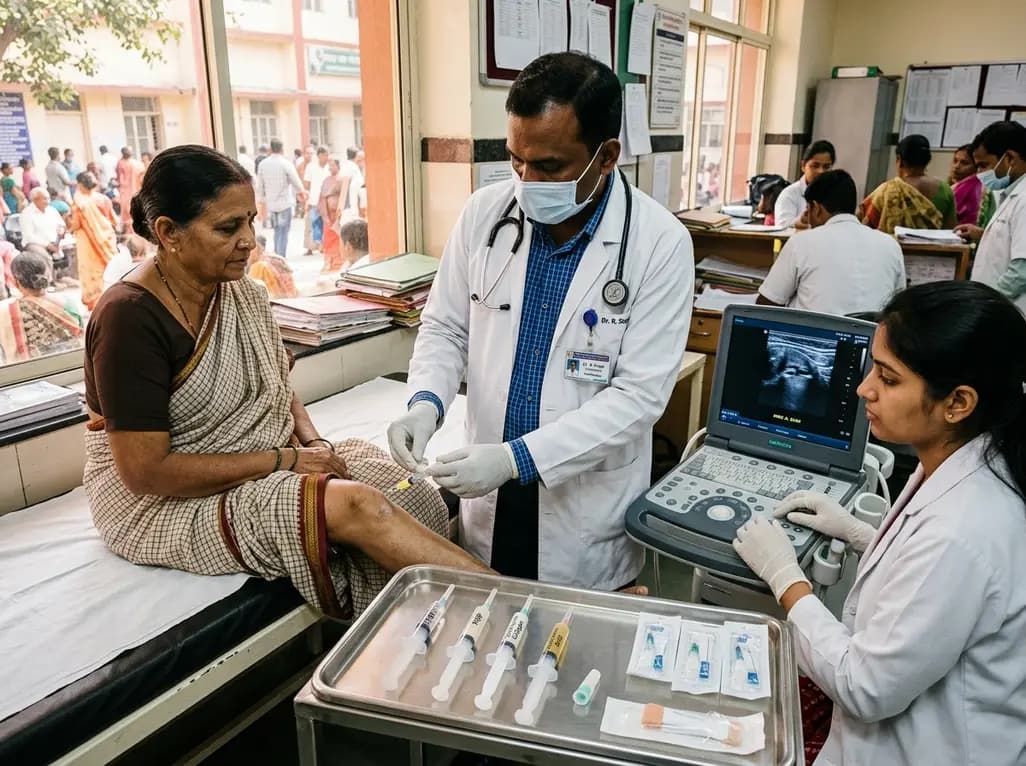
A randomized controlled trial compared ultrasound-guided intra-articular injections of PRP, hydrolyzed type I collagen, and hyaluronic acid in knee osteoarthritis. All therapies demonstrated significant improvements in WOMAC and pain scores at six months, supporting hydrolyzed collagen as a viable biological option.
Today
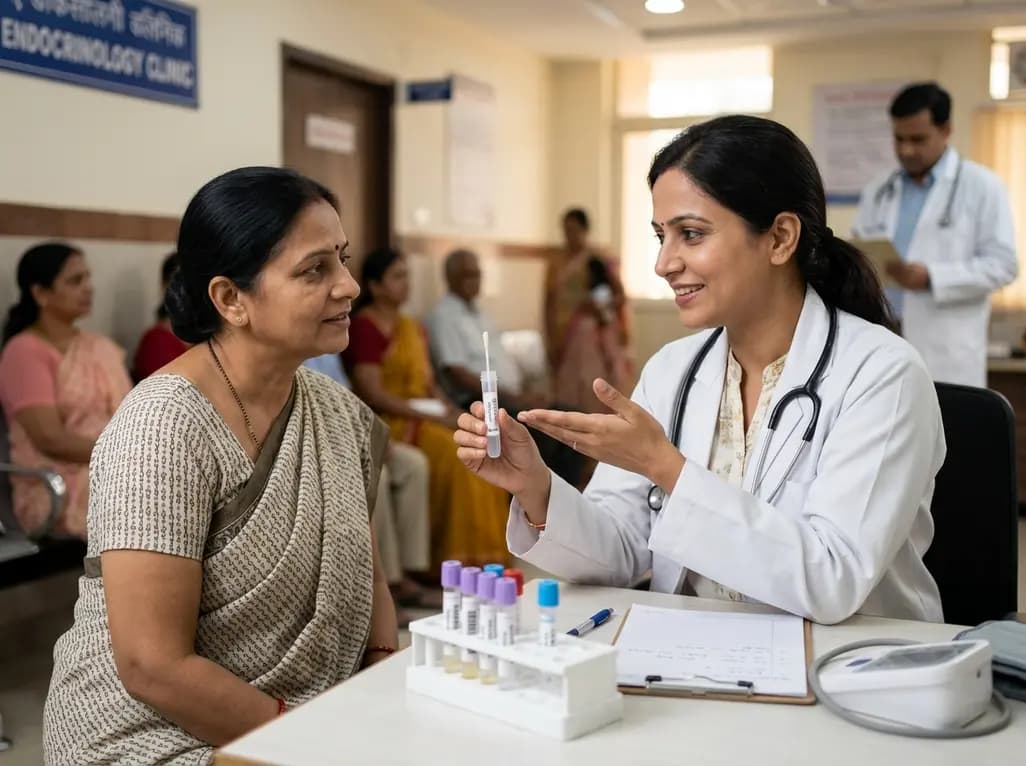
A study reveals that salivary cortisone correlates more strongly with serum cortisol than salivary cortisol during dynamic adrenal testing, while salivary dexamethasone accurately confirms compliance. This provides a non-invasive, precise alternative to venipuncture for diagnosing adrenal disorders.
Today
