.webp&w=384&q=75)

Loading, please wait...
Loading, please wait...

Electronic delivery devices continue to evolve rapidly beyond conventional nicotine administration. Consequently, cannabinoid vaping has emerged as a notable public health concern across multiple demographic groups. Many young adults inhale non-nicotine substances containing Δ-9-tetrahydrocannabinol (THC) or cannabidiol (CBD). However, clear epidemiological evidence on these novel consumption modalities remains limited in international literature. Clinical specialists must understand how these modern electronic systems operate. Devices aerosolize viscous lipophilic oils and chemical solvents using high-temperature heating coils. Therefore, users frequently inhale high concentrations of psychoactive cannabinoids alongside complex chemical excipients. In addition, adolescent experimentation with inhaled cannabis concentrates creates substantial diagnostic uncertainty for attending physicians. Patients rarely disclose their specific inhalation practices voluntarily during regular consultations. Furthermore, widespread commercial marketing often misleads young consumers by framing vapor inhalation as an entirely benign alternative to combustion. Because commercial products frequently lack standardized quality oversight, inhalant compositions vary dramatically between batches. Consequently, medical practitioners worldwide must stay vigilant regarding emerging patterns of illicit substance vaporization. Clinicians who encounter unexplained acute respiratory complaints or sudden behavioral changes should routinely explore modern vaping practices among their young adult patients.
A recent exploratory mixed-methods study provided valuable real-world evidence regarding substance inhalation habits among young university students. Researchers conducted an explanatory sequential study in a French academic institution. They enrolled 206 current student vapers in a quantitative survey alongside 30 daily users in a qualitative inquiry. Interestingly, only 11 participants reported vaping non-nicotine substances, with THC and CBD predominating among those reports. Furthermore, adjusted statistical analysis demonstrated no statistically significant association between past-year THC consumption and non-nicotine substance vaporization. Qualitative interviews subsequently revealed that daily vapers possessed minimal awareness of cannabinoid aerosolization options. Most students viewed cannabis vaporization as an unfamiliar niche practice reserved primarily for heavy, chronic cannabis consumers. Therefore, the investigators concluded that cannabinoid vaporization remains uncommon in this cohort and has not yet become a mainstream cultural norm. Nevertheless, shifting regulatory frameworks may alter consumer behaviors over time. Qualitative respondents highlighted both intrinsic curiosities and extrinsic hurdles, including financial cost and equipment complexity. Consequently, routine surveillance remains critical as novel formulations permeate global consumer channels.
Inhaling aerosolized cannabinoid extracts introduces severe physiological hazards directly to pulmonary parenchymal tissues. Although many individuals perceive vaping as safer than combustible smoking, scientific investigations indicate substantial respiratory risks. Specifically, vaporized cannabinoid aerosols contain dangerous thermal breakdown byproducts, toxic carbonyls, and suspended metal particulates. When heating coils vaporize lipophilic oils, the resulting mist disrupts the delicate alveolar-capillary membrane. In addition, unauthorized preparations frequently incorporate synthetic diluents like vitamin E acetate to achieve desirable viscosity. Vitamin E acetate penetrates pulmonary surfactant, inducing profound surfactant dysfunction and severe chemical pneumonitis. Consequently, clinicians recognize e-cigarette or vaping use-associated lung injury as a life-threatening pulmonary syndrome linked to unregulated cannabinoid fluids. Patients typically experience acute hypoxemia, diffuse bilateral alveolar infiltrates, tachypnea, and significant chest discomfort. Furthermore, chronic exposure triggers persistent alveolar macrophage activation and airway hyperreactivity. As a result, even intermittent cannabinoid inhalation may precipitate lasting microvascular and bronchial architecture impairment. When patients develop rapidly deteriorating respiratory failure without an apparent infectious pathogen, clinicians must prioritize diagnostic protocols that assess non-infectious inflammatory insults.
The rapid pharmacokinetic absorption of vaporized cannabinoids poses distinct neuropsychiatric dangers for adolescent and young adult populations. Because pulmonary capillary absorption bypasses hepatic first-pass metabolism, high-potency THC reaches cerebral cannabinoid receptors within seconds. Consequently, users experience intense psychoactive surges that substantially elevate their risk of acute panic reactions, toxic delirium, and drug-induced psychosis. Furthermore, the developing prefrontal cortex remains exceptionally vulnerable to heavy cannabinoid disruption until the mid-twenties. Frequent exposure impairs executive function, working memory processing, and emotional regulation. Over time, repeated stimulation of dopaminergic reward pathways promotes rapid tolerance and physical dependence. Therefore, psychiatrists frequently observe an elevated incidence of cannabis use disorder among individuals who consume high-concentration vape oils. Additionally, pre-existing affective disorders may deteriorate markedly following sustained cannabinoid consumption. Depressive symptoms, social withdrawal, and persistent motivational deficits often accompany habitual concentrate inhalation. Early therapeutic intervention remains indispensable to prevent long-term cognitive and emotional functional deterioration.
Evaluating patients with suspected inhalation lung injury requires a systematic and multidisciplinary clinical approach. Because symptoms overlap substantially with community-acquired pneumonia, physicians must maintain a high index of suspicion. Patients often present with constitutional complaints, including fever, persistent cough, and marked gastrointestinal distress. Therefore, clinicians must take a detailed, non-judgmental history specifically covering e-cigarette habits, chemical additives, and device types. High-resolution computed tomography typically demonstrates bilateral ground-glass opacities with subpleural sparing. Furthermore, bronchoalveolar lavage helps exclude occult infectious pathogens and identify lipid-laden macrophages. From a regulatory perspective, Indian lawmakers enacted the Prohibition of Electronic Cigarettes Act in 2019 to prohibit device manufacture, sale, and advertising. In addition, the Narcotic Drugs and Psychotropic Substances Act strictly regulates cannabis possession and distribution. Despite these statutory bans, illicit online grey markets continue to supply unauthorized vaping hardware. Consequently, Indian healthcare practitioners must remain alert to atypical respiratory and psychiatric presentations in youth, ensuring timely behavioral therapy and supportive medical care.
Cannabinoid vaping involves inhaling aerosolized cannabis extracts through battery-operated electronic devices, such as vape pens or pod systems. These specialized formulations typically contain concentrated psychoactive Δ-9-tetrahydrocannabinol, non-intoxicating cannabidiol, or diverse synthetic cannabinoids. Manufacturers dissolve these lipid compounds in organic solvents or thinning carriers. When heated rapidly, these devices generate concentrated chemical vapors that rapidly deliver active cannabinoids to the pulmonary circulation and central nervous system.
Vaporizing concentrated cannabis oils introduces toxic thermal degradation products and harmful lipid compounds into delicate alveolar spaces. Unregulated illicit cartridges frequently contain synthetic cutting additives, most notably vitamin E acetate. When heated and inhaled, these viscous oily diluents disrupt normal pulmonary surfactant, triggering severe alveolar epithelial damage and chemical pneumonitis. Consequently, patients develop acute hypoxemic respiratory failure, requiring intensive medical stabilization, mechanical ventilation, and prompt corticosteroid therapy.
Clinicians should maintain a compassionate, non-punitive, and confidential clinical dialogue when questioning adolescent and young adult patients. Because patients often conceal illicit substance use, doctors must ask direct questions regarding specific electronic device types, liquid sources, and chemical ingredients. Attending physicians should perform thorough cardiopulmonary examinations, obtain high-resolution thoracic imaging, and exclude common pulmonary infections. In addition, providers must offer evidence-based substance cessation counseling and mental health support.
Disclaimer: This content is for informational and educational purposes only. It is not intended to provide medical advice or to be used for diagnosing or treating a health problem or disease. Clinicians should use their own clinical judgment. Refer to the latest local and national guidelines for clinical practice.
References

Read summarized clinical updates, watch expert medical content, and earn CME certifications right from your smartphone.
Open your smartphone camera to scan and install.





An exploratory study examined cannabinoid vaping among French students, revealing low uptake. Here we review the respiratory, psychiatric, and clinical implications of inhaled cannabis concentrates.
Today
A groundbreaking study highlights how elevated ISG15 fuels RIG-I/MDA5 signaling and macrophage-microglia crosstalk during blood-brain barrier disruption in neuromyelitis optica spectrum disorder, revealing novel therapeutic targets for neuroinflammation.
Today
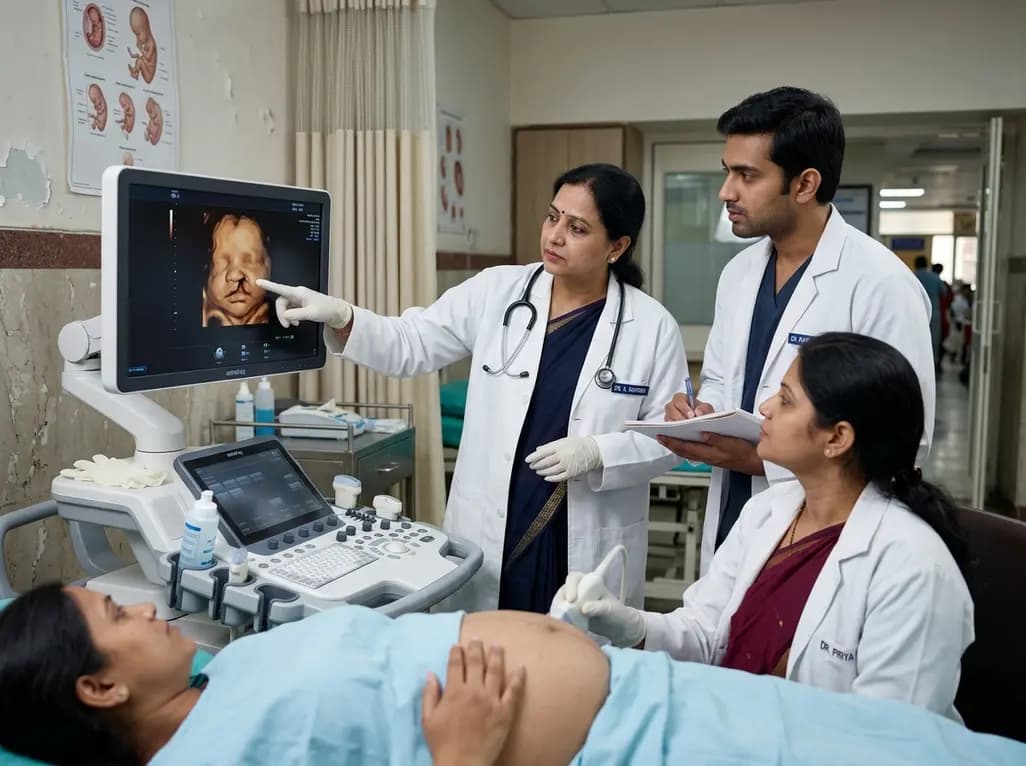
A 5-year retrospective study evaluates prenatal ultrasound detection of fetal cleft lip and palate. While overall detection reached 87%, accuracy varied from 99.3% in combined clefts to 50% in isolated cases. Combined defects showed elevated risks of concurrent structural anomalies and chromosomal abnormalities.
Today

An updated systematic review and meta-analysis of 7,875 patients reveals that routine microaxial left ventricular support during nonemergent high-risk PCI does not reduce mortality or ischemic complications, while significantly increasing major bleeding events.
Yesterday
New consensus guidelines establish best practices for cooled radiofrequency ablation in managing chronic knee pain across rural and underserved areas. The expert panel emphasizes procedural consistency, careful patient selection, and durable non-opioid pain relief.
Today

The SED-SEEN-SEEP consensus outlines an Integrated Care Pathway for preclinical type 1 diabetes, structuring target screening, autoantibody confirmation, metabolic staging, and proactive follow-up to prevent diabetic ketoacidosis and facilitate early disease-modifying intervention.
Yesterday
