.webp&w=384&q=75)

Loading, please wait...
Loading, please wait...

Chronic knee pain represents one of the most debilitating musculoskeletal disorders worldwide, heavily burdening patients in rural and underserved medical environments. Historically, rural individuals face major barriers to specialized surgical interventions. Consequently, many patients rely on prolonged anti-inflammatory drugs or opioids. However, interventional procedures provide an essential alternative. Recent clinical advances highlight cooled radiofrequency ablation as a transformative, minimally invasive therapy. By disrupting sensory nociceptive pathways surrounding the joint capsule, this modality offers dependable, long-term functional recovery for patients suffering from severe gonarthrosis.
Rural communities face unique obstacles when managing severe degenerative osteoarthritis and post-surgical joint discomfort. Indeed, geographic isolation, socioeconomic challenges, and an acute shortage of specialized arthroplasty surgeons severely restrict clinical options. Patients therefore endure persistent functional limitations and secondary physical disability. Furthermore, excessive travel requirements often dissuade vulnerable individuals from attending frequent physical therapy appointments or regular pain clinic consultations.
Consequently, clinicians frequently encounter patients who have exhausted traditional conservative options, such as oral analgesics and periodic intra-articular corticosteroid injections. Prolonged reliance on pharmacological therapies creates substantial systemic hazards, notably gastrointestinal bleeding, renal dysfunction, and opioid dependence. Therefore, establishing decentralized, accessible interventional pathways remains vital for community hospitals and rural clinics. Specialized consensus guidelines provide rural practitioners with structured clinical frameworks to bridge these therapeutic disparities safely.
In addition, primary care providers in remote locations must balance limited local resources with complex pain pathology. By implementing standardized interventional protocols, regional medical centers can deliver tertiary-level care locally. Ultimately, this approach reduces unnecessary transfers and restores patient independence.
The panel evaluated multiple neurolytic modalities and reached strong consensus favoring cooled radiofrequency ablation over conventional thermal or pulsed techniques. Conventional radiofrequency systems utilize continuous thermal energy to generate small, elliptical tissue lesions around targeted sensory nerves. However, variable articular nerve pathways often compromise the success of standard needles. In contrast, internally cooled technology circulates sterile water within the active probe tip, which prevents localized tissue charring.
Consequently, this cooling mechanism disperses thermal energy across a significantly larger, spherical treatment volume. Thus, the expanding thermal lesion reliably encompasses the target genicular nerves despite minor anatomical variations. Clinical trials consistently confirm that this expansive lesion produces durable analgesia lasting up to twenty-four months. Furthermore, prolonged pain relief improves joint kinematics and reduces daily oral analgesic consumption. Therefore, regional providers can achieve predictable clinical outcomes, even without high-frequency clinical follow-up.
Successful outcomes require rigorous, standardized patient selection. Accordingly, candidates should present with radiographic evidence of moderate-to-severe knee osteoarthritis or intractable discomfort following total joint replacement. Clinicians must confirm that individuals have experienced inadequate relief from physical rehabilitation, weight management, and oral analgesics. Moreover, practitioners should carefully exclude patients with uncontrolled systemic coagulopathies, active local skin infections, or significant neurologic deficits.
Additionally, the consensus guidelines emphasize performing prognostic genicular nerve blocks prior to therapeutic neurotomy. Practitioners administer small volumes of local anesthetic under precise image guidance to block specific sensory nerves. Patients subsequently record their physical mobility and pain levels using an hourly diary. A successful response, defined as at least fifty percent subjective pain relief during the anesthetic duration, confirms suitable nerve targets. Therefore, this prognostic step prevents ineffective ablations and maintains exceptional procedural safety across community settings.
Technical precision during needle placement directly dictates therapeutic success. Specifically, the proceduralist targets three primary sensory branches: the superior medial genicular nerve, superior lateral genicular nerve, and inferior medial genicular nerve. Providers routinely avoid the inferior lateral branch to protect the common peroneal nerve from thermal injury. Furthermore, clinicians utilize real-time fluoroscopic guidance or high-frequency ultrasonography to confirm accurate cannula positioning against the osseous cortex.
Once clinicians place the cannulae against the femoral and tibial junctions, they must perform thorough sensory and motor neurostimulation. Sensory stimulation verifies intimate probe proximity to nociceptive fibers. Conversely, motor testing at higher voltages confirms the complete absence of distal motor contractions. Consequently, this step prevents unintended damage to motor nerve trunks. Following sensory confirmation, practitioners administer local anesthetic before initiating the therapeutic thermal cycle. Ultimately, adherence to these precise procedural steps guarantees high procedural efficacy and minimizes adverse neuromuscular events.
Structured post-procedure protocols ensure long-term clinical success and patient satisfaction. Immediately following the neurotomy, nursing personnel observe patients for transient hemodynamic instability or immediate localized adverse reactions. Although superficial discomfort may persist for several days, serious complications remain exceedingly rare. Furthermore, clinicians advise patients to apply cold packs and temporarily avoid heavy weight-bearing activities. Most individuals safely resume normal daily routines within forty-eight hours.
Subsequently, primary healthcare teams initiate structured physical therapy regimens to capitalize on the substantial analgesia. Because pain intensity diminishes dramatically, patients can actively strengthen quadriceps musculature and restore joint range of motion. Moreover, remote follow-up assessments through telemedicine allow community clinicians to track functional indices without demanding burdensome travel from rural families. Ultimately, establishing predictable interventional care decreases chronic opioid utilization, enhances physical functioning, and elevates the quality of life for vulnerable populations.
Conventional thermal radiofrequency utilizes continuous heat to create a small, restricted cylindrical lesion around the needle tip. Consequently, minor anatomical shifts in sensory nerves can cause procedural failure. In contrast, cooled radiofrequency circulates cold water within the electrode, which prevents tissue burning and permits expanded energy dispersion. As a result, it creates a much larger spherical lesion that captures target nerves more reliably, producing superior and longer-lasting relief.
Ideal candidates include adults suffering from severe chronic knee osteoarthritis who have failed conservative options like physical therapy, oral medications, and steroid injections. Additionally, the procedure benefits patients who cannot undergo major joint replacement surgery due to medical comorbidities or personal preference. Crucially, clinicians confirm eligibility only after the patient achieves at least fifty percent pain reduction during a standardized diagnostic genicular nerve block.
Clinical investigations demonstrate that cooled neurotomy consistently provides substantial pain relief for twelve to twenty-four months. Because sensory peripheral nerves eventually undergo axonal regeneration, pain sensations may slowly recur over time. However, patients experience marked functional improvements, reduced dependence on analgesic medications, and improved sleep throughout this therapeutic window. Furthermore, interventional clinicians can safely repeat the ablation procedure if debilitating pain symptoms gradually recur in subsequent years.
Disclaimer: This content is for informational and educational purposes only and should not be considered medical advice or a substitute for professional clinical judgment. Healthcare providers should verify all clinical and pharmacology information against trusted local formularies and protocols. Treatments and dosing must be individualized according to the patient's condition. The author and publisher are not liable for any consequences resulting from the application of this information. Refer to the latest local and national guidelines for clinical practice.
References

Read summarized clinical updates, watch expert medical content, and earn CME certifications right from your smartphone.
Open your smartphone camera to scan and install.





New consensus guidelines establish best practices for cooled radiofrequency ablation in managing chronic knee pain across rural and underserved areas. The expert panel emphasizes procedural consistency, careful patient selection, and durable non-opioid pain relief.
Today
A groundbreaking study highlights how elevated ISG15 fuels RIG-I/MDA5 signaling and macrophage-microglia crosstalk during blood-brain barrier disruption in neuromyelitis optica spectrum disorder, revealing novel therapeutic targets for neuroinflammation.
Today
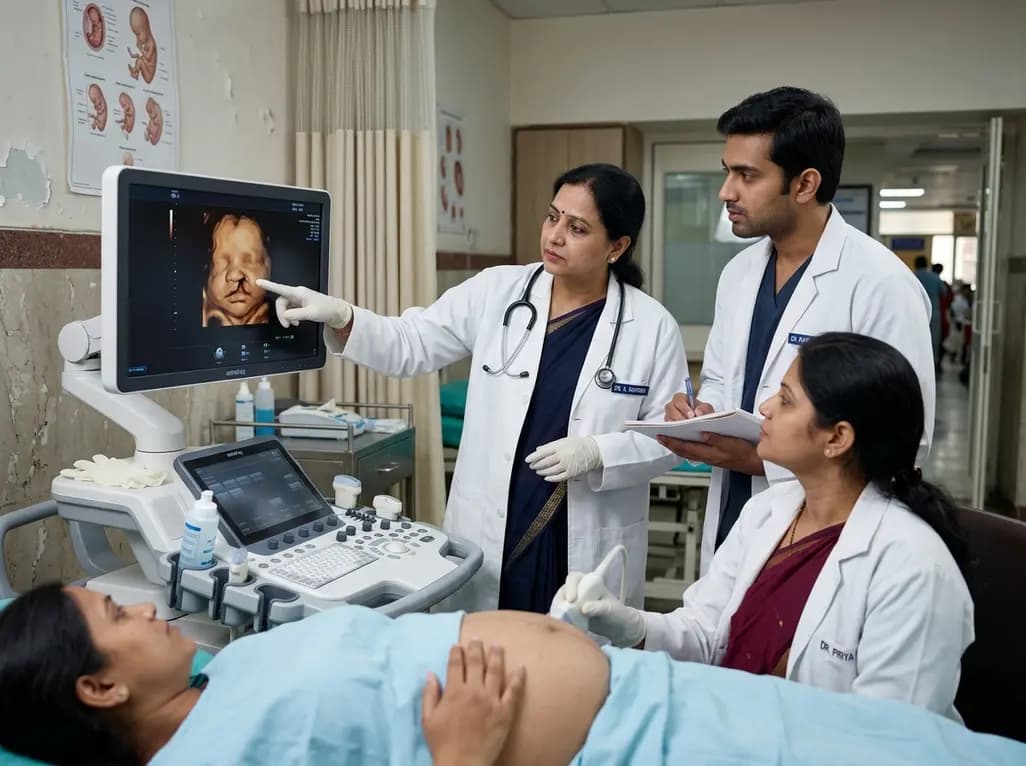
A 5-year retrospective study evaluates prenatal ultrasound detection of fetal cleft lip and palate. While overall detection reached 87%, accuracy varied from 99.3% in combined clefts to 50% in isolated cases. Combined defects showed elevated risks of concurrent structural anomalies and chromosomal abnormalities.
Today

An updated systematic review and meta-analysis of 7,875 patients reveals that routine microaxial left ventricular support during nonemergent high-risk PCI does not reduce mortality or ischemic complications, while significantly increasing major bleeding events.
Yesterday
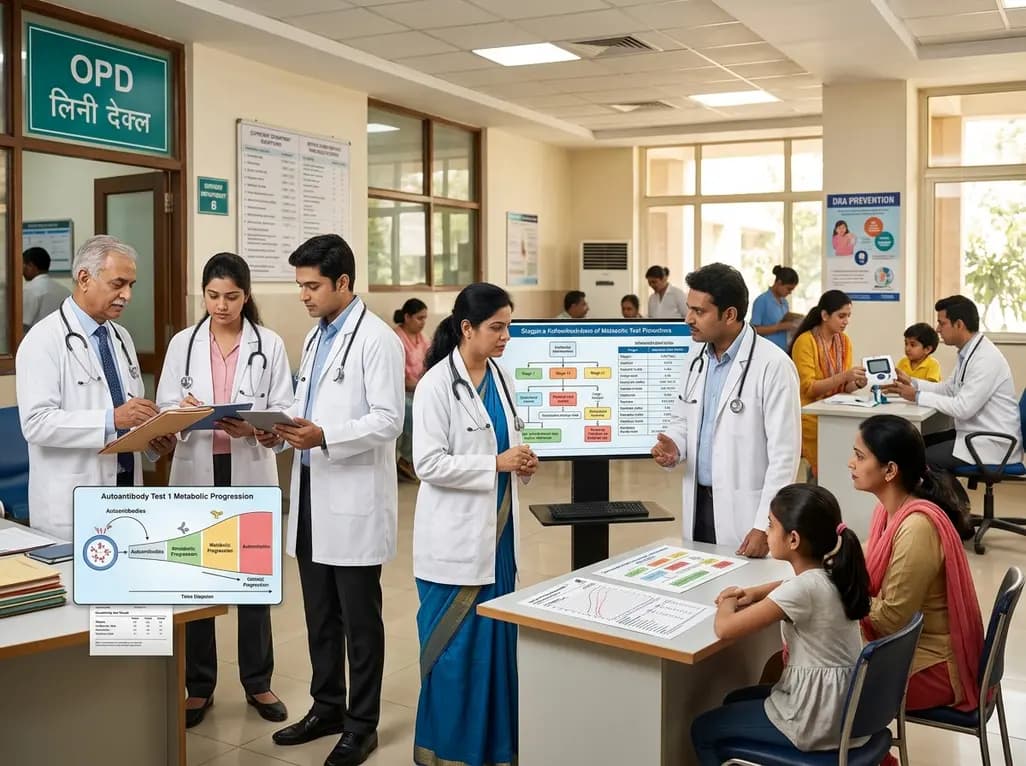
The SED-SEEN-SEEP consensus outlines an Integrated Care Pathway for preclinical type 1 diabetes, structuring target screening, autoantibody confirmation, metabolic staging, and proactive follow-up to prevent diabetic ketoacidosis and facilitate early disease-modifying intervention.
Yesterday
