.webp&w=384&q=75)

Loading, please wait...
Loading, please wait...

The therapeutic management of drug-resistant developmental and epileptic encephalopathies presents persistent clinical hurdles. Recent clinical evaluations of cannabidiol in monogenic epilepsies highlight an expanding horizon for precision pharmacology beyond historically restricted syndromic labels. Historically, regulatory approvals have focused primarily on Dravet syndrome, Lennox-Gastaut syndrome, and tuberous sclerosis complex. However, clinicians worldwide frequently encounter severe epilepsies driven by diverse pathogenic single-gene variants that fail standard antiseizure medications. Consequently, real-world cohort investigations provide vital data regarding broader therapeutic utility. The landmark multicenter GENE-CBD study delivers compelling evidence. It demonstrates that purified cannabinoid therapy confers substantial clinical benefits across heterogeneous genetic etiologies.
Monogenic epilepsies encompass a broad spectrum of neurodevelopmental conditions caused by pathogenic variants in single genes. Although randomized controlled trials established the efficacy of purified cannabinoids in specific conditions, patients with rare mutations often lack targeted therapies. Therefore, clinicians frequently consider off-label treatment strategies to curb intractable daily seizures. Highly purified cannabidiol exerts complex neuroprotective mechanisms that do not rely exclusively on traditional cannabinoid receptors. Specifically, it modulates intracellular calcium homeostasis via transient receptor potential vanilloid 1 antagonism. In addition, it facilitates endogenous adenosine signaling to dampen pathological neuronal hyperexcitability. Because these cellular actions operate independently of specific mutated ion channels, this therapeutic agent represents a logical candidate across varied genetic backgrounds. Clinicians recognize that molecular etiology should inform therapeutic decisions, yet broadly acting neuroprotective agents remain indispensable. Thus, assessing real-world outcomes across diverse monogenic disorders answers an urgent therapeutic question.
The real-world multicenter study analyzed 266 patients across 27 specialized tertiary epilepsy centers over a median follow-up of 17 months. Female patients comprised 50.8% of the cohort, and the median age at therapy initiation was 12 years. Notably, the study captured exceptional genetic diversity, encompassing 77 distinct monogenic epileptic disorders. Pathogenic variants in SCN1A constituted the largest genetic subgroup at 32.3%, followed by TSC2 variants at 13.5%. Furthermore, CDKL5 and MECP2 mutations each accounted for 4.5% of the study cohort. Other identified etiologies included various channelopathies, chromatin remodelers, and synaptic transmission defects. Most participants had previously demonstrated intractable seizures despite trying multiple antiseizure medications, vagus nerve stimulation, or dietary therapies. Consequently, this cohort accurately reflects the challenging clinical scenarios that neurologists face in tertiary neurogenetic clinics. By evaluating responses across such varied genotypes, the trial successfully examined whether specific genetic pathways dictate therapeutic susceptibility.
The multicenter clinical data demonstrated robust efficacy for highly purified cannabidiol in mitigating seizure burden. At the final clinical follow-up visit, patients achieved a mean overall seizure frequency reduction of 38.6%. Moreover, 47.5% of the participants achieved a clinically meaningful response, defined as at least a 50% reduction in seizure frequency. Remarkably, 7.4% of patients attained complete seizure freedom during the evaluation window. In addition to quantitative seizure logging, clinicians documented broader health and behavioral changes. The Clinical Global Impression improvement scale demonstrated positive overall clinical changes in 65.8% of patients. Parents and treating physicians reported improvements in alertness, communication skills, and sleep quality alongside seizure control. Importantly, the antiseizure benefits remained durable throughout the median 17-month observation timeline without showing late tachyphylaxis. These findings confirm that purified cannabinoids provide meaningful clinical stabilization for patients with profound pharmacoresistance across extensive genetic subgroups.
To identify which patients benefit most from therapy, investigators applied a multivariable general linear mixed model. This statistical analysis identified two independent predictors that significantly influenced therapeutic effectiveness. First, a shorter maximum duration of seizure freedom prior to treatment initiation independently predicted lower treatment effectiveness. Patients who had never achieved sustained periods of seizure control exhibited lower response rates. Second, a higher degree of intellectual disability was independently associated with reduced antiseizure efficacy. Patients presenting with profound cognitive impairment demonstrated lower percentage reductions in seizure frequency compared to those with mild delays. Conversely, other clinical variables did not significantly diminish seizure control. In particular, concomitant clobazam administration did not dictate clinical success. While clobazam co-administration elevates active n-desmethylclobazam levels through cytochrome P450 inhibition, cannabidiol demonstrated intrinsic therapeutic effectiveness regardless of clobazam co-therapy. Thus, baseline disease severity and pre-existing remission history represent the primary clinical determinants of long-term therapeutic success.
A pivotal finding from this multicenter study involves the direct comparison between approved indications and off-label applications. Historically, regulatory bodies granted licenses exclusively for Dravet syndrome, Lennox-Gastaut syndrome, and tuberous sclerosis complex. However, statistical models revealed no significant differences in seizure reduction rates across these syndromic diagnoses compared to other developmental encephalopathies. Patients with unapproved monogenic conditions experienced seizure reductions comparable to approved conditions. Furthermore, the overall responder rates remained equivalent between formal on-label indications and novel off-label prescriptions. Consequently, restricting cannabinoid therapy strictly to categorical syndromic definitions may deprive eligible patients of clinically viable options. This real-world evidence strongly supports expanding therapeutic access based on refractory disease status rather than narrow diagnostic labels. Clinicians can confidently consider purified cannabidiol when managing drug-resistant genetic epilepsies, provided that they maintain diligent therapeutic drug monitoring and hepatic surveillance.
In India, the clinical management of severe developmental and epileptic encephalopathies faces unique socioeconomic and diagnostic challenges. Next-generation sequencing and comprehensive epilepsy gene panels have become increasingly accessible across major urban Indian centers. Consequently, clinicians identify monogenic epilepsies with increasing frequency. However, access to pharmaceutical-grade, highly purified cannabidiol remains restricted by regulatory and import barriers. This challenge often prompts families to seek unstandardized artisanal cannabis formulations. Indian neurologists must educate families regarding the essential distinctions between pharmaceutical-grade formulations and unregulated products. Unregulated products carry unpredictable cannabinoid concentrations and contamination risks. Furthermore, when prescribing purified cannabinoids through special import provisions, physicians must conduct baseline liver function tests and periodic enzymatic monitoring. Monitoring is particularly crucial when patients concurrently take sodium valproate, which amplifies hepatotoxicity risks. Additionally, Indian clinicians should evaluate intellectual disability tiers and prior seizure-free intervals to set realistic therapeutic expectations with caregivers. Integrating rigorous molecular testing with rational, evidence-based cannabinoid prescribing will substantially improve patient care across tertiary care centers in India.
Yes, clinical findings demonstrate that highly purified cannabidiol provides substantial seizure reduction regardless of concurrent clobazam therapy. While cannabidiol interacts pharmacokinetically with clobazam to elevate active metabolite levels, the study revealed no statistically significant difference in seizure outcomes between patients receiving clobazam and those managed without it.
Multivariable statistical models identify two primary independent clinical predictors of reduced cannabidiol efficacy: a shorter maximum duration of prior seizure freedom before treatment initiation and a more profound degree of baseline intellectual disability. Conversely, specific syndromic classifications or off-label use status do not adversely influence therapeutic response.
Real-world evidence demonstrates comparable seizure reduction rates between approved indications and off-label monogenic applications. Patients presenting with unapproved genetic encephalopathies achieved similar responder rates and Clinical Global Impression improvements as those diagnosed with Lennox-Gastaut syndrome, Dravet syndrome, or tuberous sclerosis complex, supporting wider therapeutic utilization.
Disclaimer: This content is for informational and educational purposes only... Refer to the latest local and national guidelines for clinical practice.
References

Read summarized clinical updates, watch expert medical content, and earn CME certifications right from your smartphone.
Open your smartphone camera to scan and install.





A multicenter study of 266 patients across 27 centers shows highly purified cannabidiol reduces seizures by 38.6% across 77 monogenic epilepsies. Efficacy was comparable between approved indications and off-label use, offering new therapeutic hope for drug-resistant genetic developmental encephalopathies.
Today

A feasibility study evaluates remote vital sign monitoring in acute hospital at home patients. Continuous wearable patches captured heart rate and respiratory rate with high adherence (89% and 75%), significantly exceeding manual spot checks for blood pressure, oxygen saturation, and temperature.
Today

A scoping review evaluates 116 studies on AI in women's reproductive health, finding that 83.6% carry high risk of bias. While ensemble models show promise, disparities and lack of validation hinder LMIC deployment.
Today
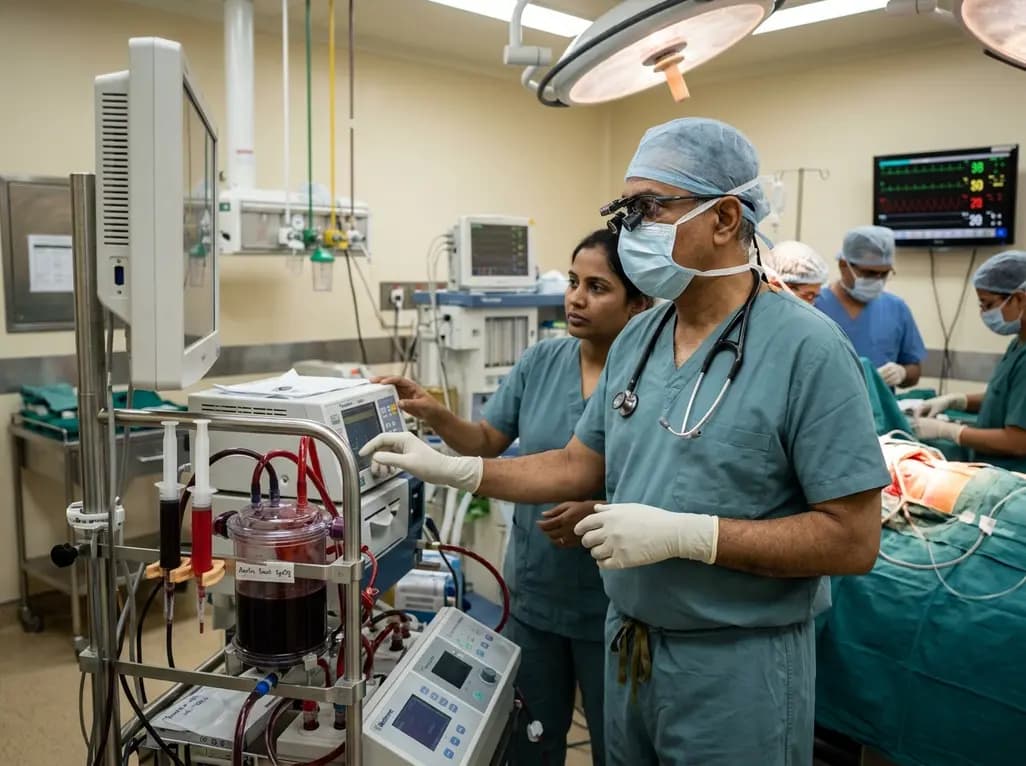
Differential oxygenation during peripheral TA-NRP can cause undetected coronary hypoxemia due to arch vessel clamping. A novel circuit with continuous aortic root monitoring detects desaturation early, facilitating left ventricular unloading and preventing allograft dysfunction and unnecessary heart discard.
Today
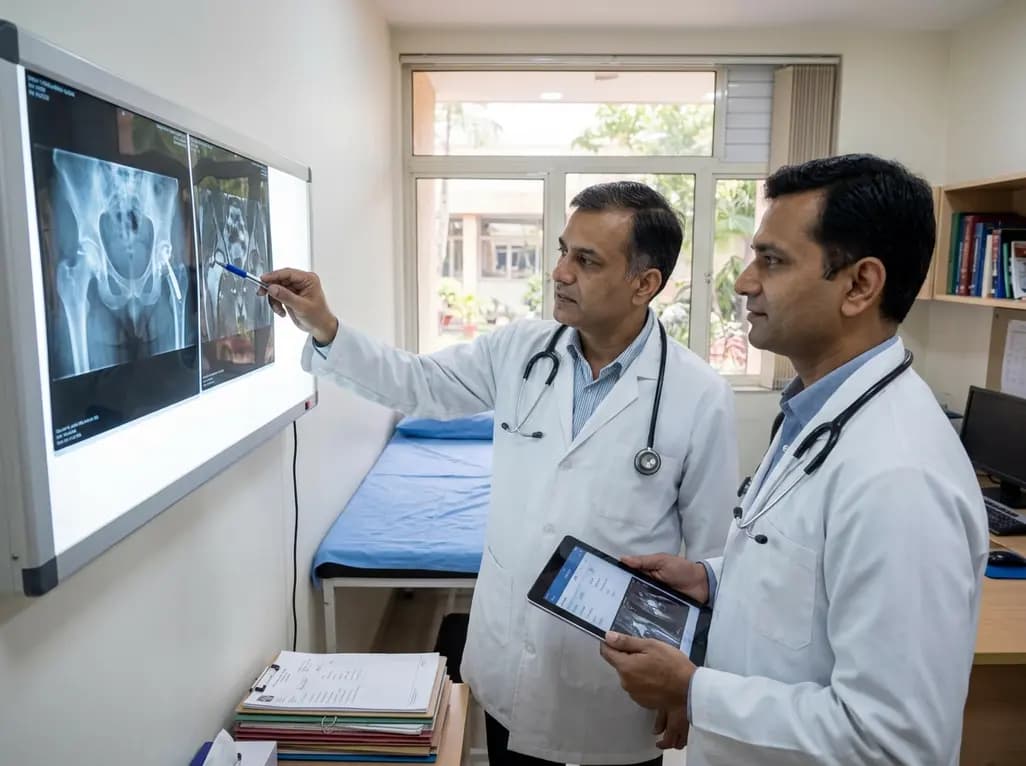
A longitudinal study reveals that patients undergoing staged bilateral hip arthroscopy experience progressive contralateral labral deterioration during surgical intervals. However, structural degradation does not compromise 2-year postoperative clinical outcomes or patient-reported satisfaction scores.
Today

A post hoc analysis of the PARM-T2D study shows pemafibrate exerts baseline-dependent effects on LDL-C and particle size in type 2 diabetes and hypertriglyceridemia. It lowers triglycerides and remnants while favorably remodeling atherogenic LDL particles based on initial lipid control status.
Today
