.webp&w=384&q=75)

Loading, please wait...
Loading, please wait...

The current Bundibugyo Ebola outbreak in the Democratic Republic of Congo (DRC) has triggered a major health response. Health workers are racing to contain the virus following its spread into neighbouring Uganda. This situation is particularly concerning because this specific strain currently lacks an approved vaccine or targeted treatment. Consequently, international agencies are mobilizing resources to prevent a larger regional crisis.
Health officials have reported over 300 suspected cases across nine health zones in Ituri province. Furthermore, laboratory testing has confirmed several cases in major urban centers like Goma and Kampala. This rapid geographic spread has prompted the World Health Organization (WHO) to declare a public health emergency. Unlike the Zaire strain, the Bundibugyo virus presents unique containment challenges. Therefore, surveillance networks must remain vigilant to identify new clusters quickly.
Several factors have complicated the initial response to this emergency. First, missteps in laboratory escalation delayed the identification of the virus for several days. Additionally, declining funding from international donors has weakened local disease detection networks. Security issues in eastern Congo also hinder medical teams from reaching affected communities safely. However, the DRC Health Ministry is now setting up specialized treatment centers in Bunia. Meanwhile, neighbouring countries like Rwanda and Uganda have tightened border controls to limit transmission.
The virus primarily spreads through direct contact with infected bodily fluids or contaminated materials. Moreover, patients typically present with high fever, vomiting, and internal or external bleeding. Because the average fatality rate can reach 50%, early detection remains vital for survival. Medical personnel emphasize that this is a biological disease, not a mystical one. Consequently, they urge individuals with symptoms to seek immediate care at authorized facilities. Health experts are currently monitoring several contacts who attended large funeral gatherings. These events often serve as super-spreader locations during such outbreaks.
Q1: Is there a vaccine available for the Bundibugyo strain of Ebola?
No, unlike the Zaire strain, there is currently no approved vaccine or virus-specific therapeutic for the Bundibugyo virus strain.
Q2: How does the Ebola virus spread between people?
Ebola spreads through direct contact with the blood, secretions, organs, or other bodily fluids of infected people or contaminated surfaces.
Q3: What are the primary symptoms of an Ebola infection?
Common symptoms include high fever, severe headache, muscle pain, vomiting, diarrhea, and in some cases, unexplained internal or external bleeding.
Disclaimer: This content is for informational and educational purposes only. It does not constitute medical advice or replace professional judgment. Refer to the latest local and national guidelines for clinical practice.
References

Read summarized clinical updates, watch expert medical content, and earn CME certifications right from your smartphone.
Open your smartphone camera to scan and install.





DRC and Uganda race to contain a Bundibugyo Ebola outbreak. With no vaccine and high mortality, health experts warn of a potential cross-border emergency....
5 months ago

Novel diimide and hydrazone scaffolds, particularly compound #C4, synergistically reactivate latent HIV-1 when combined with JQ1 or PKC activators. Demonstrating donor-matched proviral transcription ex vivo and non-canonical signaling, these findings advance shock and kill strategies toward reservoir eradication.
Today
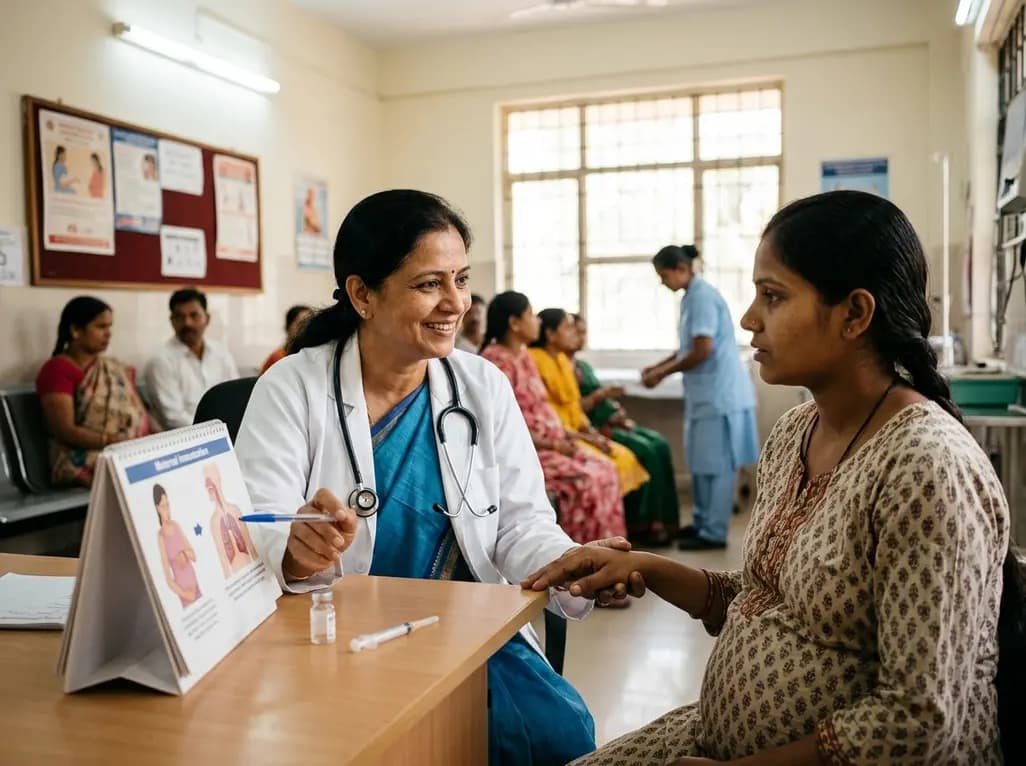
A cross-sectional study reveals that maternal RSV vaccination coverage reached only 43.7% in Argentina, with maternal vaccine knowledge being the sole independent predictor of uptake. Clinicians play a crucial role in eliminating informational and structural barriers to optimize infant health.
Today

Review how tailored exercise programs benefit frail older patients with heart failure. Explore pathophysiological mechanisms, individualized training prescriptions, and strategies to overcome adherence barriers in clinical practice.
Yesterday

This comparative study evaluates posterior labral tears with and without glenohumeral instability, highlighting distinct demographic patterns, MRI underestimation in stable shoulders, and successful arthroscopic repair outcomes.
Yesterday

A clinical study demonstrates that early intervention with tocilizumab, either as monotherapy or bridged with corticosteroids, achieves significant proptosis reduction and resolves active inflammation in treatment-naive thyroid eye disease.
Yesterday
